

Good food storage creates calm and clarity in everyday life. When you choose a few consistent sizes and a simple system, it becomes easier to see what you have and use it in the right order. At élé living, the goal is to combine aesthetics and functionality, so your food is neatly and harmoniously arranged without unnecessary clutter. Here you will find practical advice on how to organize your refrigerator, freezer, and kitchen cabinets with boxes, jars, and containers that suit your routines.
Refrigerator boxes for food storage
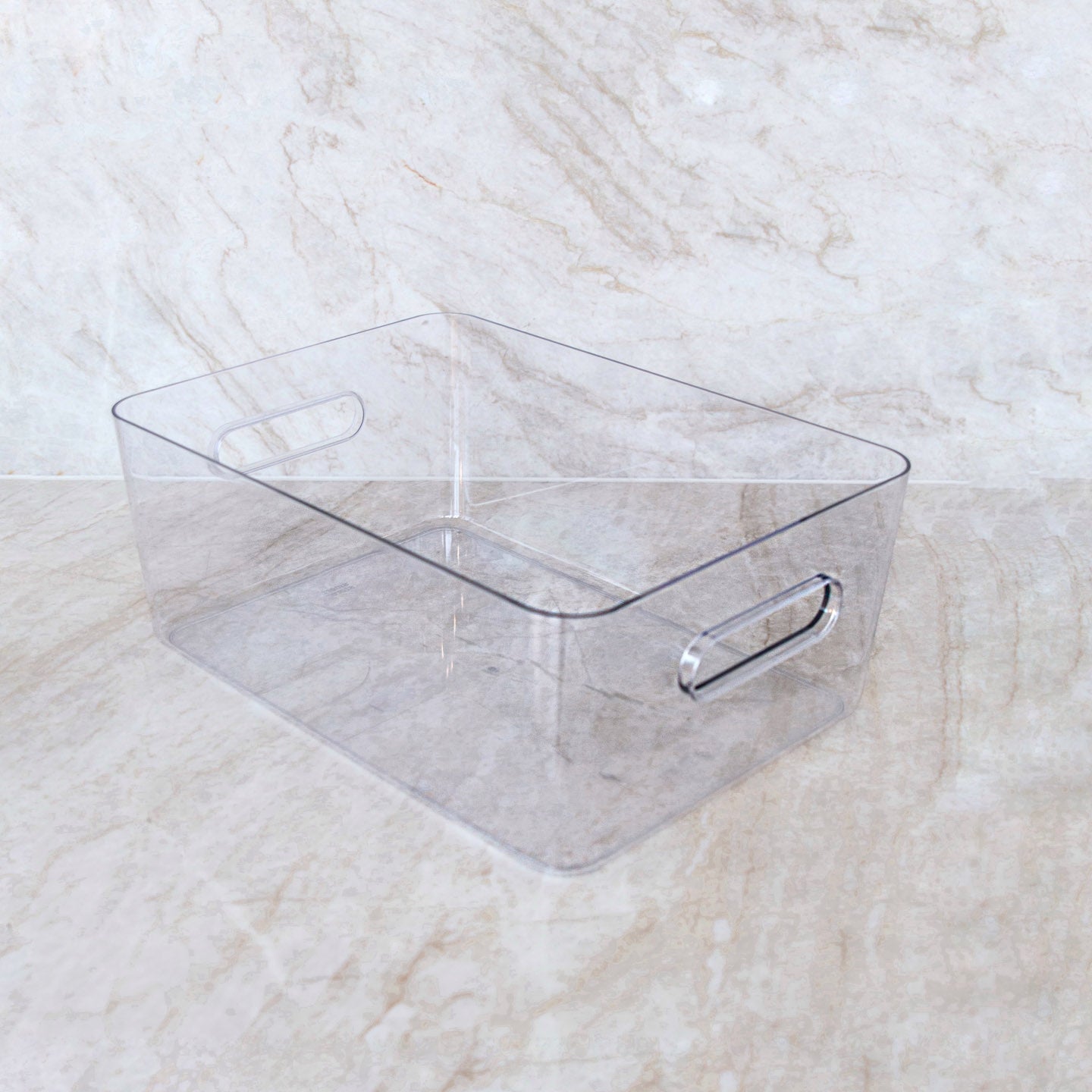
Refrigerator boxes make it easy to group snacks, condiments, and fruit on the shelves. Place the boxes in zones—for example, breakfast items in one area and dinner accompaniments in another—so everyone can quickly find what they use most. Choose lids if you want to stack them and make use of the height. The boxes fit refrigerator shelves and are not designed for the door. They can also be used in the freezer, so you can maintain the same system in both places.
How to organize the refrigerator
Start by emptying one shelf at a time and grouping items by category. Choose a few sizes and repeat them to create a calm look. Close the boxes with their respective lids and stack them to optimize space in the refrigerator.
Choose sizes based on contents
- Small boxes: berries, small snacks, smaller condiment packages
- Medium boxes: dairy products, open jars, leftovers in containers
- Large boxes: larger fruit and vegetables, meal-prep trays
Storage containers for the refrigerator and freezer
Storage containers are ideal for leftovers, cut fruit and vegetables, and prepared ingredients. When you distribute the food in matching containers with lids, they can be neatly stacked, and you can maintain a clear overview. Use the same series in both the refrigerator and freezer so you can move meals from preparation to storage without changing the system. Place containers with items that need to be used first at the front of the shelf.
Storage jars for dry goods
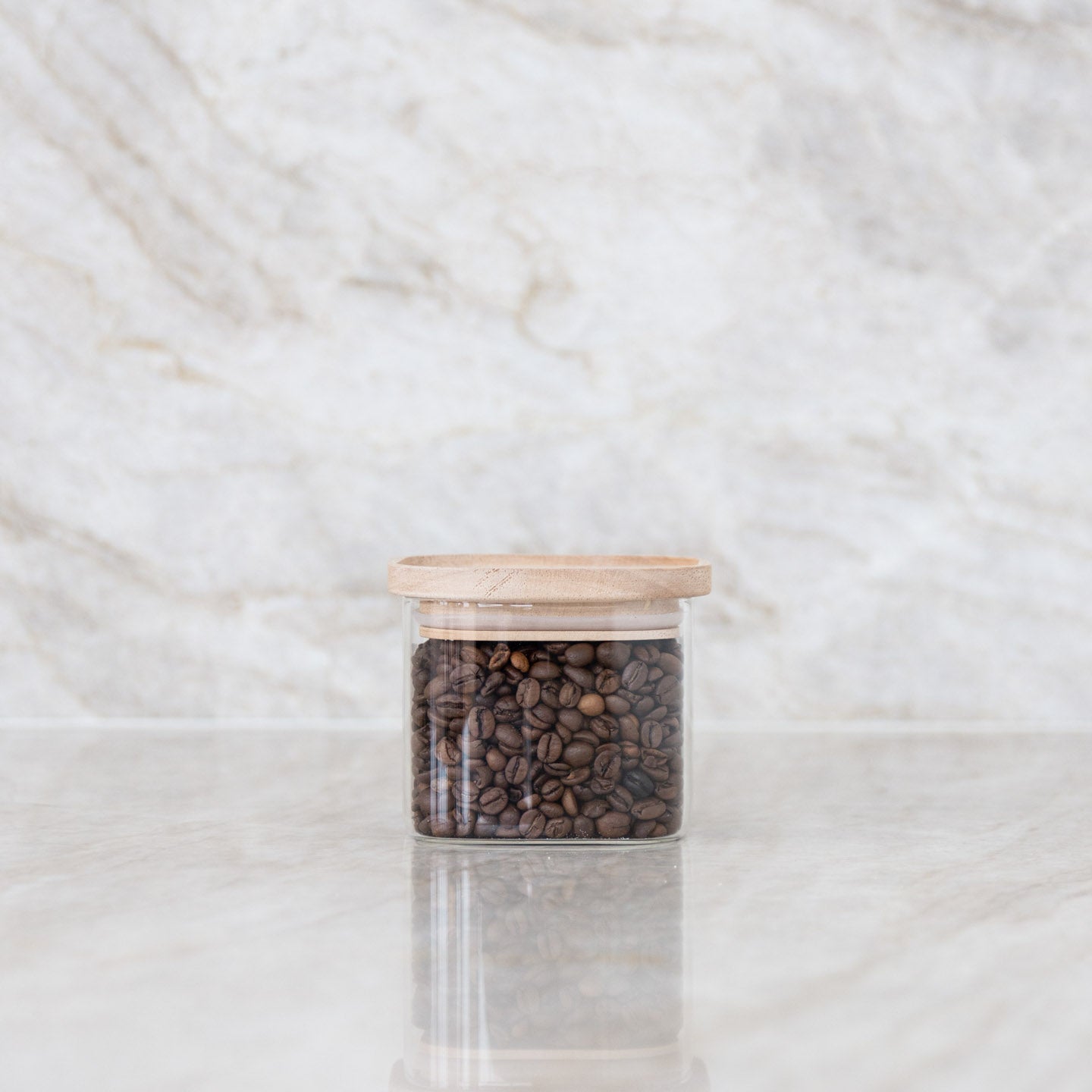
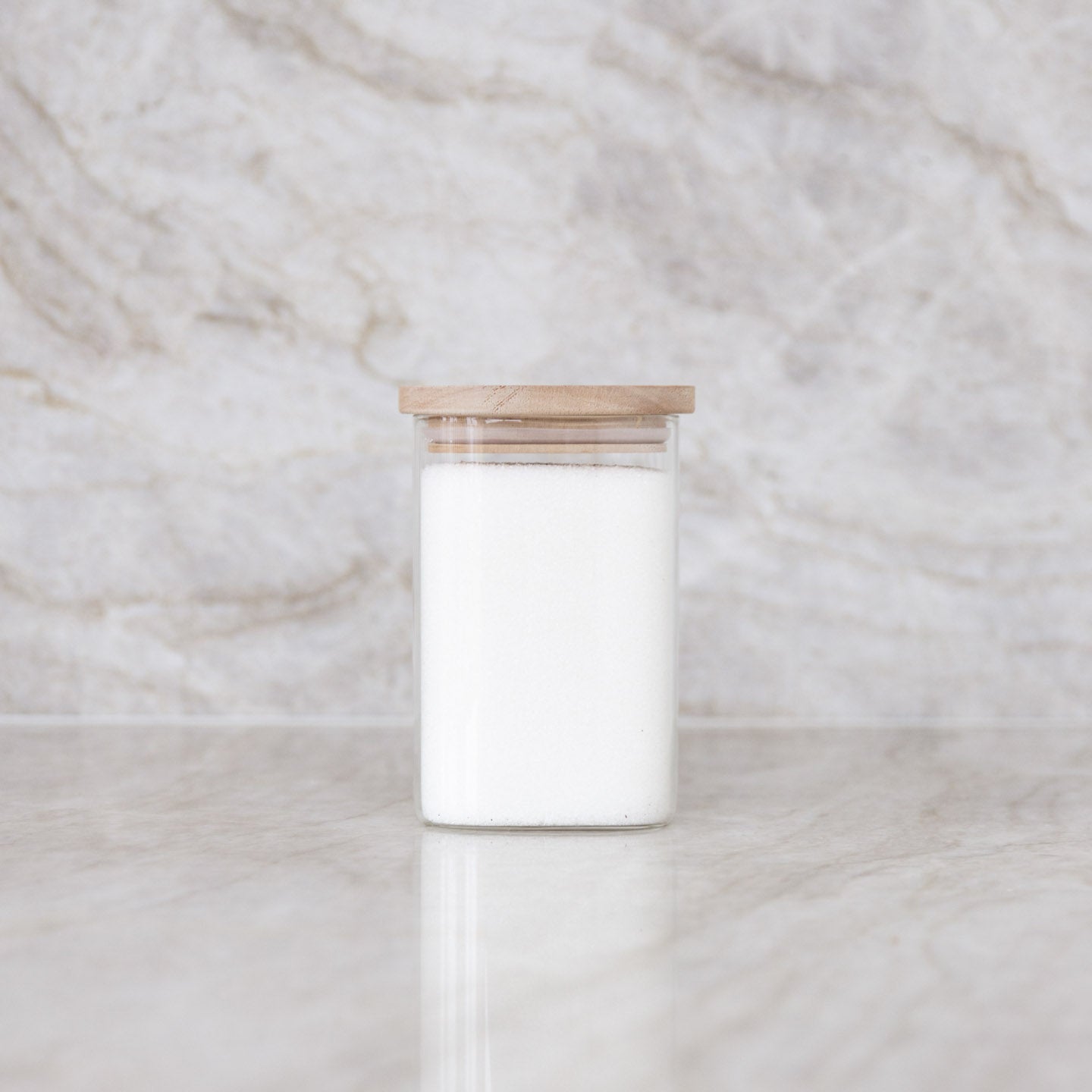
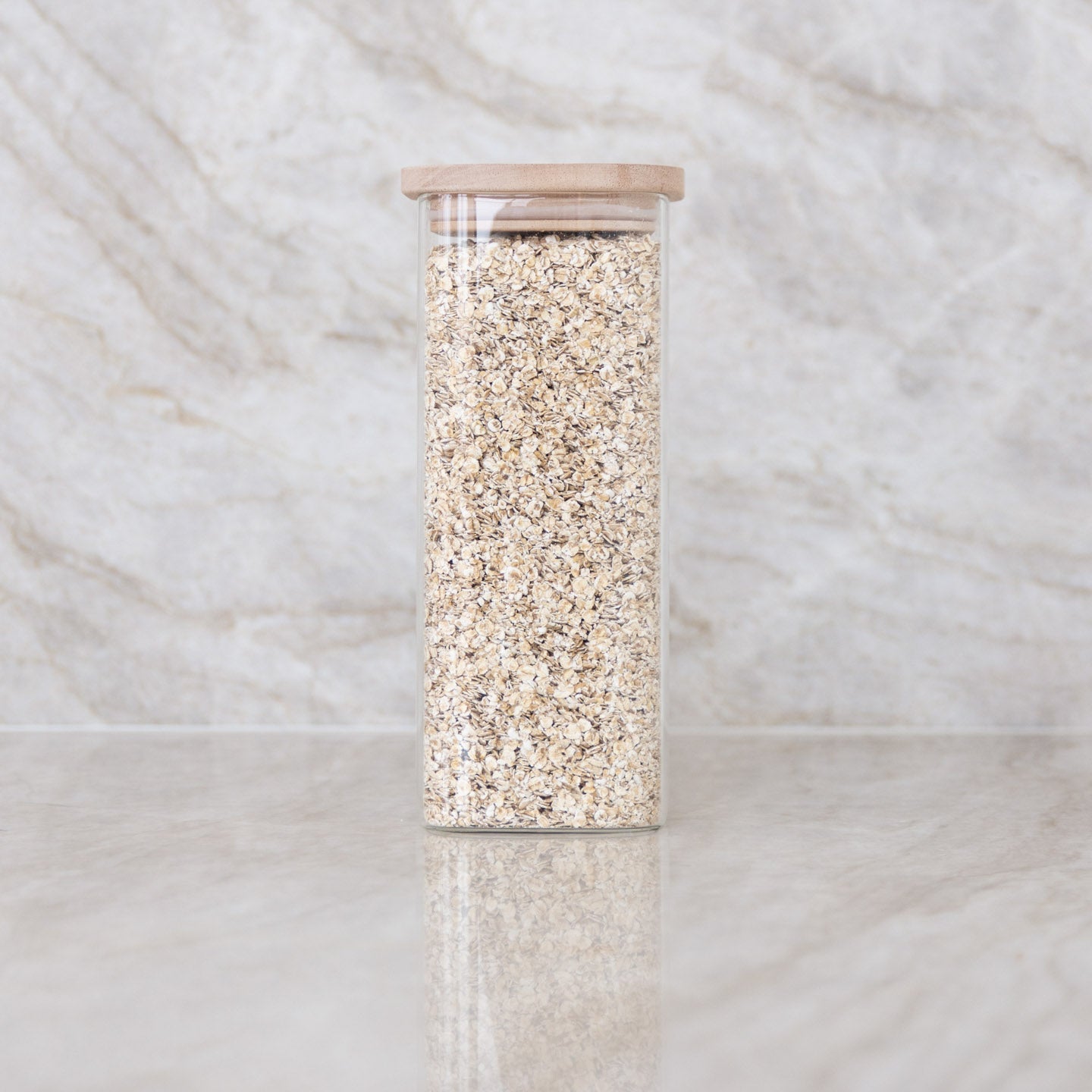
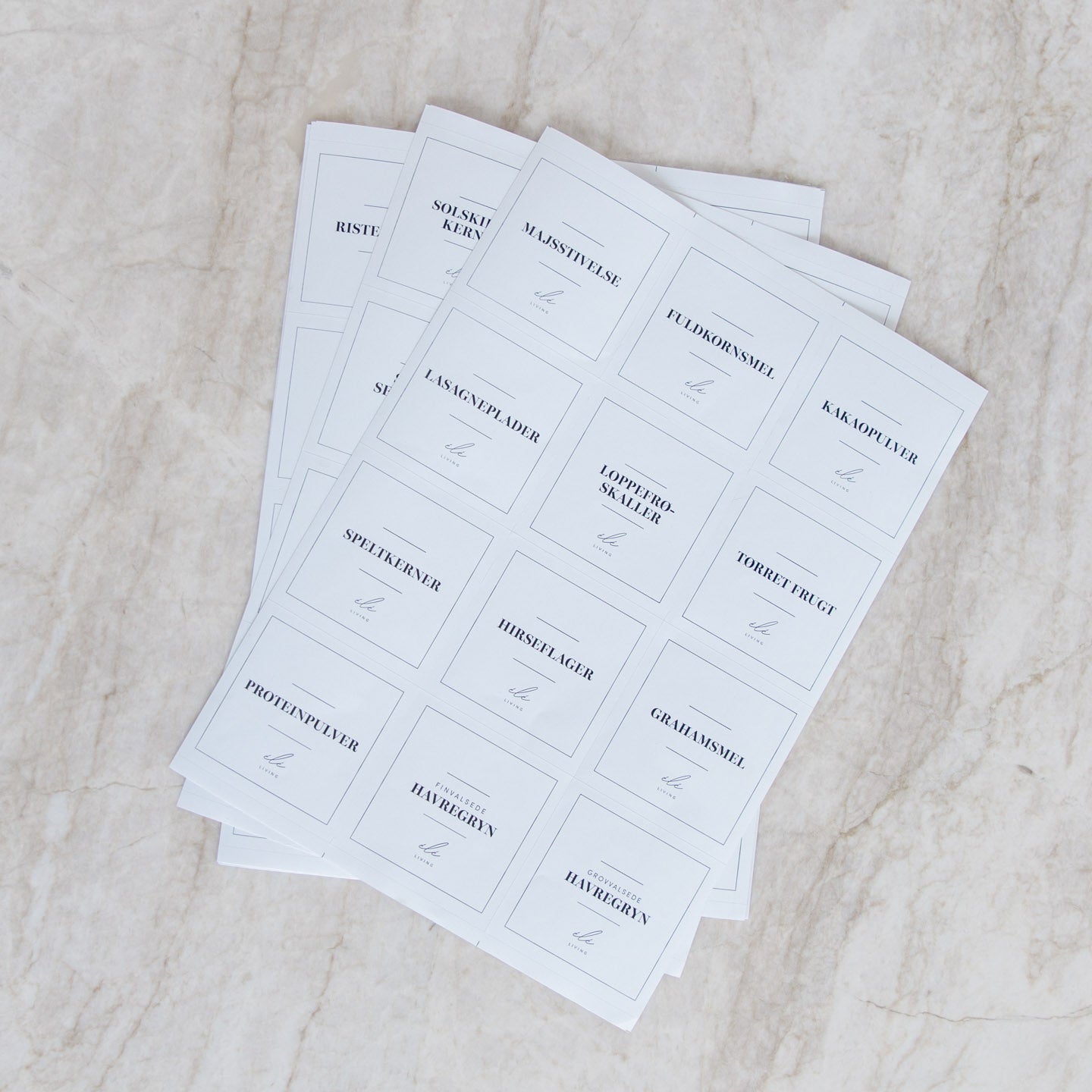
Storage jars create a calm look in the cabinet and help you keep track of flour, oats, rice, pasta, and nuts. The square versions make efficient use of shelf space and make quantities easy to read. Jars with lids protect the contents from dust and pests, and uniform rows of jars create visual balance. Place the most frequently used dry goods at the front and group baking items at the top or in a dedicated zone to make everyday life run smoothly.
Package solutions for an easy start
If you want to get started quickly, you can choose package solutions with selected boxes, containers, or refrigerator packages. Start in an manageable area—for example, the refrigerator—and build from there. Repeat the same sizes and materials to maintain a simple, minimalist look that is easy to maintain. Think in terms of routines: create a “grab-and-go” zone for snacks, a dedicated place for the week’s lunches, and a box for food that should be used first.
Spice jars and drawer organization
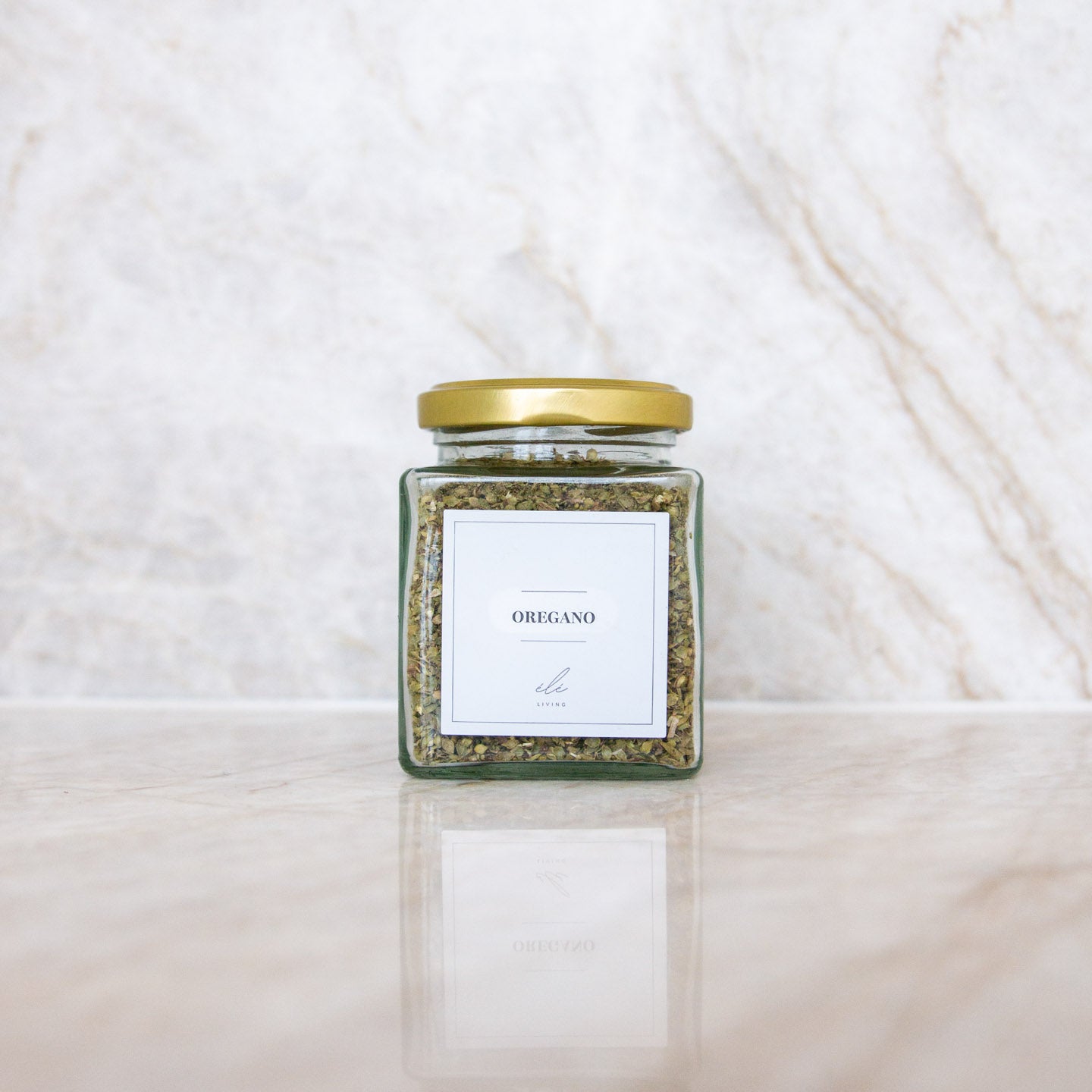
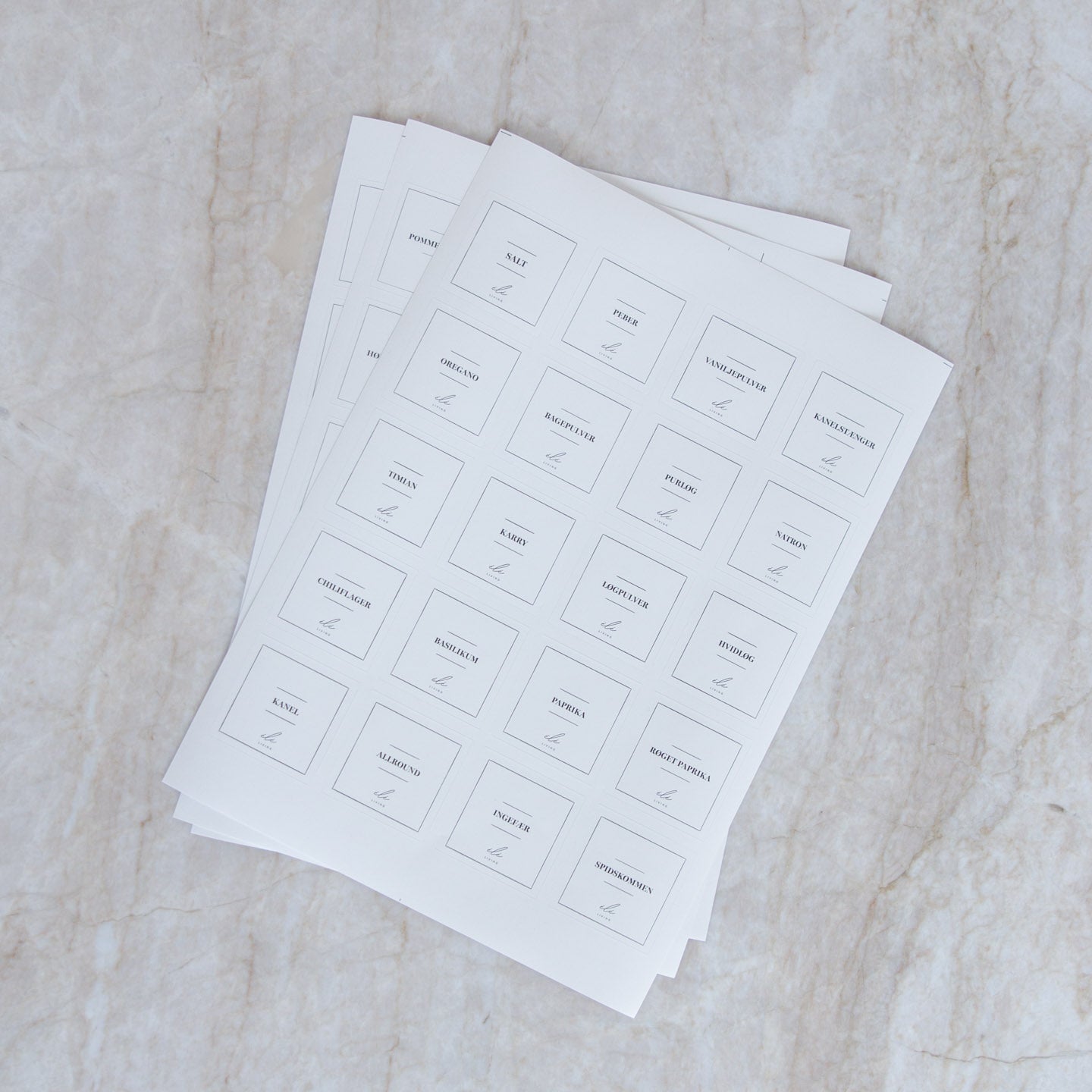
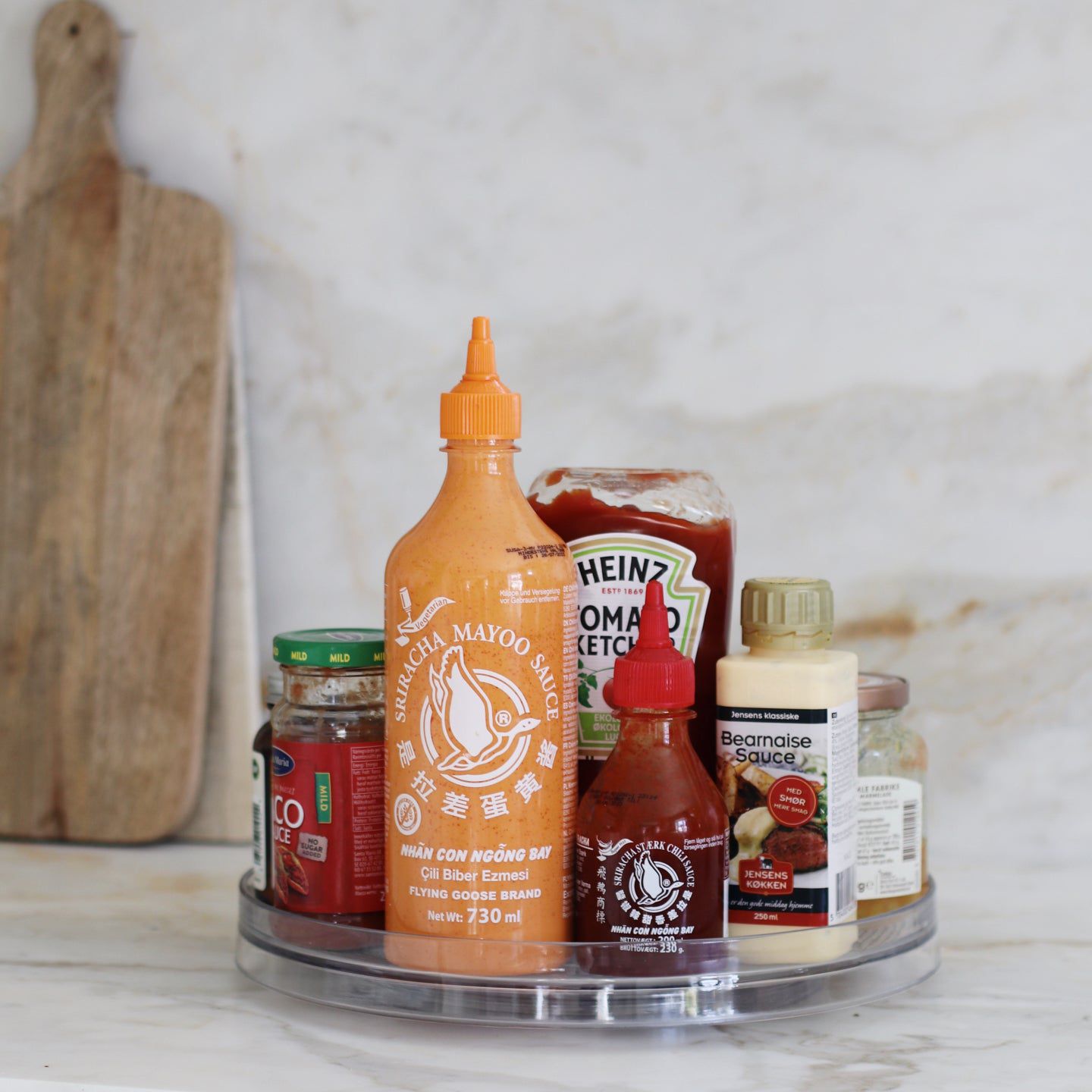
A uniform set of spice jars in the drawer or on a shelf creates clarity, so you can quickly find what you need for cooking. Group the spices you use most near the stove and place less frequently used varieties further away. Consider adding a small turntable in the cabinet if you store spices vertically—it provides easy access to the entire row.
When food storage is well thought out, the kitchen feels calmer, and the energy in the room supports your daily habits. Stick to a simple system, repeat sizes, and create dedicated zones. This makes it easy to restock, use what you have, and maintain harmony in everyday life.