
Do toys quickly spread across the floor, even if you just tidied up? You're not alone. A child's room needs to accommodate play, relaxation, clothes, and big ideas, which is why it can quickly feel difficult to keep track of everything. With the right storage in the child's room, you can create designated spots that are easy for both you and your child to use.
It's not about a perfect child's room. It's about creating a calm environment where there's room to play, find favourite things, and tidy up again without a major struggle. Small, simple systems bring peace to the room and more energy to everyday life.
How do you create good storage in a child's room?
Start by considering what the room actually needs to be able to do. Many children's rooms function as a bedroom, playroom, and wardrobe. When each part of daily life has its own zone, it becomes easier to maintain a good flow of energy.
You don't have to buy or change everything at once. Begin with the category that most often ends up on the floor. This could be blocks, soft toys, drawing materials, or dress-up clothes. Then find a solution that fits the quantity and the child's height.
- Create a play zone with boxes for the types of toys used most often.
- Create a calm zone by the bed for books, pyjamas, and the favourite soft toy.
- Create a clothing zone where clean clothes and small accessories have designated spots.
- Keep the floor as clear as possible to allow space for play and movement.
When you decorate with a few clear categories, your child doesn't need to remember a complicated system. It's often enough that dolls live in one place, building sets in another, and creative materials in a drawer.
Which storage solutions are suitable for toys?
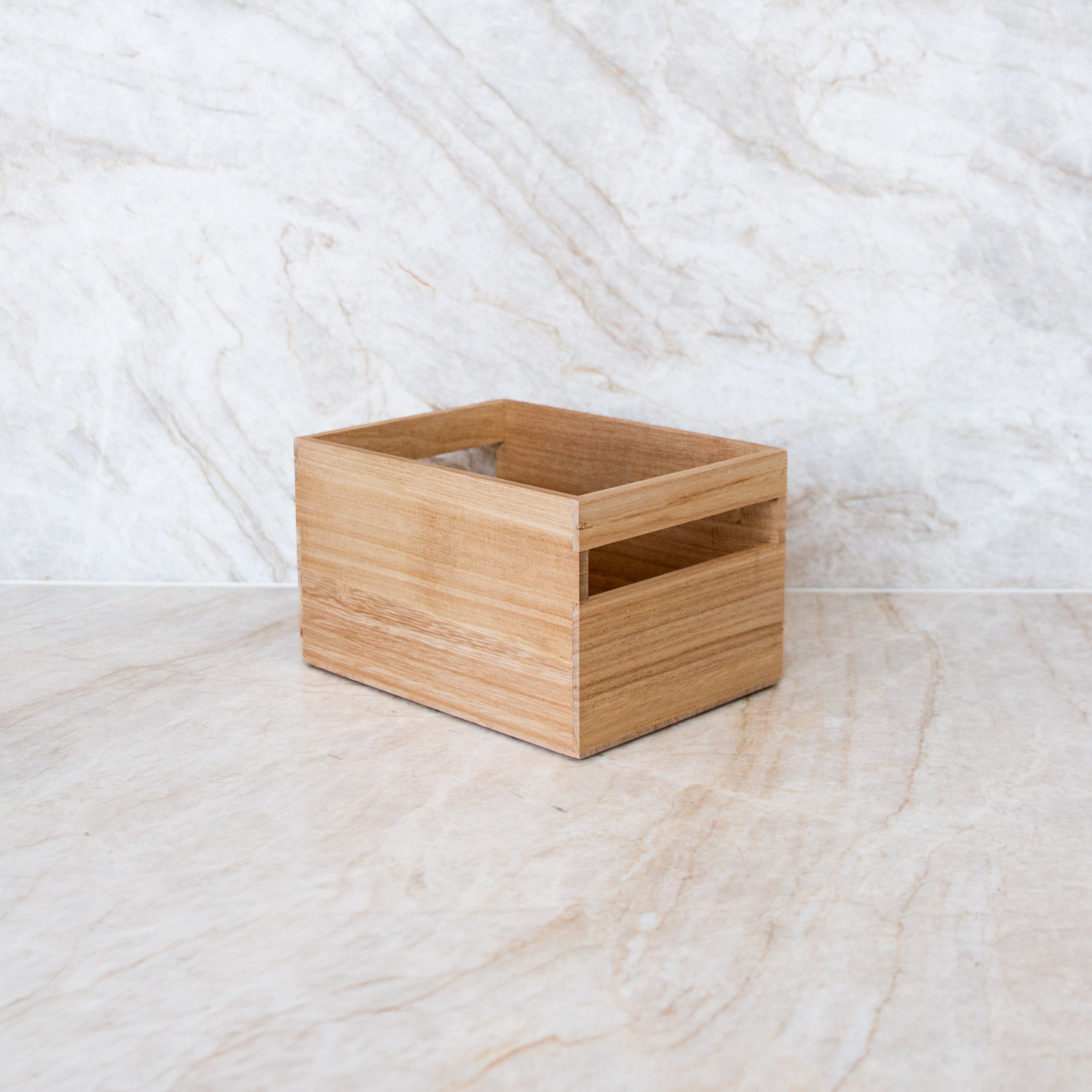
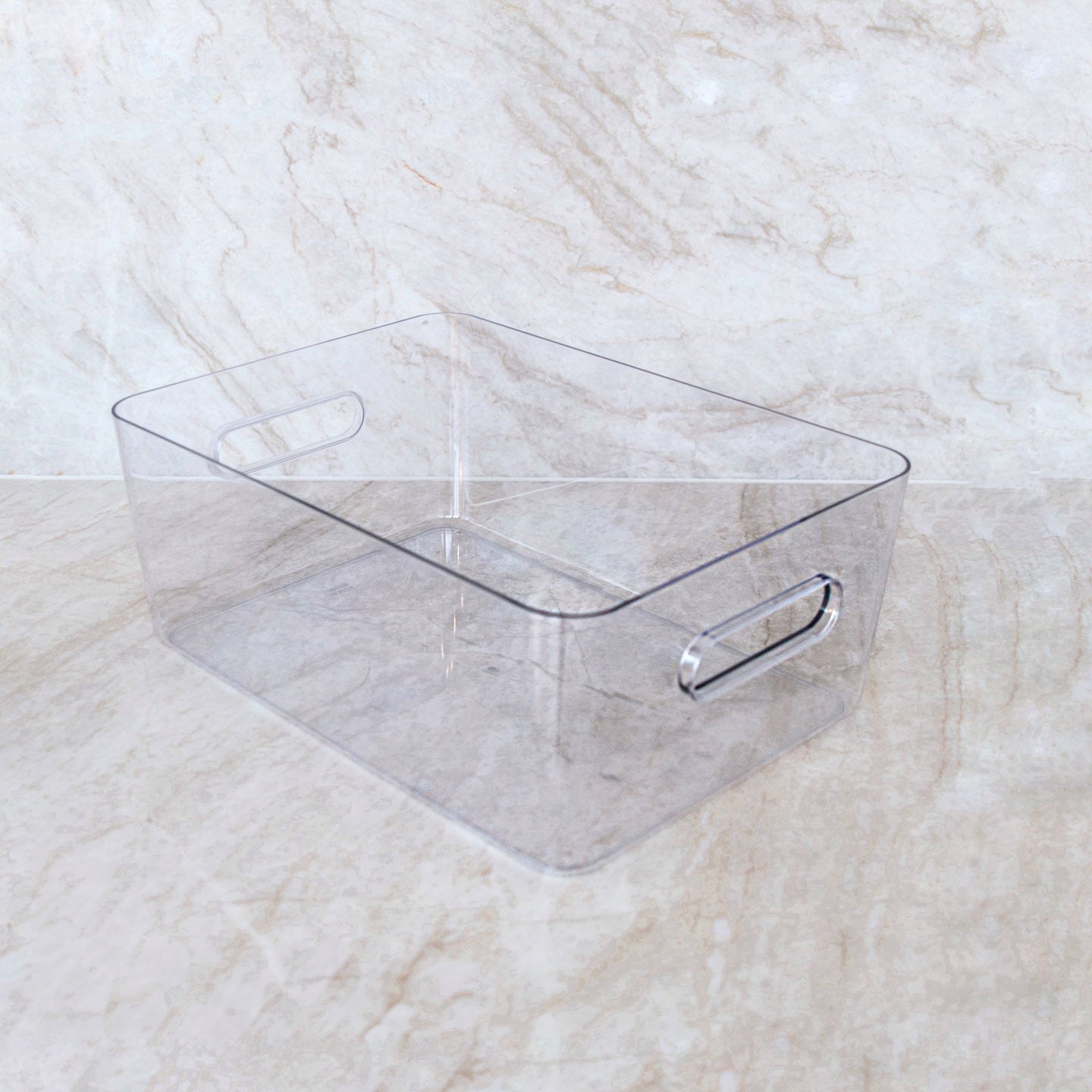
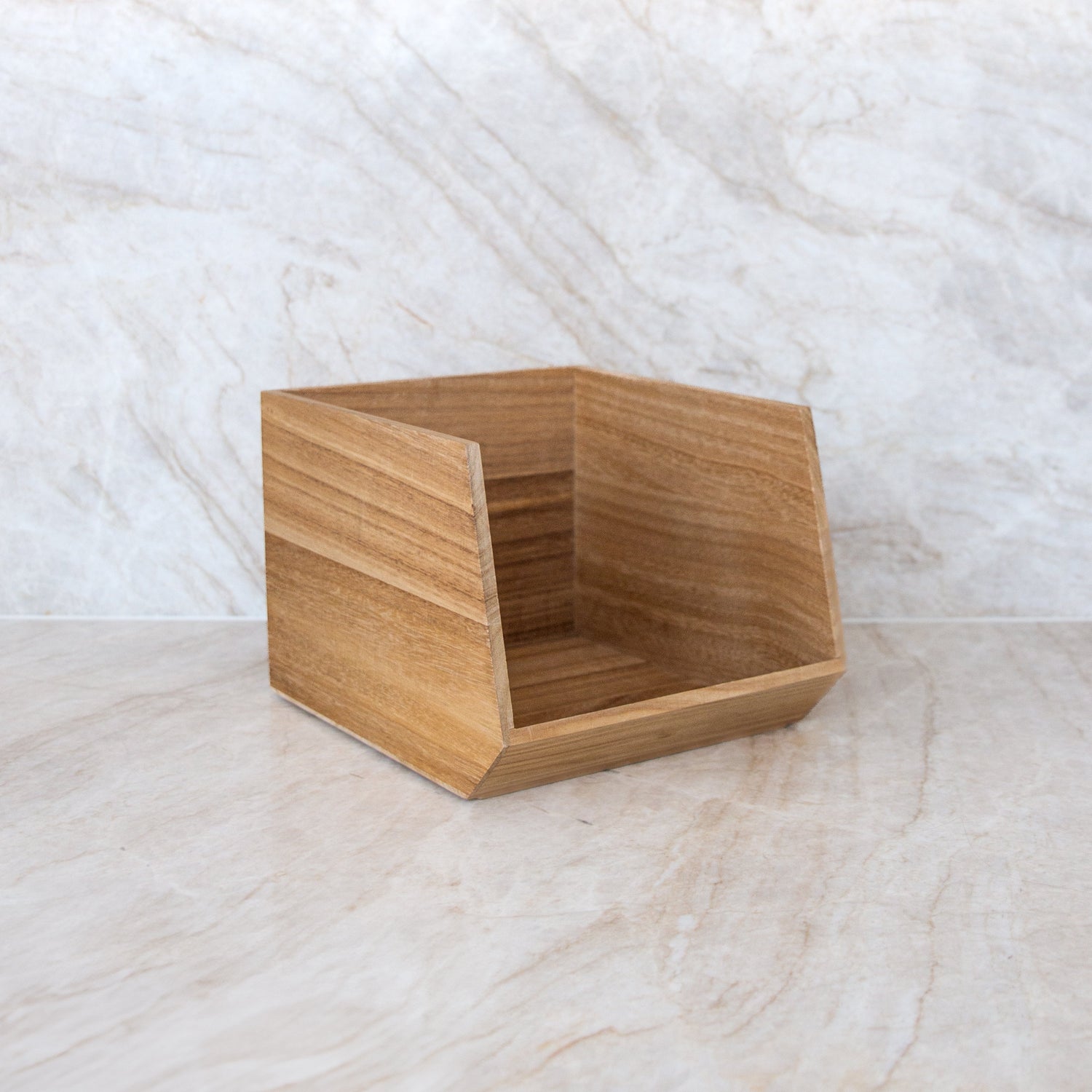
Toys are easiest to tidy up when the storage is simple to open and survey. Boxes of different sizes make it possible to collect similar types of toys without everything ending up in one big pile. An open-front wooden box, for example, can give a warm and calm expression and make it easy to see what's in the box.
Feel free to use the bottom shelves and boxes for your child's own things. This way, the child can take out and put away toys themselves. Things used less frequently can be placed higher up or hidden away so the room doesn't feel cluttered.
Soft items like stuffed animals, dress-up clothes, and blankets can have a more flexible solution. A fabric storage box is great for things that should be close at hand but don't need to be on display all the time.
How to organize small items in drawers and cupboards
Small figures, hair accessories, drawing supplies, and socks quickly disappear in a large drawer. Here, drawer dividers can make a noticeable difference. When each small category gets its own space, it becomes easier to find what you're looking for and easier to put it back.
A drawer organizer with dividers can be used to create a calm order in the chest of drawers. It's well-suited for small parts that would otherwise quickly get mixed up. You don't just get a neater look. You also bring a little more structure to everyday life.
- Take everything out of the drawer you want to organize.
- Sort into a few groups, for example, drawing supplies, hair accessories, and small figures.
- Only choose the items that should have a place in the drawer.
- Distribute the groups into their own compartments and give the rest another designated spot.
It's completely normal for a child's room to get messy during the day. Mess on its way back to its place is part of a lively home. But when everything has a designated spot, tidying up becomes quicker and much more manageable.
How do you make space for clothes in a small child's room?
In a smaller child's room, it's a good idea to utilize vertical space. Hanging storage can provide extra room in the wardrobe for clothes, socks, accessories, or small textiles. With hanging storage in the wardrobe, you can combine several categories in one place and make the shelves more organized.
Also, regularly review what is still being used. Clothes the child has outgrown and toys no longer of interest can take up unnecessary space. When you only keep what has a function or brings joy, there will automatically be more air in the room. It's aesthetics for the soul and a simple path to a simple lifestyle.
Make tidying up part of everyday life
A good system only truly works when it's easy to maintain. Therefore, three clear boxes are better than ten small categories that no one can remember. Involve the child in deciding where the most used items should live. This creates ownership and makes tidying up more natural.
Try to end the day with a short joint tidying session. You don't have to make everything perfect. The most important thing is that the floor is clear and that the largest items are returned to their designated places. This small routine can bring more peace to both the room and the rest of the home.
Frequently Asked Questions
What is the best storage for a child's room?
The best solution is one that the child can use themselves. Choose simple boxes, drawer dividers, and storage at a height where the child can reach the most used toys.
How do I get my child to tidy up?
Make the system simple and clear. When toys are divided into a few categories with designated spots, it becomes much easier for the child to know where things belong.
How do I organize a small child's room?
Utilize drawers, cupboards, and vertical space in the wardrobe, and keep the floor as clear as possible. Choose solutions that combine several items in a small space, and store less used items away.
How often should I declutter a child's room?
Declutter when the room starts to feel cluttered, or when the child no longer uses certain items. A small review at a time is often enough to maintain an overview.