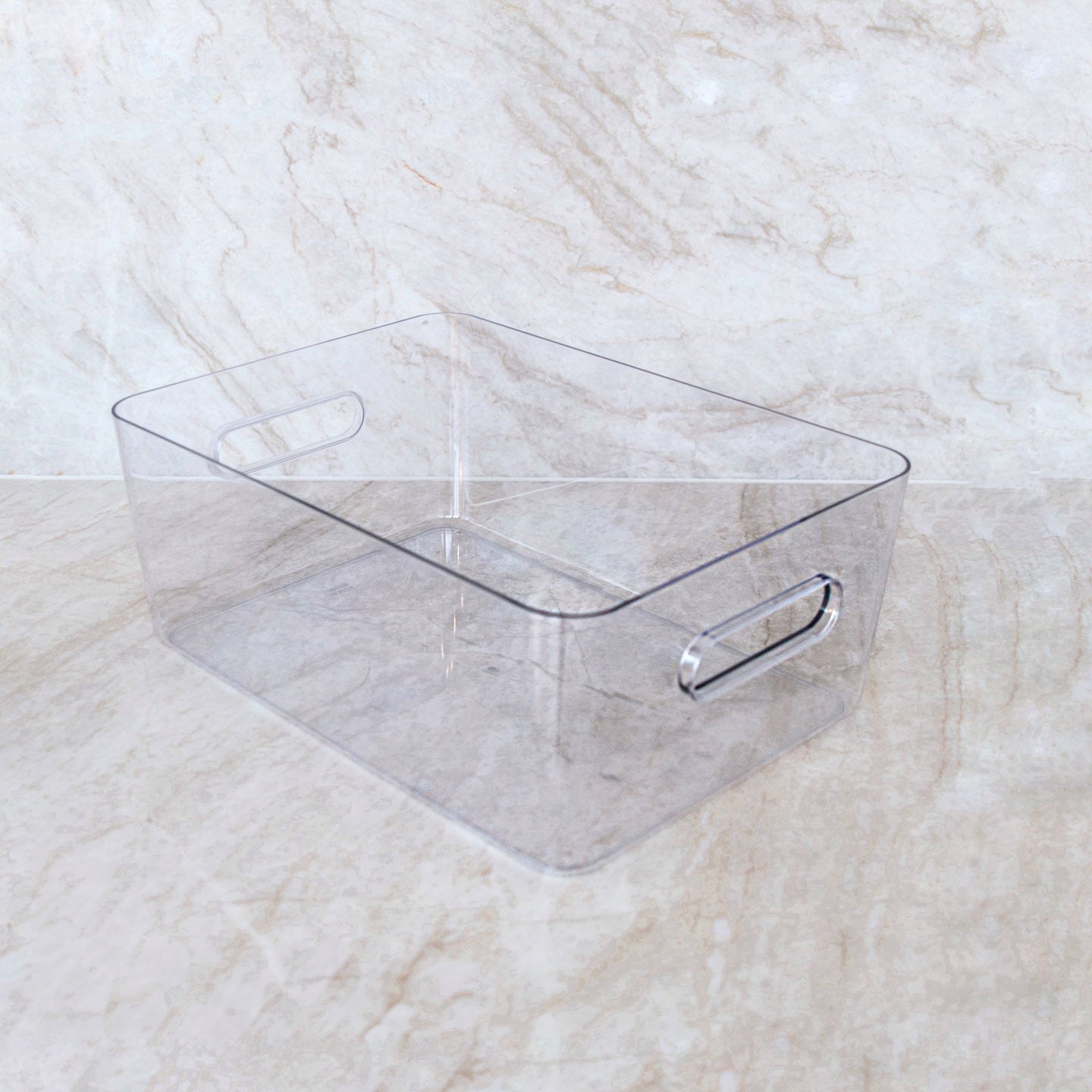

Have you also stepped on a brick on your way through the living room? You are not alone. Lego storage isn't about hiding the play away, but about giving bricks, figures, and half-finished constructions a permanent place. When it's easy to find what you need, it also becomes easier to tidy up again.
With a simple system, you'll have more peace around playtime and more overview in everyday life. It's a small part of a simple lifestyle where the home can still be lively, but where clutter isn't allowed to take over.
How do you organize Lego storage?
Start by keeping it simple. You don't need to sort every single brick by color or size from the beginning. The most important thing is that the system suits the way play happens in your home.
Begin by gathering all the bricks in one place. Then sort them into a few manageable groups so that both children and adults can find their way around them. For example, this could be large building bricks, small parts, minifigures, wheels, and special parts for current projects.
- Create one box for the bricks that are used most often.
- Keep figures and small special parts together so they don't get lost among the larger bricks.
- Give a half-finished construction its own place so it can remain assembled for the next play session.
- Store bricks that are rarely used a little further away, but still together.
It doesn't have to look perfect. A system works best when it's so easy to use that everyone in the home can put the bricks back without help.
Which boxes are good for Lego bricks?
Good boxes for Lego storage primarily depend on the quantity of bricks and where the play takes place. In the living room, you can choose solutions that blend calmly into the decor, while a playroom often has space for more boxes and clearer divisions.
A white medium storage box is a good starting point for a collected pile of bricks or for a specific type of part. The uniform look creates visual calm, even when the box is displayed on a shelf or in a cupboard.
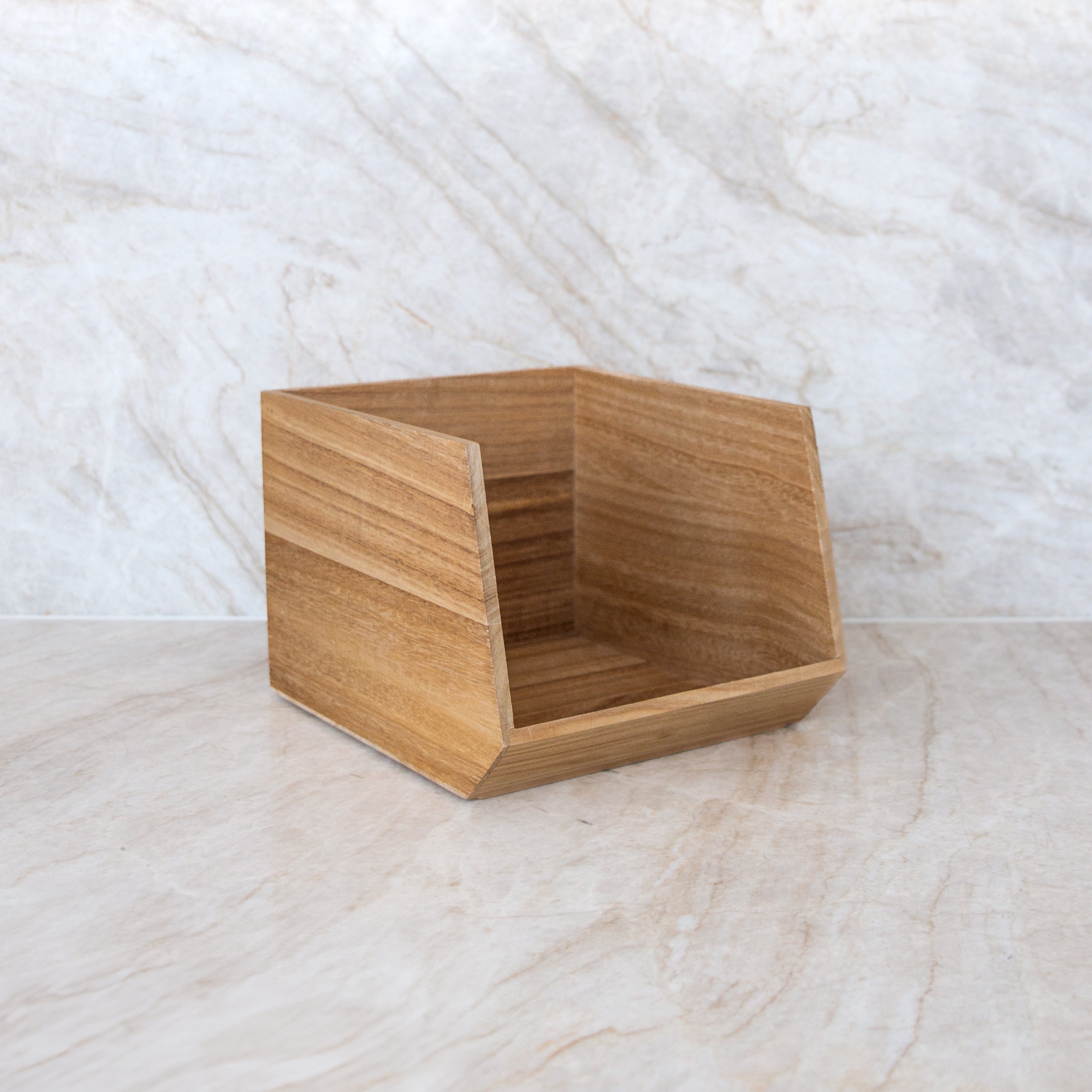
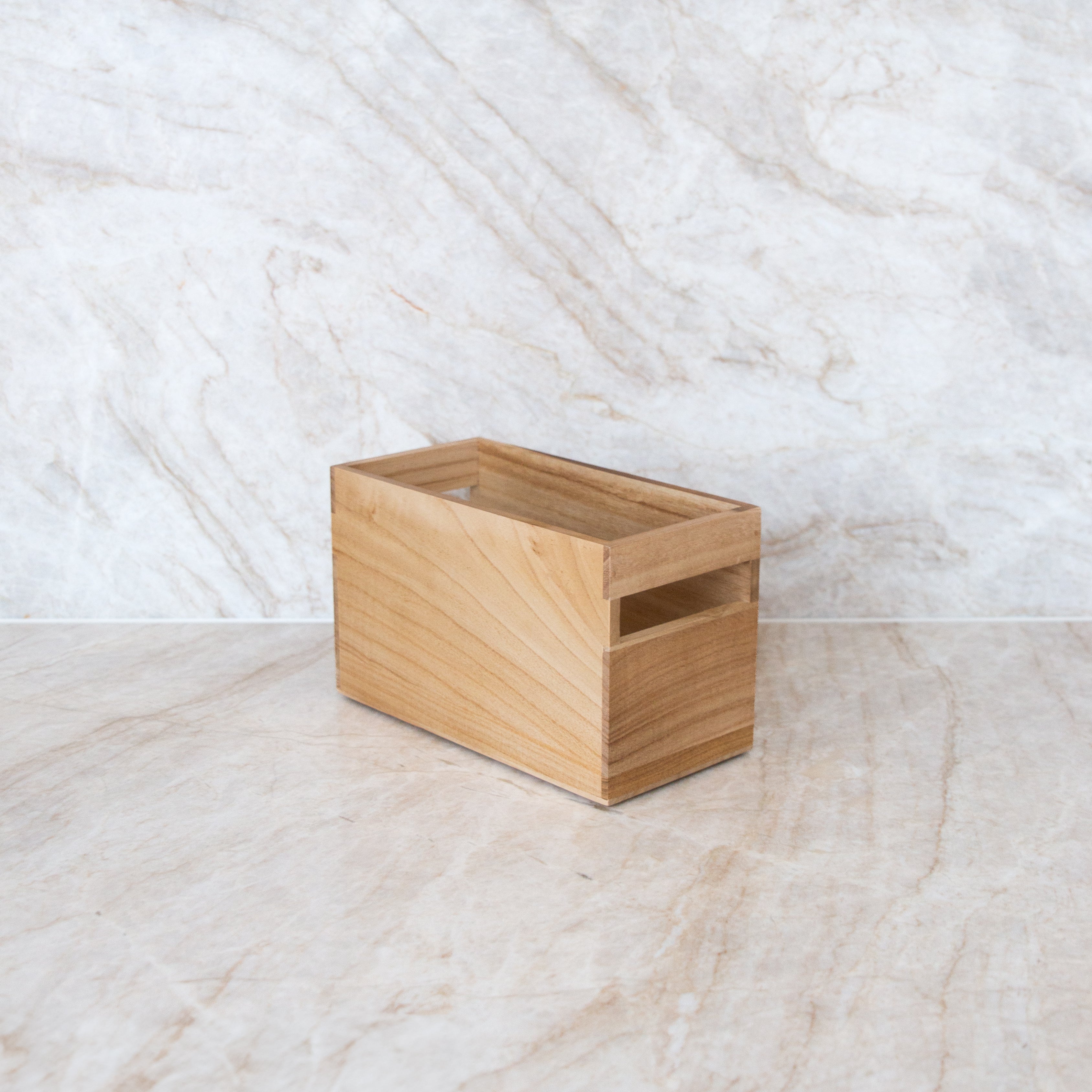
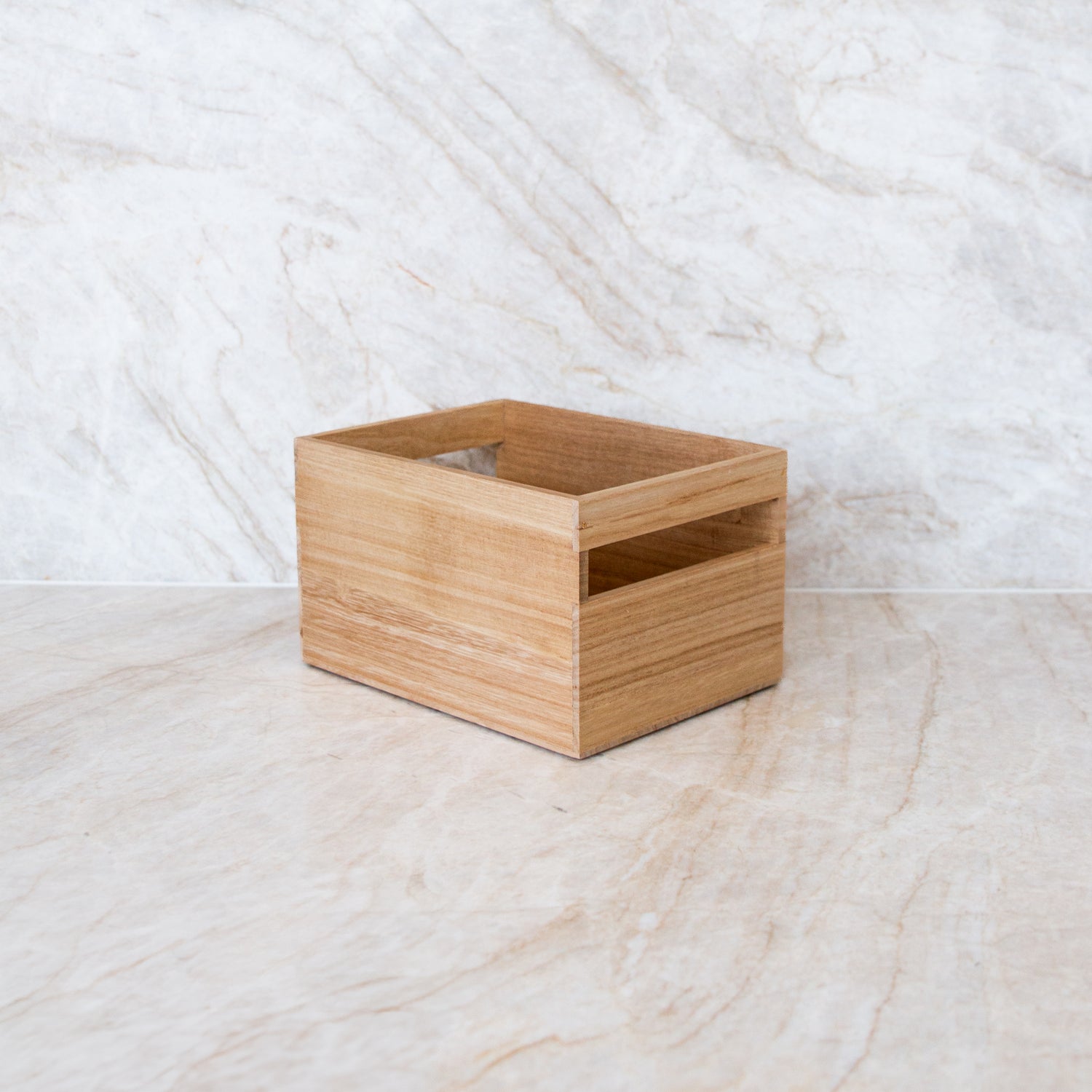
If you want the most used bricks close at hand, a wide wooden box in light wood can be a natural part of the decor. Wood provides a warm and calm expression and fits well into a home where storage should be both practical and aesthetically pleasing.
For smaller collections, figures, or parts for the current construction project, a low fabric storage box can make it easy to keep the project together. It can be left out during play and given a permanent place when calm needs to be restored.
Should Lego be sorted by color or type?
The short answer is: Choose the solution that makes play easiest. Some children find a specific brick fastest when colors are sorted. Others prefer to gather all wheels, figures, or flat plates in their own box.
If you have many bricks, it's often best to start with type. This way, you avoid a large system that becomes too time-consuming to maintain. Once the basic division works, you can always further subdivide one category later.
- Start broadly. First, divide the bricks into large groups such as ordinary bricks, figures, and special parts.
- Observe play. Notice what is often searched for, and give those specific parts their own place.
- Adjust continuously. If a box is always too full, it's a sign that the group can be divided into two.
- Keep it manageable. Few categories that are used are better than many categories that no one can remember.
How to make tidying up after play easier
Good Lego storage should also work after a long afternoon of imagination and building projects. When the boxes have fixed places, everyone knows where they belong, and tidying up becomes a manageable conclusion rather than a big chore.
Try leaving one box out for the bricks currently in use. When play is over, the rest can be distributed back into their designated categories. If a construction needs to continue the next day, it can have its own quiet place instead of cluttering the floor or dining table.
- Place the most used boxes low so children can easily take them out and put them away themselves.
- Use the same type of storage in multiple places if you want to create a calm and uniform look.
- Go through the bricks occasionally and gather loose parts with their correct group.
- It's okay to have an active building project out when it has a clear designated space.
Clutter affects our well-being. It's as simple as that. But a home with children and play doesn't have to be strict and quiet to feel harmonious. When the bricks have fixed places, you make room for creativity, a good energy flow, and a little more surplus in everyday life.
Frequently Asked Questions
How do you store Lego in a small home?
Choose a few boxes in sizes that fit the space you have. Keep the most used bricks easily accessible, and give the rest a permanent place in a cupboard or on a shelf.
How do you avoid Lego on the floor?
Make tidying up easy by having a box close to the play area. The fewer steps there are from play to storage, the greater the chance that the bricks will be put away.
Is it best to sort Lego by color?
It depends on how play happens. It's good to start with large groups by type, and only sort by color if it makes more sense for you.
What do you do with half-finished Lego constructions?
Give them a permanent place in a shallow box or on a shelf, where the construction can wait until next time. This way, you maintain both an overview and the desire to continue building.