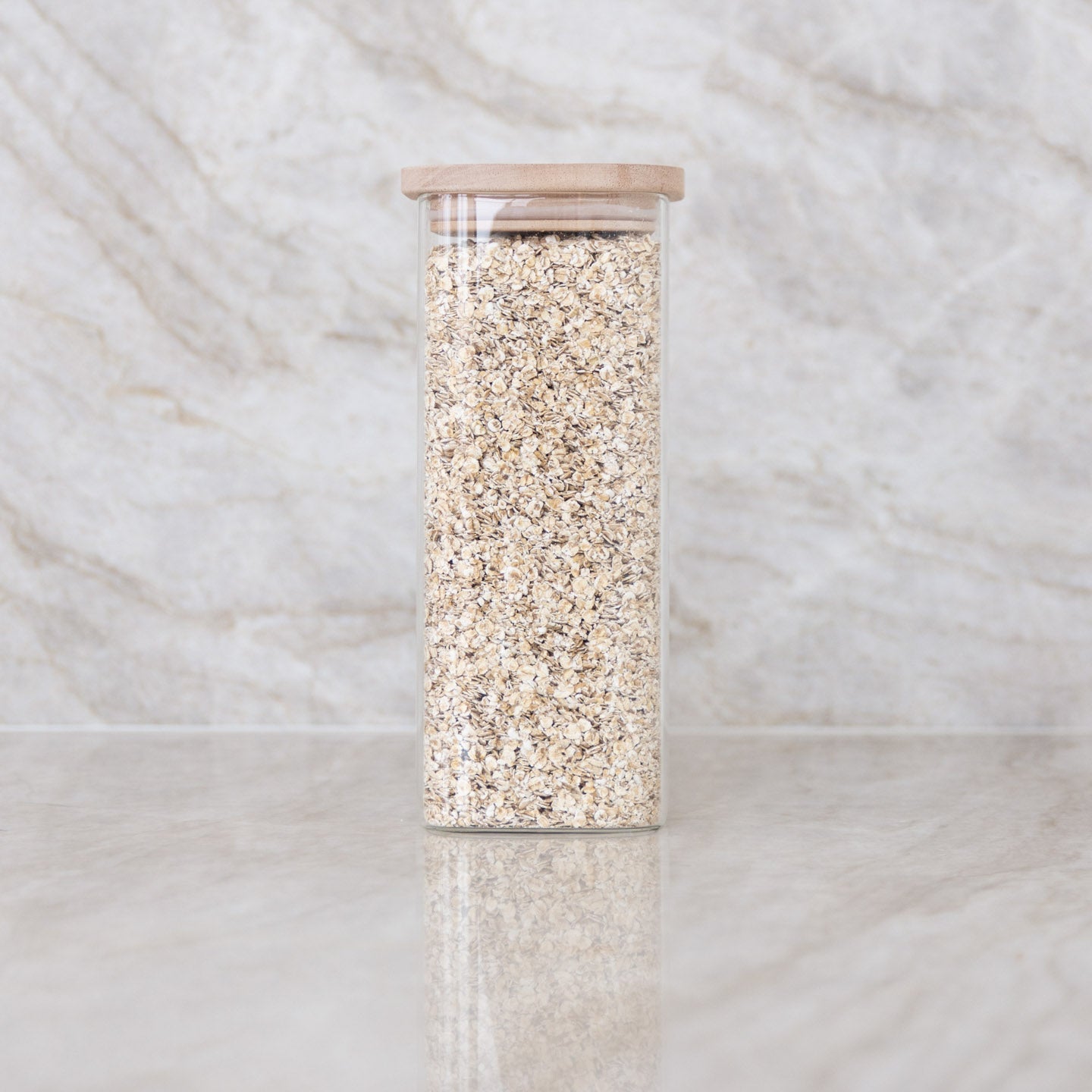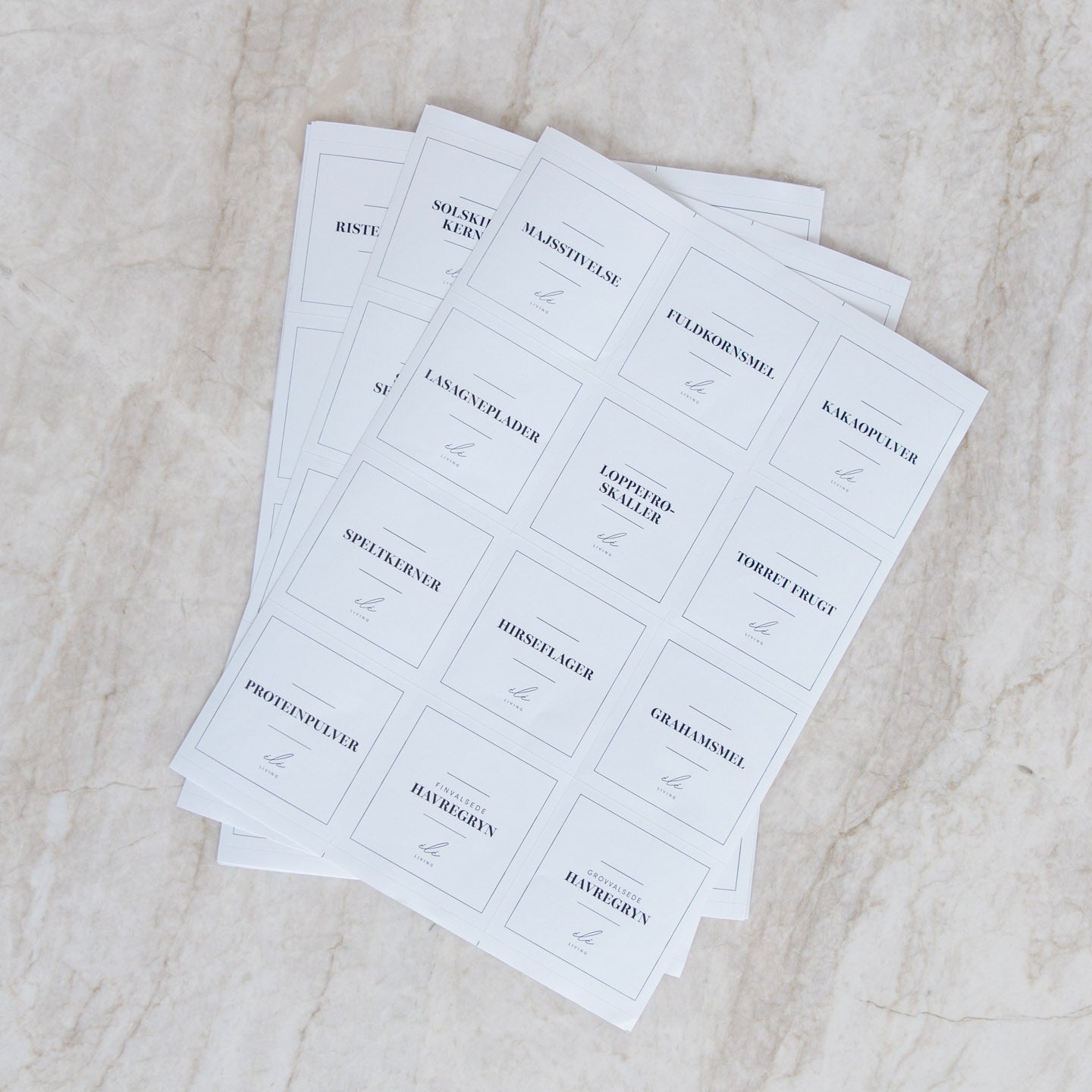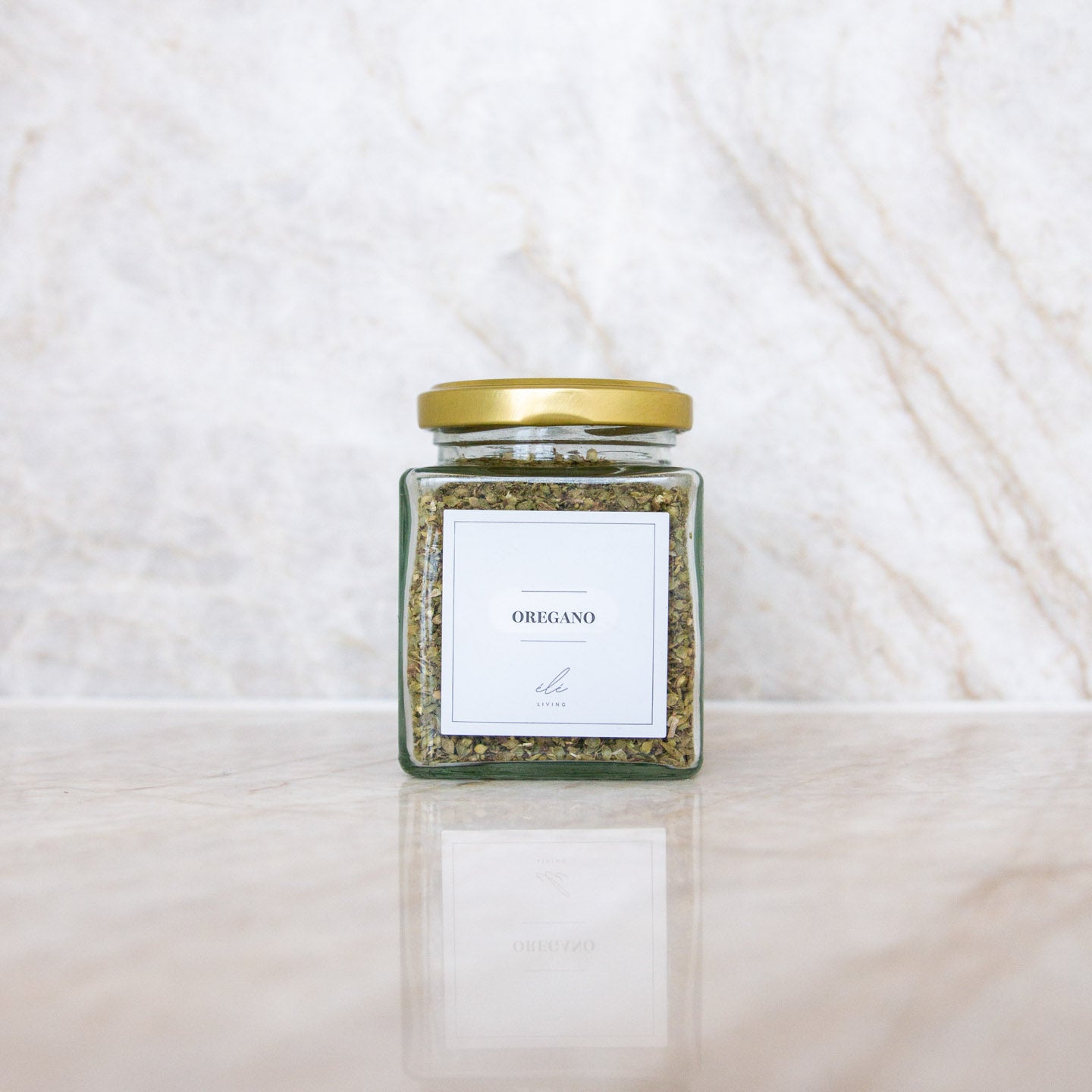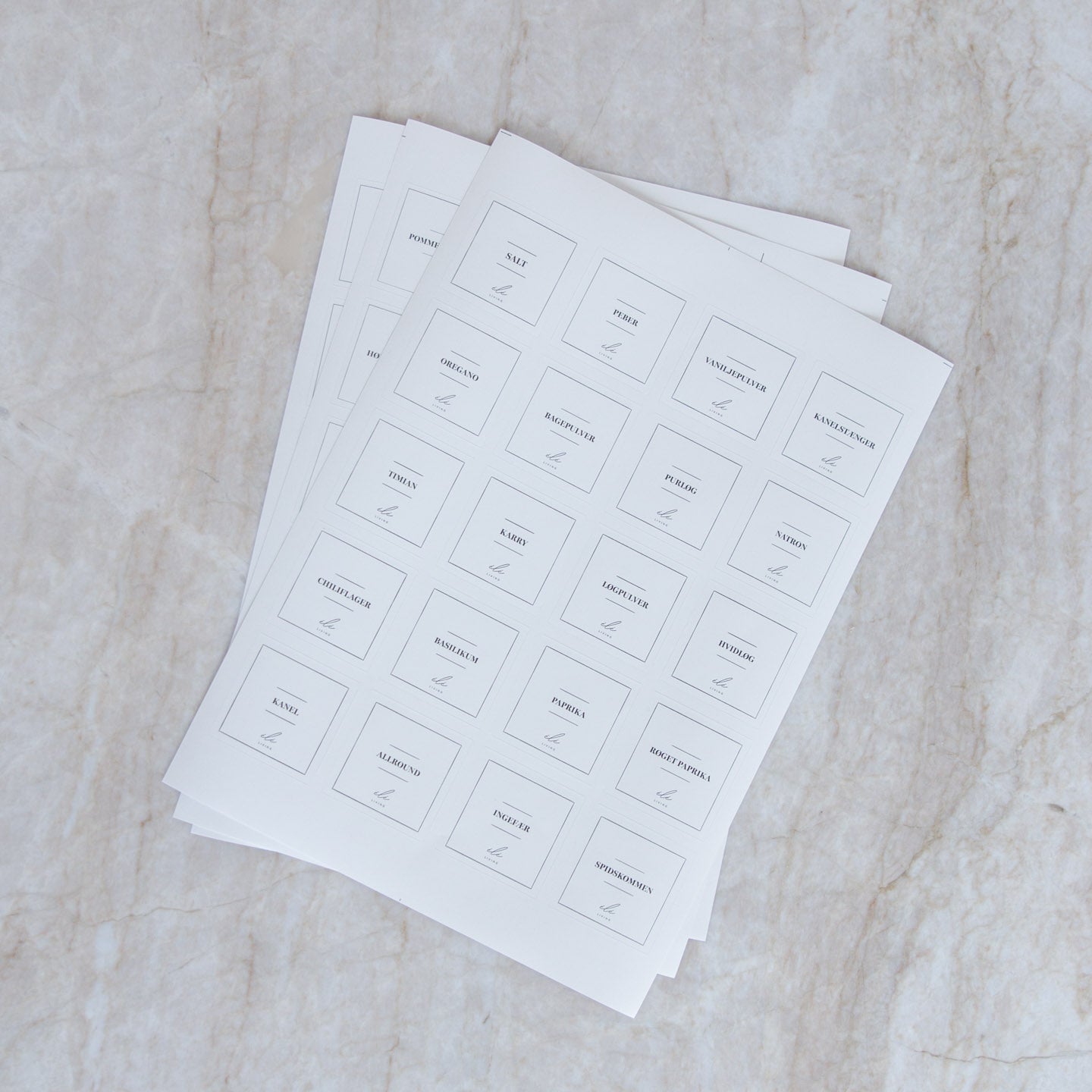

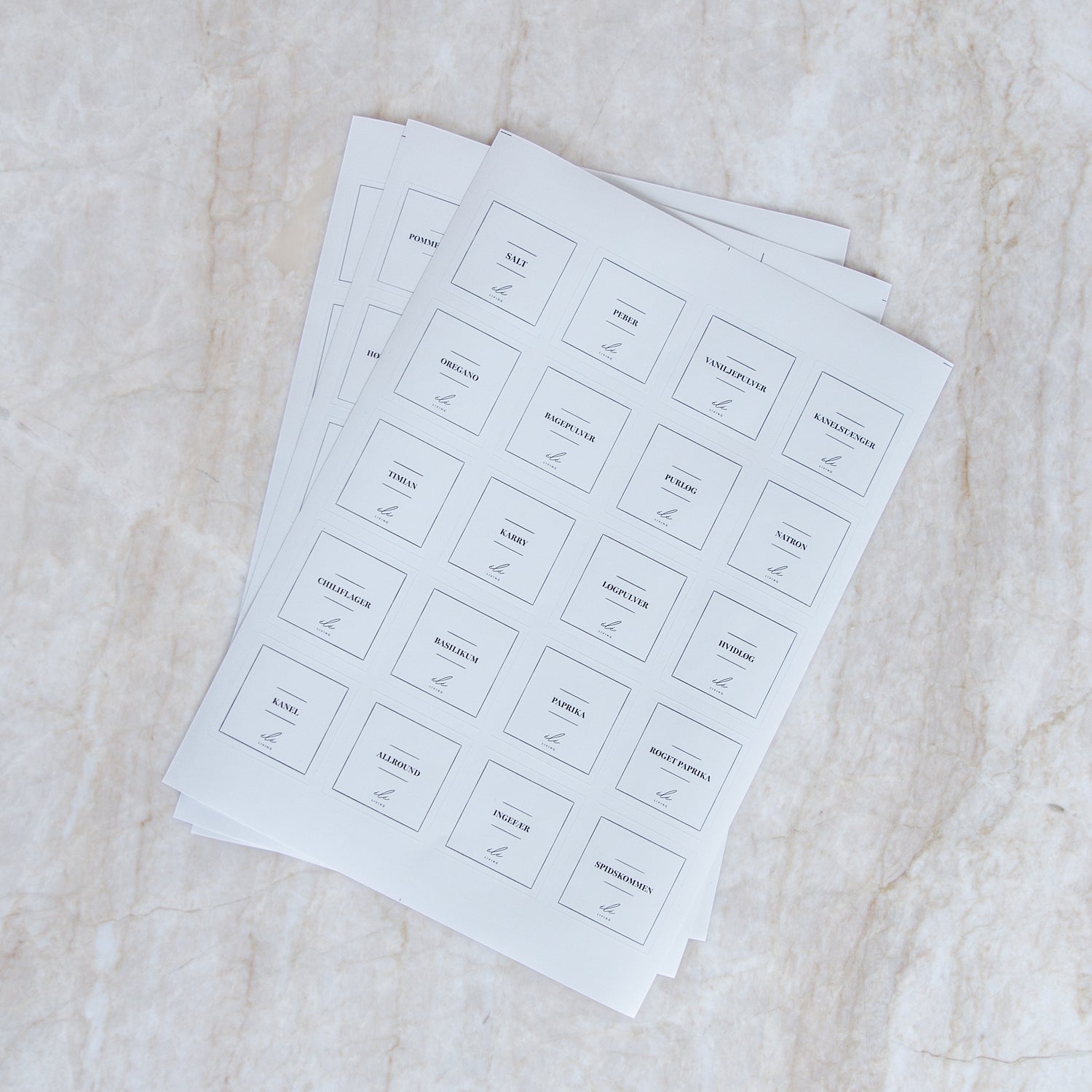
Spice labels make it quick to find what you need and help maintain a tidy, aesthetically pleasing kitchen. With consistent names on your jars, you avoid opening multiple containers to check contents, and you can easily see what needs refilling. Choose pre-made sets with common spice names to keep your jars uniform and easy to read. An obvious choice is spice labels that suit daily use and create a sense of calm in their appearance.
Spice jars with labels
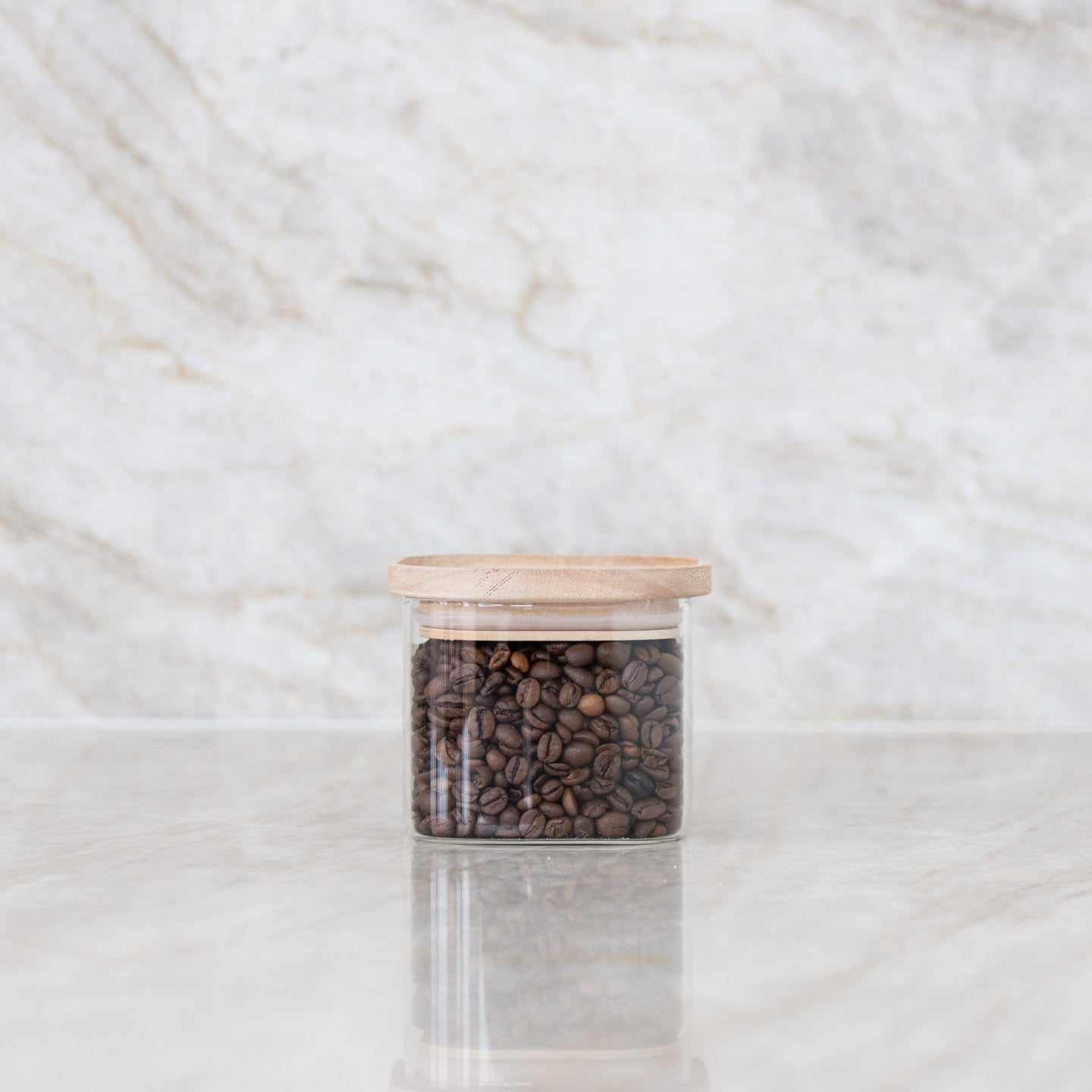
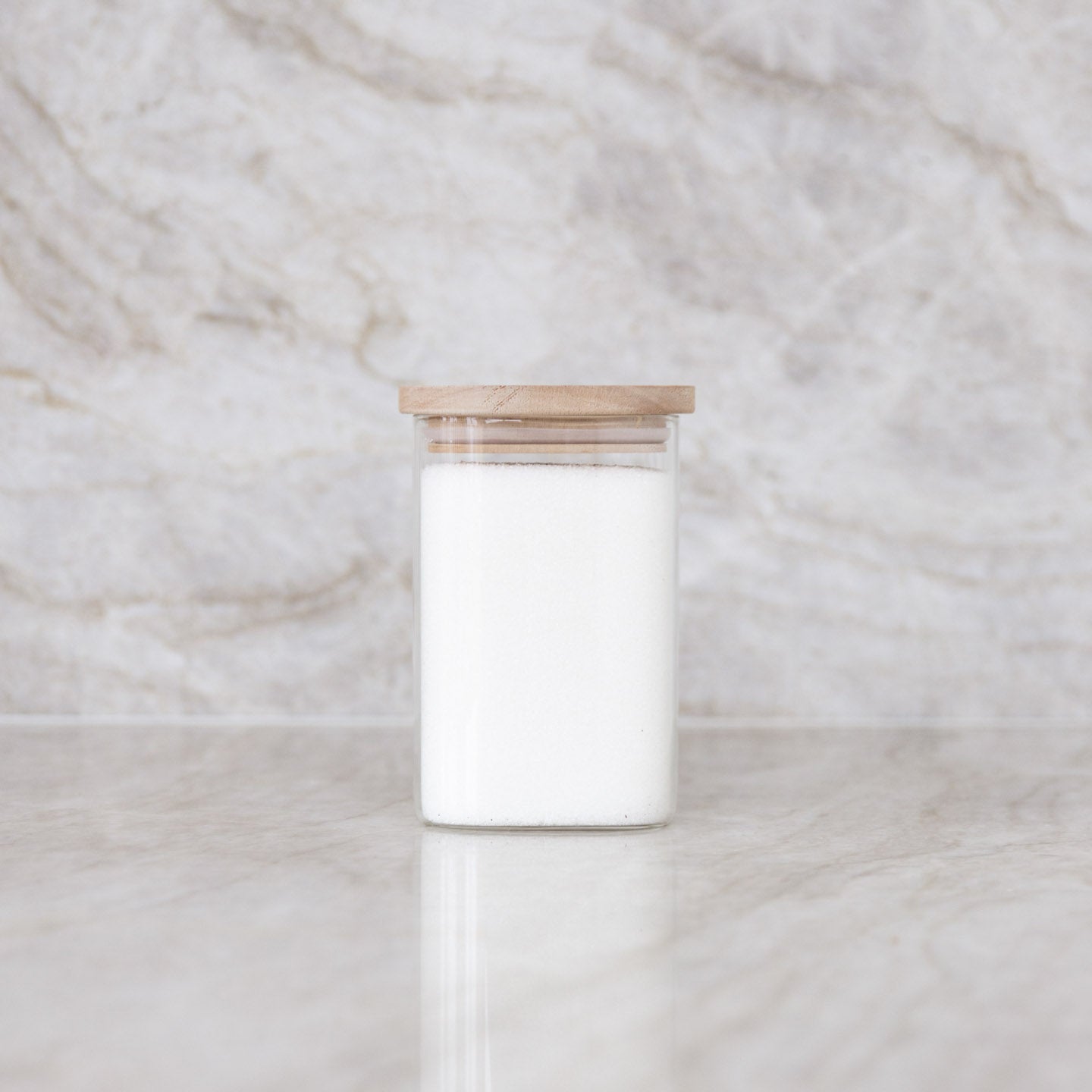
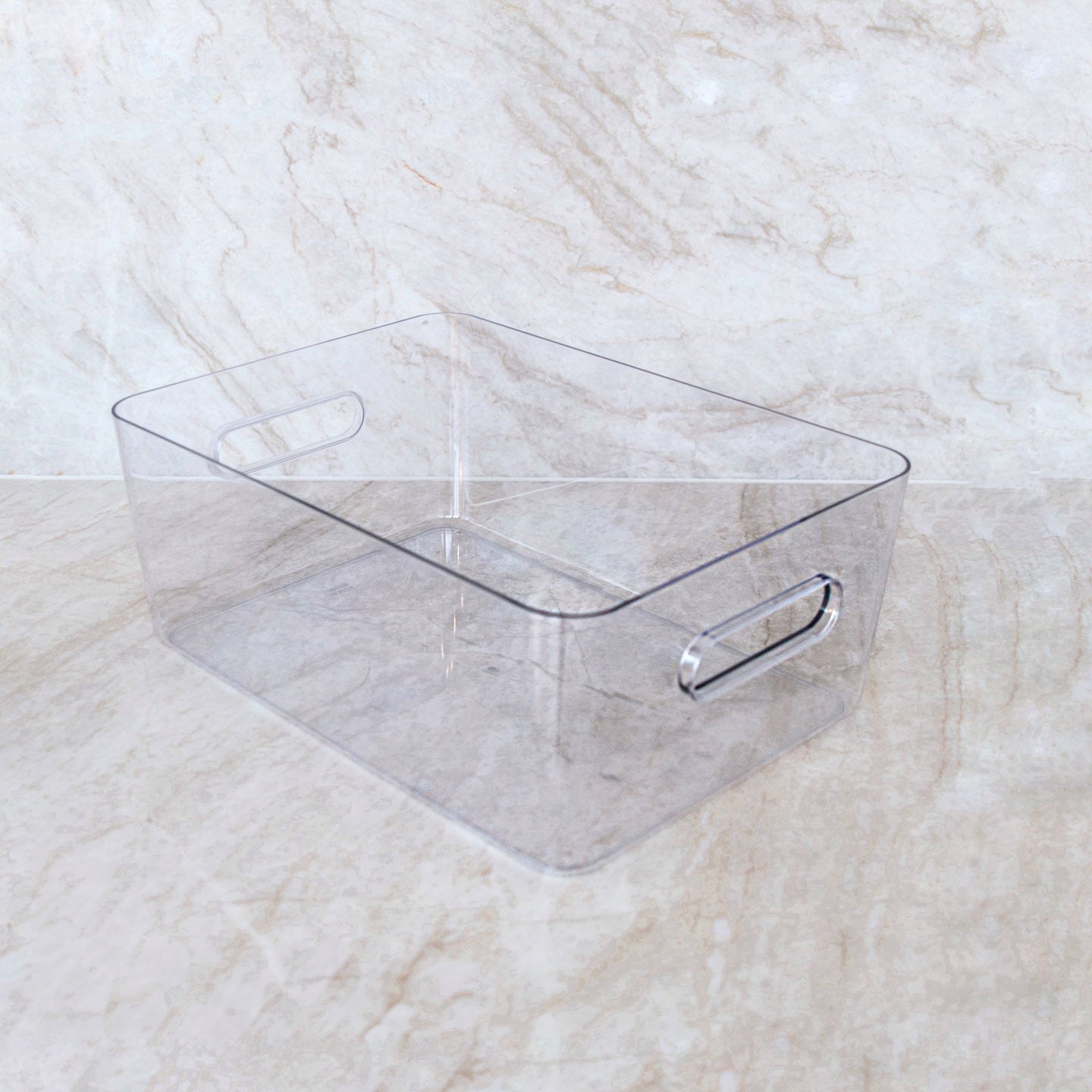
An organized spice cabinet starts with transparent containers. Fill a set of spice jars with your most commonly used dried spices – for example, paprika, oregano, curry, cumin, and cinnamon – and apply the same label design to all of them. Place the name horizontally and at the same height on each jar, so your eye can easily scan the row. Use labels on both the front and top if the jars are to be stored in a drawer, and stick to a few repeated sizes for a calm overall impression.
How to organize your spice cabinet
Start by gathering everything in one place and sort into three groups: everyday spices, cooking project spices, and duplicates. Place everyday spices at the front, and duplicates at the back, so you always use what's already opened. If you want to create more levels and utilize deep shelves, a spice rack provides an overview of the entire row. Alphabetize within each group if you like – labels make it easy to maintain the system.
Accessories that provide an overview in the cabinet
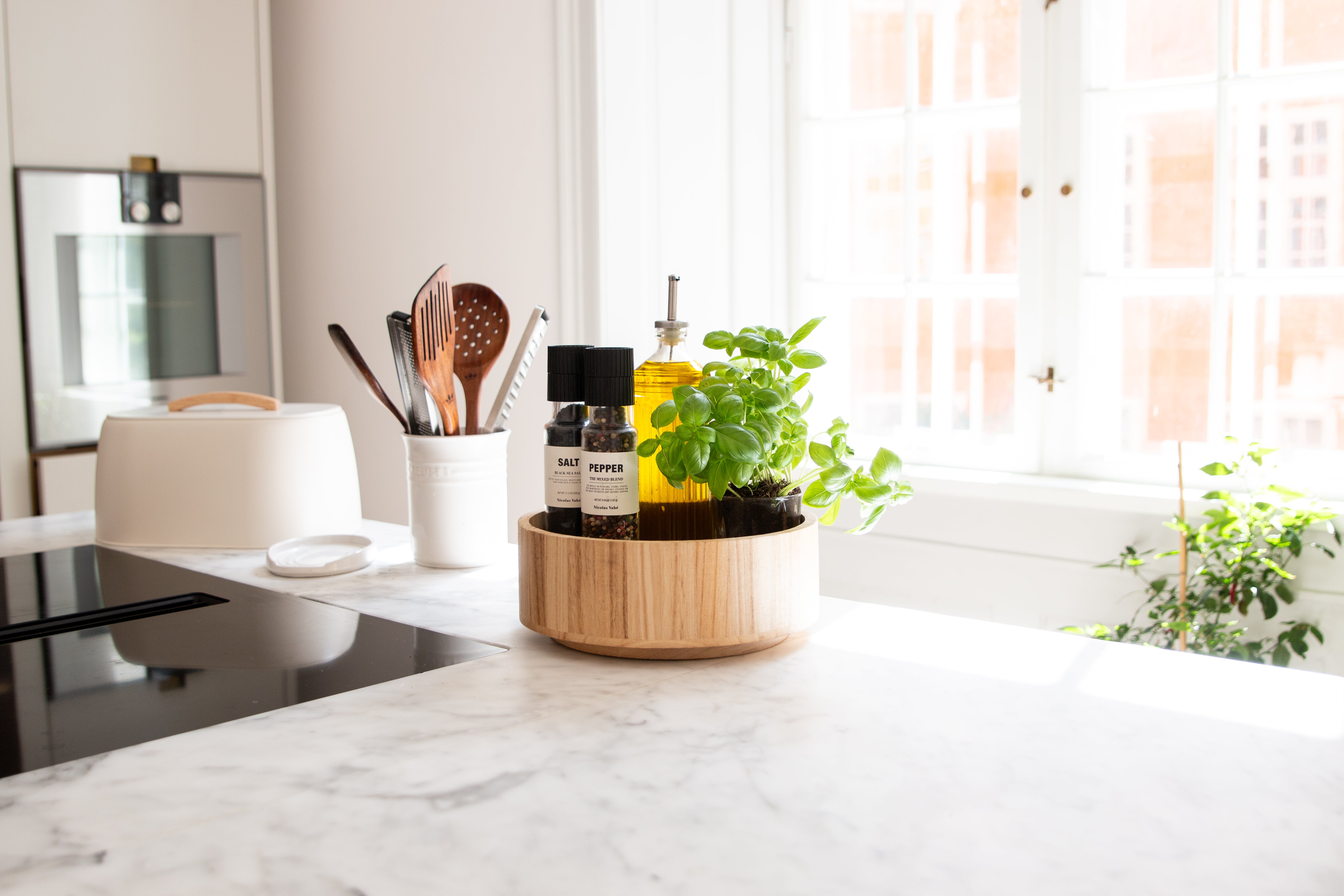
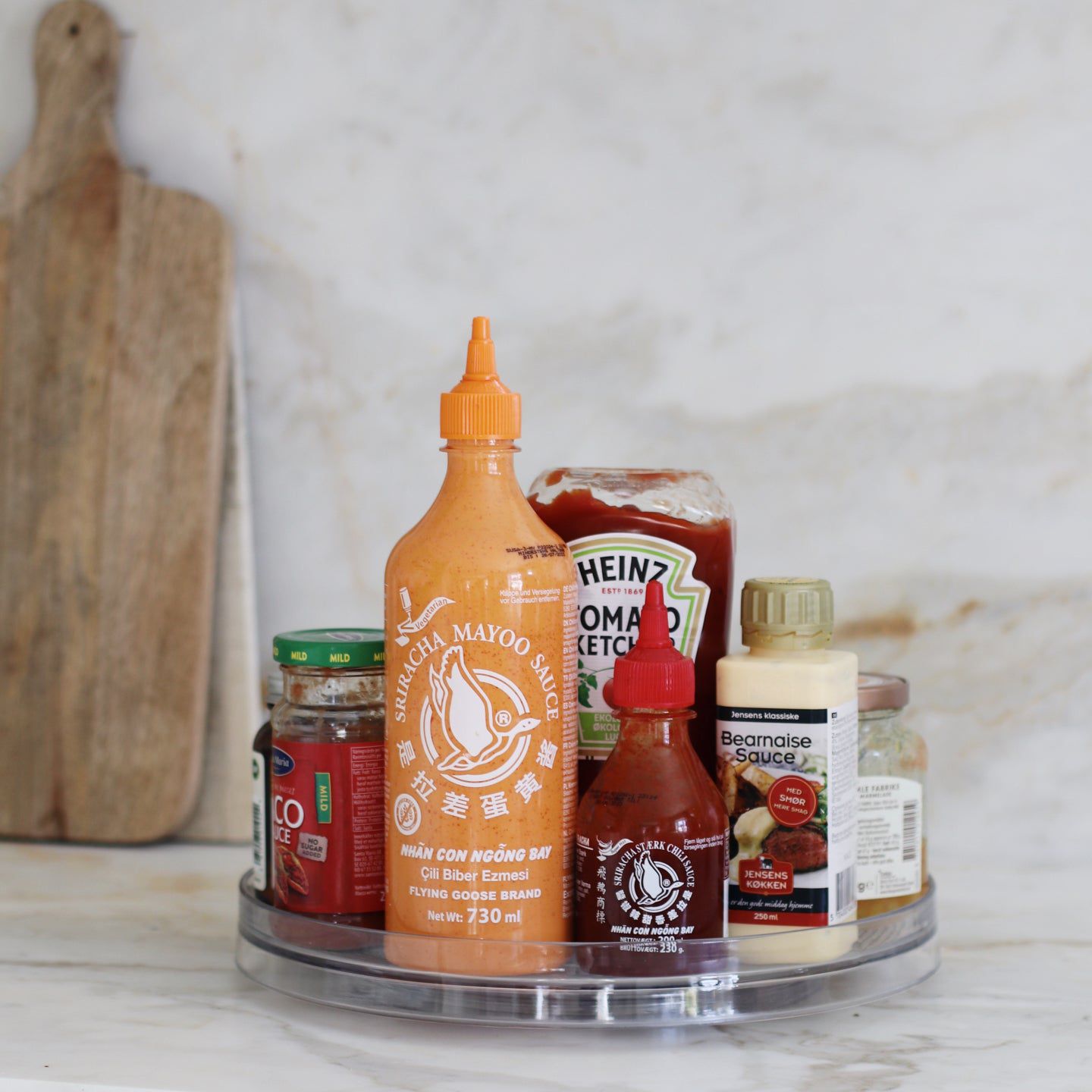
If your spices often get lost at the back, a turntable can make a big difference. A plastic turntable with a low rim provides quick access to jars, larger spice blends, and small bottles. Place labels towards the center so they can be read as you spin. Position the turntable on a shelf at eye level, and use fixed spots – e.g., everyday spices on the turntable and baking spices on the rack.
Design and readability
Choose a label design with clear typography and good contrast. Keep the same font and size on all jars, and use Danish names so the whole family can find their way around. Place labels at the same height and orientation – small adjustments make a big difference to the overall impression. Avoid mixing too many colors and materials. A simple, minimalist look supports both overview and calm.
Maintenance and updating
Wipe the surface of the jars before applying labels. When a jar is empty, remove the used label, refill, and apply a new one. If you have special blends like grill mix or chai spice, use a neutral label from the same series and write the name consistently each time. Keep a small stock of extra labels in a drawer so you can update immediately when you tidy up.
Quick guide - how to get started
- Choose containers: Decide whether your spices should be in a cabinet or drawer, and use uniform jars.
- Set up a system: Divide into everyday spices, baking spices, and duplicates.
- Label correctly: Place labels at the same height, and ensure the text faces your working direction.
- Create access: Use a spice rack and possibly a turntable for a full overview at the front and back.
Example of a functional setup
- Front row: Everyday spices with clear labels – paprika, oregano, pepper, garlic powder.
- Middle level: Baking spices like cinnamon, cardamom, and cloves.
- Back level: Duplicates and rarely used blends gathered in one place, so you don't buy double.
With uniform spice labels, well-chosen jars, and simple aids, you'll have a kitchen that supports your routines. Stick to a few, well-thought-out solutions – it makes both cooking faster and the cabinet easy to keep neat over time.