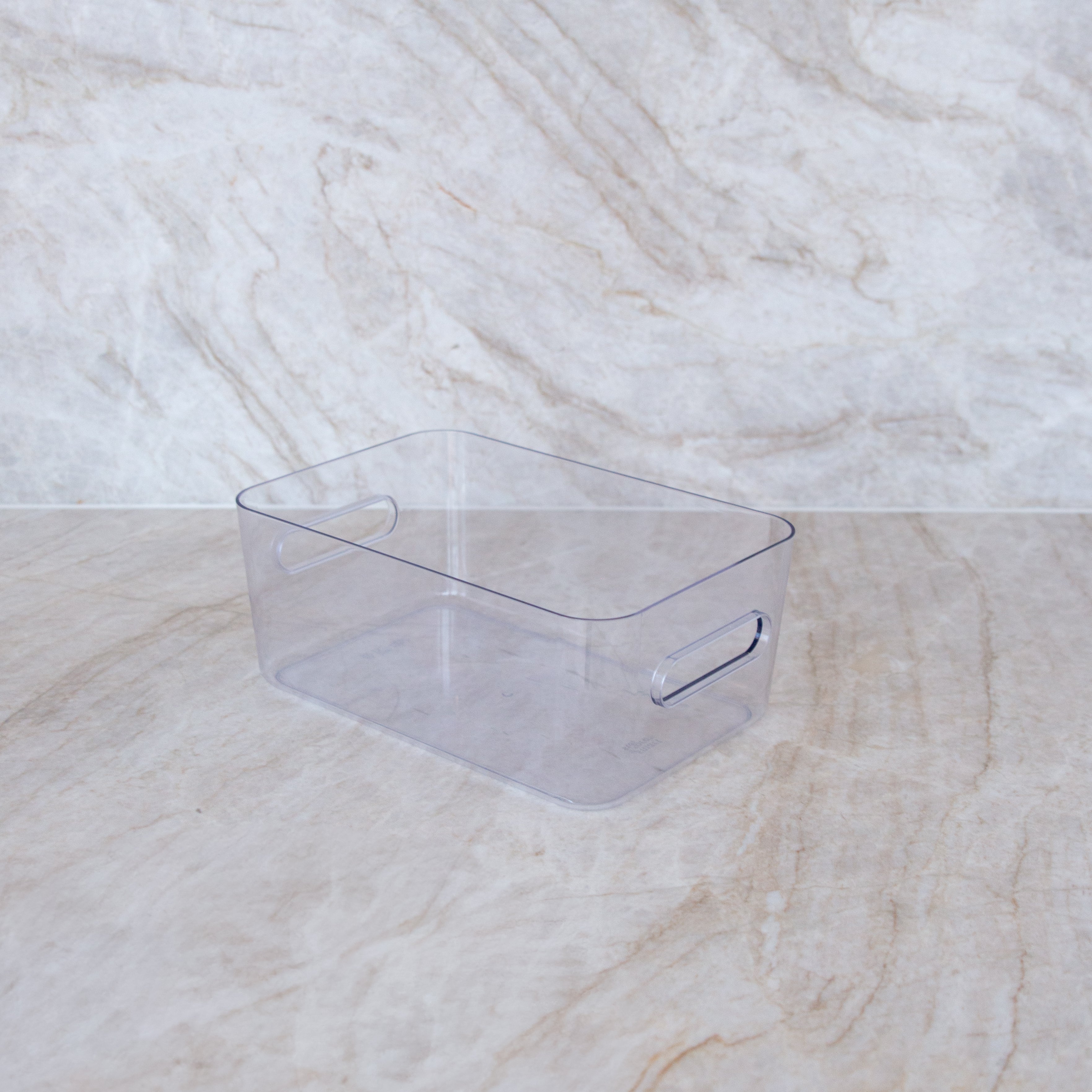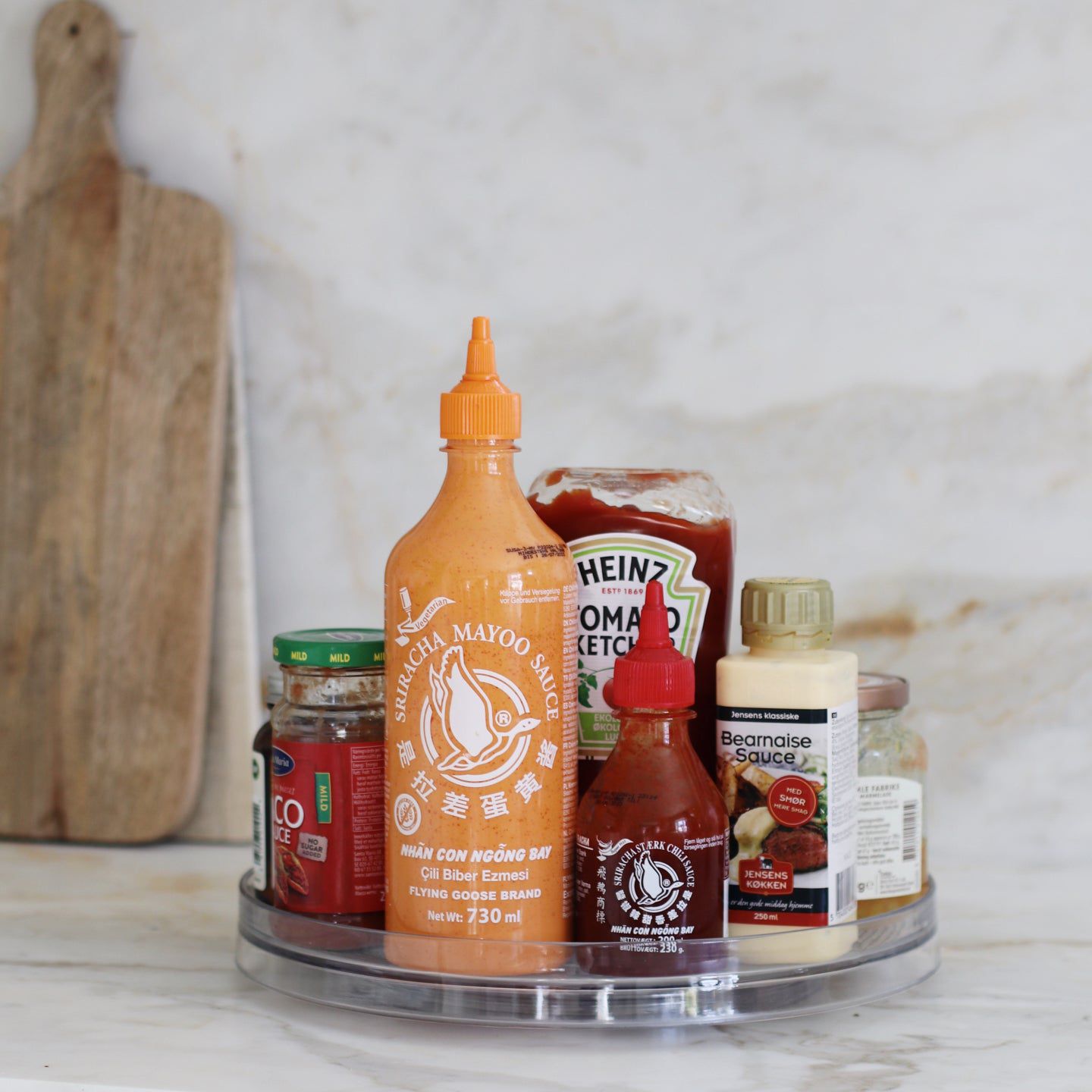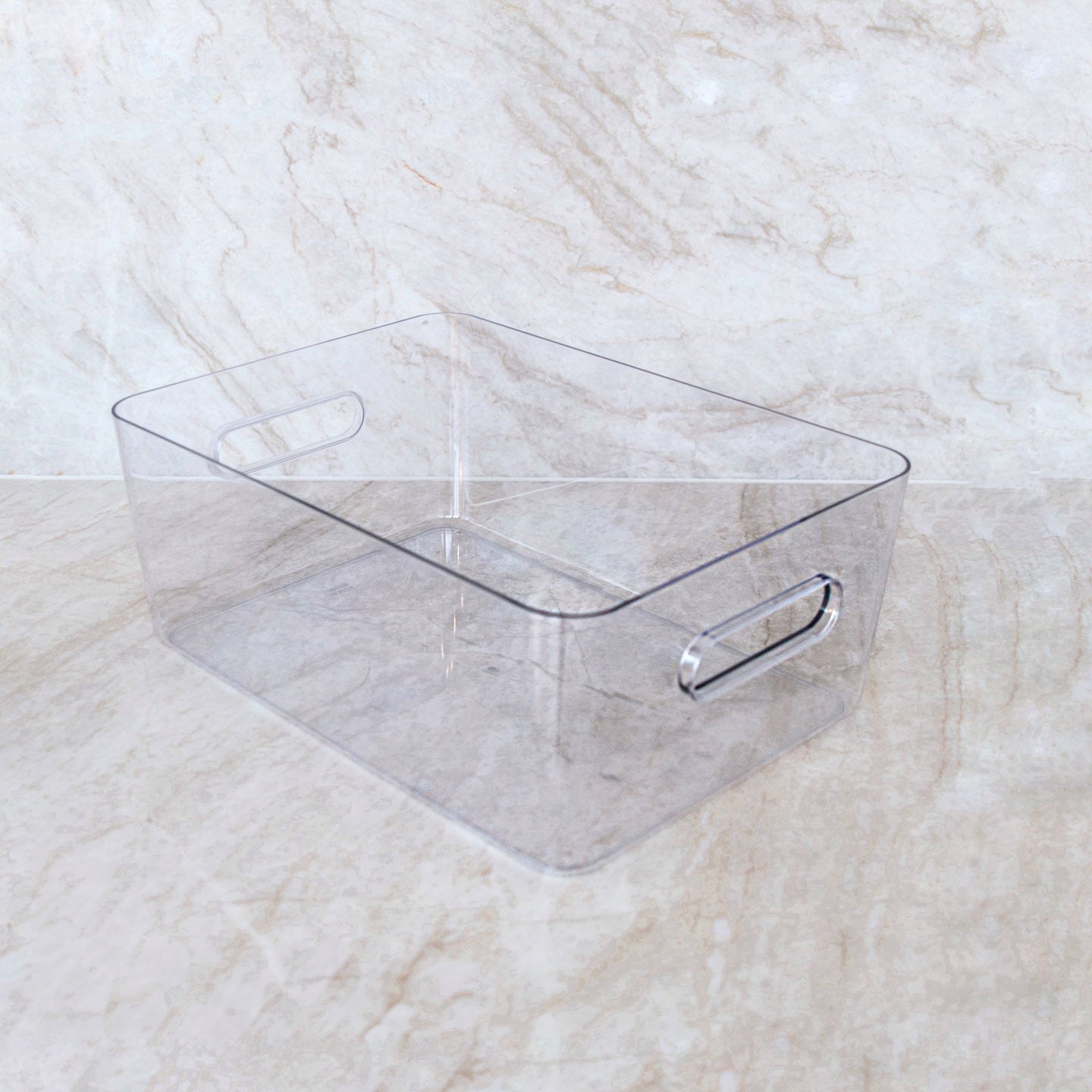


Refrigerator bins make it easy to create an overview, so everyone in the home quickly finds what they use most. When you gather small items in fixed bins and give each category its place, shopping, cooking, and tidying become simpler. At élé living, we work with aesthetics for the soul - more overview, greater surplus - and well-thought-out bins are a simple step that brings peace to everyday life.
Refrigerator Bins in Different Sizes
Choose sizes based on what actually lives in your refrigerator. Smaller bins are good for berries, small snacks, and cold cuts in smaller packages. A practical example is the refrigerator bin xs, which gathers small food items that otherwise clutter. Go up in size for yogurt cups, cheese, vegetable sticks, and small dressings in closed containers. Medium bins provide space for medium-sized dairy products, larger fruits and vegetables, or open jars that easily tip over. If you need a full overview of the selection, you can see refrigerator.
Refrigerator Bins with Lids and Stacking
Purchase lids, close each bin with its own lid, and stack them on top of each other to utilize the height in the refrigerator. This creates a calm look and makes it easy to pull out a bin, see the contents, and put it back in place. Choose a few repeated sizes - this makes stacking more stable and manageable. Place the bins you use most often at the front of the shelves. Note that refrigerator bins are not designed for the refrigerator door, so plan for shelves and vegetable drawers.
Organize the Refrigerator into Zones
When each type of food has its designated bin, it quickly becomes easy to unpack groceries and keep track of leftovers. Think in simple zones so you don't have to search.
Here's how to do it
- Choose bins according to the items: small bins for berries, snacks, and cold cuts - medium for dairy products, open jars, and larger fruits and vegetables.
- Place the bins to suit your family's routines: the most used items at eye level, accessories gathered in one place.
- Close the bins with their respective lids and stack them to free up shelf space vertically.
- Place fixed items at the back and quick everyday choices at the front, so they are easy to reach.
- Use the shelves - the bins do not fit in the refrigerator door.
Bins for Refrigerator and Freezer
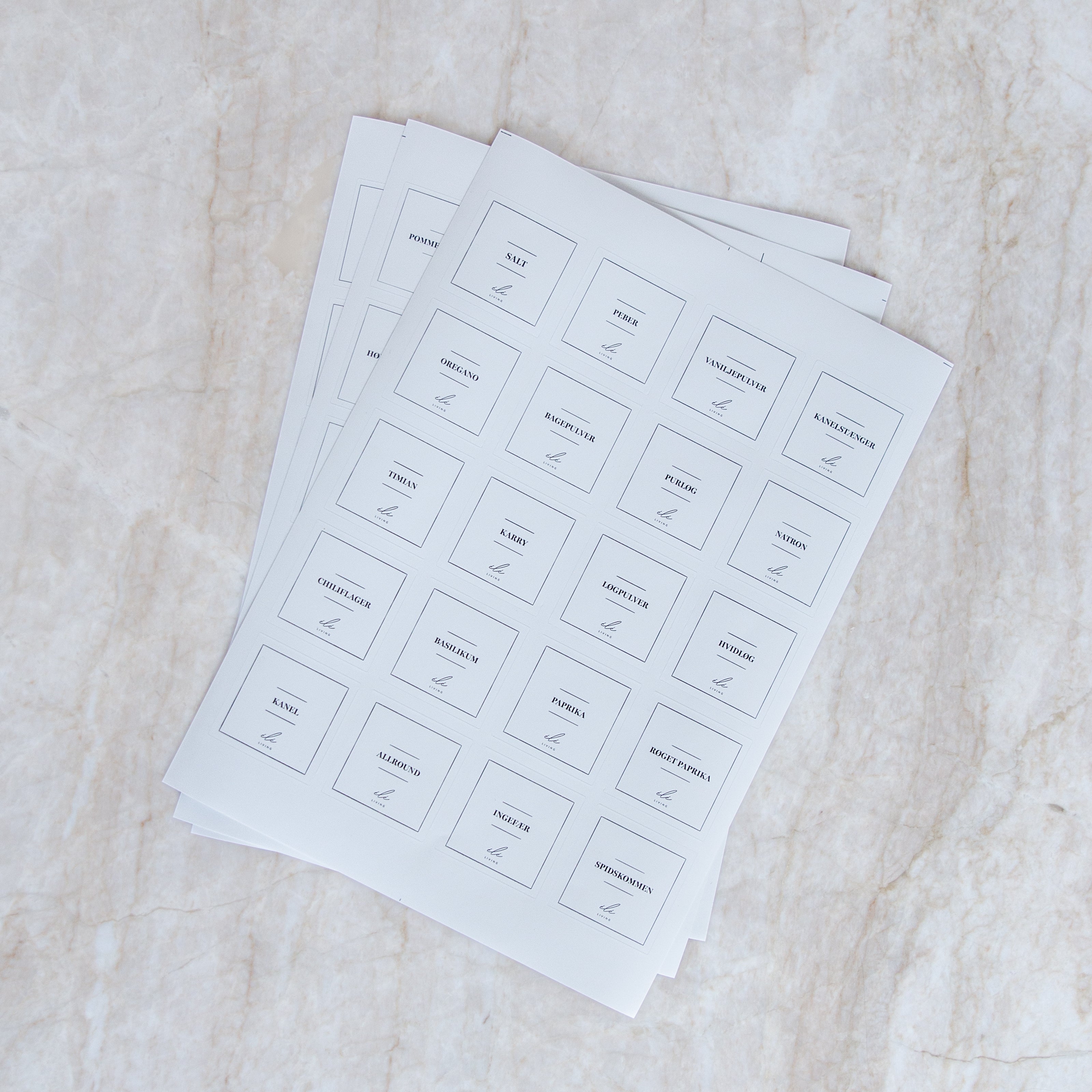
Many choose the same series for both refrigerator and freezer to create consistent order. Storage containers can be used in both the refrigerator and freezer, making it easy to move items as needed. Stick to a fixed set of sizes, so both stacking and overview are consistent in both places. Write a short note on the meal plan instead of labeling the bins, and keep the categories consistent - so everyone knows where items belong.
Create Cohesion with Thoughtful Choices
When the bins work, the rest of the kitchen feels easier to organize. Start with 2-3 repeated sizes, buy lids for the bins that need to be stacked, and gradually build up. If you want to achieve your goal quickly, a comprehensive package solution can provide a good starting point: package solutions. For example, combine a basic package for the refrigerator with a couple of extra bins for snacks or greens, so the system fits your daily life.
Practical everyday tip
Give each bin a clear purpose and keep it consistent. When food has a designated place, it's easier to use what came in first, and the refrigerator maintains its calm appearance.