
Vegetable storage is about more than just putting food away. When vegetables have designated spots in the fridge, freezer, and kitchen, it becomes easier to keep track, use food in time, and create a calmer daily routine. At élé living, the focus is on simple organization, aesthetic solutions, and practical routines that fit into the home without taking up unnecessary space.
Storing vegetables in the refrigerator
Many vegetables stay fresh longer when they have a clear place in the refrigerator. Refrigerator bins can help gather food items so you can quickly see what you have. Place frequently used vegetables at the front and group similar food items together.
A good routine is to organize the refrigerator according to daily use. Lettuce, cucumber, and bell peppers can be stored together, while berries, snacks, and cold cuts can have their own smaller bins. When everything has a fixed place, it becomes easier to take out a bin, see its contents, and put it back again.
Refrigerator bins for fruits, vegetables, and small food items
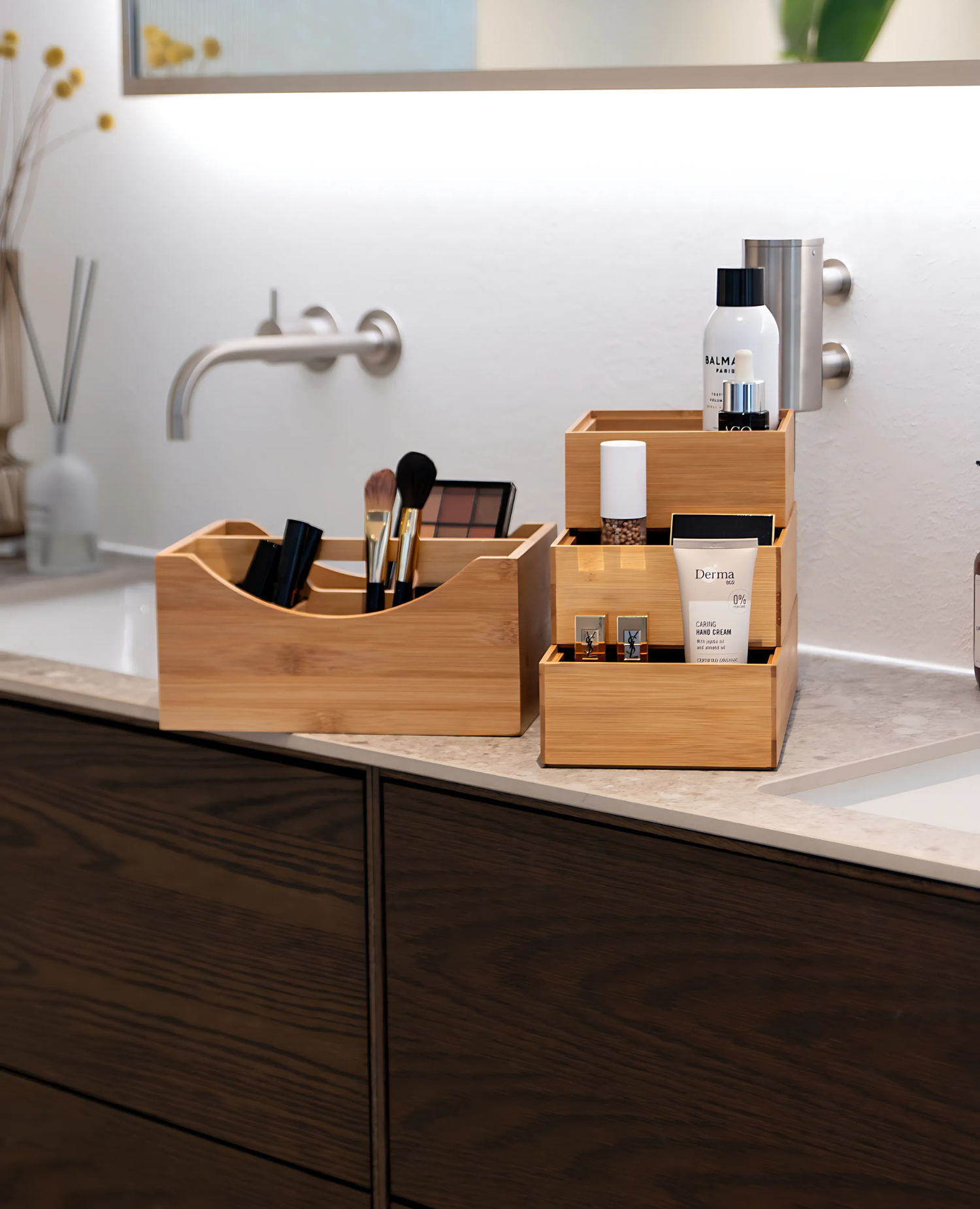
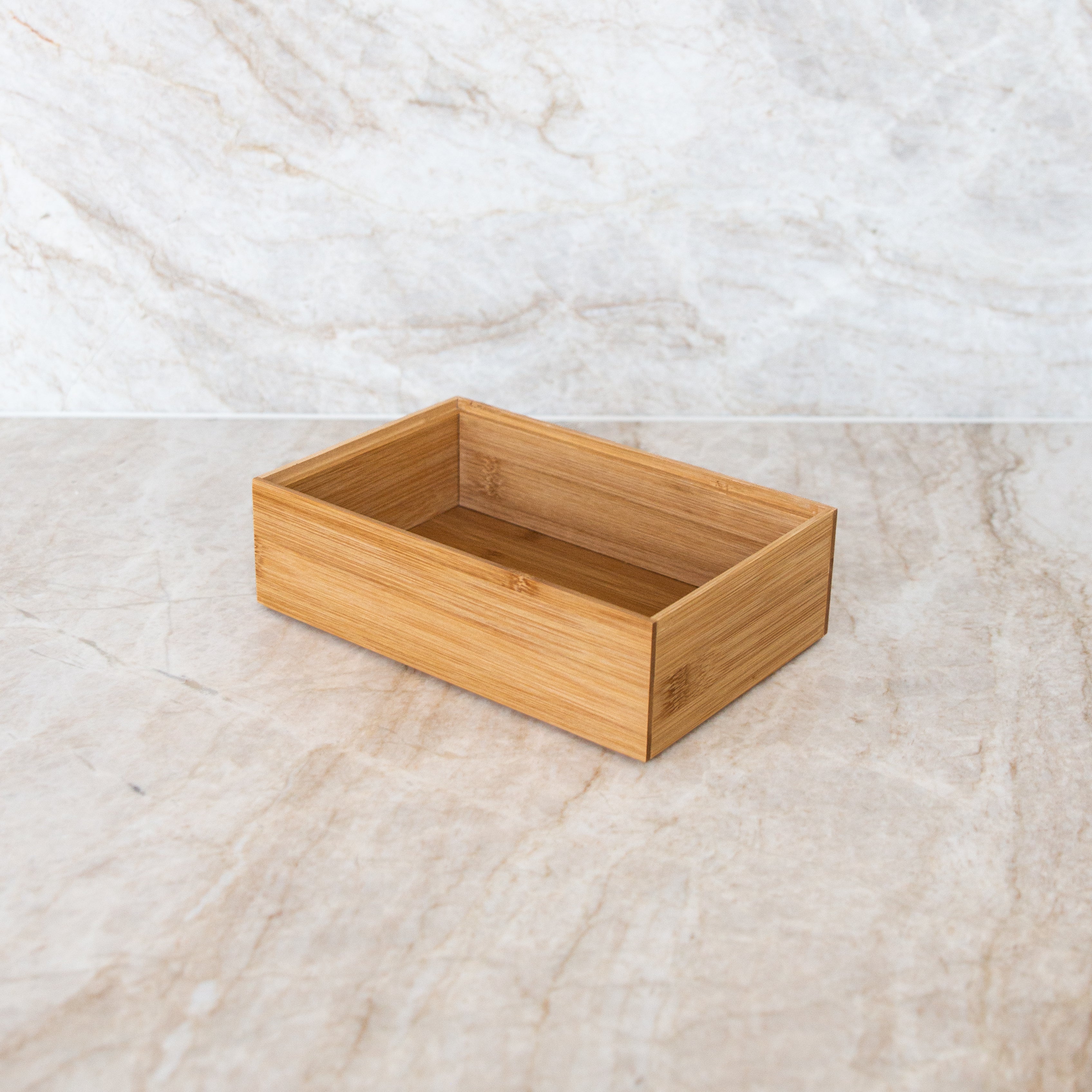
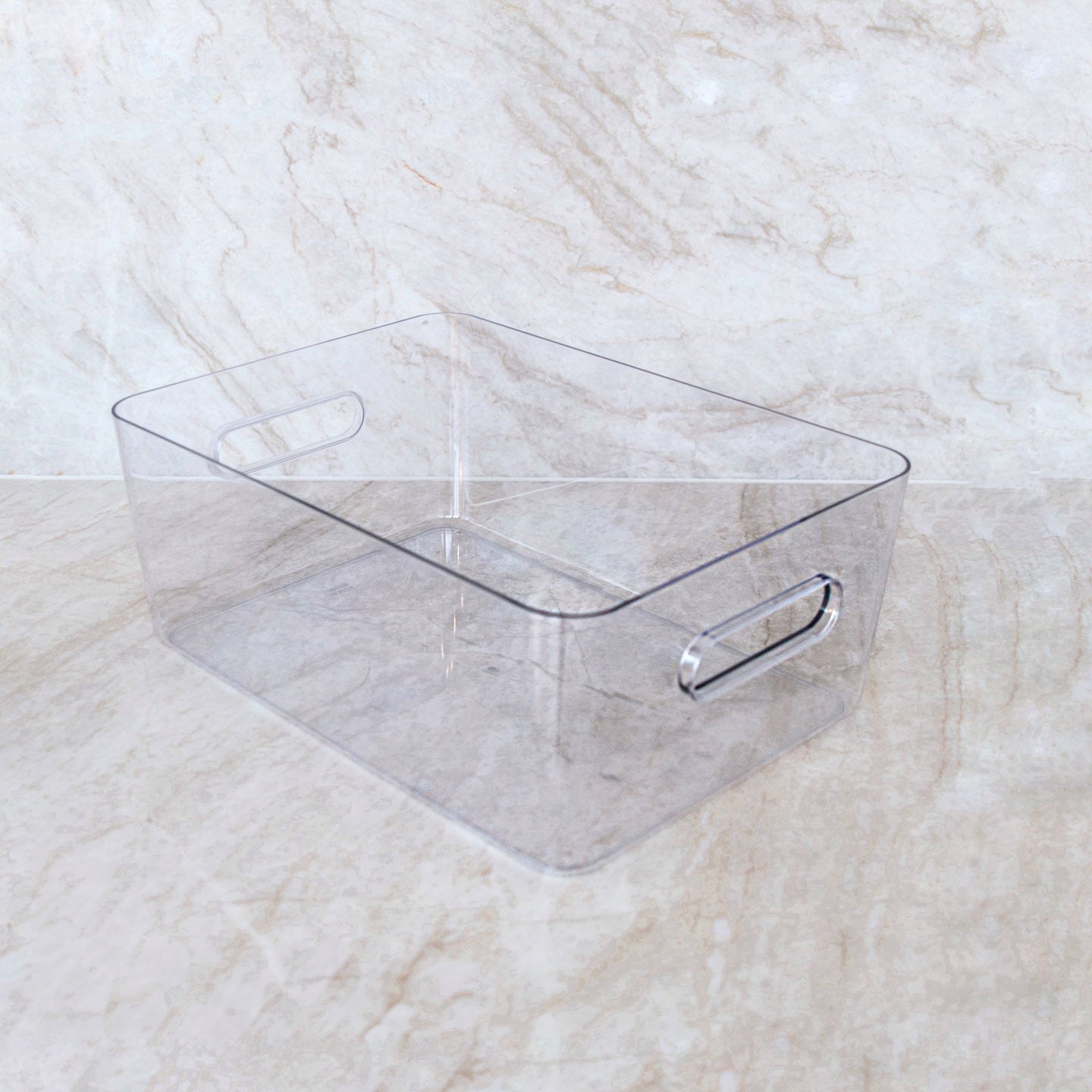
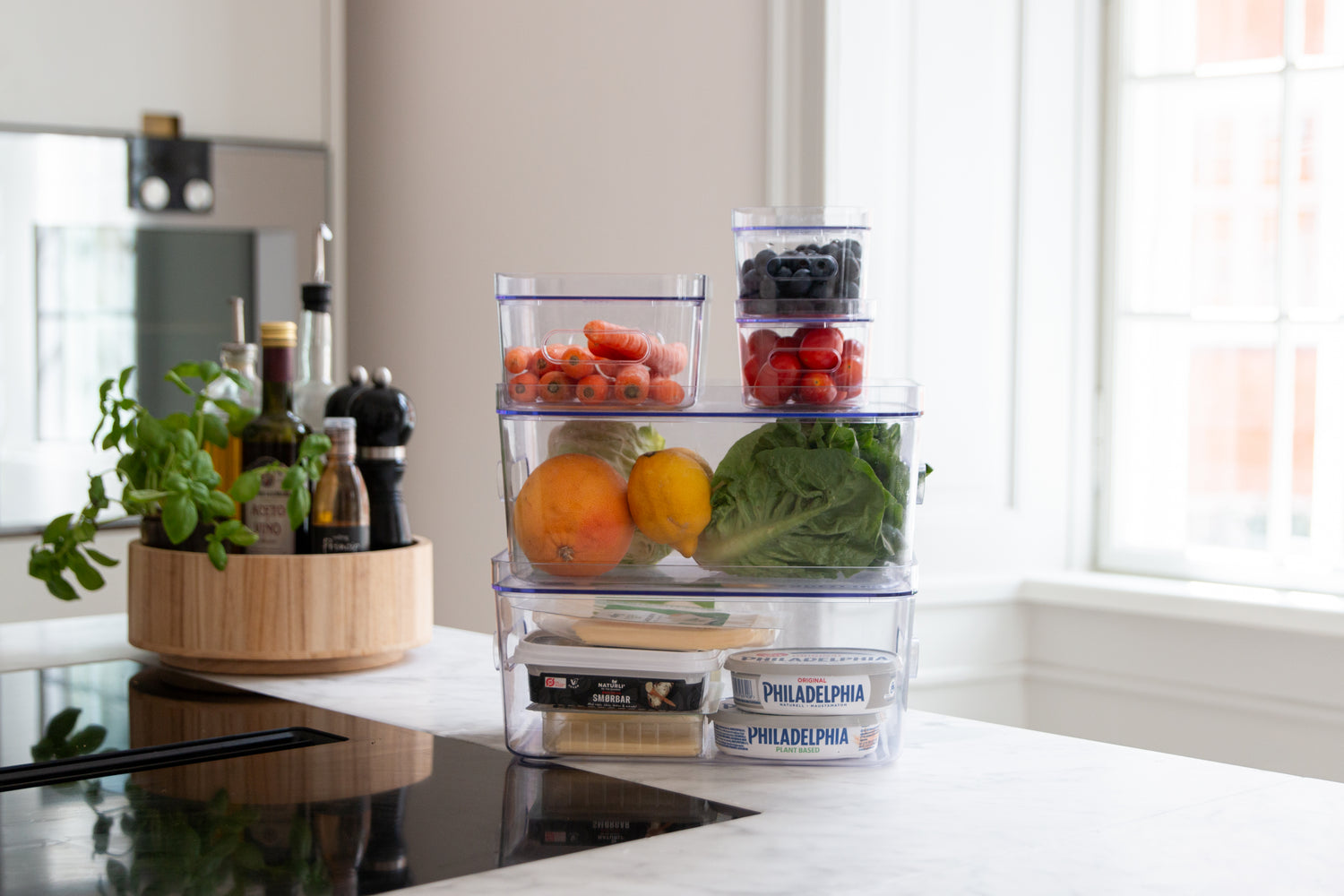
Refrigerator bins are particularly practical for food items that otherwise tend to clutter shelves. Small bins can be used for berries, snacks, and cold cuts, while medium sizes are suitable for dairy products, open jars, and frequently used vegetables. Larger bins can hold fruits and vegetables, making the shelves more organized.
If you choose refrigerator bins with lids, you can close each bin with its lid and stack them on top of each other to utilize space better in the refrigerator. This creates a more cohesive look and makes it easier to keep track of food items of different sizes.
Storage containers for cut vegetables
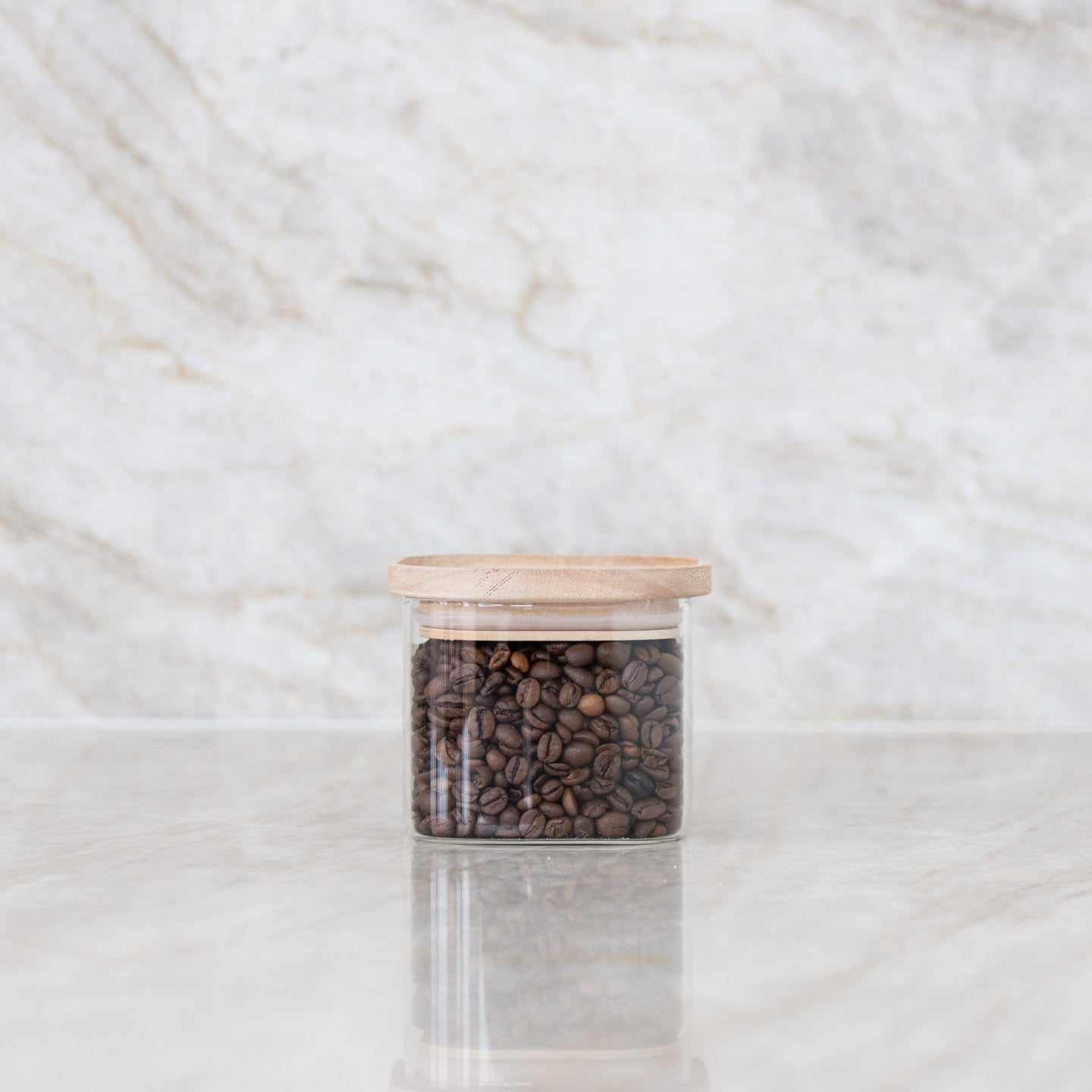
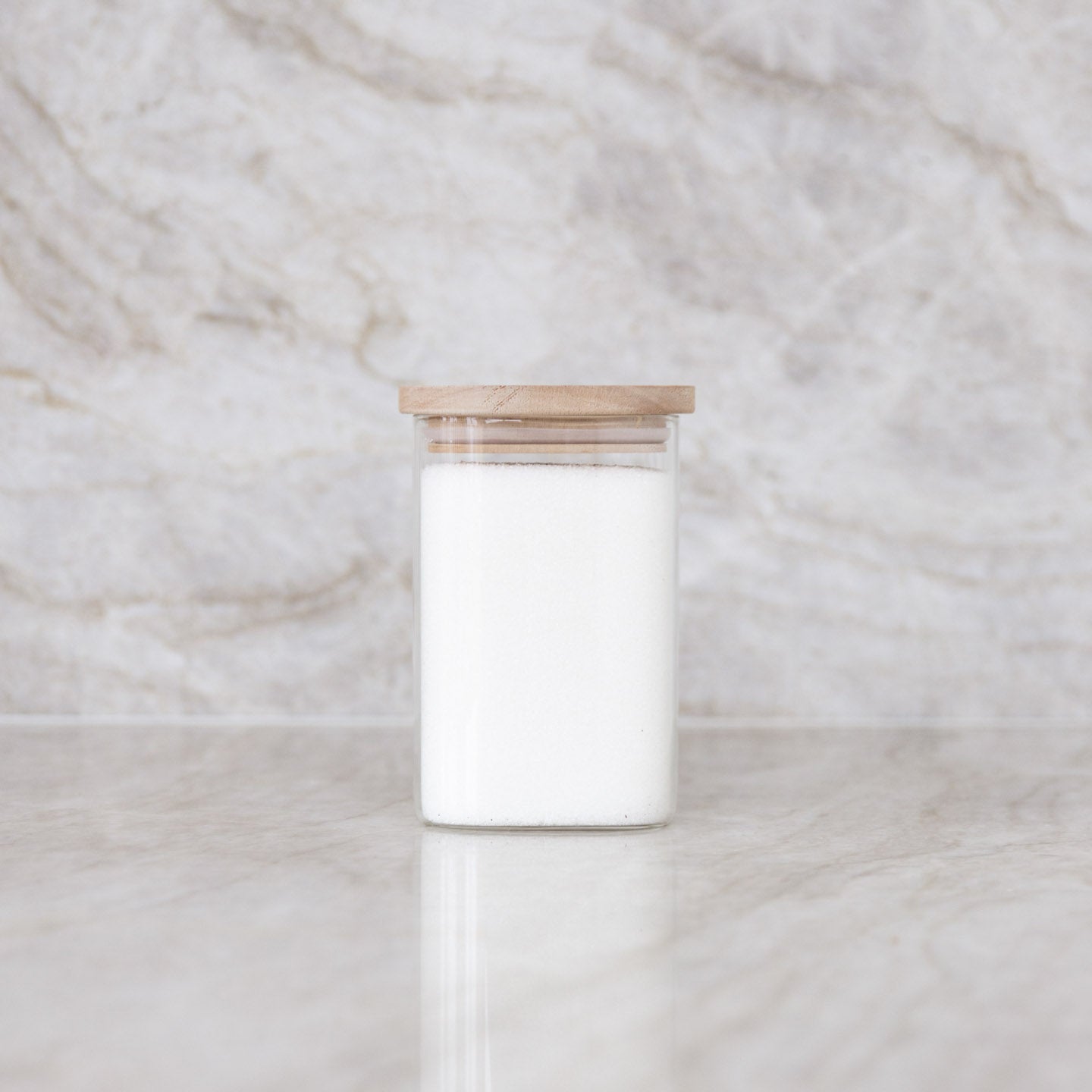
Once vegetables are cut, storage containers are a simple solution to keep them together. They can be used for carrot sticks, broccoli, cauliflower, or leftovers from dinner. This makes it easier to grab vegetables that are already ready for use.
Use containers of consistent sizes if you want a calm and uniform look. This makes it easier to stack, plan, and create an overview, especially if you often prepare meals for several days at a time.
Vegetables in the freezer
The freezer is ideal for vegetables that need to be saved for later use. Clear storage solutions can make it easier to see what's in the drawer, preventing food items from getting lost at the back. Vegetables can advantageously be grouped by type or use, for example, vegetables for soups, stir-fries, or easy everyday meals.
For organizing in the freezer, you can find solutions under freezer, where the focus is on overview and structure. When vegetables are gathered, it becomes more natural to use them actively in cooking.
Create a simple routine for vegetable storage
The best vegetable storage is the one you can stick to every day. Start with a few categories and place food items according to how you use them.
Choose fixed places:
- Berries and snacks: Use small bins so they don't lie loosely on the shelves.
- Dairy products and open jars: Group them in medium bins for better overview.
- Larger fruits and vegetables: Use larger bins so food items have a clear place.
If you want to create more structure in the entire cooking area, you can find inspiration in the kitchen assortment. With a few well-thought-out solutions, vegetables become easier to find, easier to use, and easier to keep organized.