
Self-Adhesive Labels Kitchen
Self-adhesive labels in the kitchen make it easy to create order and overview in cupboards and drawers. When your jars and containers are clearly marked, everyone in the home knows where food belongs, and you can quickly find what you need. A uniform look with the same type of jar and clear labels makes it visually calm and practical in everyday life. Start with the categories you use most, and stick to fixed locations. This reduces confusion and helps you use what is already on the shelf.
Kitchen storage labels
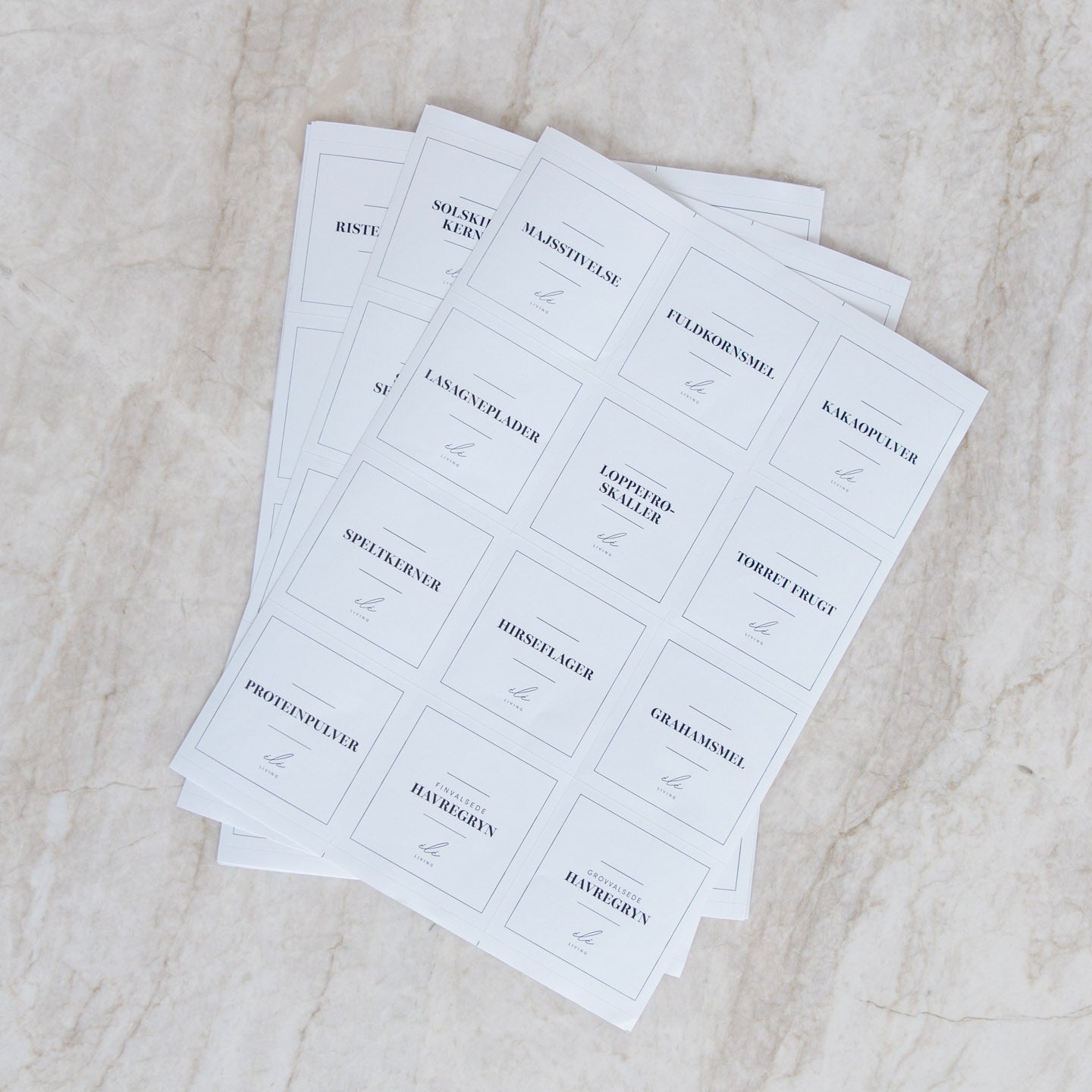
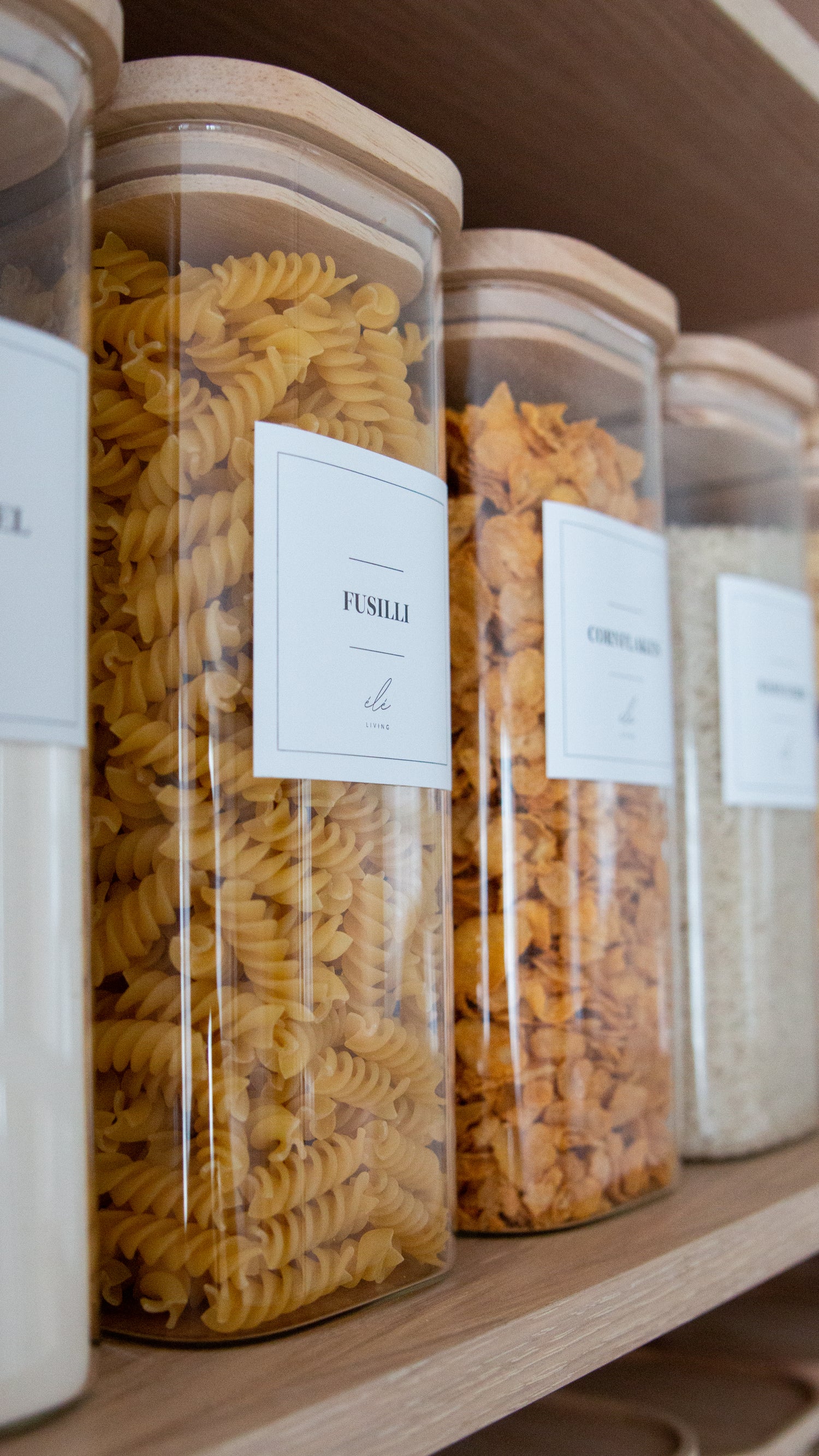
Kitchen storage labels are a simple way to create structure. Choose pre-made sets so that typical categories such as flour, sugar, rice, pasta and nuts are covered. Dry goods labels provide a clear system and a calm look on the shelves. Place the label in the same place on each jar - for example, at the bottom of the front - so the eye quickly scans the row. When you fill up, always put the items back in the same category. This makes it easier to keep track of inventory and can help prevent food waste.
Self-adhesive labels for glass
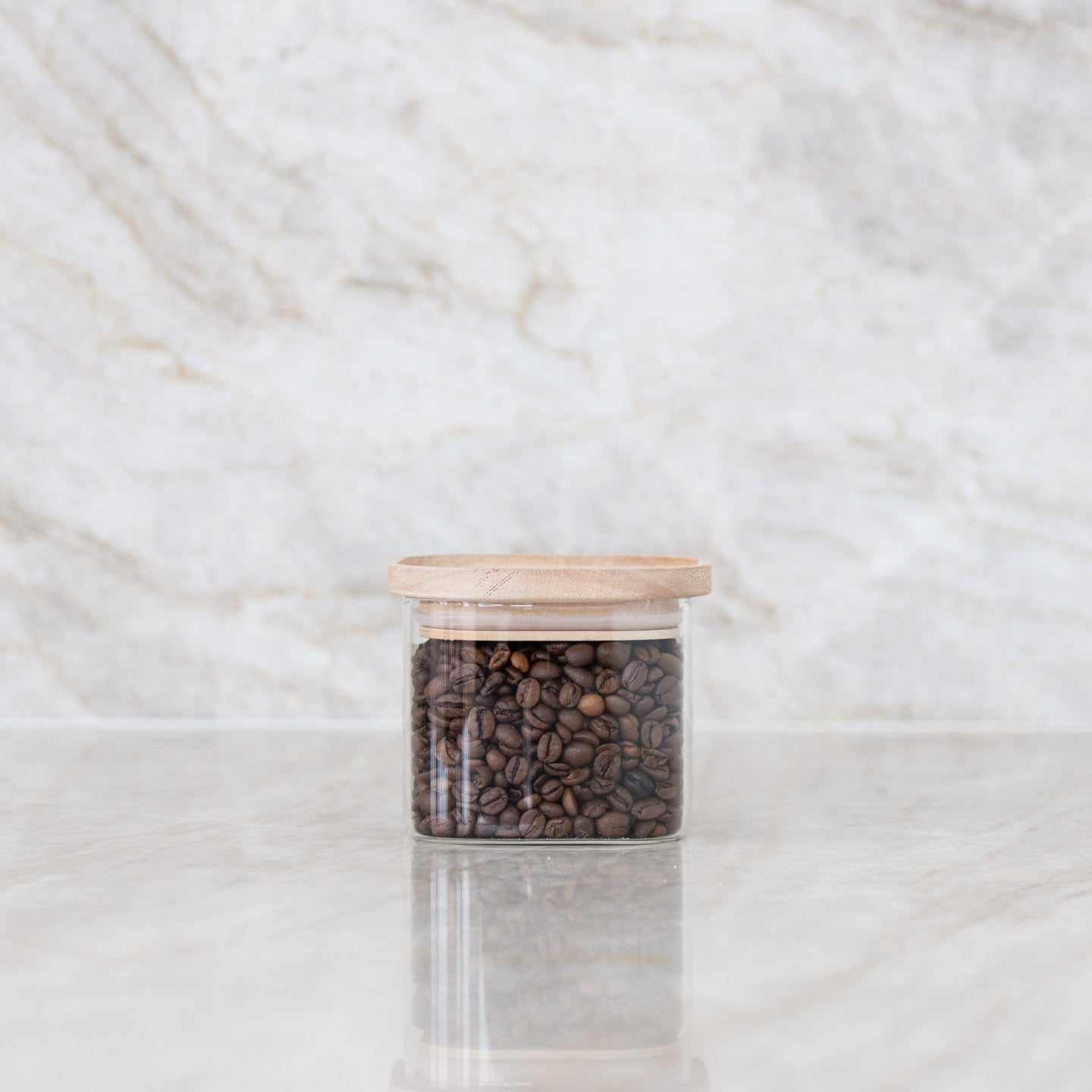
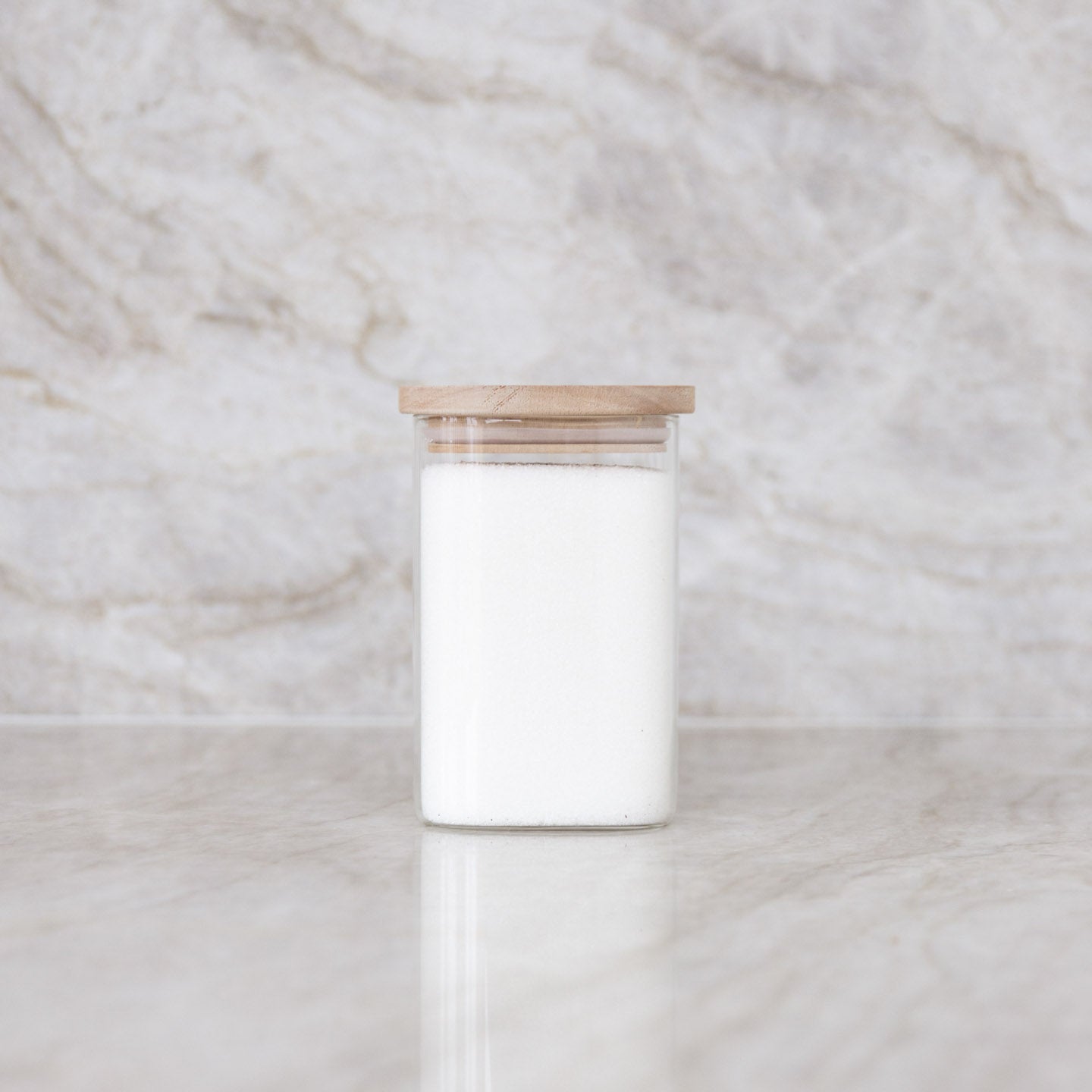
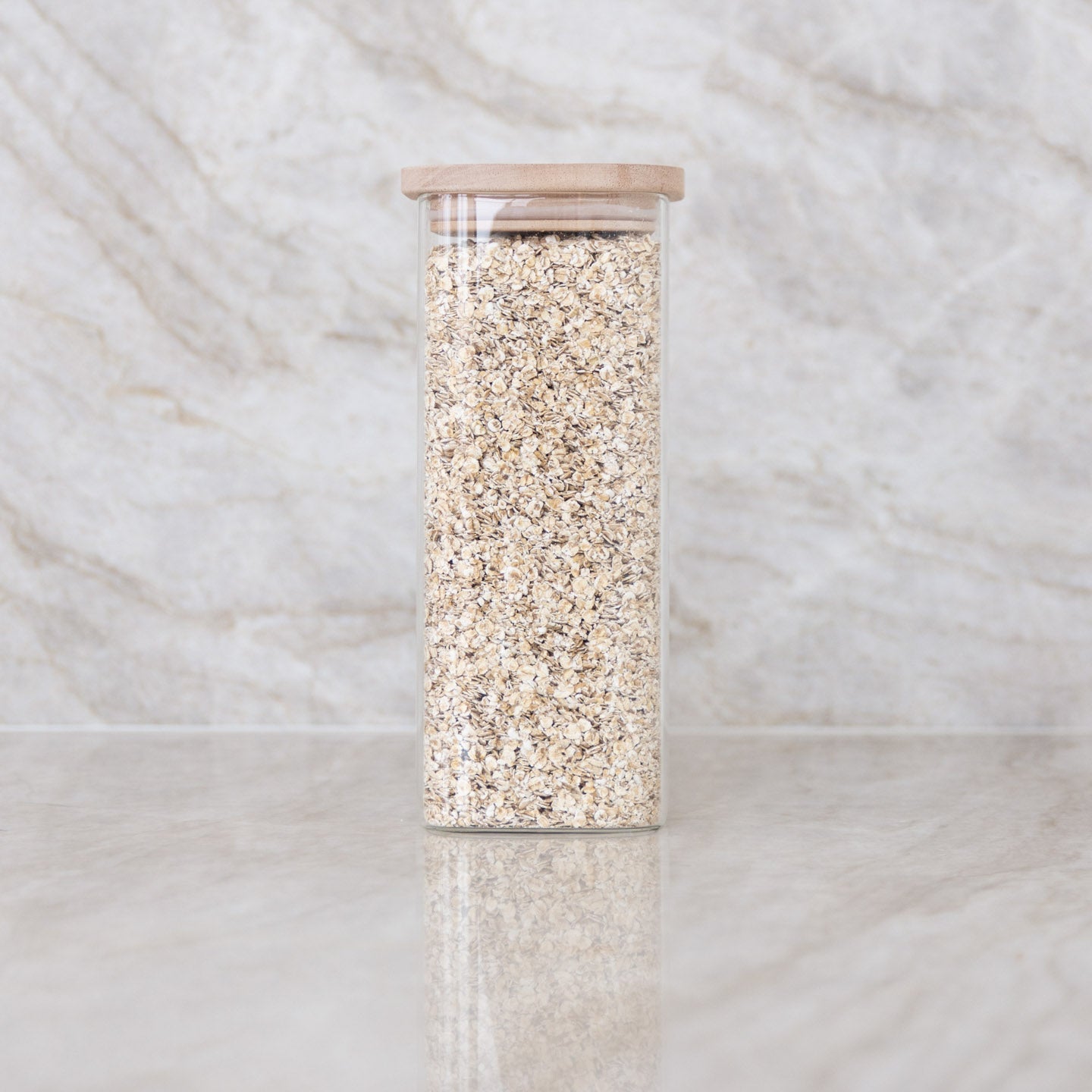
Self-adhesive labels on storage jars work best when you use a few repeat sizes. A square storage jar 1800 ml is suitable for larger quantities such as oatmeal, pasta and flour and can be combined with smaller jars for seeds and grains. The jars provide a clear view of the contents, and with labels it is clear what is in each container. The shape of the jar makes it easy to arrange in straight rows, so the shelf looks tidy. As a bonus, they are good for keeping pests out when dry goods are stored in cupboards.
Labels for spice jars
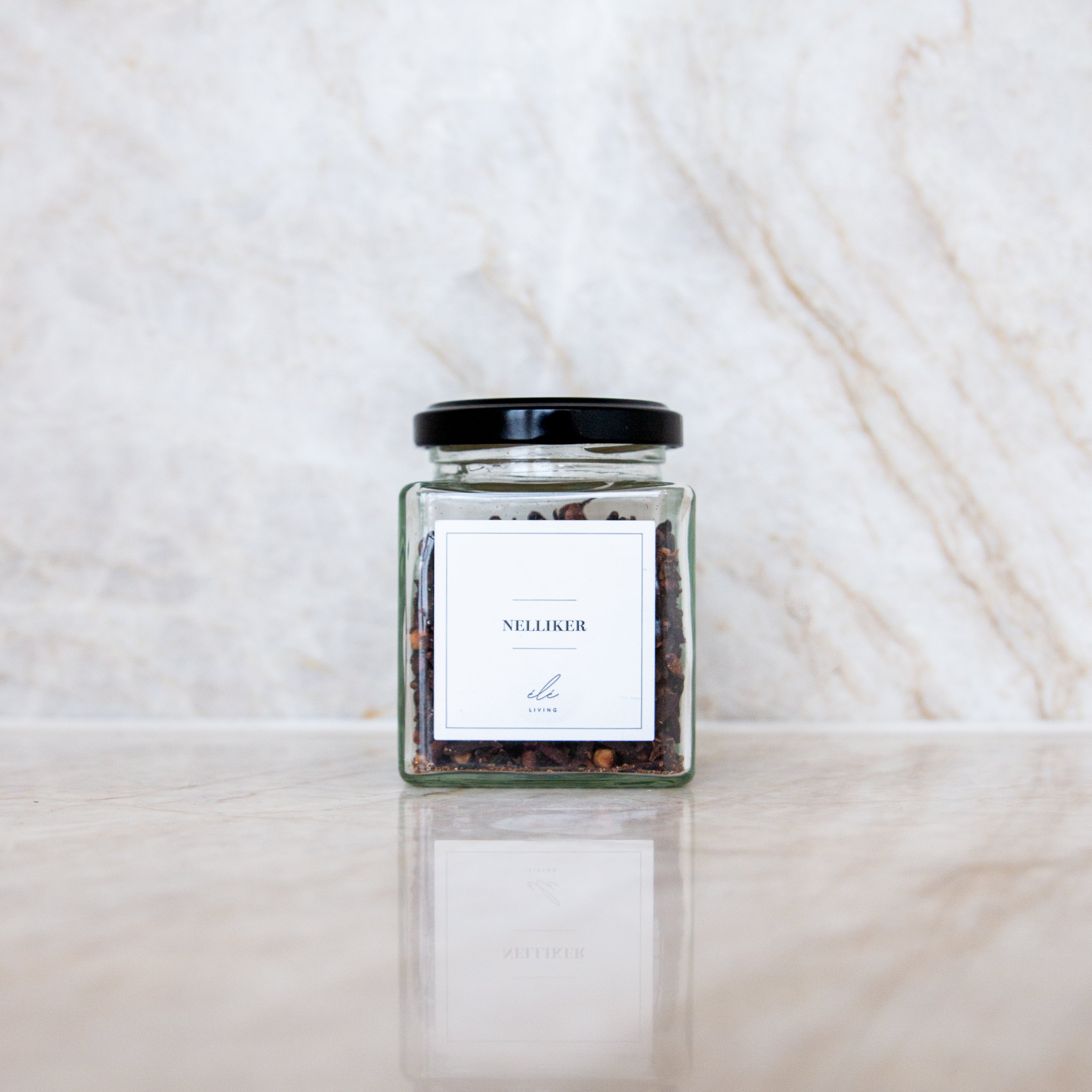
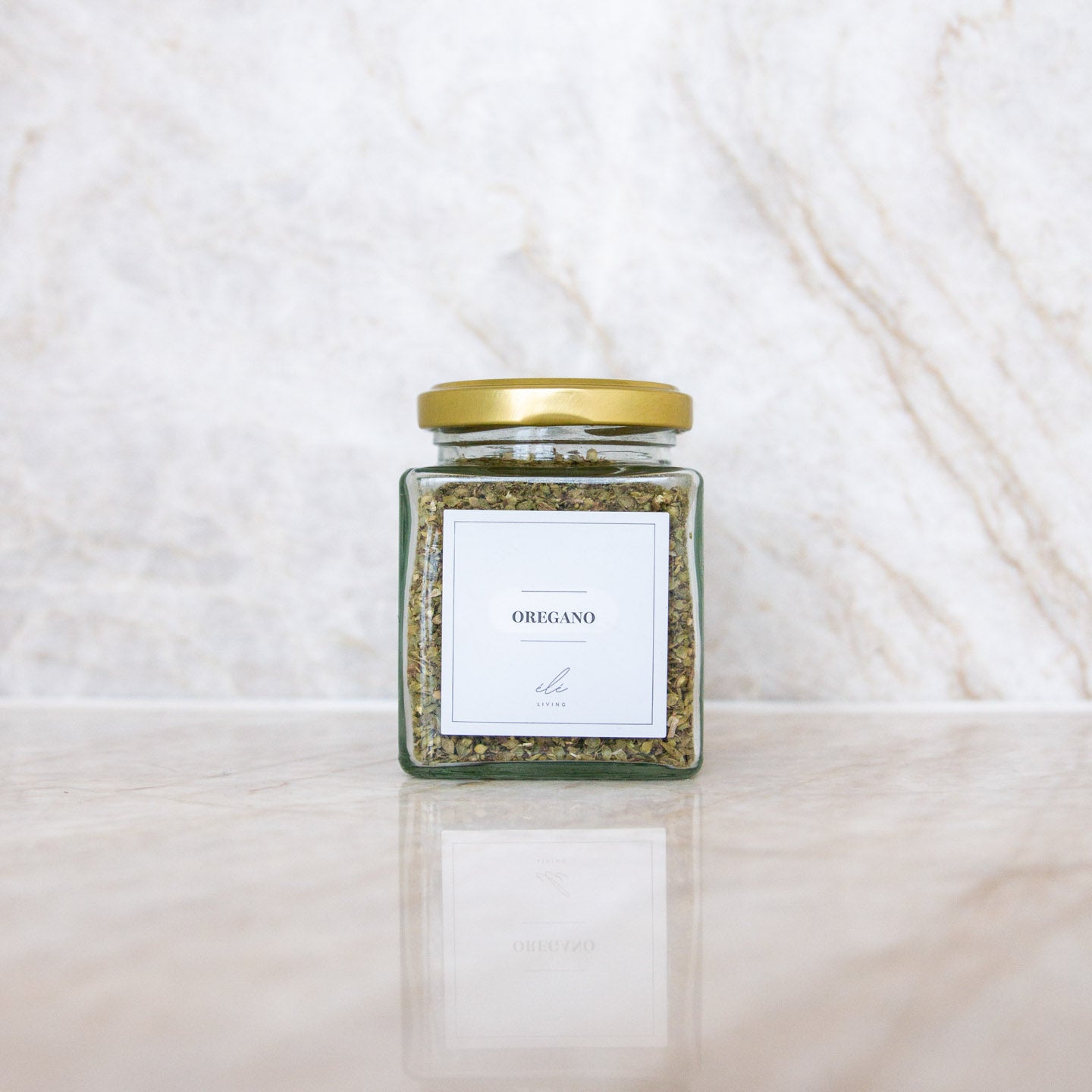
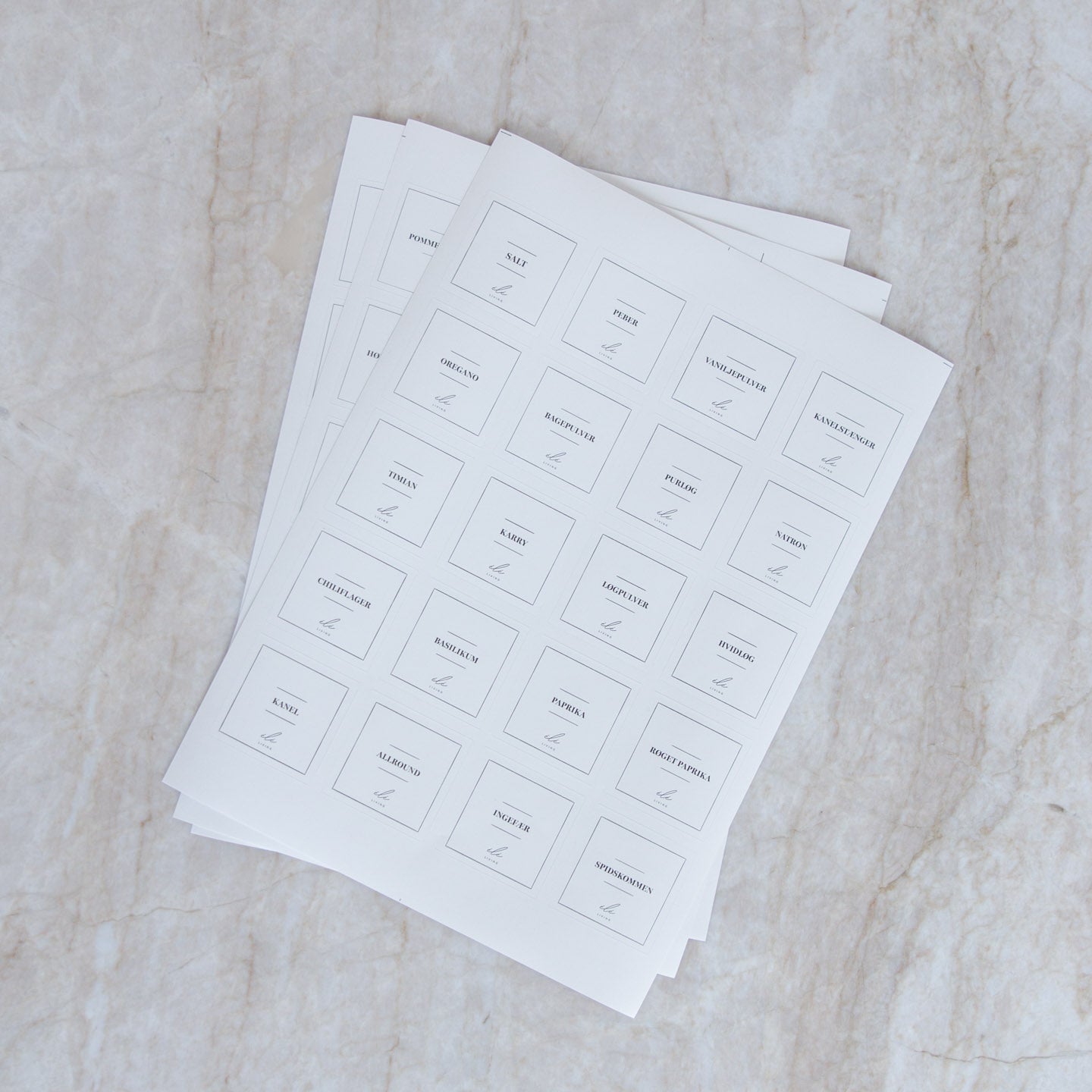
Spices are quickly organized when all jars look the same and are labeled in the same style. Labels for spice jars help to collect everyday spices in a system that is easy to maintain. If you want to get to the point quickly, you can choose a package solution of spice jars with black lids and supplement with labels so that everything matches. It is good to arrange the jars in a row or two so that you can read the labels from the front without moving around.
How to sort the spices
- Base: salt, pepper, paprika, curry, oregano and cumin
- Baking: cinnamon, cardamom, vanilla, ginger
- Mixtures: barbecue seasoning, all-round, taco, kebab
- Special cuisines: Italian, Indian, Mexican - place together for quick cooking
Organizing kitchen cabinets
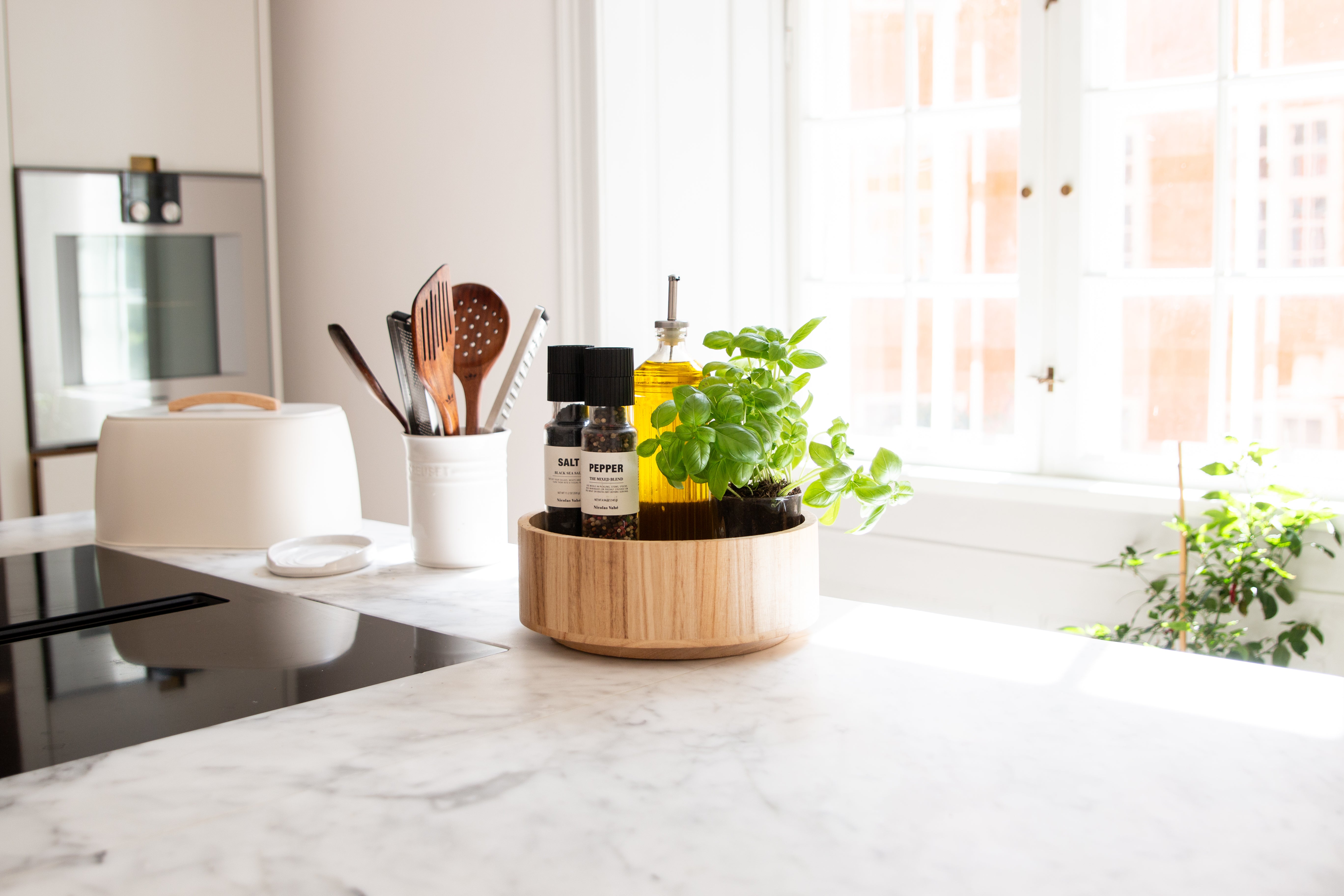
Start by defining zones: breakfast, baking, dinner, snacks. Use labels on jars and containers so that the categories are clear to everyone. Place the used categories at handle height, and leave rare items higher up. Stick to 2-3 jar sizes per shelf for a clean look. When a category fills up, quickly review the contents and collect duplicates in the same container if practical. By repeating the same setup in multiple cabinets, your system will be intuitive and easy to maintain.
Storage labels kitchen
Storage labels in the kitchen make it easy to work with regular routines. Choose clear names that fit your everyday life, and stick to the same font and location. Put labels on the front of jars so you can read them without taking them out. A good starting point is to start with the five most used categories and build from there. If you have a lot of dry goods, you can combine your jars with a set of dry goods labels and leave rare categories unlabeled until they become established. This way, the system grows at a leisurely pace and maintains a stylish look.
With simple, self-adhesive labels, repeated glass sizes and fixed locations, you get a kitchen that is pleasant to work in. It creates both visual peace and a practical everyday life where you quickly see what is there and where it belongs.