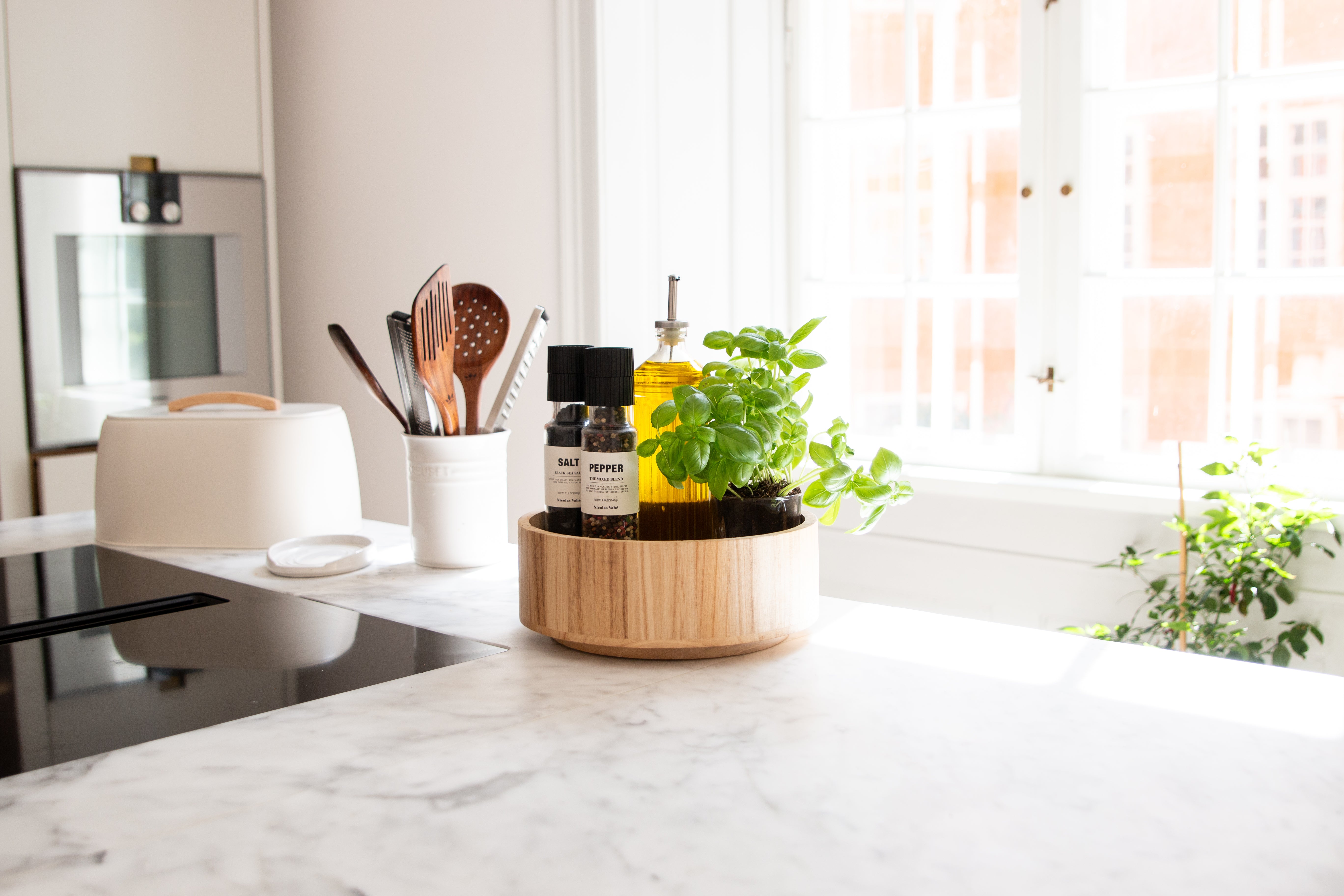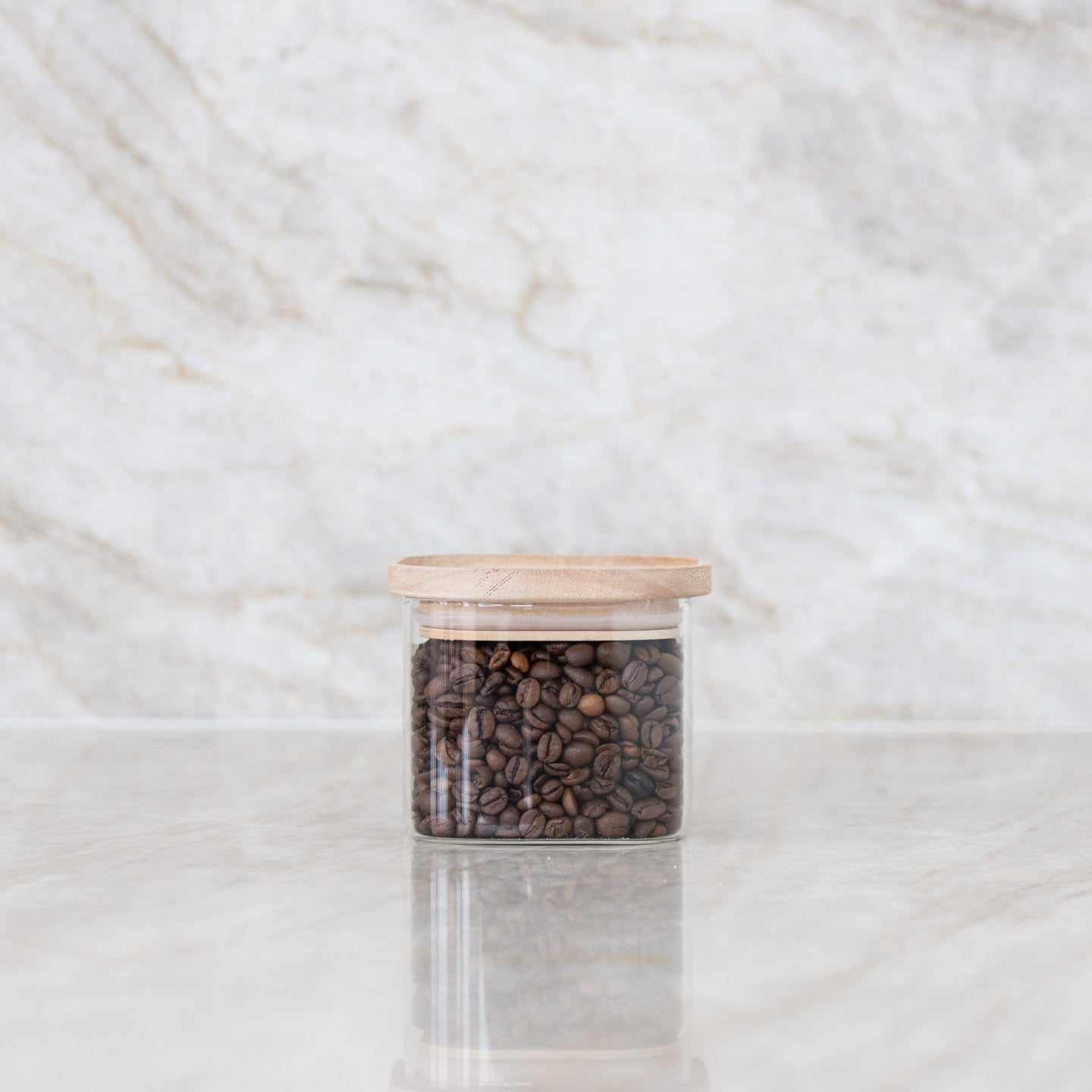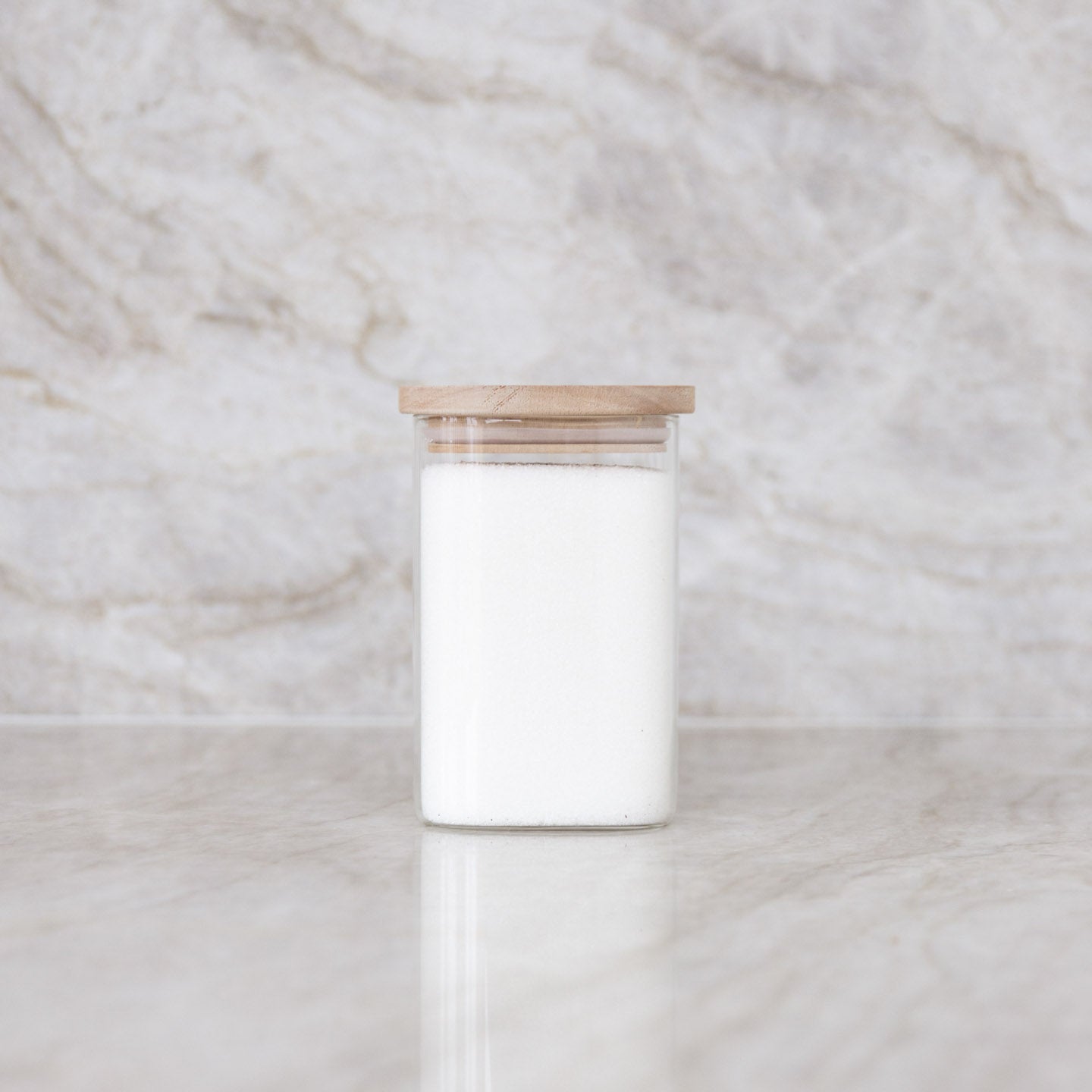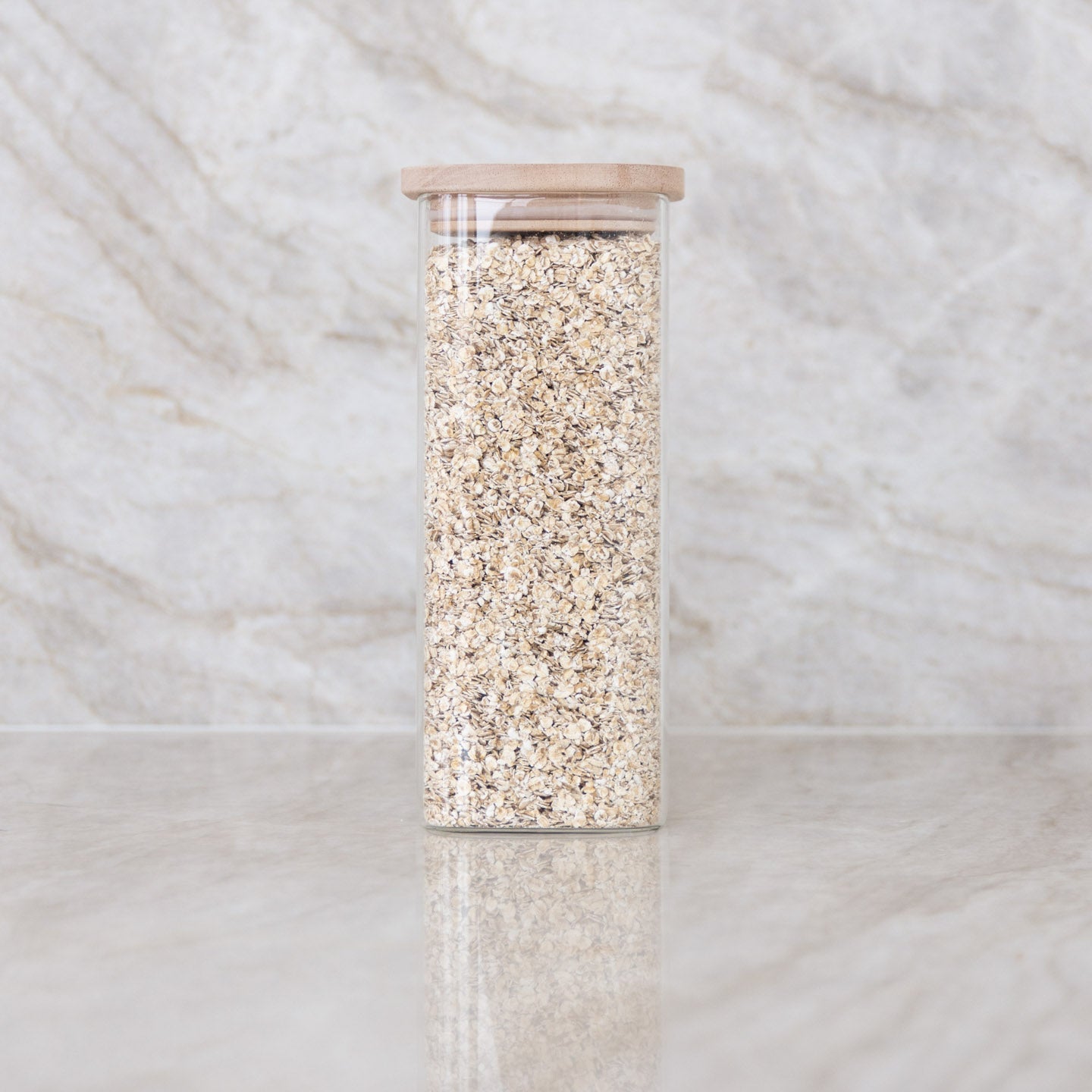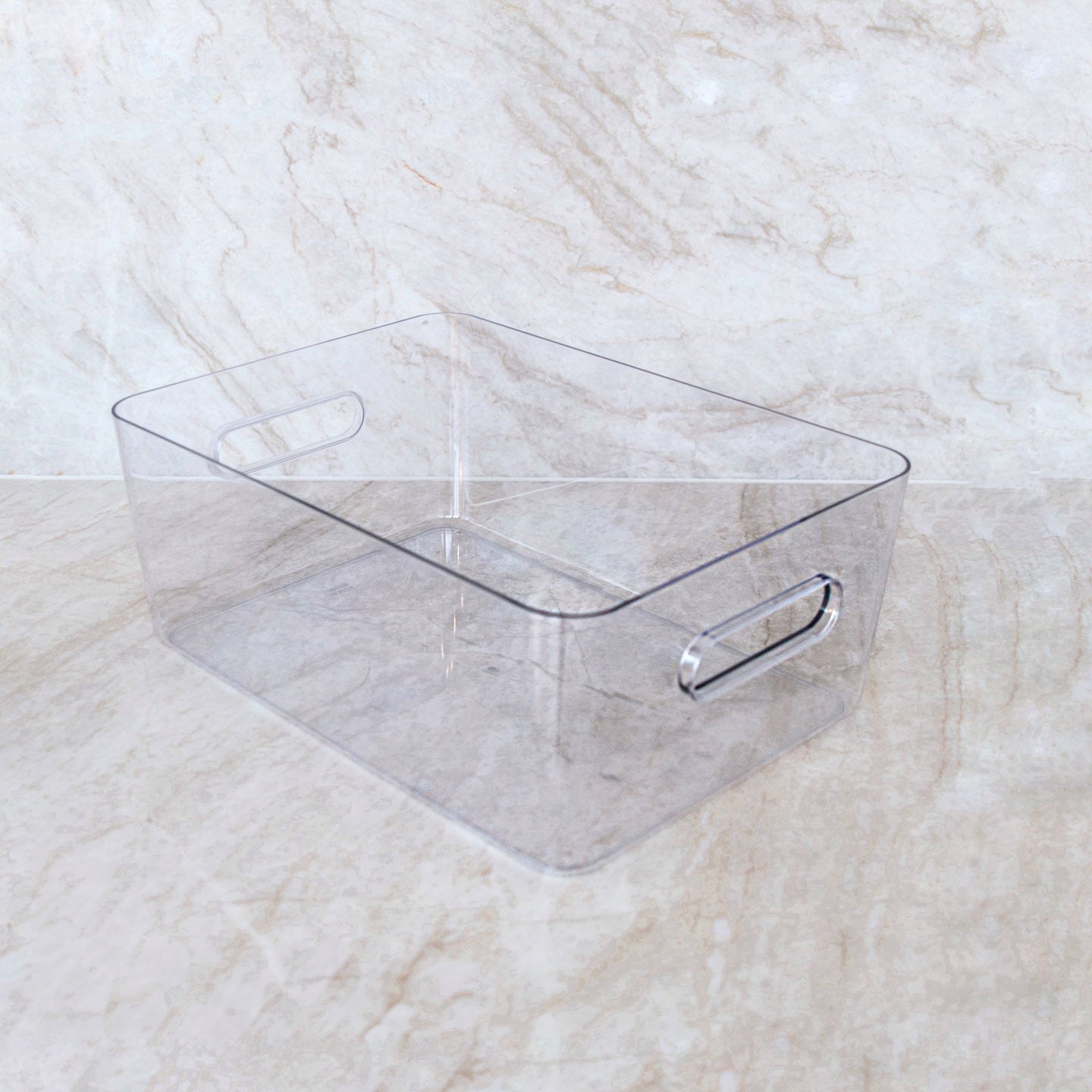

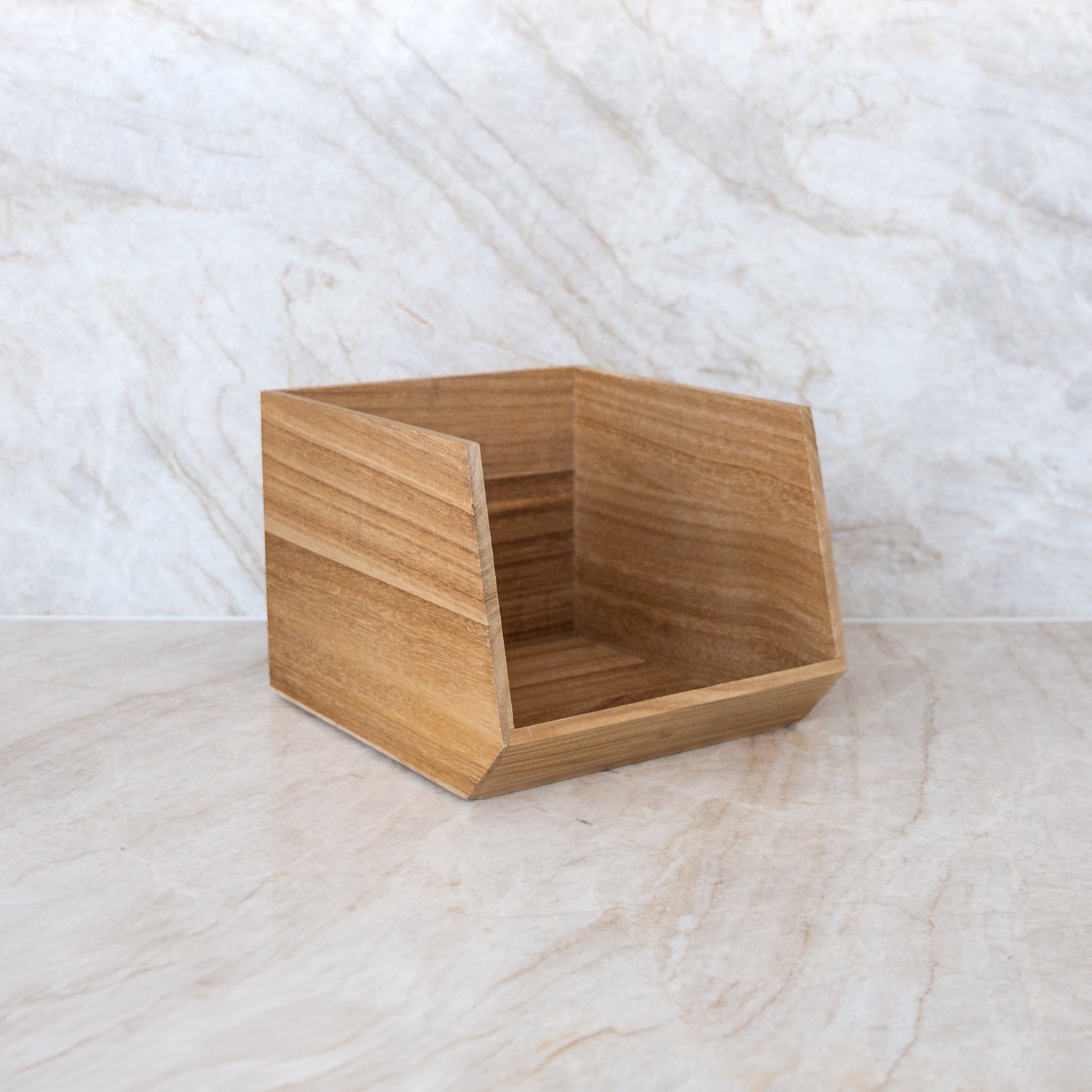
A storage shelf for a closet makes it easier to utilize both height and depth, giving you peace and overview of the shelves. When you divide into fixed zones and build in levels, you quickly find what you are looking for, and small items do not disappear at the back. Choose modules that match your closets, and stick to a few repeated sizes for a simple, harmonious expression. Place the shelves so that they fit your routines - this makes it easy to keep order in everyday life.
Pull-out shelf for cupboard
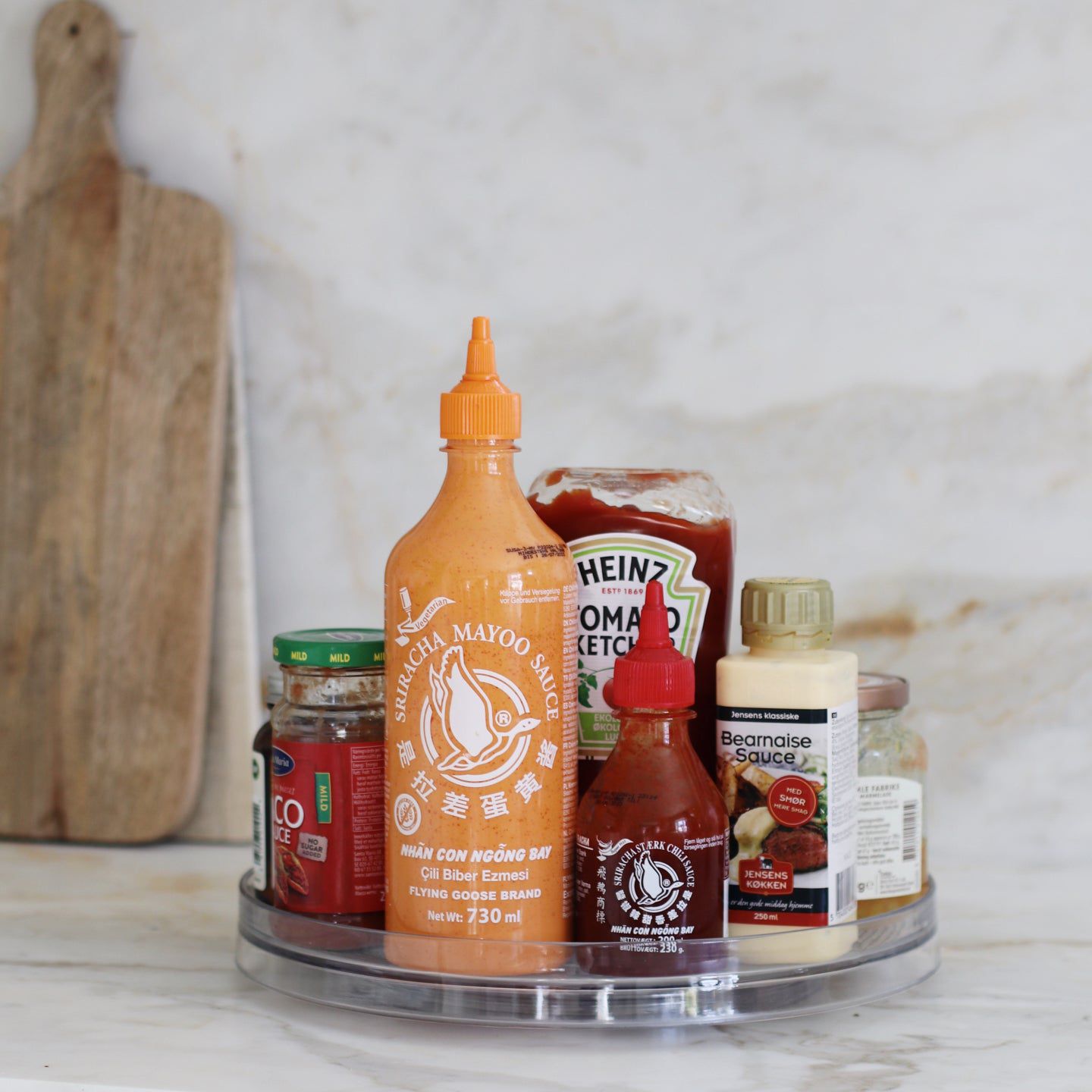
A pull-out shelf gives you a full overview in deep cabinets because you can pull out the shelf and see all the contents at once. It's especially practical for spices, baking supplies or small containers that would otherwise be hidden at the back. Measure the interior width and depth and choose a model that makes the most of the space without straining hinges. A pull-out storage shelf is a solid choice when you want to gather everyday favorites in one go and make tidying up a breeze.
Stackable storage rack
With a stackable storage rack, you work in height and create natural layers in the cabinet. This makes it easy to give each category its own place - for example, breakfast at the top and lunch boxes at the bottom. Stick to the same 2-3 measurements in the same cabinet for a quiet system that is easy to maintain. A stackable rack can be combined side by side or on top of each other, so the layout follows your shelf measurements and the amount you actually have.
Storage shelf for kitchen cabinet
In the kitchen, shelves create an overview in both tall and wall cabinets. Use them for dry goods, flour and rice in jars, breakfast accessories, lunch boxes or baking tins. Collect small items in boxes so that the categories are clear, and place them in fixed rows. Choose simple, repetitive solutions - this makes it easy to see where each category belongs and to put things back in their place. If you need to collect small items, you can add boxes in sizes that match your shelves.
How to get a quick overview
- Measure the cabinet: width, depth and distance between shelves.
- Choose 1-2 shelving types that fit the dimensions.
- Divide into zones: breakfast, cooking, baking equipment, serving.
- Place the most used items at eye level and build in stable levels.
- Keep the same location so that the system becomes recognizable in everyday life.
Storage shelf for wardrobe
In the wardrobe, a shelf helps separate categories such as scarves, belts, bags and folded sweaters. Build small sections so that each category gets its own shelf, and avoid stacks that are too high and tip over. Put rarely used items at the top and everyday items in the middle. When everything has a fixed place, it is easy to maintain a calm rhythm when dressing and undressing, and the closet feels more manageable.
Accessories that complement the shelving
Small helpers can strengthen the system in the cupboard. If you have pots and pans, a pot lid and pan holder can create vertical storage, so you can take advantage of the depth and avoid piles. If small categories need to be collected, simple boxes on the shelf can provide structure, while the rack lifts the back up so that everything is visible. Build slowly and continue with the same modules when your needs change - this way you maintain both overview and aesthetics.
When you work with fixed zones, stable levels and consistent measurements, the closet becomes easy to use in everyday life. A closet storage shelf is a simple move that creates visibility, reduces clutter and gives a calm expression to the entire room.