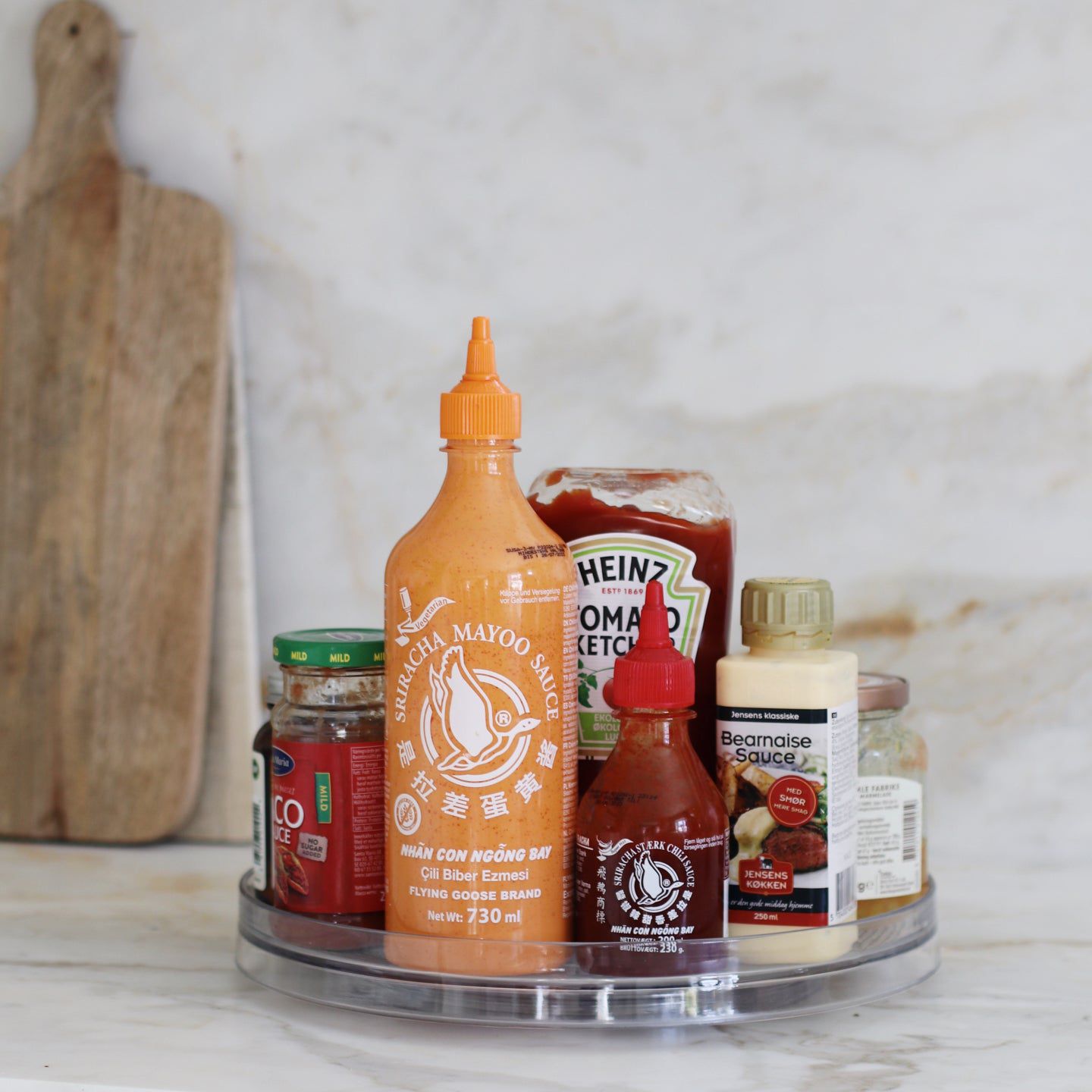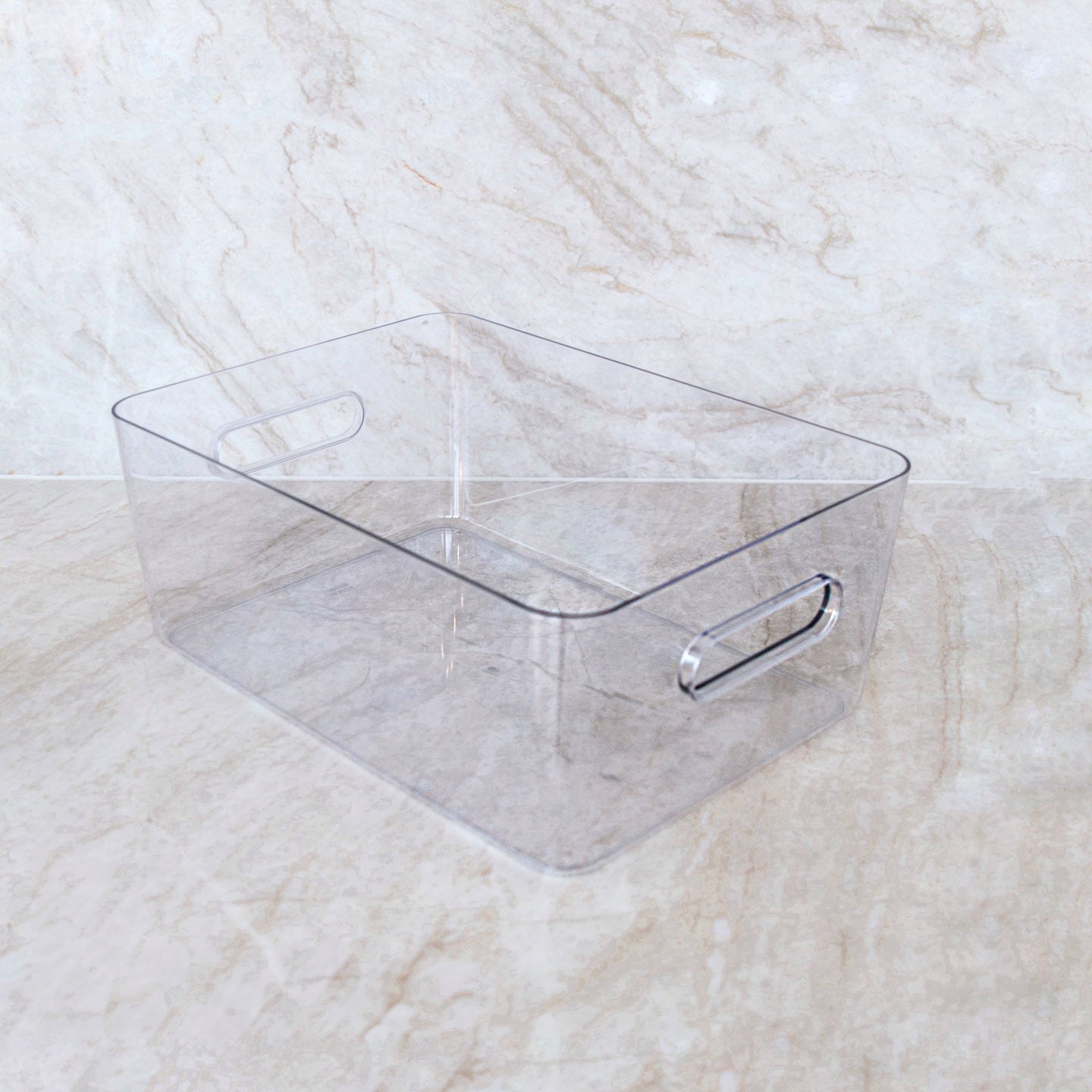

Good food storage is about more than just making space in cupboards and the fridge. It's about creating a kitchen where you can quickly see what you have, use food in a good rotation, and avoid small piles of bags, containers, and open packages. At Élé Living, you'll find storage solutions that make everyday life more manageable with a calm and uniform look. When groceries have fixed places, it becomes easier to shop, cook, and maintain order without having to start over every week.
Food Storage in the Kitchen
Start by dividing your kitchen based on how you use your groceries. Dry goods can be collected in cupboards or a pantry, snacks can have a designated box, and fridge items can be organized by meal or category. This makes it easier to find what you need and use what's already open.
A good rule of thumb is to stick to a few repeated sizes. This creates a calmer look and makes shelves and drawers easier to organize. In the kitchen category, you'll find solutions for cupboards, drawers, the fridge, and countertops, so you can create a consistent theme throughout the entire room.
Storage Jars for Dry Goods
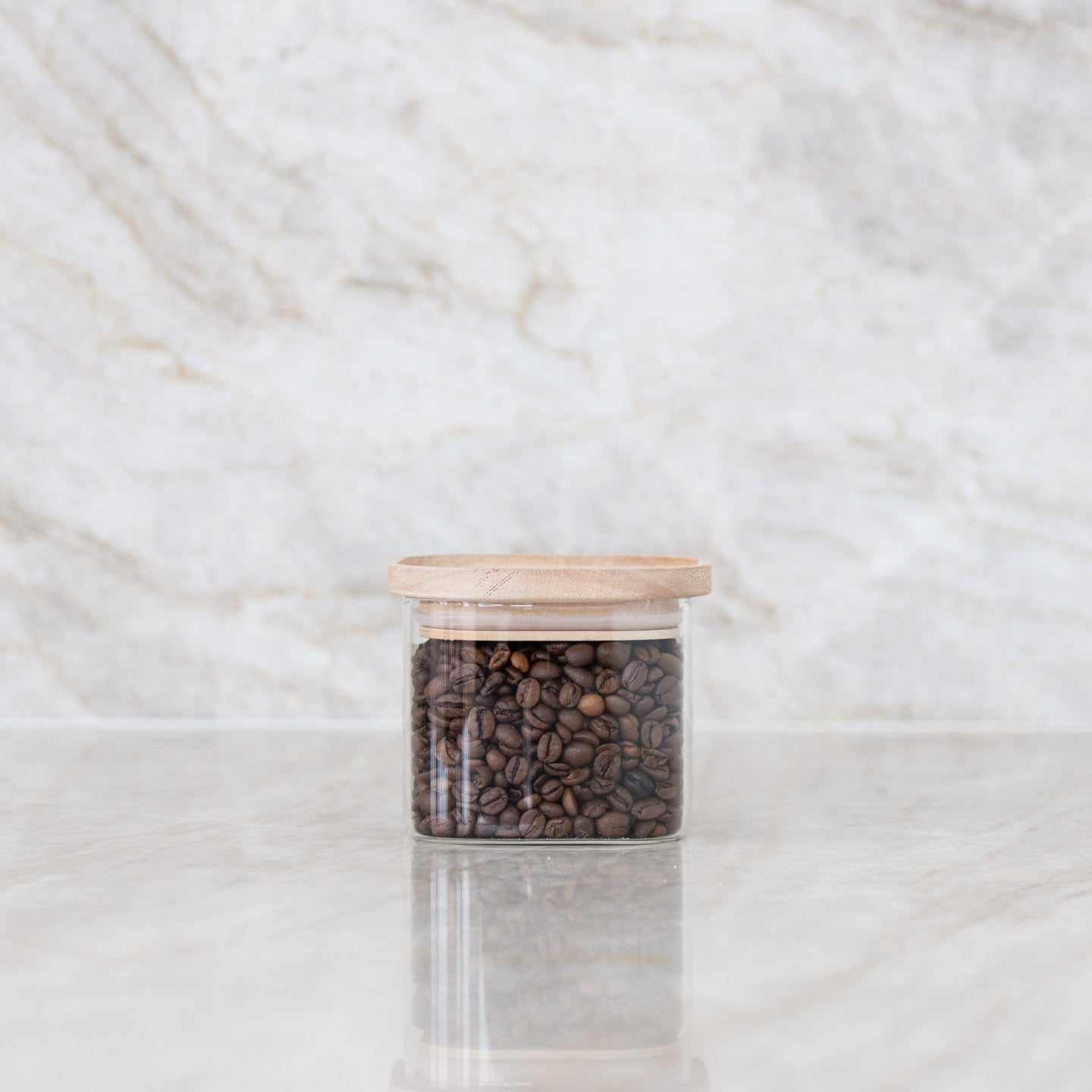
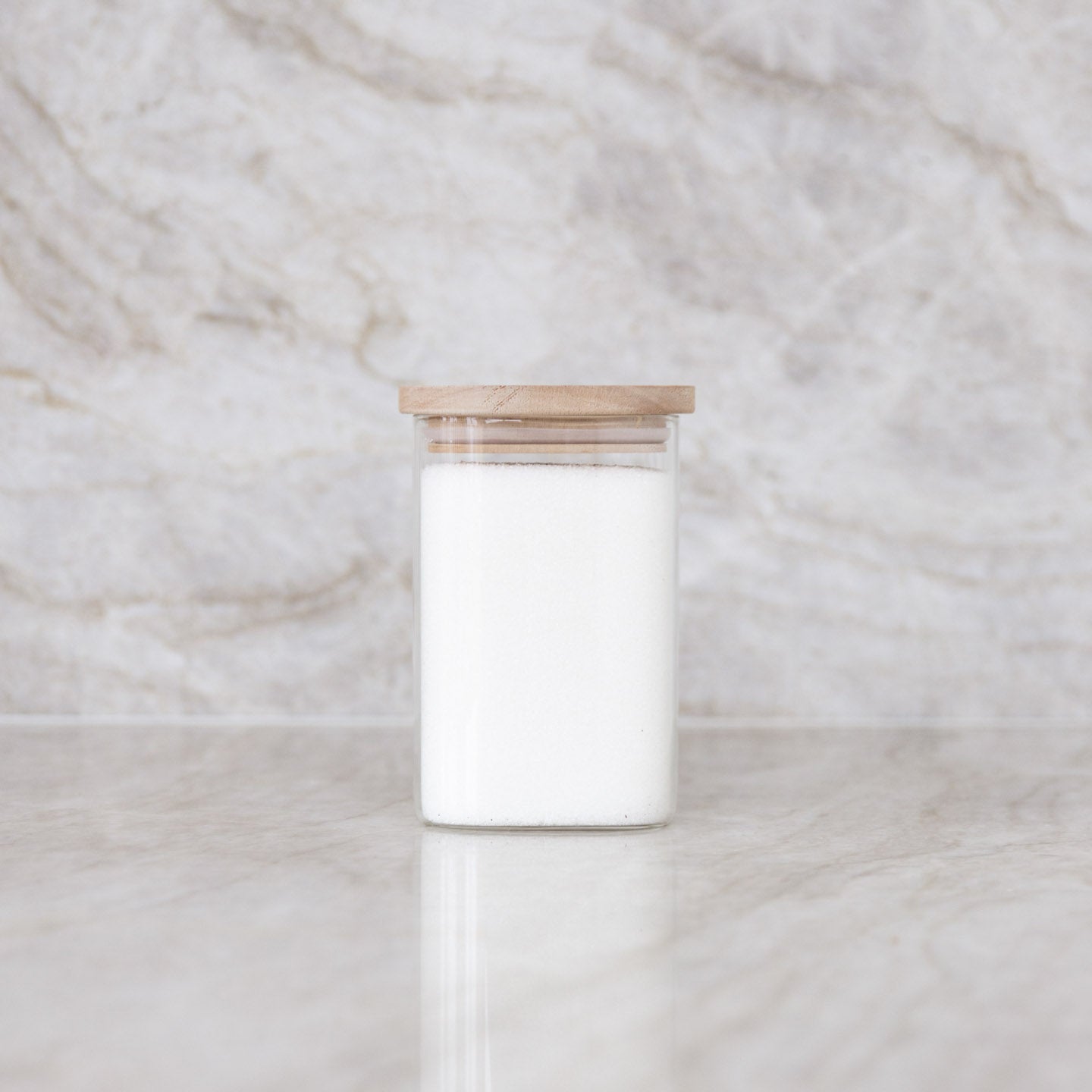
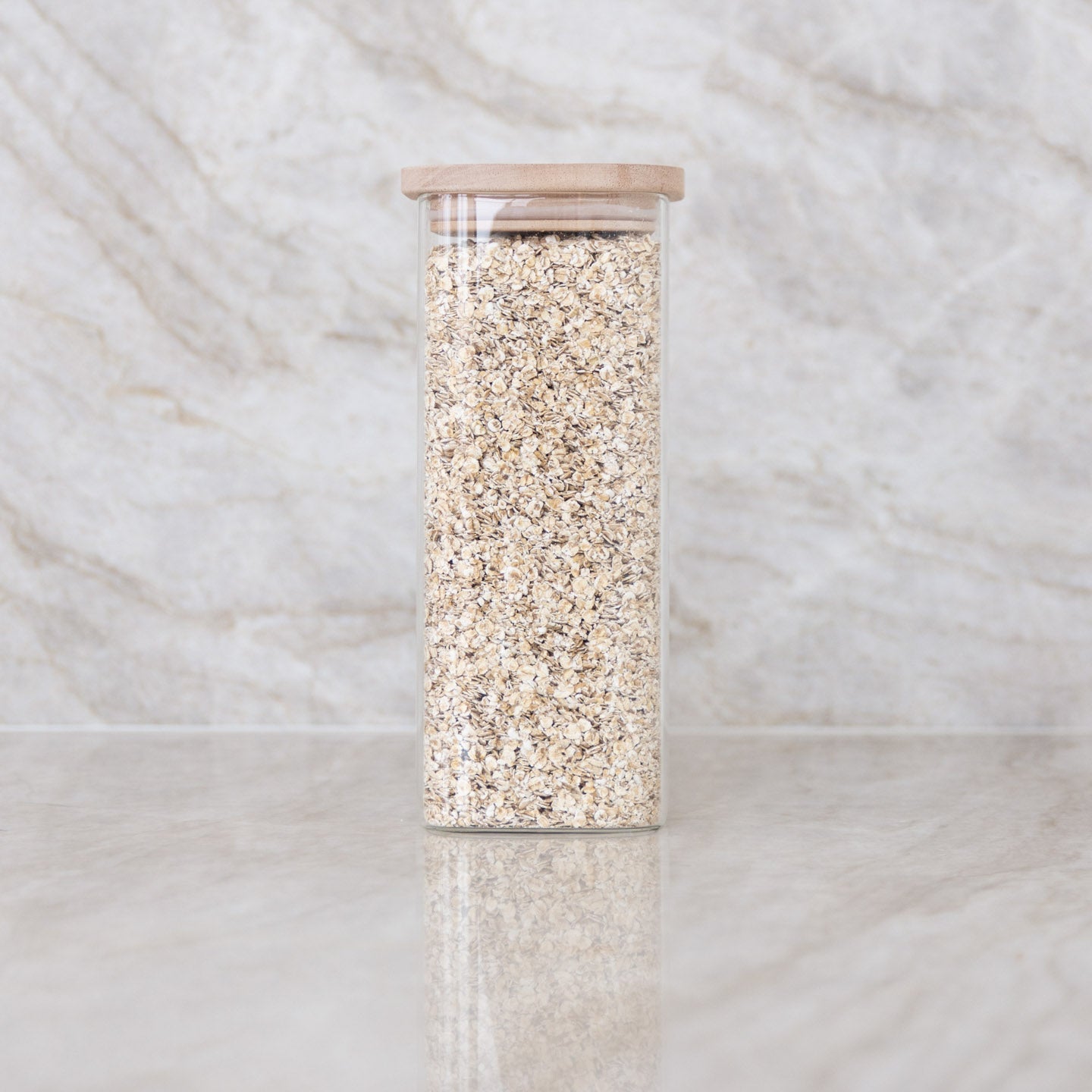
Dry goods like pasta, rice, oatmeal, flour, nuts, and muesli are ideal for pouring into storage jars. This provides a better visual overview because you can see the contents immediately. At the same time, you avoid many open bags that tip over or hide at the back of the cupboard.
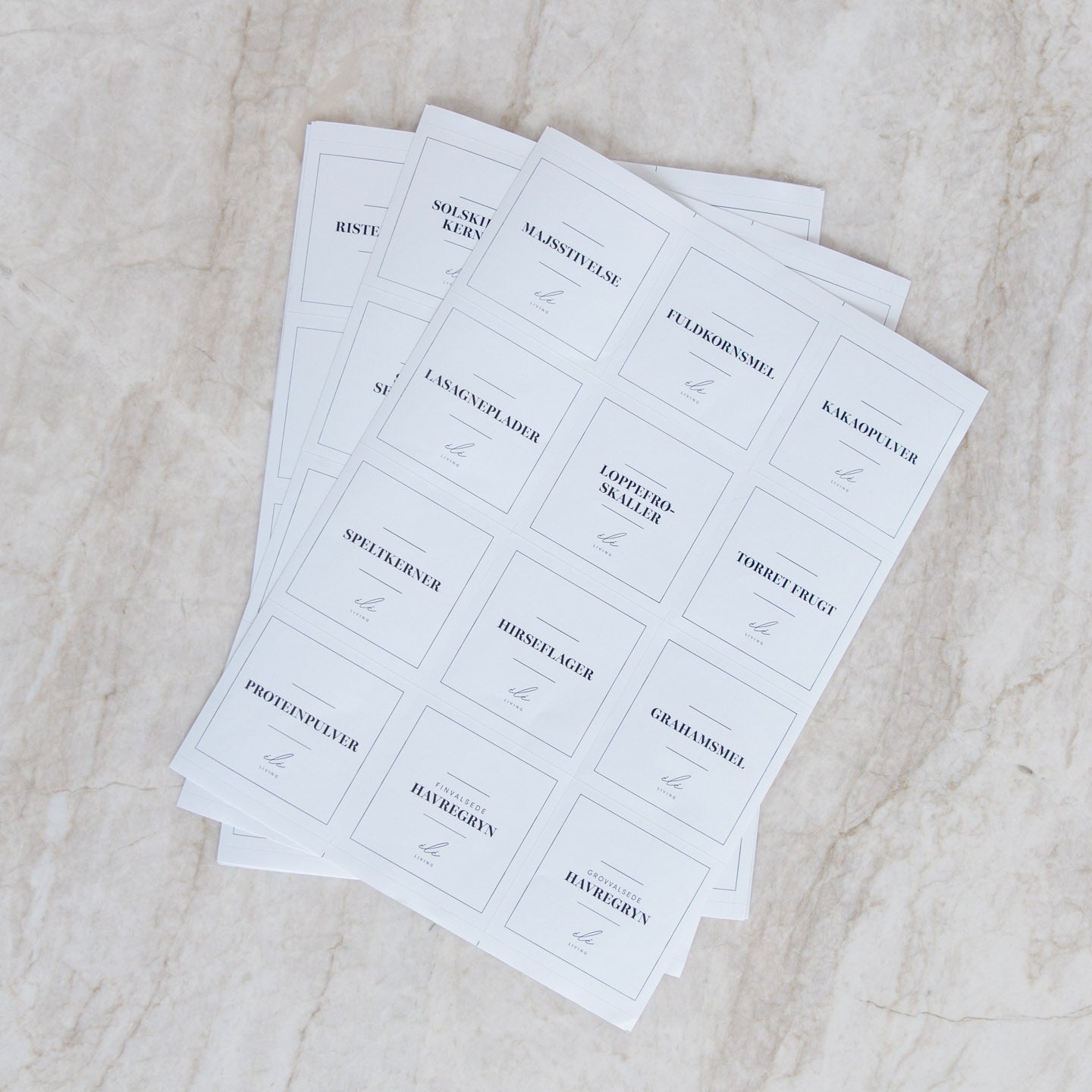
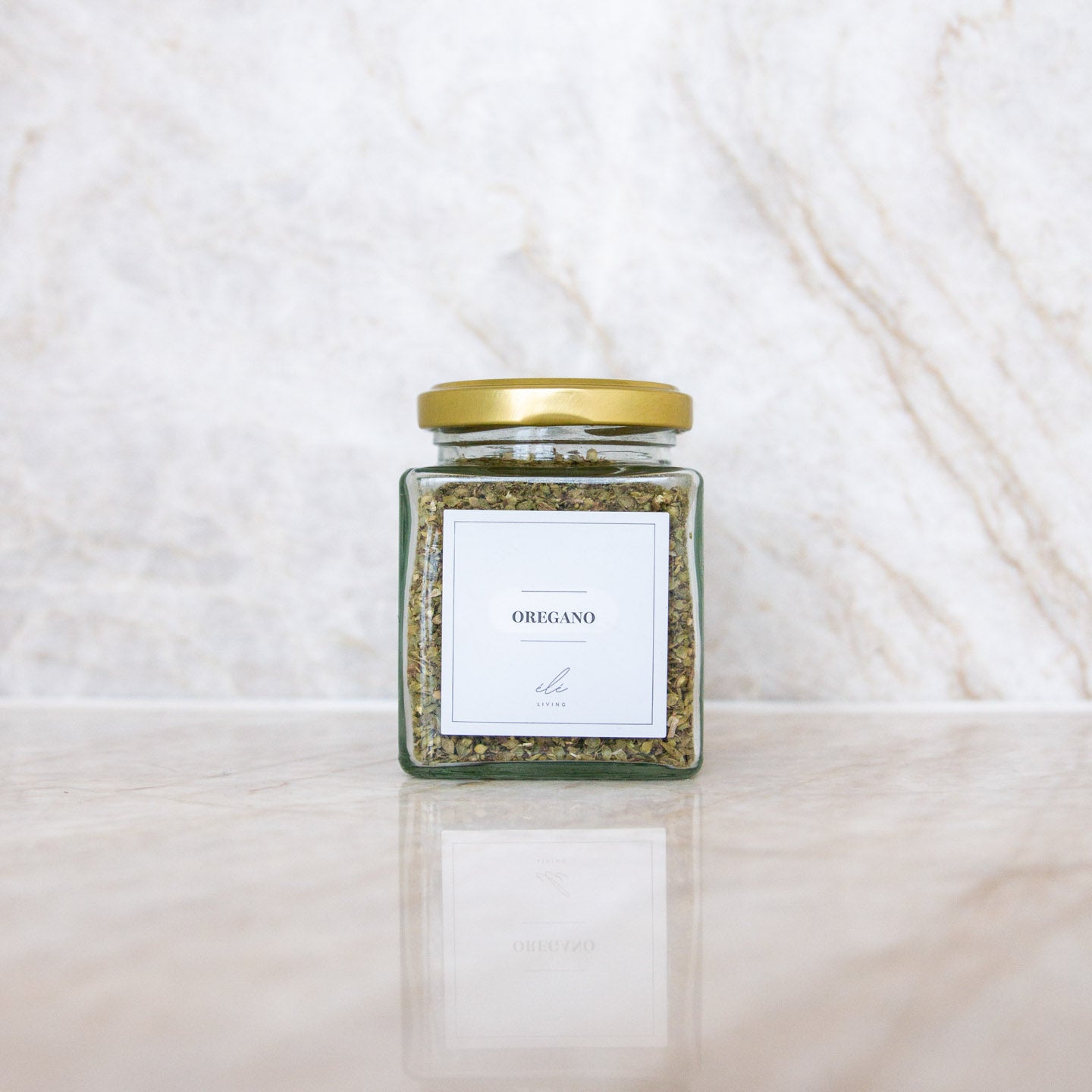
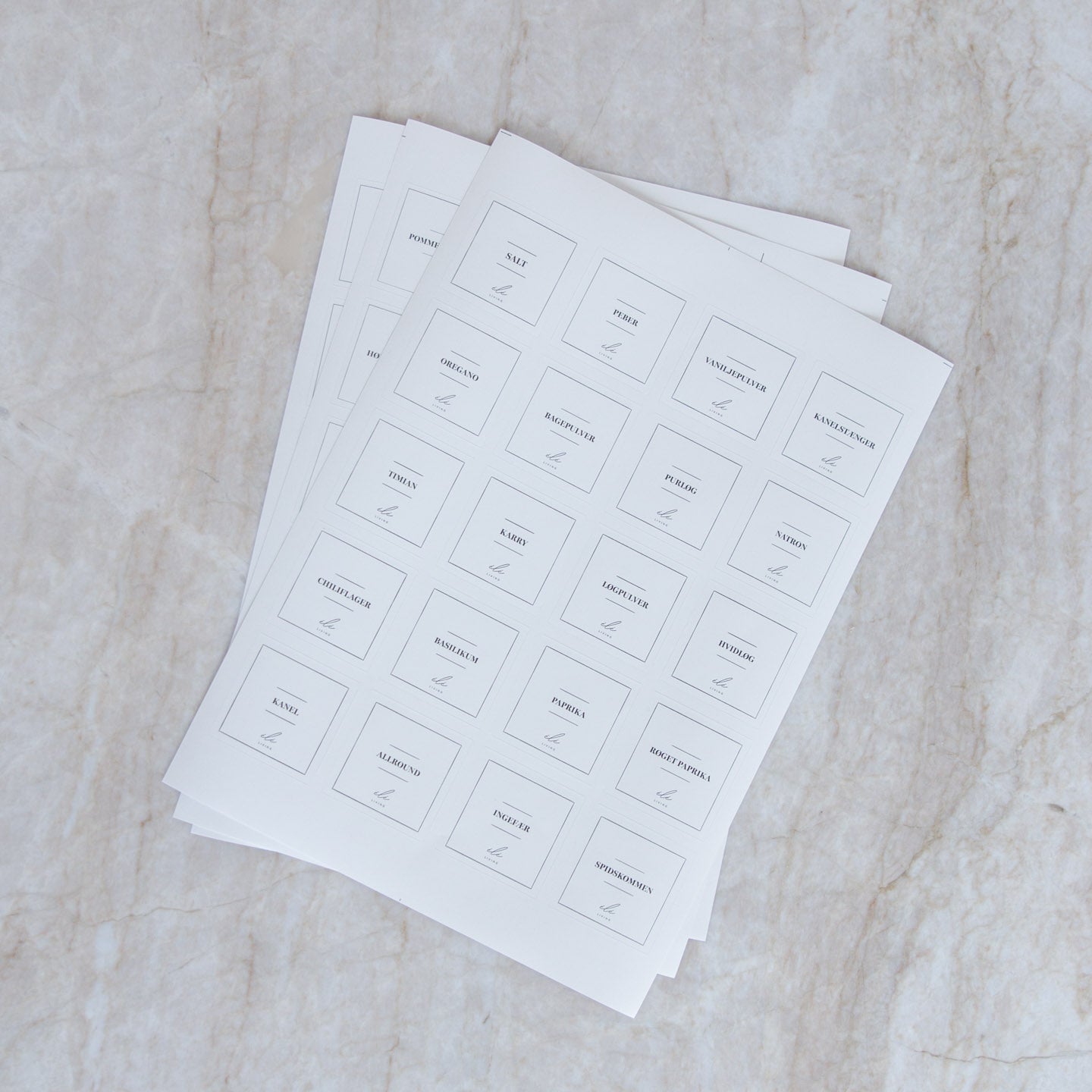
Square storage jars fit well on shelves because their shape utilizes space better than many round containers. They are also good at keeping pests out when food items are no longer stored in open cardboard and plastic packaging. If you want to make the system even more organized, labels in pre-made sets can be used for dry goods and spices, so everyone in the household can quickly find the right item.
Fridge Boxes for Food Items
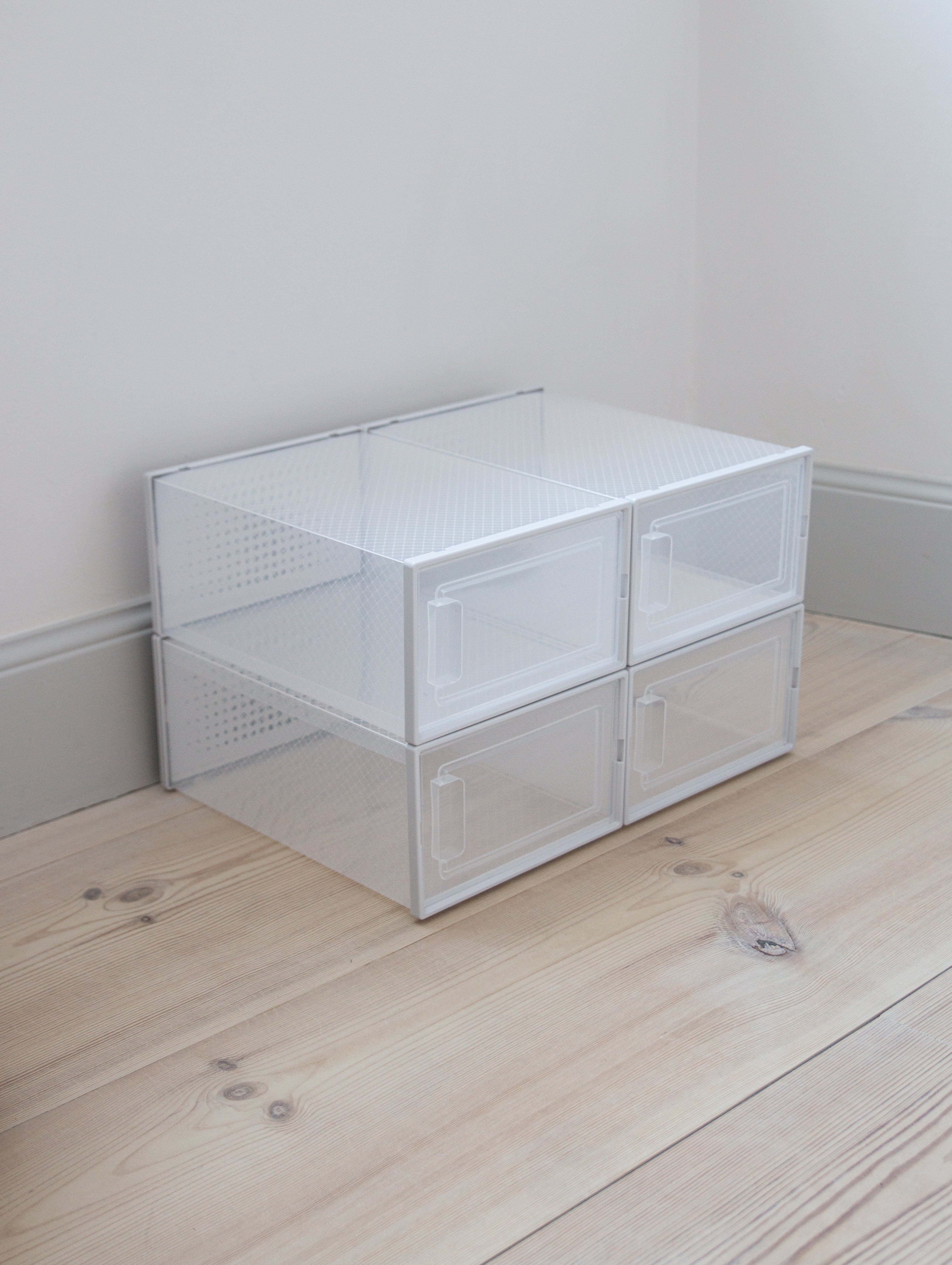
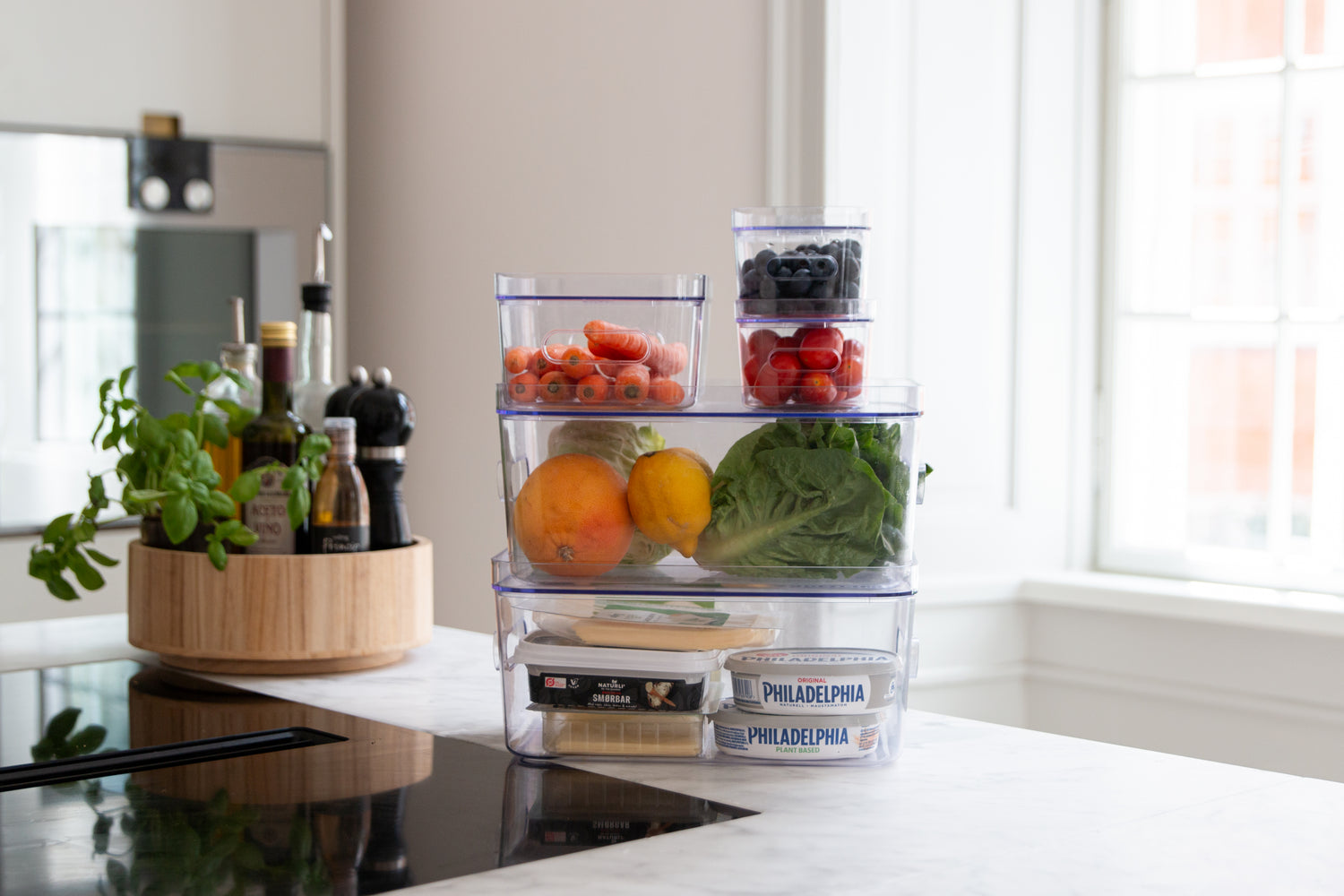
In the fridge, boxes create clear zones so food items don't disappear behind each other. Small fridge boxes are particularly useful for small loose food items, such as snacks and cold cuts. A practical example is the fridge box xs, which is good for small items that would otherwise quickly clutter the shelf.
Use sizes according to the function of the food items:
- Small boxes: berries, snacks, cold cuts, and small lunchbox items.
- Medium boxes: dairy products, open jars, and leftovers in smaller containers.
- Larger boxes: fruits, vegetables, and food items that take up more space in everyday life.
If you choose fridge boxes with lids, you can close each box with its lid and stack them on top of each other to optimize space in the fridge. When you pull out the box, it's easy to see the contents and put it back in place.
Food Storage in the Freezer
The freezer quickly becomes disorganized if food items are lying loose in various bags and containers. Here, fixed categories help, for example, bread, vegetables, ready meals, and small portions. Feel free to use solutions from freezer, so you can gather food items by type and more easily use what's already prepared.
Think in terms of flat zones and clear placements. When each category has its fixed place, it becomes easier to maintain an overview, even when the freezer is full.
Create a System that Suits Your Everyday Life
The best food storage is the one you actually use. Place boxes, jars, and containers to suit your family's routines. The food items you use most should be most accessible, while extra stock can be placed further back.
If you want to get started in a simple way, package solutions can be a practical shortcut to a more uniform system. When food items have fixed places, the kitchen becomes calmer, and you'll find it easier to maintain an overview in your daily life.