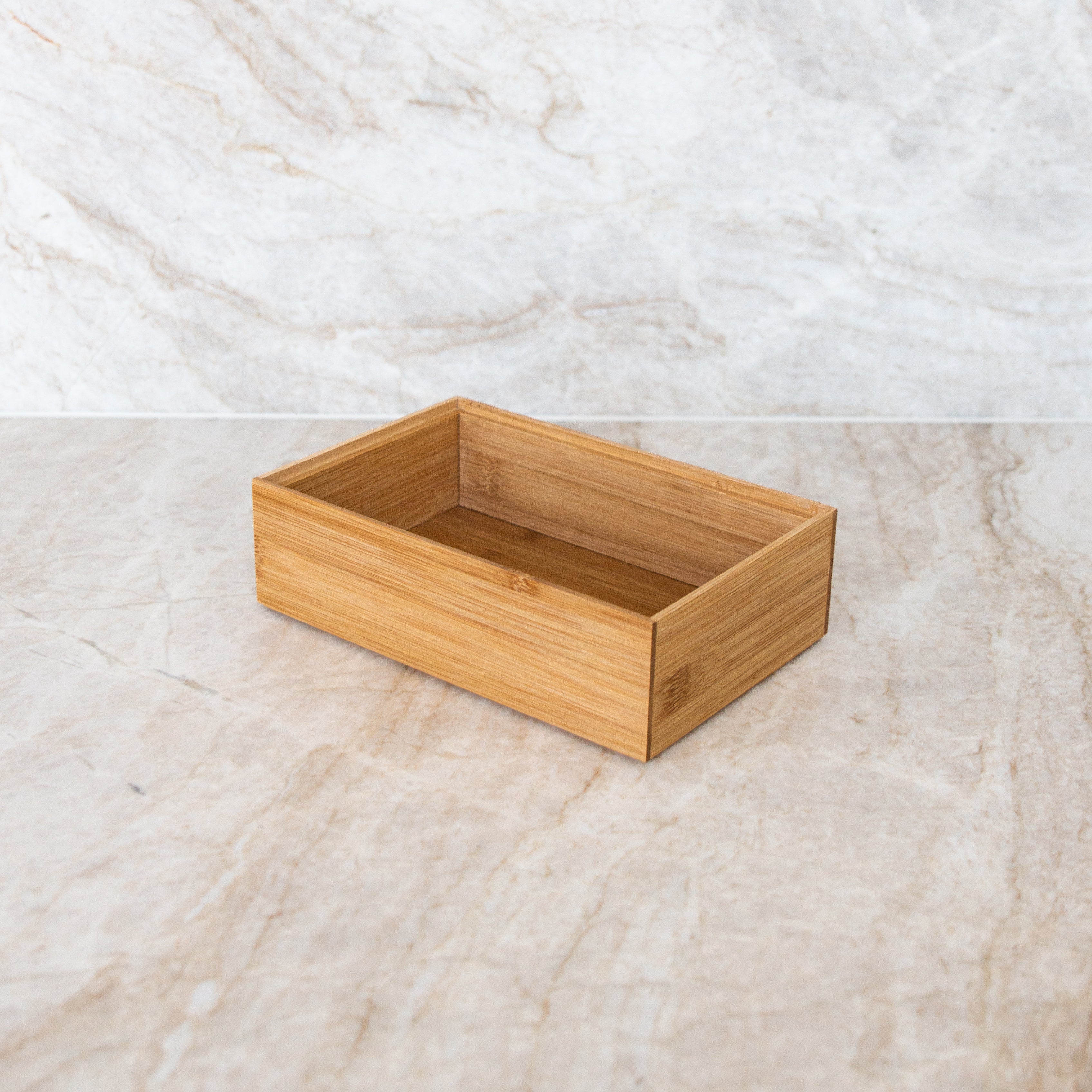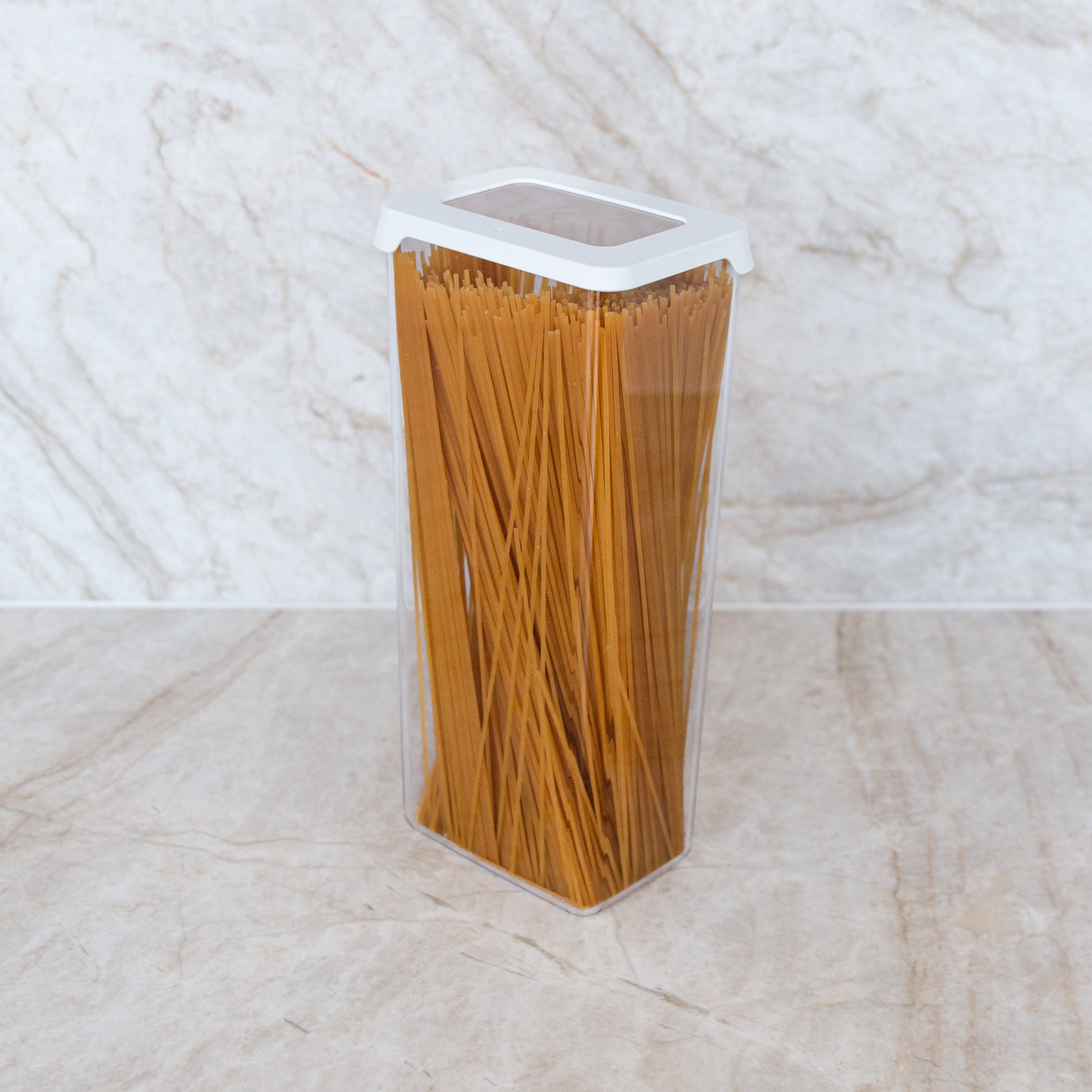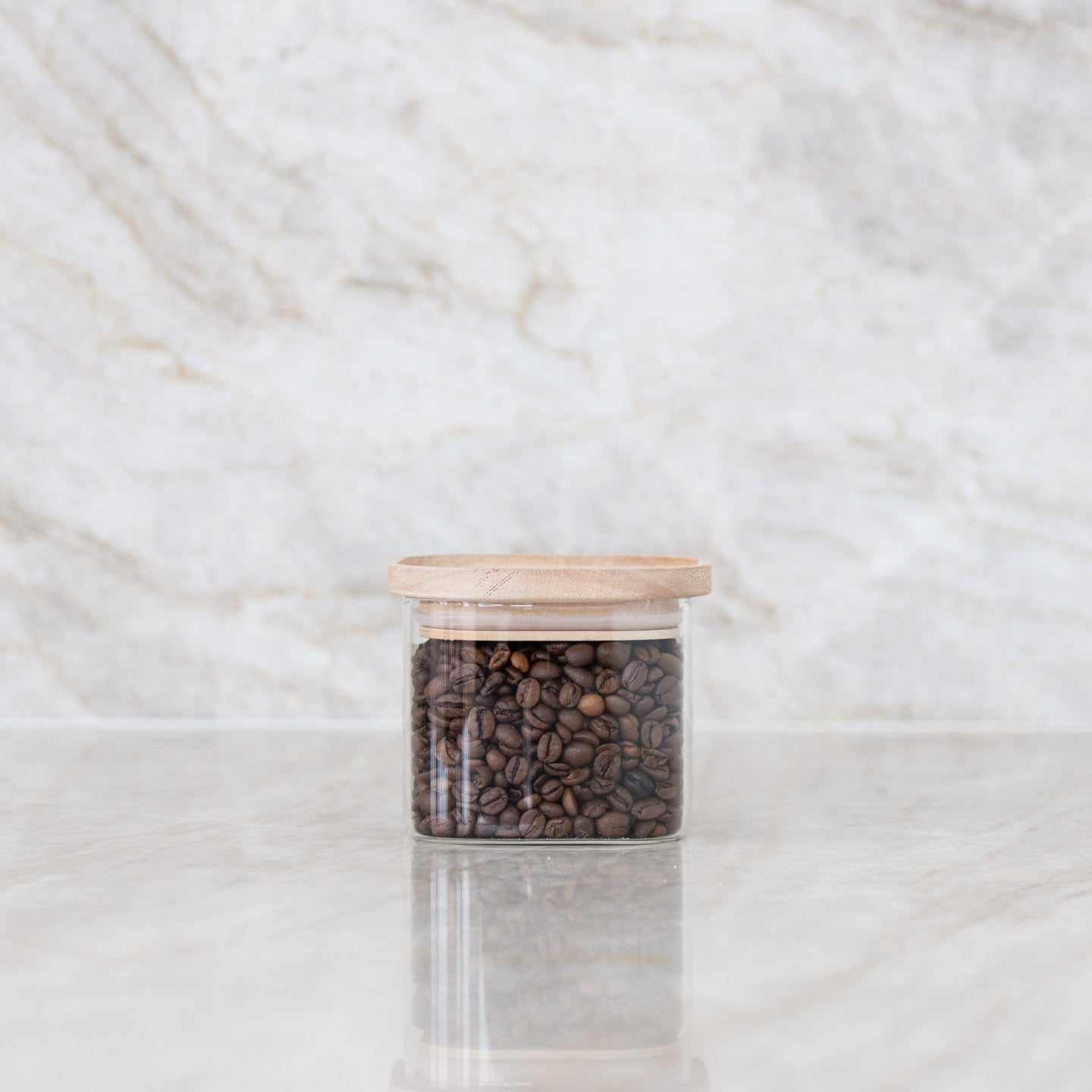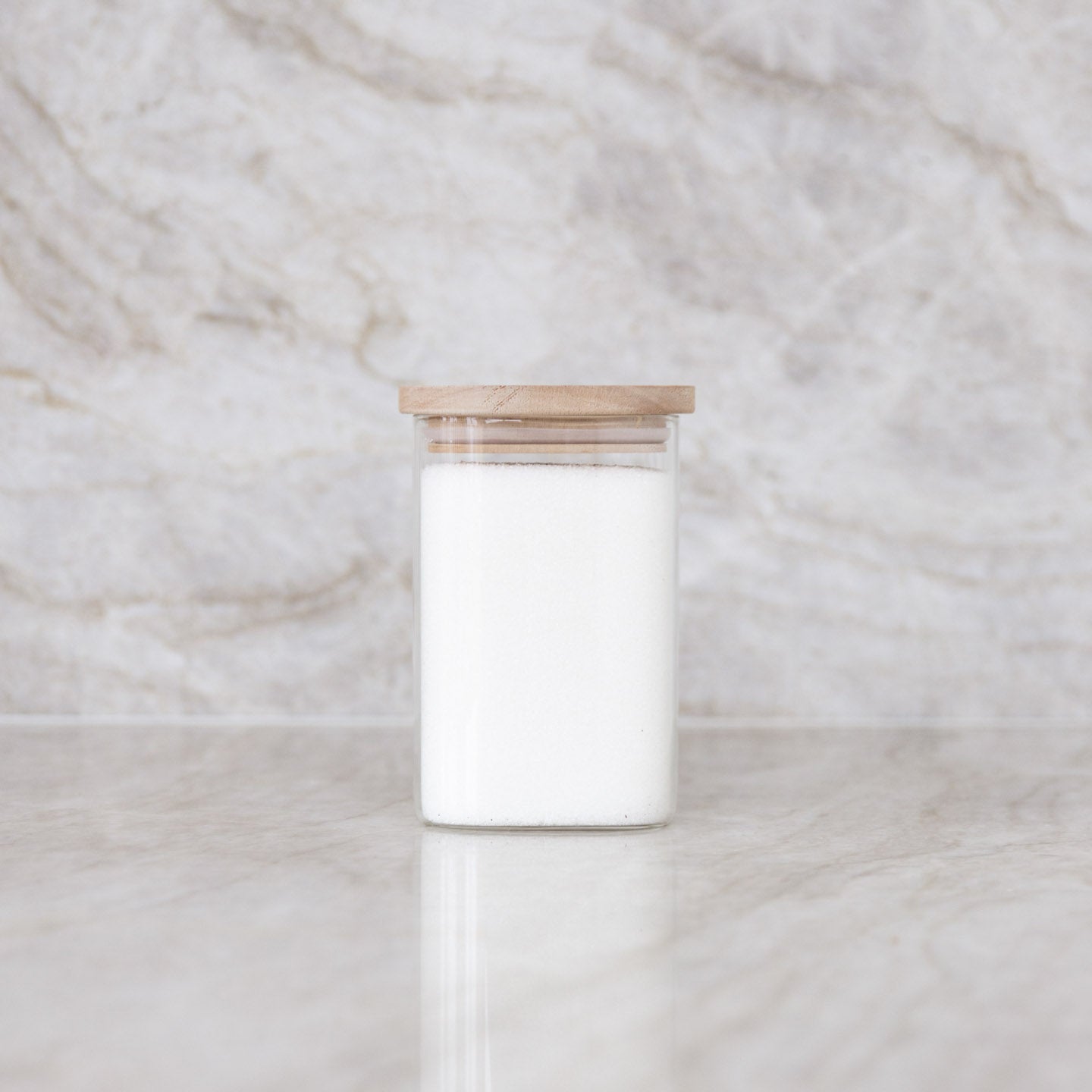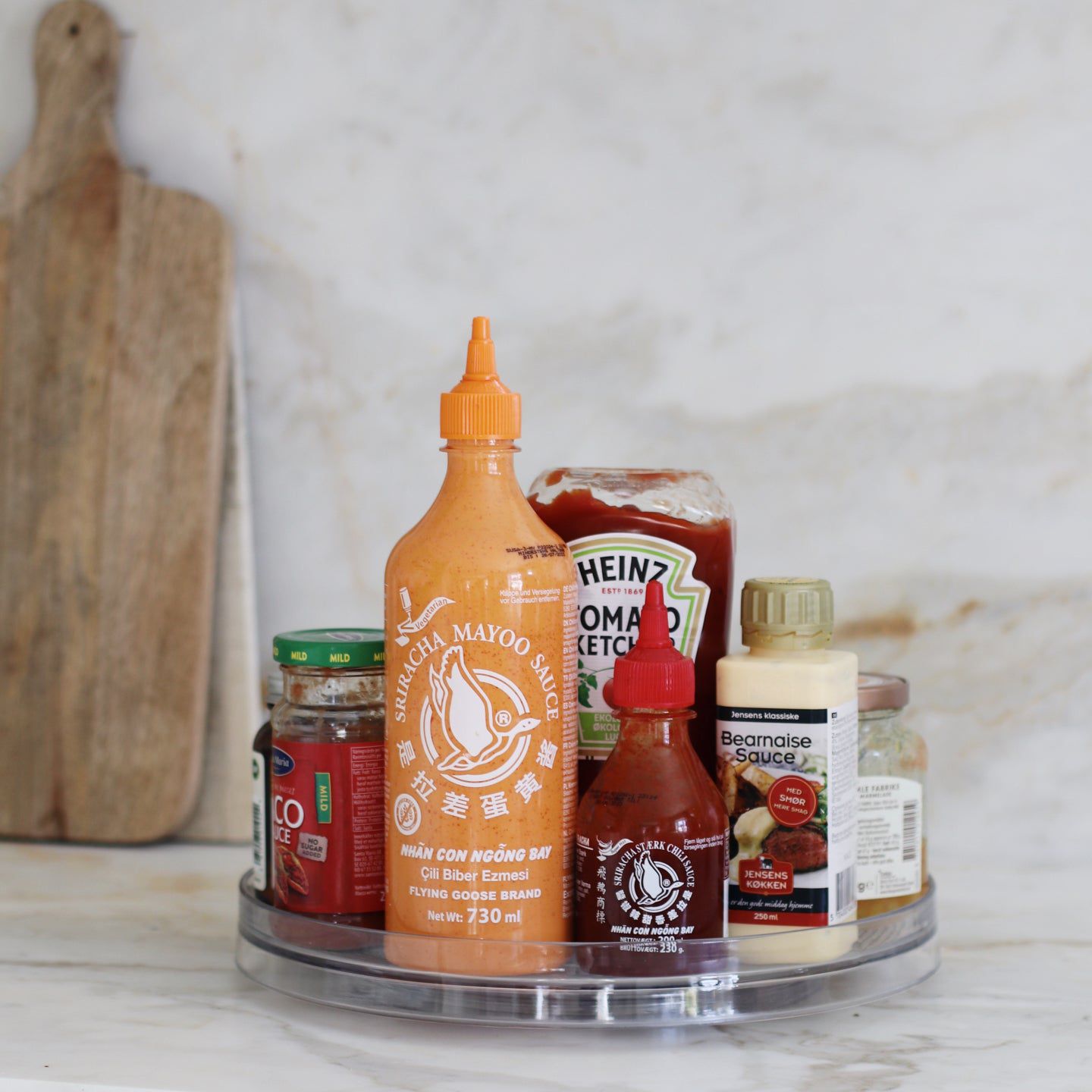

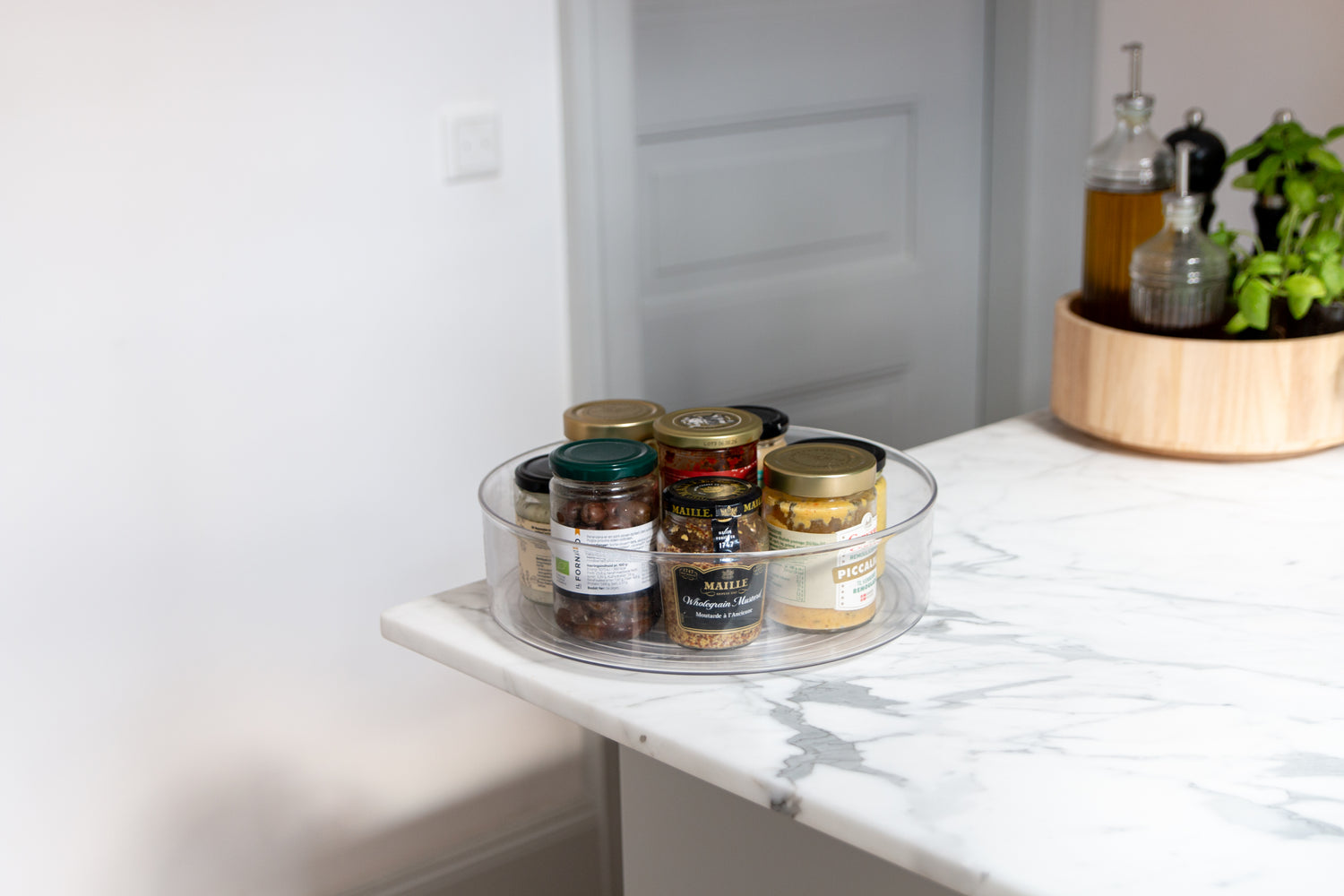
Good vegetable storage is not just about making space in the fridge. It's also about creating an overview so you can more easily use your food before it spoils. When vegetables are collected, visibly and logically placed, everyday life becomes simpler, and cooking feels calmer. At élé living, we work with storage that combines function and aesthetics, making the fridge a place of structure rather than clutter.
Storing vegetables in the fridge
When storing vegetables in the fridge, it's beneficial to group them into zones. This makes it easier to see what you have before you buy more. A dedicated spot for greens can also help with food rotation, as you'll more easily use what came in first.
Start by taking everything out and sorting by type and use. Vegetables for packed lunches can go in one place, greens for dinner in another, and small snack vegetables can be grouped together. This way, the organization fits your family's routines, instead of the fridge just being filled from front to back.
Fridge containers for vegetables
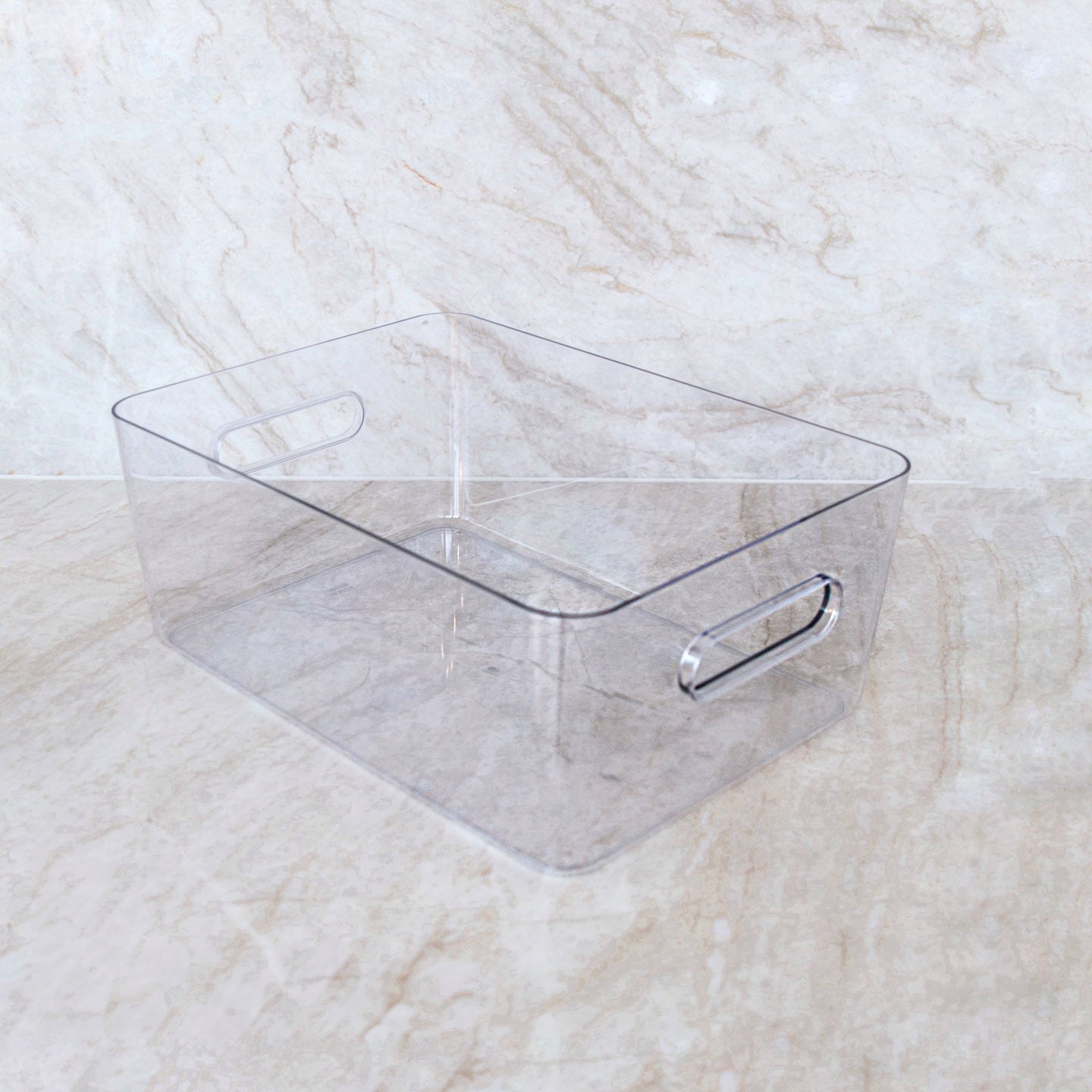
Fridge containers are ideal when you want to create fixed places for vegetables in the fridge. A practical solution is the fridge container XS, which is great for small loose foods like berries, snacks, and cold cuts that can otherwise quickly create clutter.
For larger portions of greens, the small fridge container can be used for items such as carrots, bell peppers, or cucumbers, while the medium fridge container can hold larger fruits and vegetables, dairy products, or open jars, giving the shelves a more serene appearance.
If you want to see more solutions for the fridge, you can explore the Refrigerator category, where you'll find transparent containers and boxes for organizing your fridge.
Position the containers to suit your family's routines
The best storage is the one you actually use every day. Therefore, consider which vegetables you reach for most often and place them in the most accessible spots. Snack vegetables can be grouped together for easy access. Vegetables for dinner can be placed further inside if they are typically used at the same time.
A simple way to organize the fridge is:
- Small containers: For berries, snacks, cold cuts, and smaller food items.
- Medium containers: For dairy products, open jars, and larger fruits and vegetables.
- Larger containers: For food items you want to group in one clear zone.
When each type of food has its place, it becomes easier to put groceries away and maintain an overview.
Storing cut vegetables
Cut vegetables require a different type of storage than whole vegetables. Here, glass food storage boxes can be relevant because they neatly and clearly organize smaller portions. A practical example is the glass food storage boxes with bamboo lids 3-pack, which provides different sizes for leftovers, cut vegetables, or prepared food items.
This makes it easier to see what's ready to use when you open the fridge. At the same time, you can create a consistent routine where prepared vegetables are grouped together and don't get lost among other foods.
Create calm with a few repeating sizes
A harmonious fridge often emerges when you stick to a few repeating sizes. This creates a more uniform look and makes it easier to build a stable structure. If you choose fridge containers with accompanying lids, you can close the containers and stack them on top of each other to optimize space in the fridge. When you pull out a container, it's easy to see the contents and put it back in place.
Ultimately, good vegetable storage is about making everyday life easier. With clear zones, visible food items, and solutions that fit your habits, you get a fridge that feels both practical and pleasant to use.