
Are you also looking for your keys just as you're about to leave the house? You're not alone. Keys easily end up on the kitchen counter, in a jacket pocket, or at the bottom of a bag when they don't have a designated spot. With a simple key storage solution, you'll gain more peace of mind regarding those small routines and better oversight in your daily life.
Why is a designated spot for keys a good idea?
Clutter affects our well-being. It's as simple as that. This also applies to the small items you use every day. When house keys, bike keys, mailbox keys, and key fobs are scattered in different places, it can cause unnecessary interruptions during a busy morning or on the way home.
A designated key spot makes it easier to form a habit: keys are placed in the same spot as soon as you enter the door. It's not about perfection, but about making everyday life a little simpler. When you know where to look, you avoid searching.
Choose the right location for key storage
The best solution is one that fits the way you live. Therefore, consider where you naturally place your belongings when you come home. For many, a spot near the entrance is obvious, but it doesn't have to be out in the open.
- On a dresser or shelf in the entryway, a small box can keep keys organized in a calm and clear manner.
- In a drawer by the entrance, you can create a more discreet solution where keys are still within reach.
- In a cabinet near the door, you can collect extra keys, spare fobs, and small items not used every day.
- A designated spot for your bag and outerwear makes it easier to remember both keys and the items you need to take out the door.
Avoid making the system too extensive. One clear spot is often enough for the keys you use most frequently. Spare keys can advantageously have their own, more secluded spot, so they don't get mixed up with those you use daily.
How to organize keys in a drawer
A drawer is a good solution if you want to keep the entryway simple and visually calm. Here, you can create small zones so that keys, glasses, headphones, and other necessities don't end up in one pile.
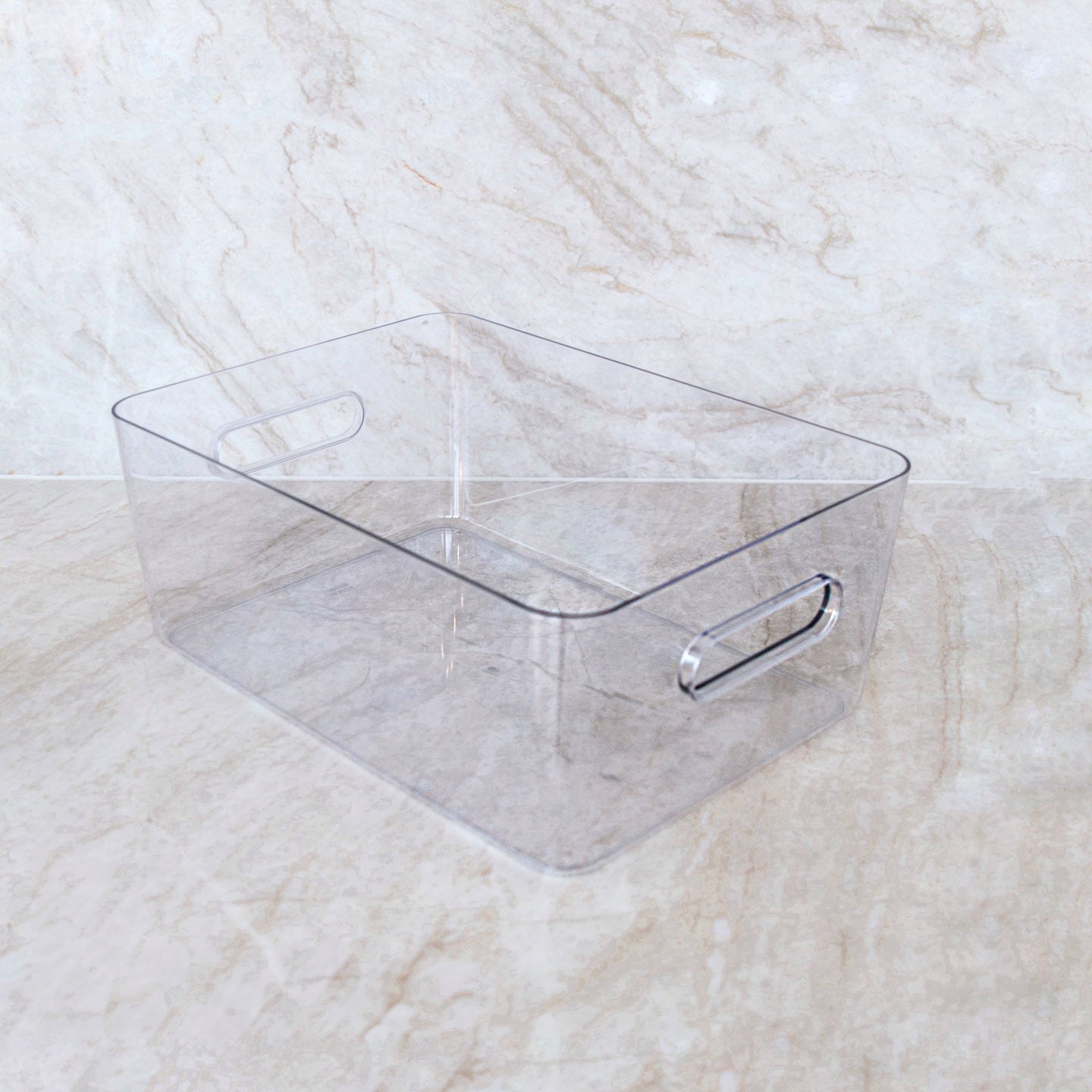
A small drawer organizer can give keys a defined space, making them easy to find and preventing them from shifting around in the drawer. If you have several different sets of keys, you can assign each compartment a function, for example, house, bike, or work.
- Remove everything from the drawer so you can see what's actually in there.
- Sort the keys and set aside any key sets you no longer use.
- Decide which everyday keys should be placed at the front for easiest access.
- Give other small items their own compartments so the key space remains clear.
It's a small system, but it makes a big difference. When everything has its place, you make it much harder for clutter to thrive.
Use a box as a designated key holder
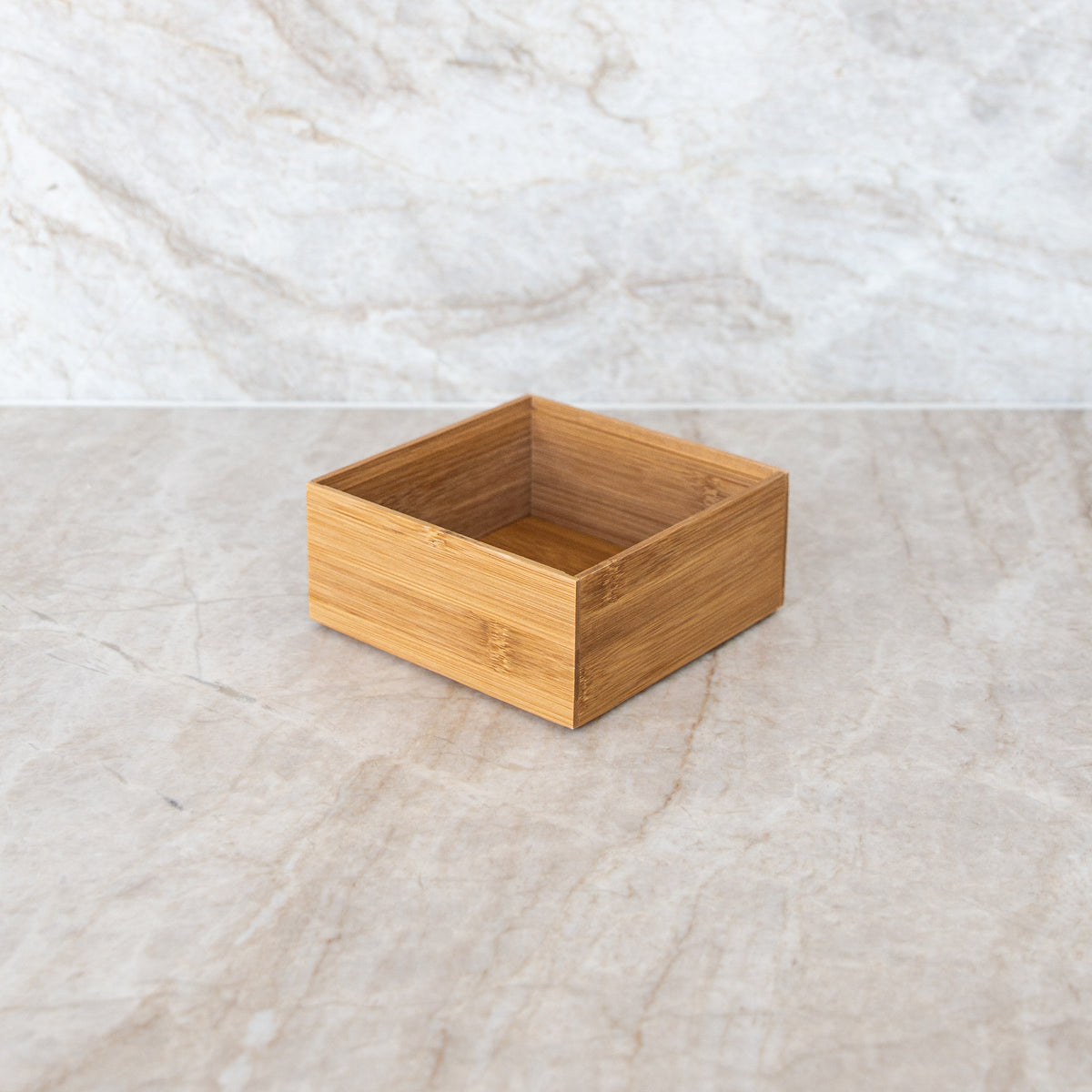
If you want to keep your keys visible but gathered, a small box can be a good solution. Natural materials like wood add warmth to the entryway and can also provide a calmer aesthetic. It's aesthetics for the soul when practical items are also allowed to look nice.
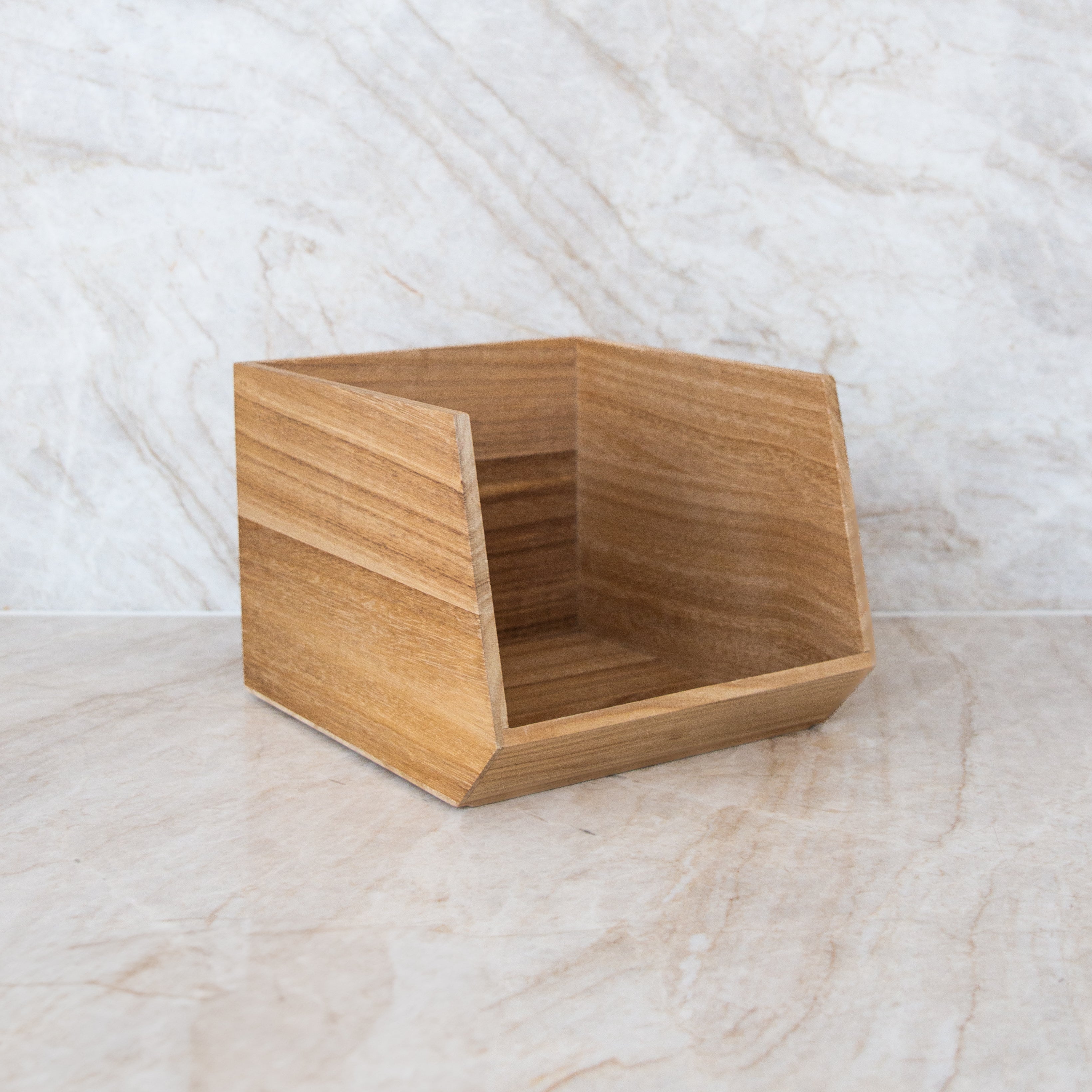
An acacia wood box can be used as a fixed base on a dresser or shelf. Here, you can gather your keys with the small items you often take with you, without them spreading across the surface.
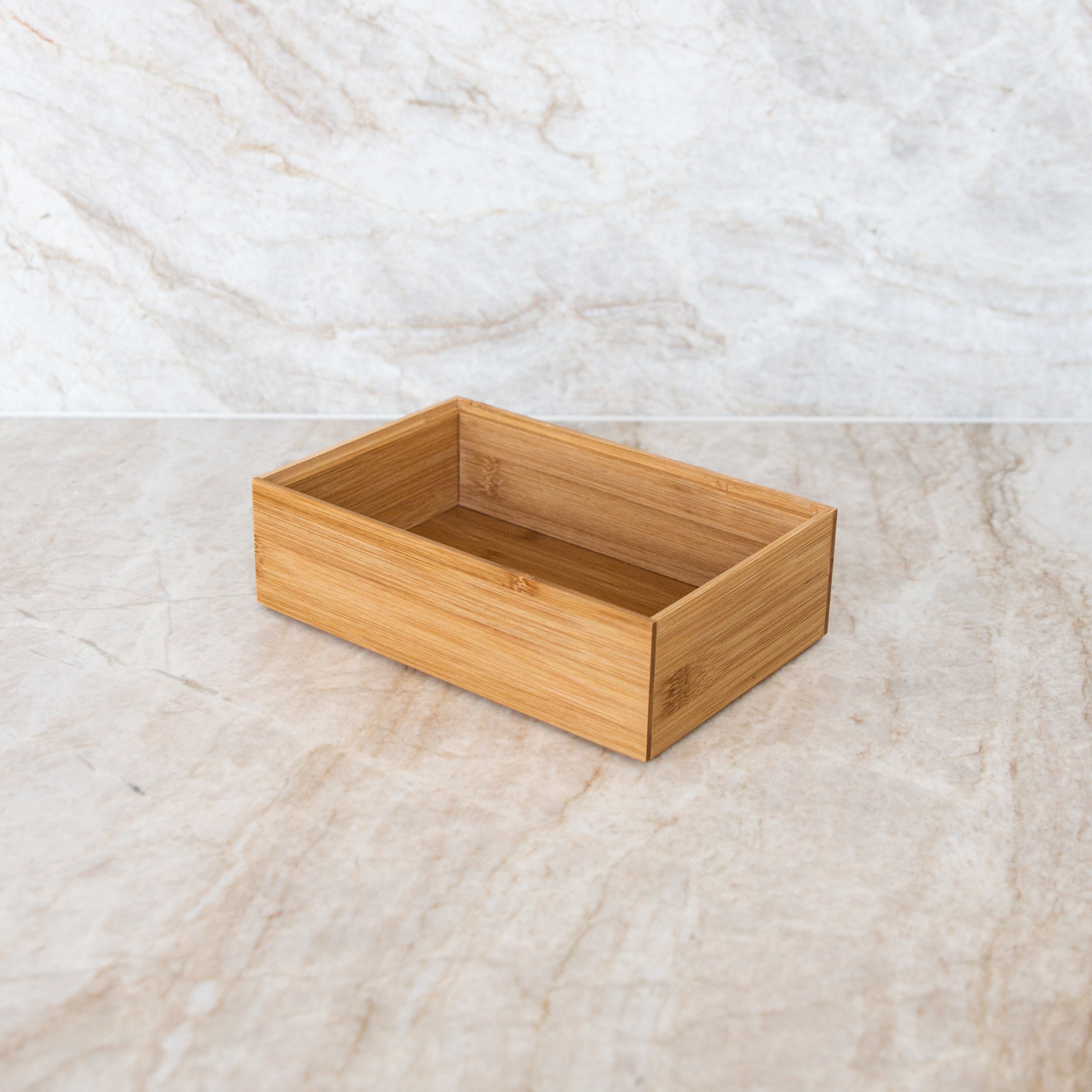
If you need to organize several small everyday items together, a bamboo multi-organizer can be a practical aid. It fits well in a drawer or in a designated spot where you want to create an overview without making the decor feel heavy.
Make the new key spot a habit
The best key storage only works when it's easy to use. Therefore, place the solution somewhere you naturally pass, and choose a size that matches the number of keys it needs to hold.
- Put the keys in their place as soon as you get home.
- Only keep the keys you use frequently most easily accessible.
- Review the key spot occasionally and remove old keys you no longer recognize or use.
- Show everyone in the household where the family's shared keys should be kept.
You don't need to turn your entire entryway upside down to gain more overview. Start with the keys. A small, clear change can be the beginning of a simpler lifestyle with more energy and better flow in your home.
Frequently Asked Questions
Where should I store my keys?
Choose a designated spot near the door you use most often. This could be in a drawer, a box on a dresser, or a cabinet in the entryway.
How do I keep track of multiple sets of keys?
Separate the key sets into their own compartments or small boxes. Keep the most frequently used keys at the front so they are always easy to grab.
Is it better to store keys visibly or hidden away?
It depends on your daily routine. A visible box makes keys quick to access, while a drawer provides a calmer and tidier appearance.
What should I do with spare keys?
Store spare keys separately from your everyday key sets. Choose a fixed and secluded spot so you always know where they are, without them being out in the open.