
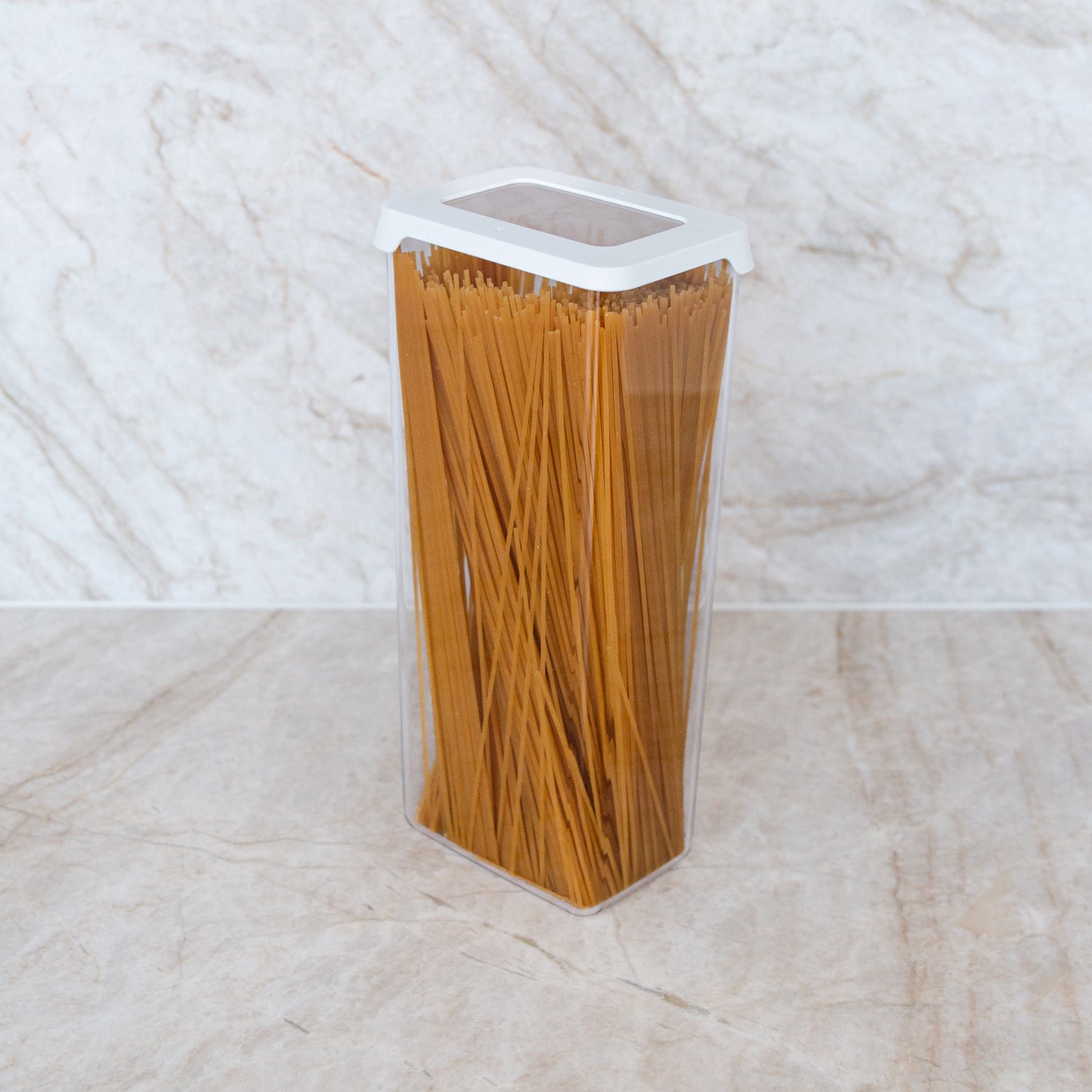
Airtight containers make it easier to keep track of food items, odors, and moisture. When lids close tightly, you can store leftovers, meal preps, and pantry staples in a more controlled way. This creates a sense of calm in drawers, cabinets, and the refrigerator, allowing you to quickly find what you need. At the same time, it makes daily planning easier because you can portion, stack, and see what's ready to use.
Airtight containers for food storage
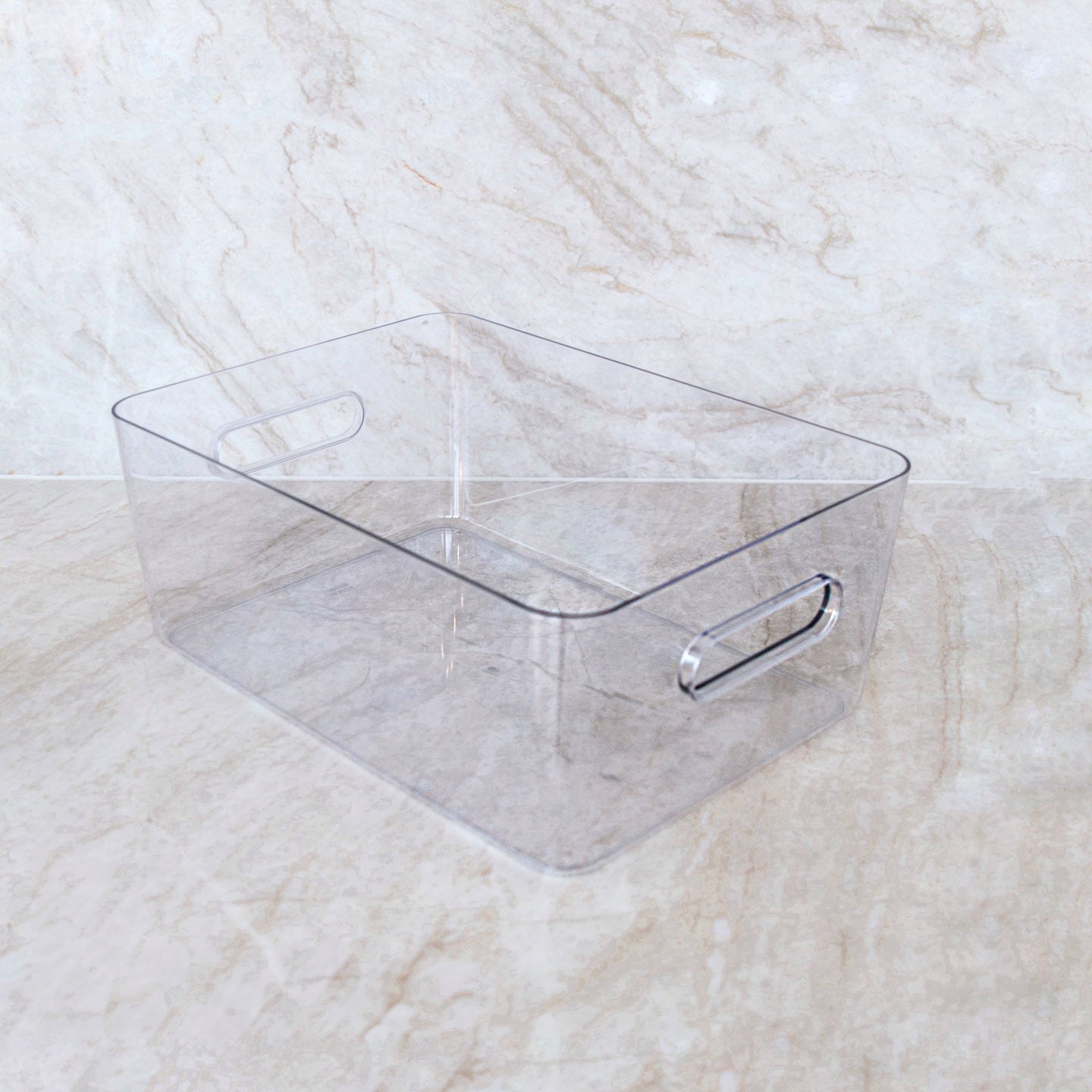
Choose airtight storage containers when you want to keep food separated and well-organized in the kitchen, refrigerator, and freezer. They are suitable for stew leftovers, cooked grains, cut fruit and vegetables, and portioned meals. Put on the lids and create fixed zones on the shelves so the whole family knows where breakfast, snacks, and dinner leftovers are. When the containers are gathered in a few repeated sizes, you can easily stack them and utilize the height of the shelves.
Airtight containers for the freezer
In the freezer, it's about protecting the contents from air and keeping batches organized. Airtight containers can help maintain structure and flavor when storing dishes or ingredients in portions. Fill the container appropriately, leaving a little room for expansion when freezing liquid or semi-liquid dishes. Date label and gather similar dishes in the same section so you can quickly take the oldest first. Get more ideas for organization and overview in the freezer category.
Sizes and system in everyday life
A well-functioning system is built on a few, well-considered sizes. Think about what truly resides in your containers, and let each size have a clear role.
Practical examples
- Small containers: nuts, seeds, berries, sliced vegetable sticks, small leftovers, and snacks.
- Medium containers: sliced cold cuts, lunchbox sides, cooked grains, and pasta sauce in everyday portions.
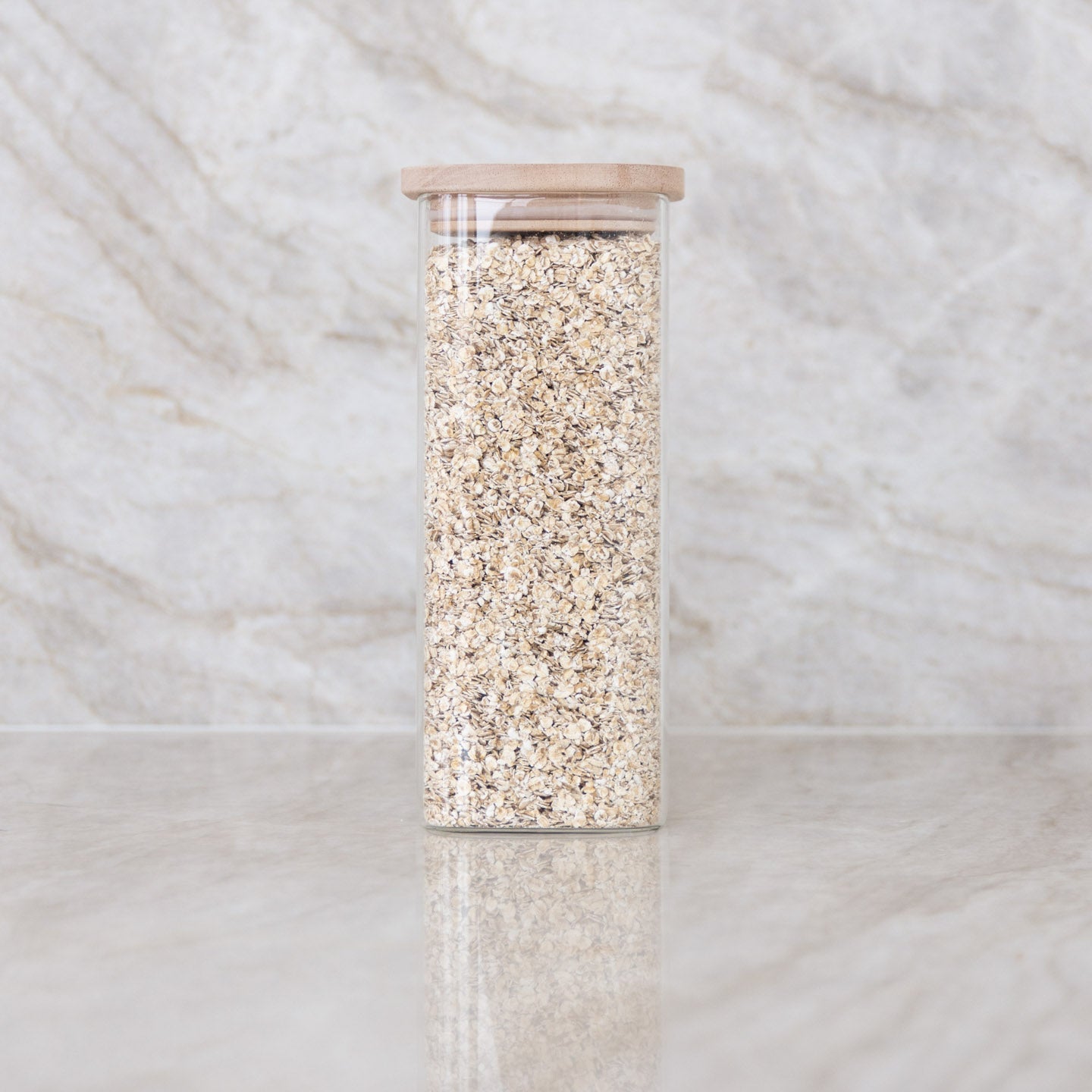
- Large containers: flour, oatmeal, rice, and larger quantities of soup or stew divided into family portions.
- Long/flat containers: lasagna, oven dishes, or sliced vegetables layered for quick access.
Place containers to suit your routines. For example, group lunchbox ingredients together to streamline the morning routine, and assign dinner leftovers to a fixed shelf so they are used first.
Overview with labeling
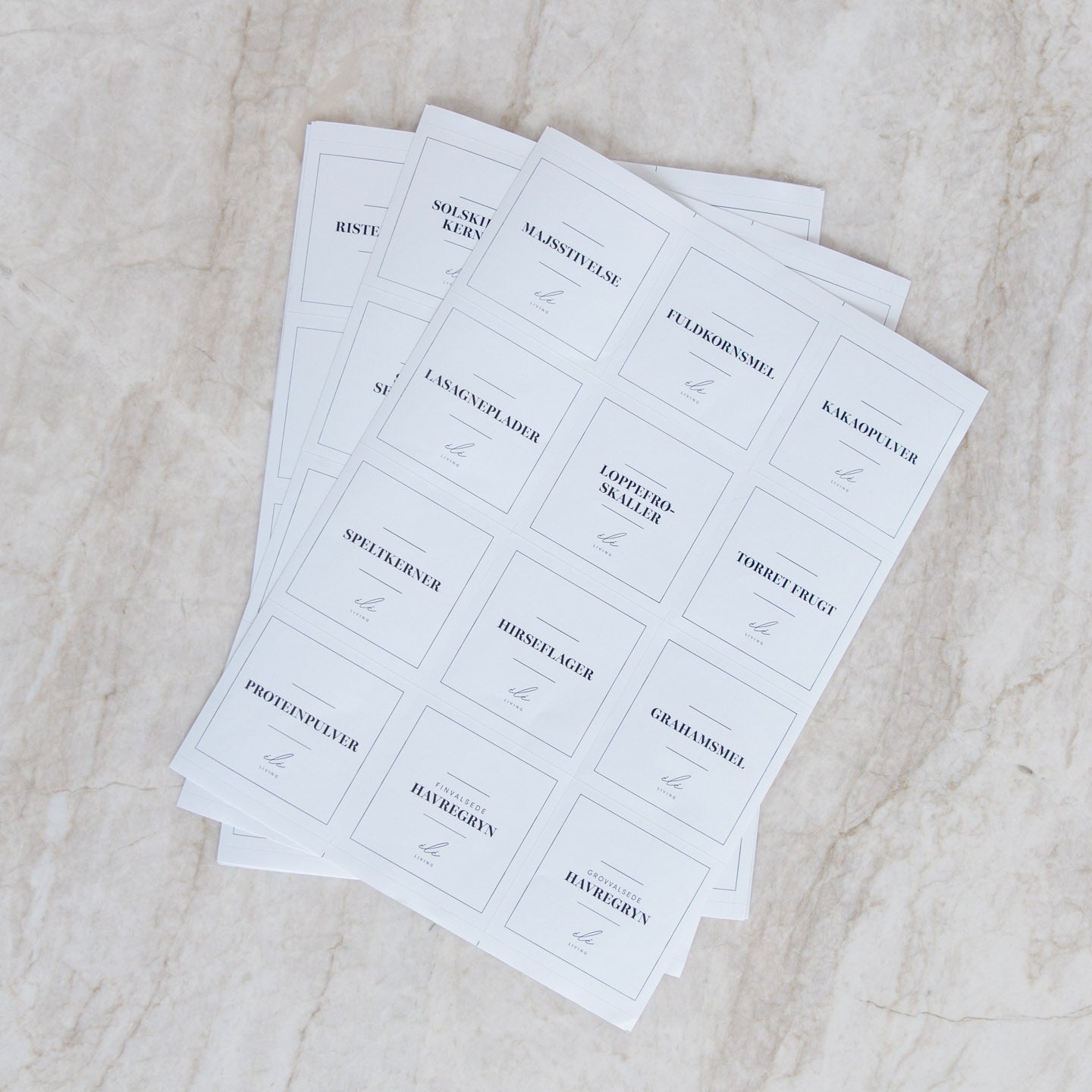
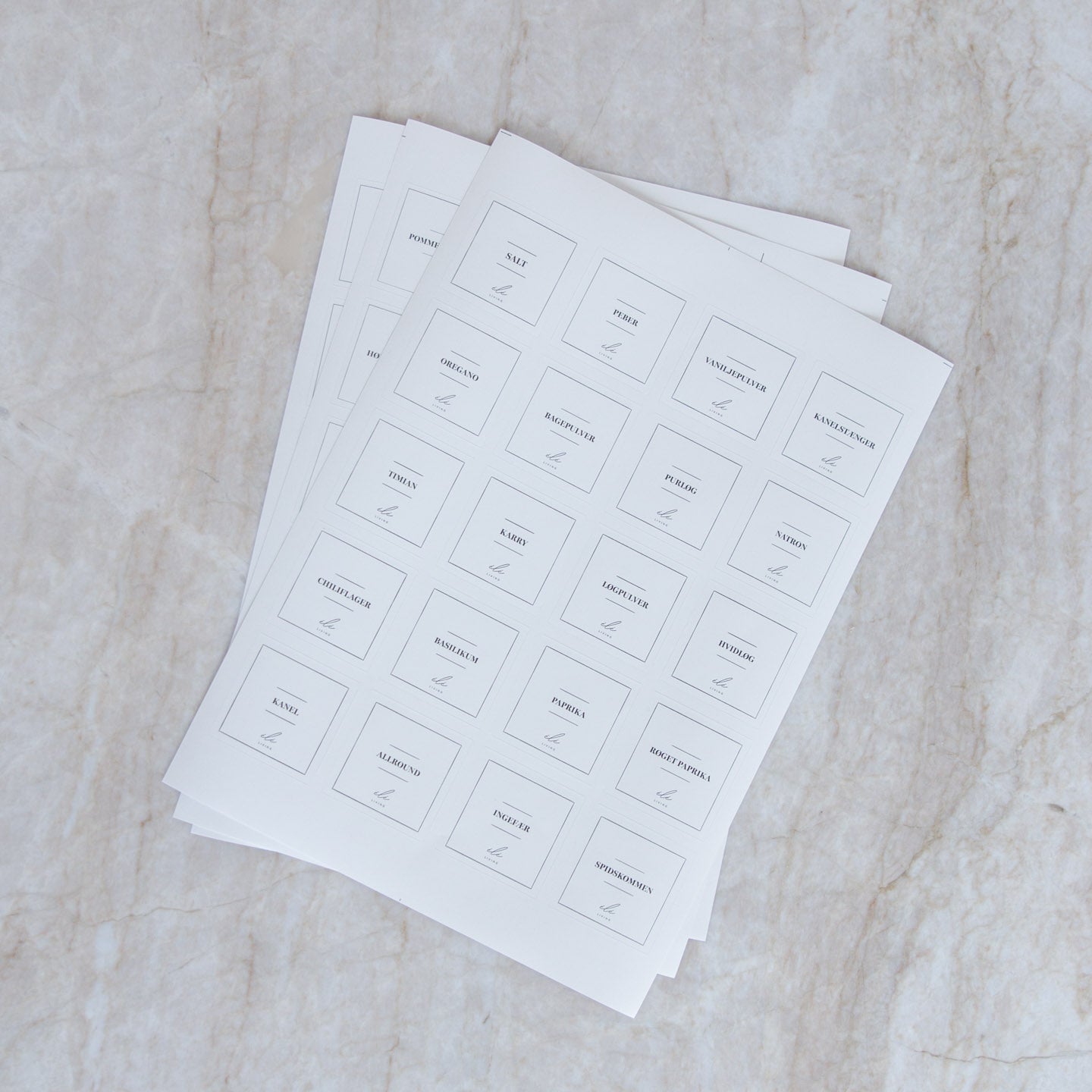
Clear labeling makes it easy to see contents and dates. Use pre-made labels to note preparation date and contents, so you can quickly choose the right portion. This creates a visually calm expression and prevents containers from being forgotten at the back of the shelf. Labeling can also help children and guests find what they are looking for without having to open everything.
When airtight is not necessary
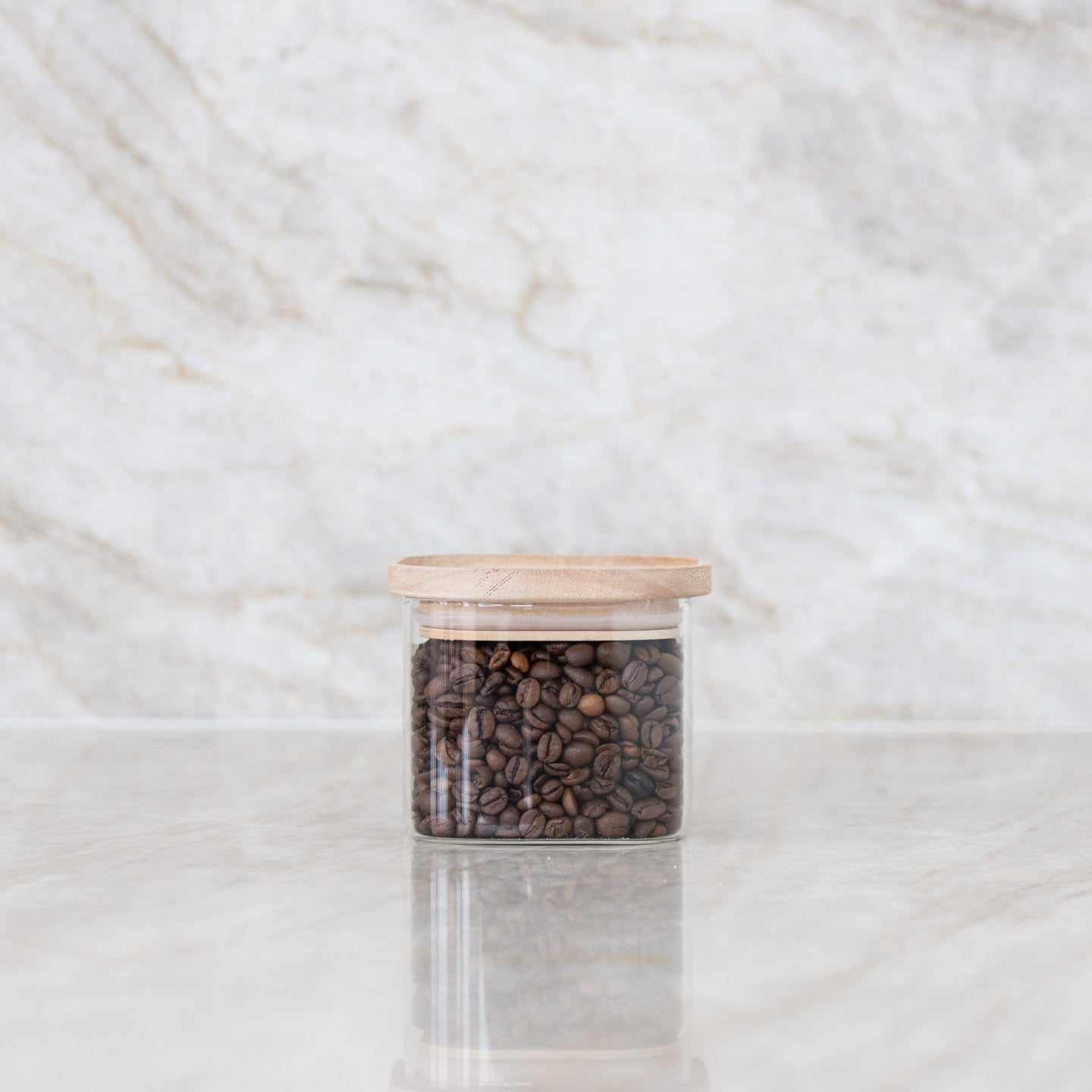
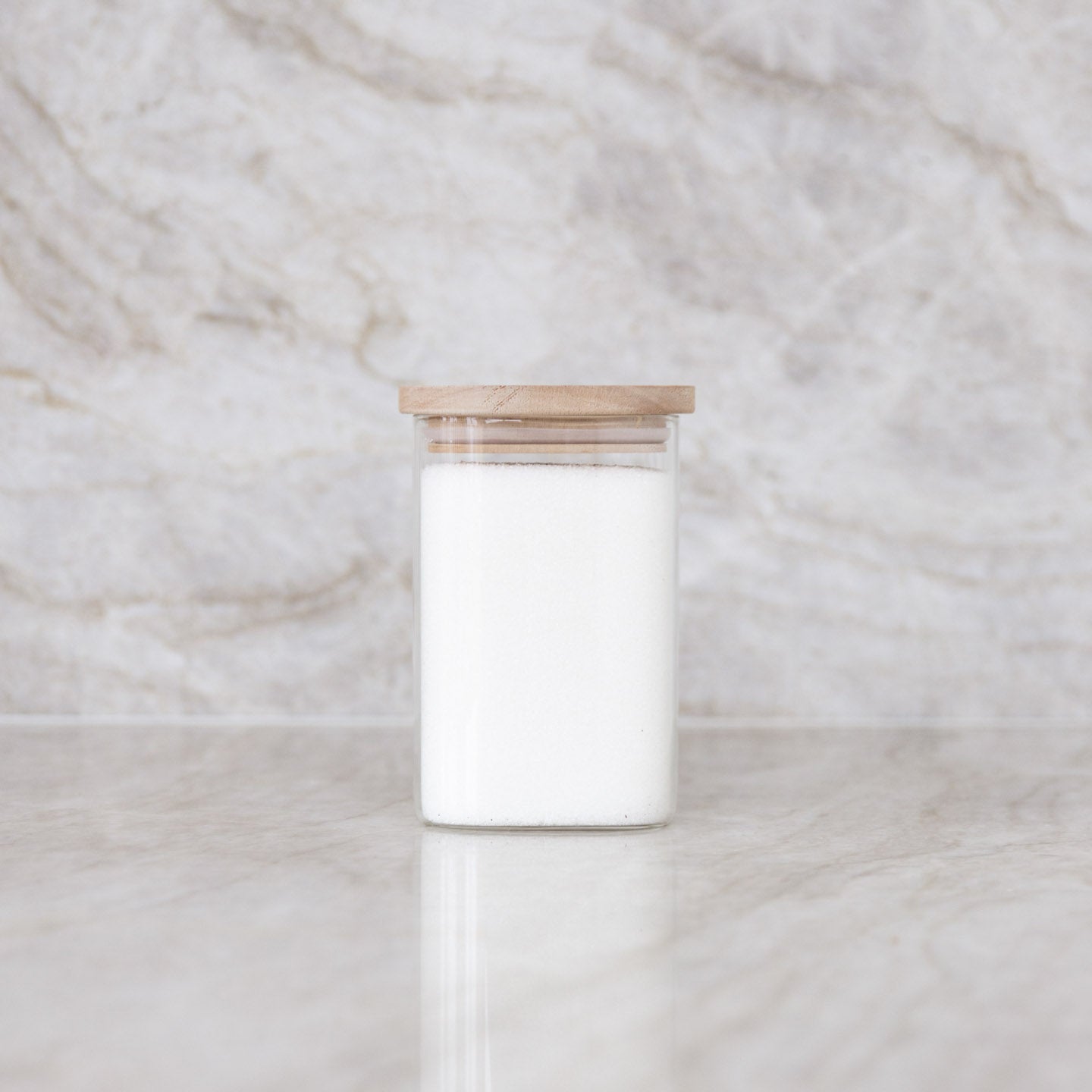
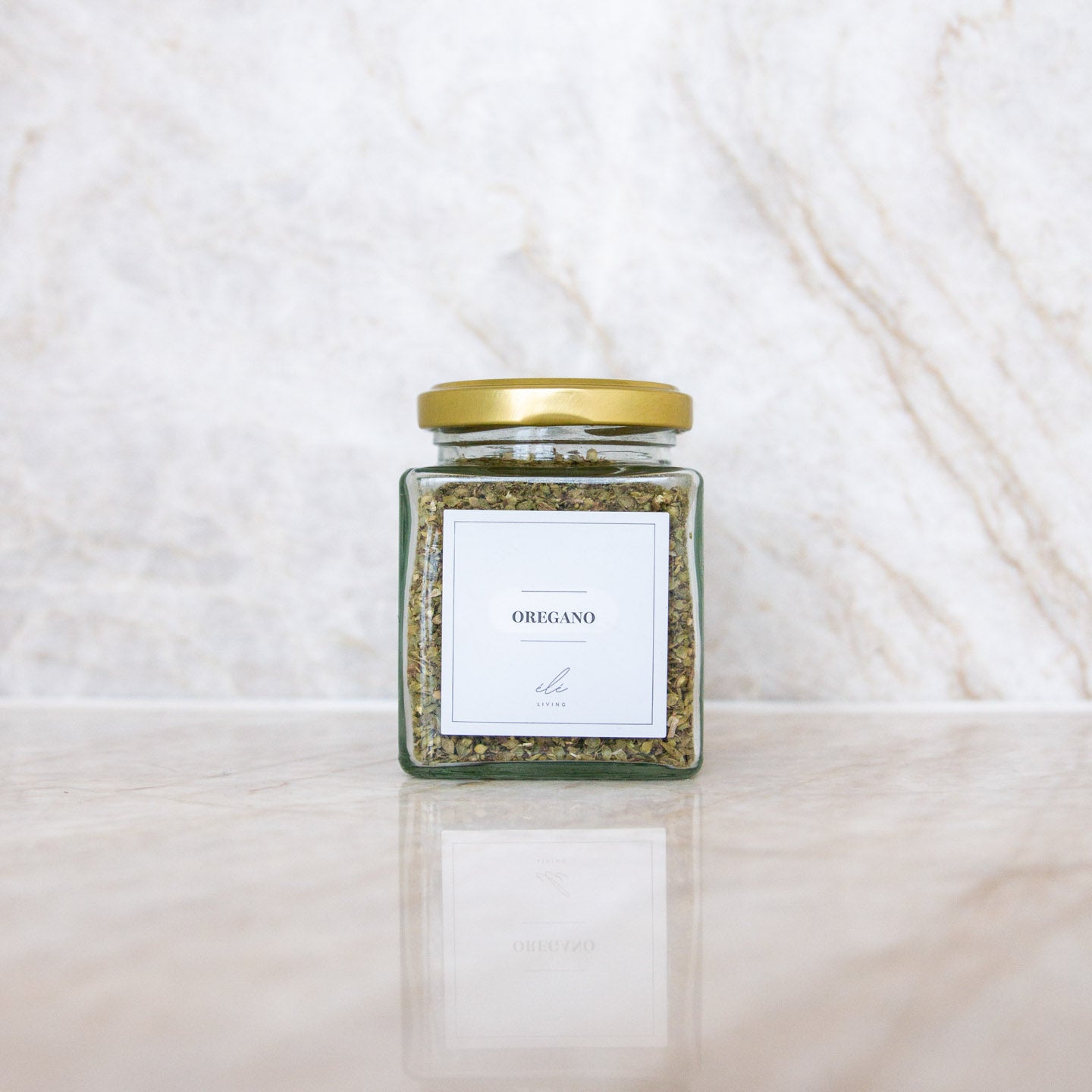
For dry pantry staples like pasta, rice, crispbread, and coffee, transparent containers can provide a strong visual overview. Our square storage jars are not airtight - they are good for keeping pests out and making it easy to see the inventory. Choose storage jars when you prioritize aesthetics and quick visual control on the shelf. Use airtight containers for what requires a tight seal, and let glass containers supplement where visibility and structure are most important.
In conclusion: Start with the areas that affect your daily life the most – often breakfast, lunchboxes, and dinner leftovers. When the system is simple and repetitive, storage feels more intuitive, and you get a kitchen that is both functional and looks calm.