
Onions keep best when given the right combination of darkness, dryness, and peace. With a few simple choices, you can extend shelf life, reduce food waste, and make cooking more manageable. Think in zones: whole onions in a cool, dry place, sliced onions in the refrigerator in a sealed container, and possibly small portions in the freezer. Choose solutions that fit your daily life and kitchen rhythm, so storage happens naturally.
Storing whole onions
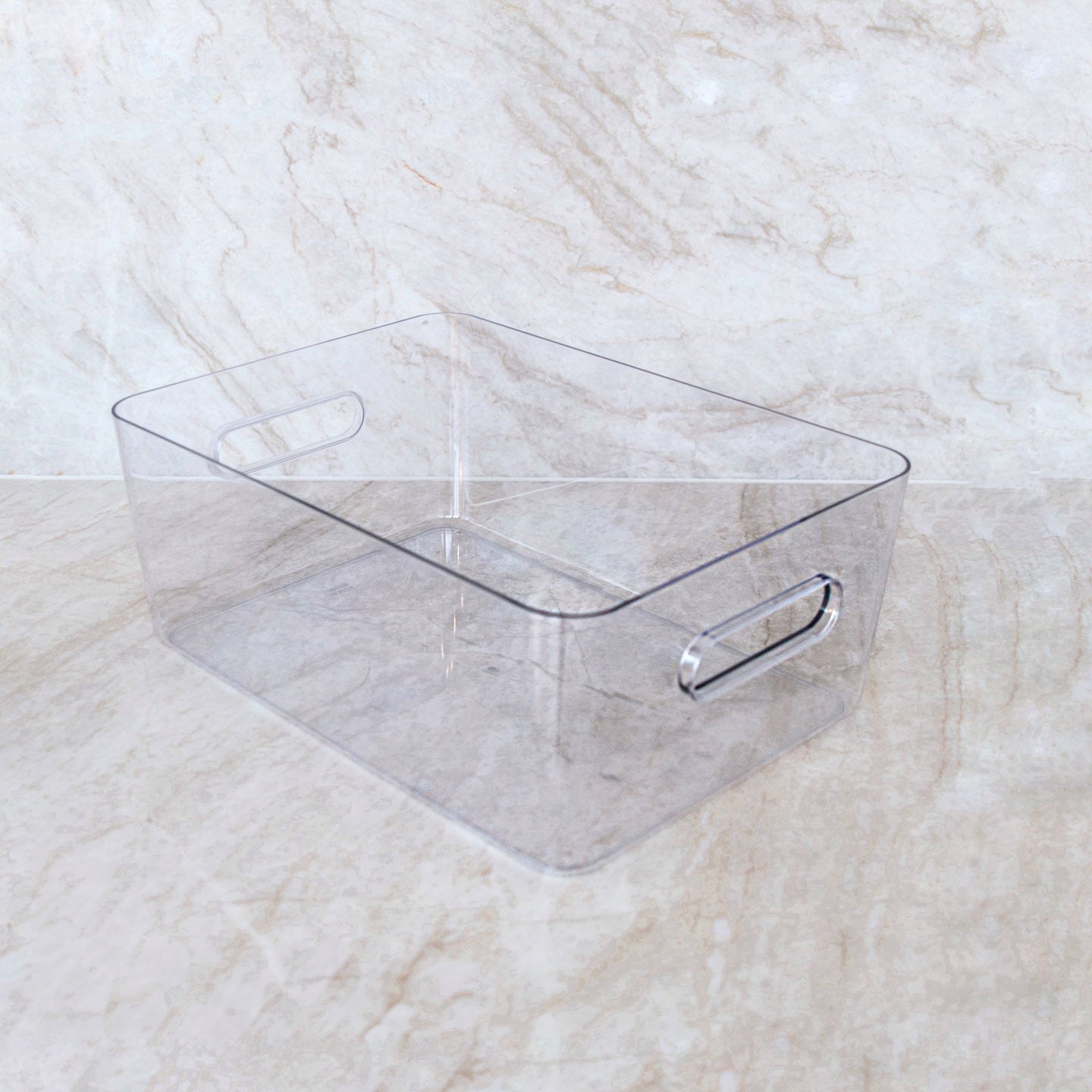
Whole onions thrive best in a dry, dark cupboard or pantry with light air circulation. Avoid sealed plastic bags and direct heat from the oven or stove. A simple method is to gather them in open boxes so they don't roll around, and you can quickly get an overview. A dedicated box makes it easy to empty, wipe down the shelf, and put the onions back neatly. Choose robust boxes that can stand steadily in a cupboard or on a shelf – this provides calm order in everyday life. Consider boxes specifically for this zone.
Placement and temperature
Place whole onions in a cool place with a stable temperature and no direct sunlight. Regularly check for soft or damaged onions and use them first. When you keep the area tidy, you'll more quickly see what needs to be used, and you avoid forgetting something at the back.
Keep separate from other vegetables
Store onions separately. When closely mixed with other vegetables, moisture and odors can affect quality. A separate box or shelf provides a better overview and helps you maintain the system.
Storing sliced onions
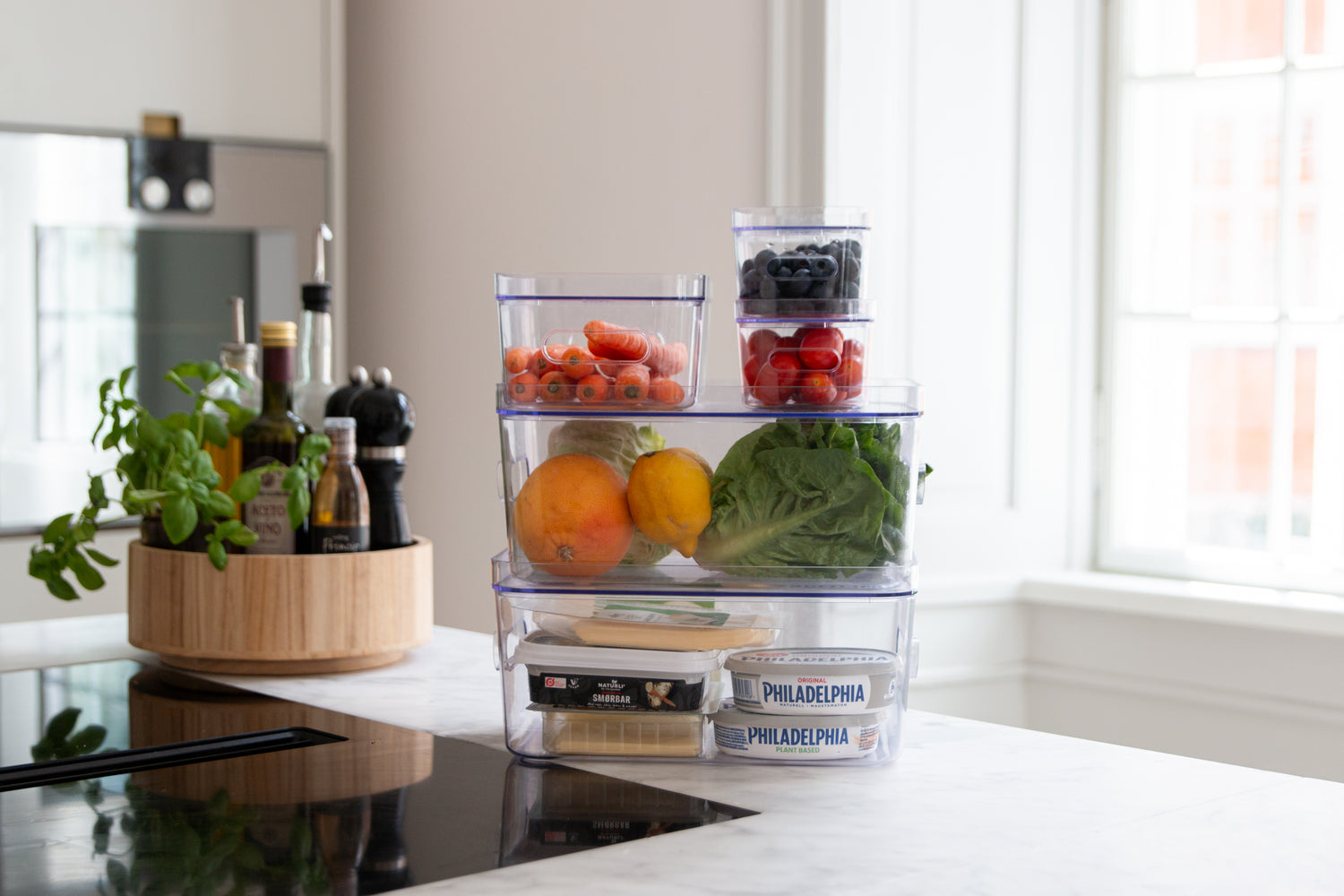
Once an onion is cut, it should be placed in the refrigerator in a sealed container to limit odor and drying out. Choose storage containers with lids so you can stack them and keep track of portions. Cut onions into the amounts you actually use and gather them in fixed zones in the refrigerator. This makes cooking faster on busy weekdays. See our storage containers specifically for this purpose.
Storing onions in the refrigerator
Whole, unpeeled onions typically do not need refrigeration, but sliced onions do. Organize the refrigerator so that onions and other cooking ingredients are in clear categories. Use transparent containers so the contents are visible, and close each box with its lid to be able to stack and utilize height. Refrigerator organization makes it easier to shop and use what you already have.
Choose what lives in the box
- Whole onions: good in their own box on a dedicated shelf
- Shallots: grouped separately, so they don't mix with other onion types
- Garlic: kept in its own container, so odors don't spread
See the selection for refrigerator storage here: refrigerator.
Storing onions in the freezer
If you want to save time, you can chop onions and freeze them in small, flat portions. Then you can take a manageable amount directly from the freezer to the pot. Store in containers suitable for both refrigerator and freezer, so you can move portions as needed.
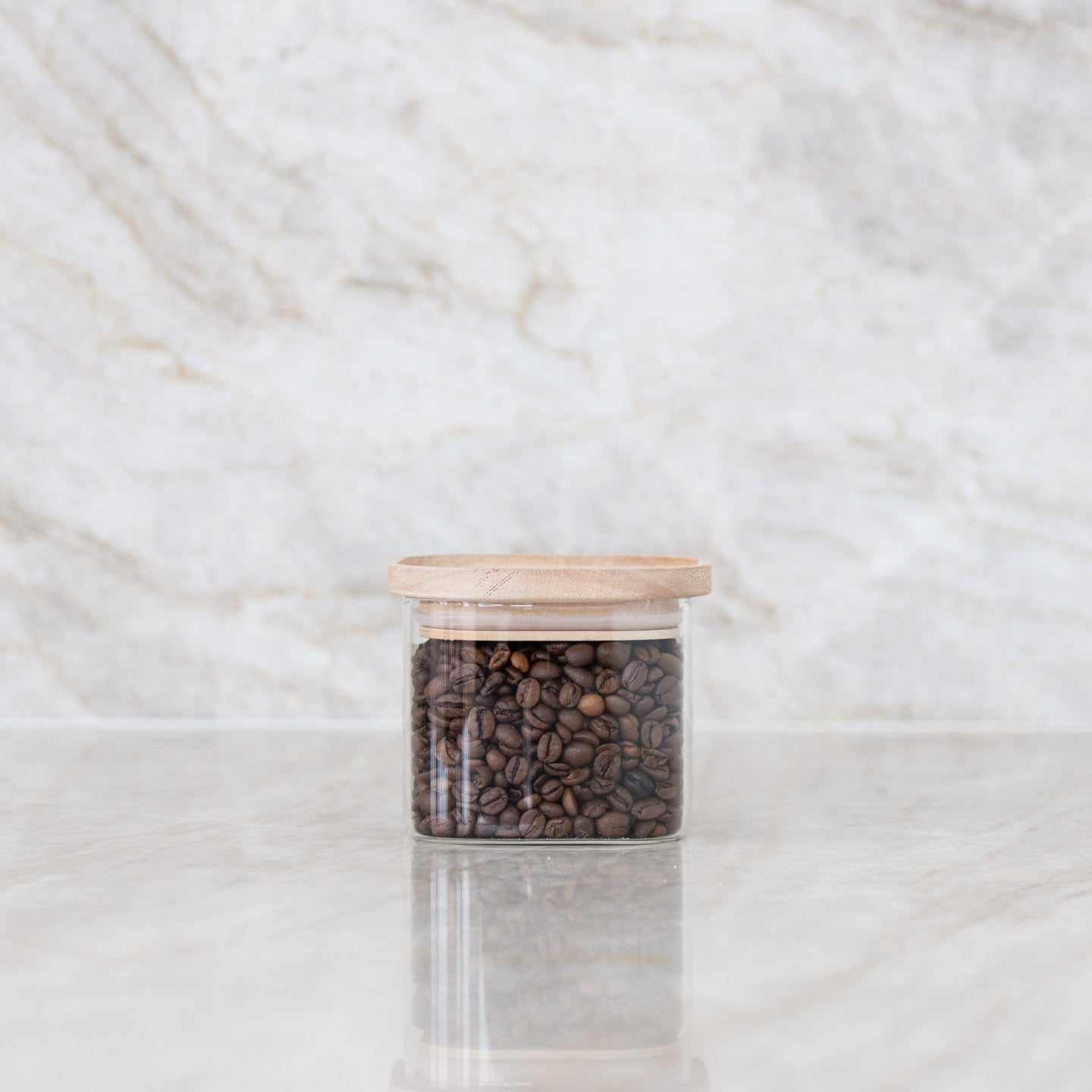
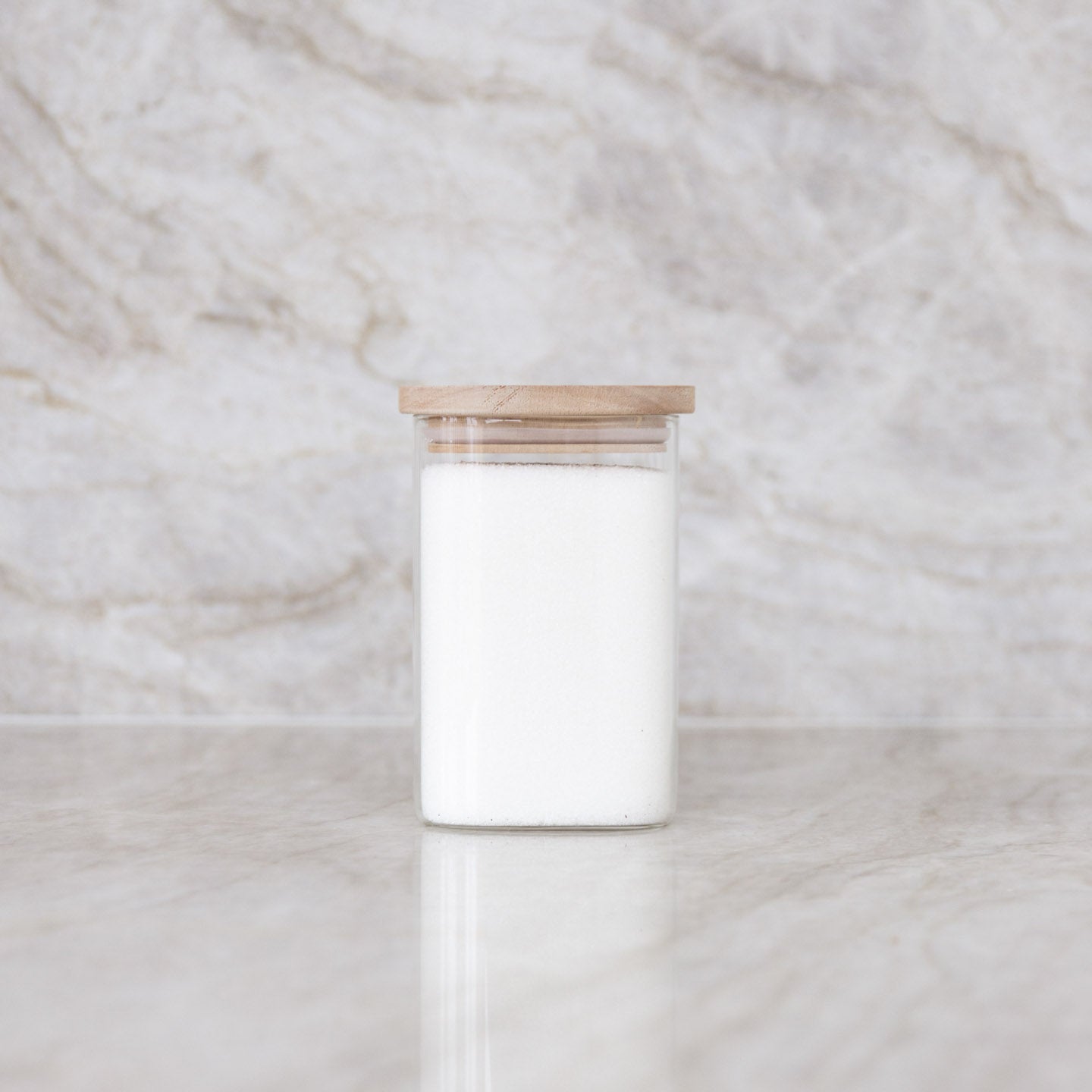
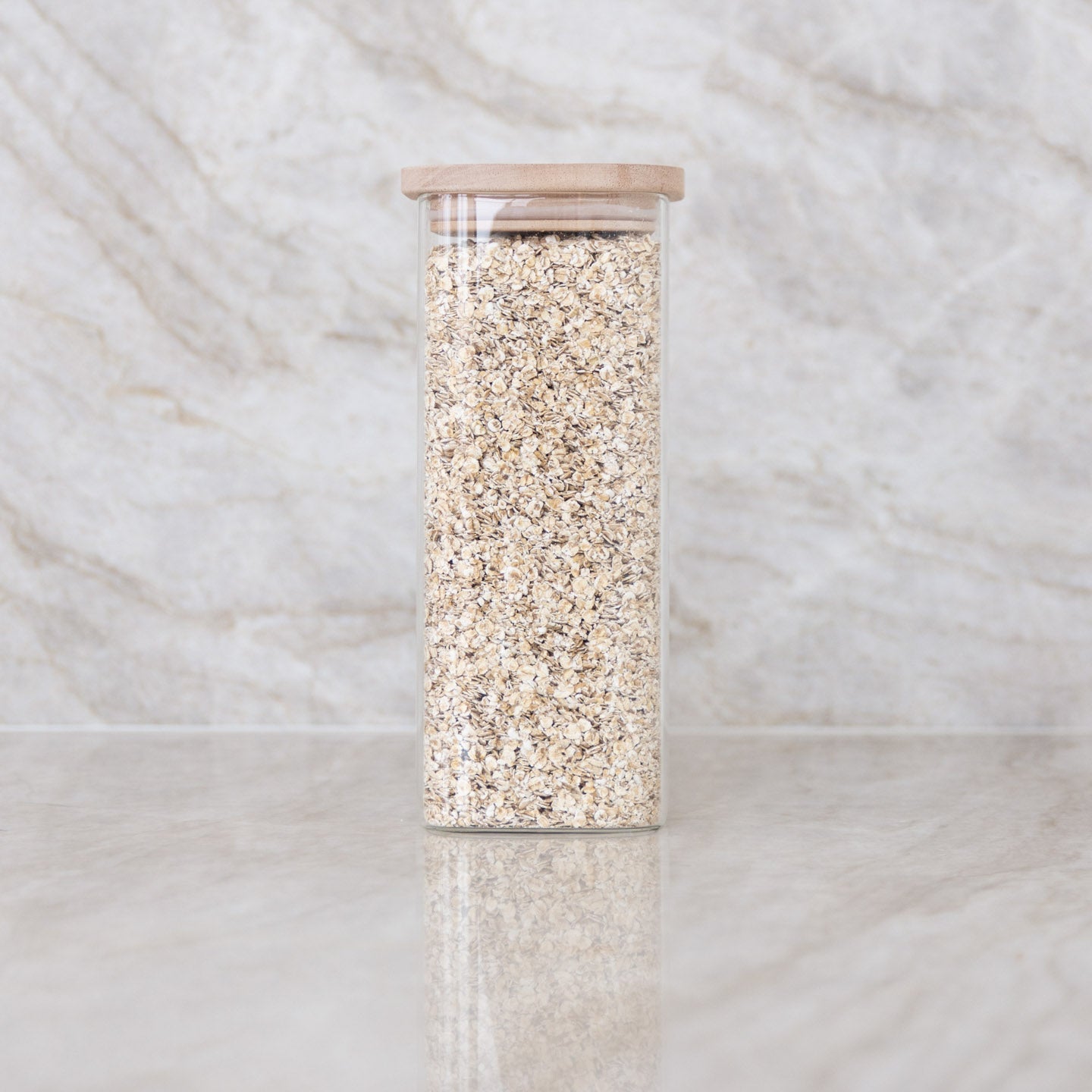
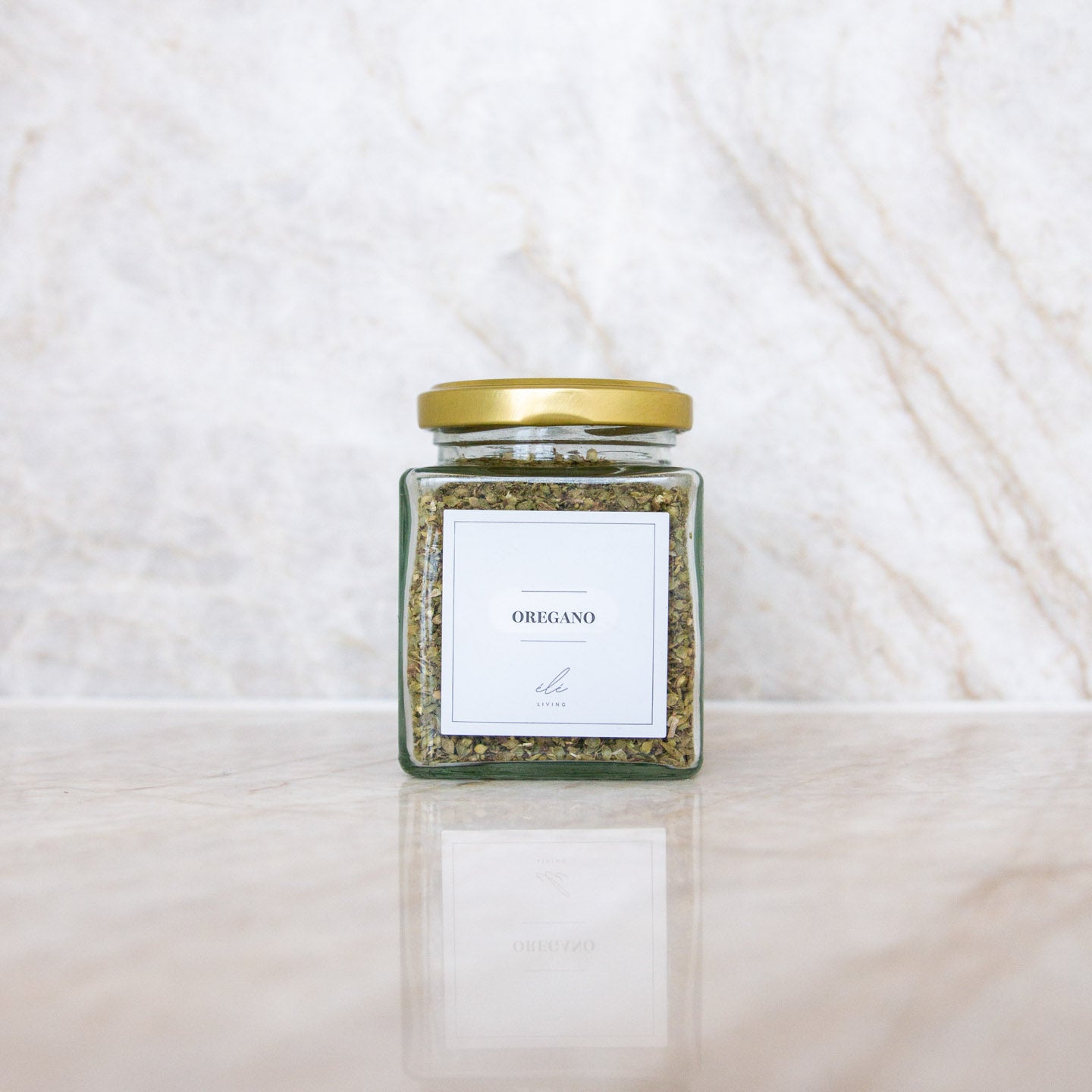
Dried onion products in glass jars
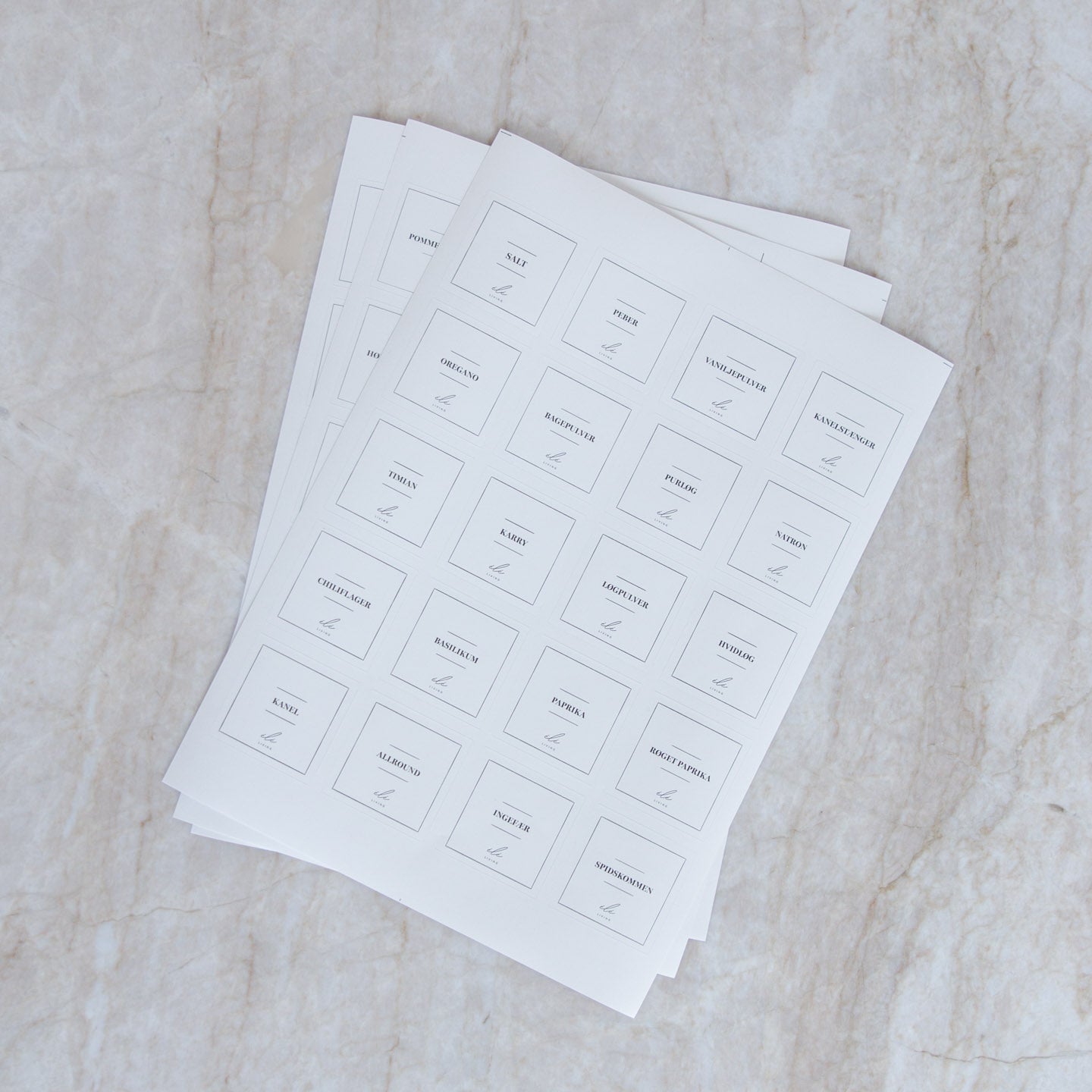
Dried onion flakes or crispy onions benefit from fixed places in the cupboard. Use storage jars to collect them and keep pests and dust out, while also being able to see how much is left. Place the jars on a shelf in the same zone as spices and oil, so everything is within reach when you cook. Explore storage jars in sizes that suit your quantities.
With a simple, well-thought-out system, onions find a natural home in your kitchen. This provides an overview, reduces waste, and makes everyday life calmer - and that is precisely the point of good organization.