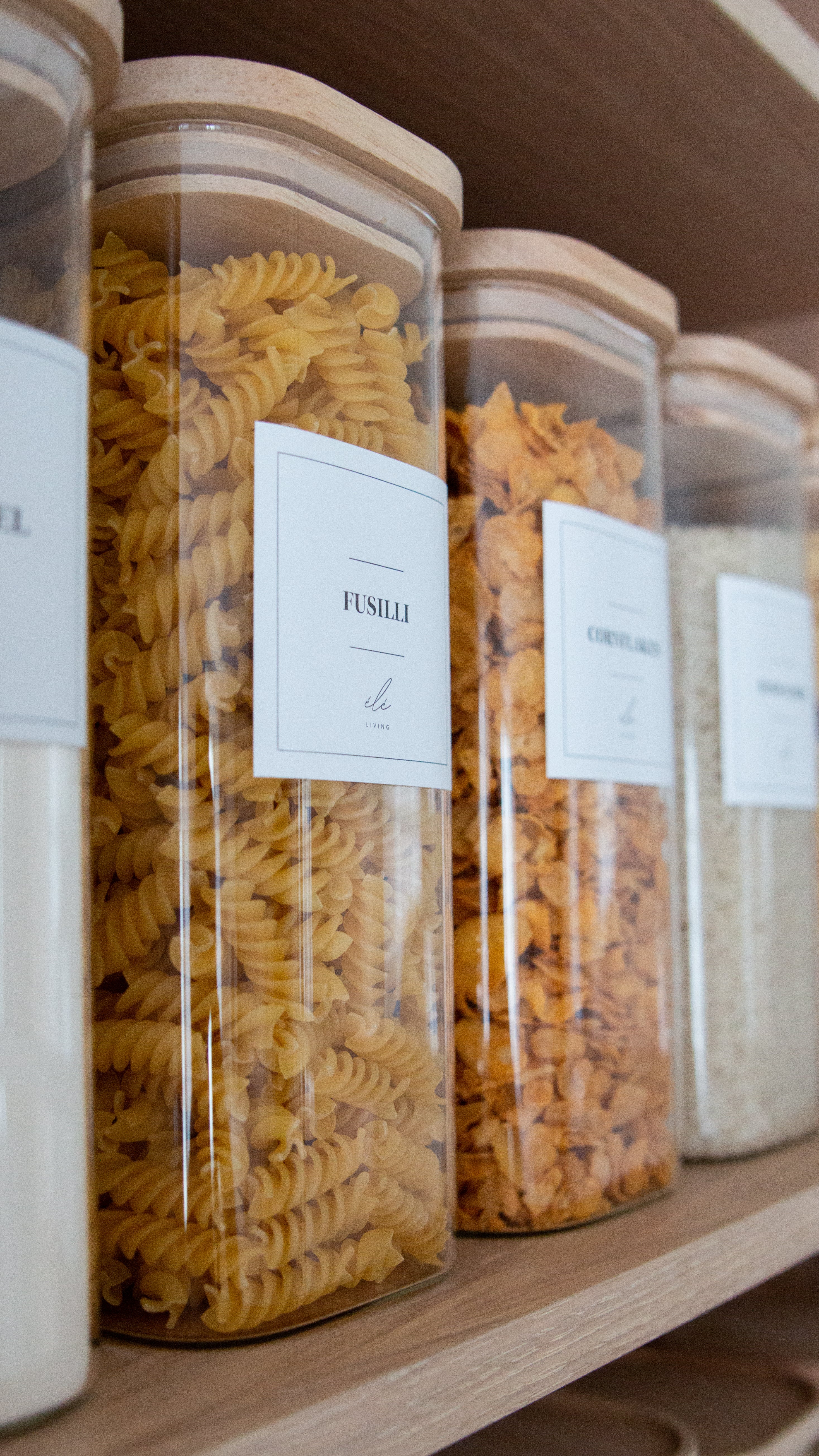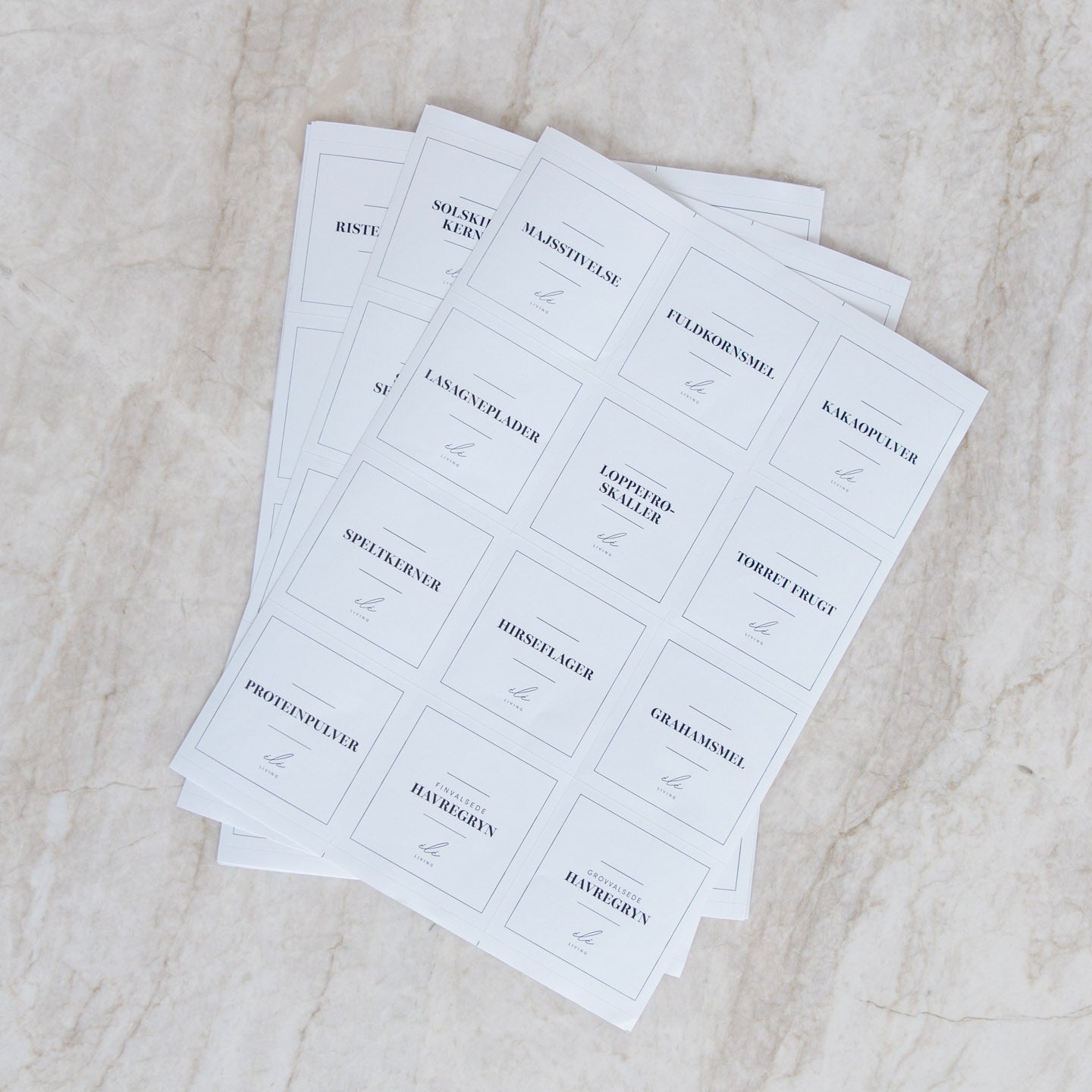

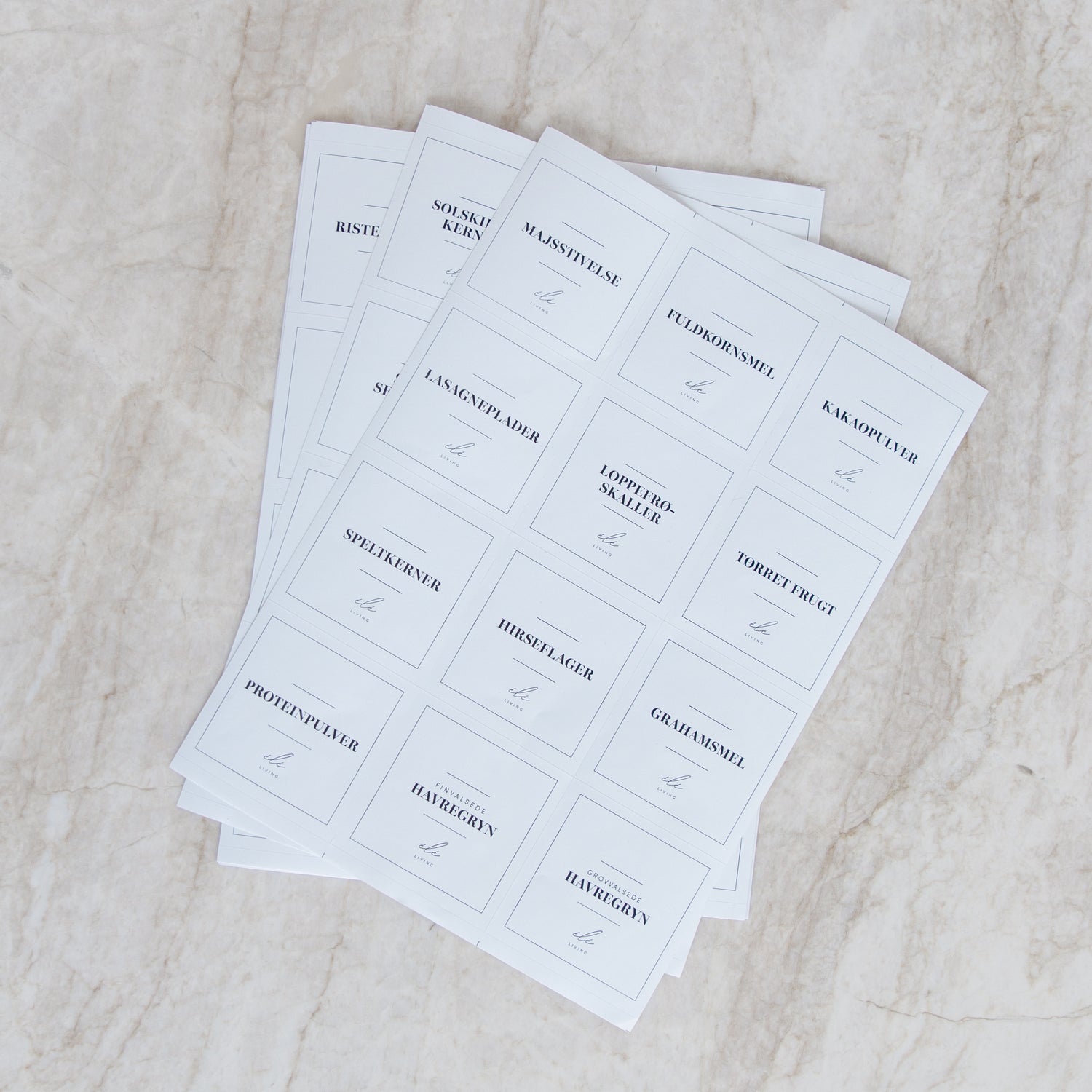
Labels for dry goods make it easy to create order and overview on shelves and in drawers. When your jars and buckets have clear names, you can find flour, grains and pasta faster, and you avoid double purchases. Our labels are designed for organization in the kitchen: 7 sheets with more than 100 names, simple black labels with white writing and a surface that is water, grease and dust resistant. They can be easily wiped off when you change the contents. Use the same labels across shelves and drawers for a uniform look that makes everyday life easier.
Glass for dry goods
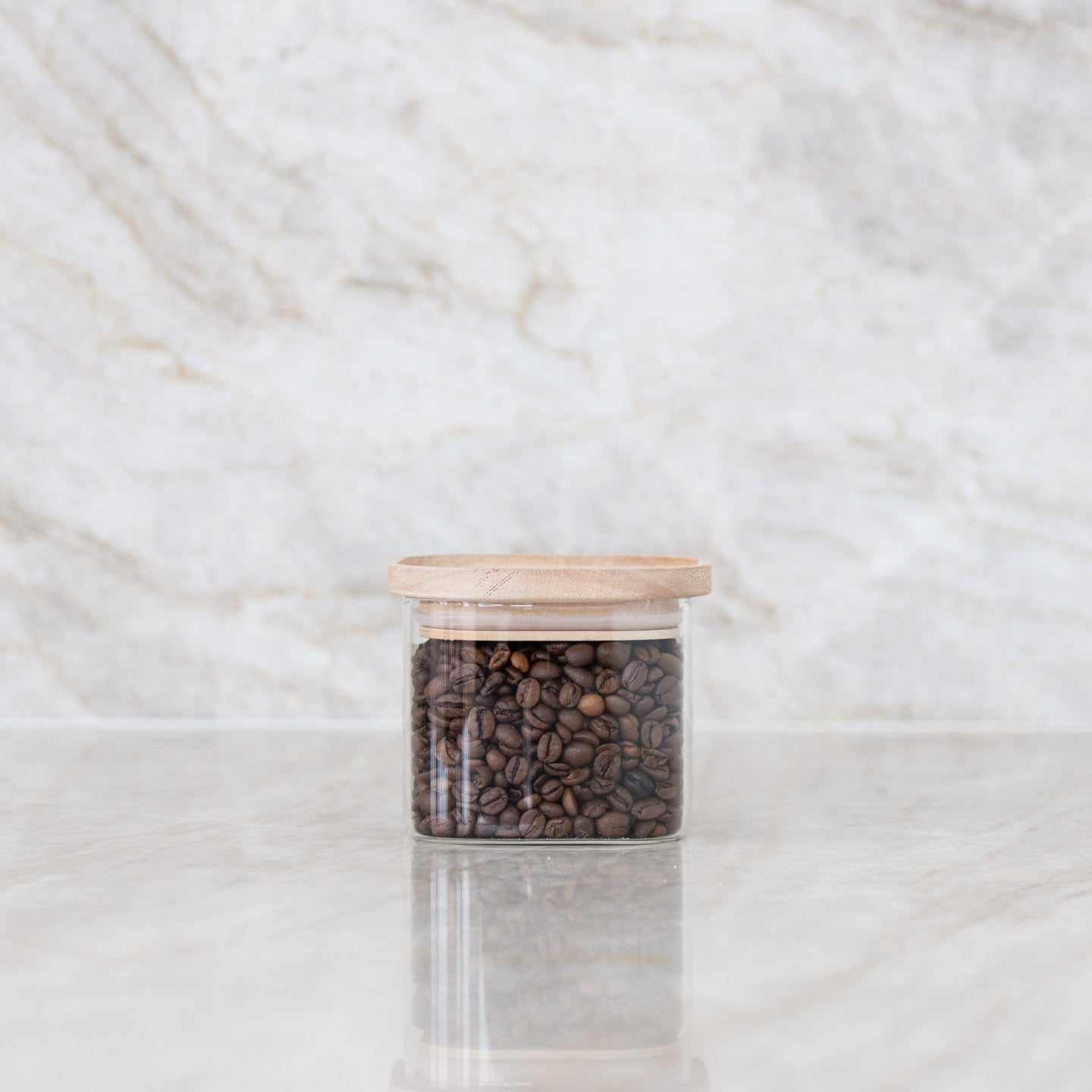
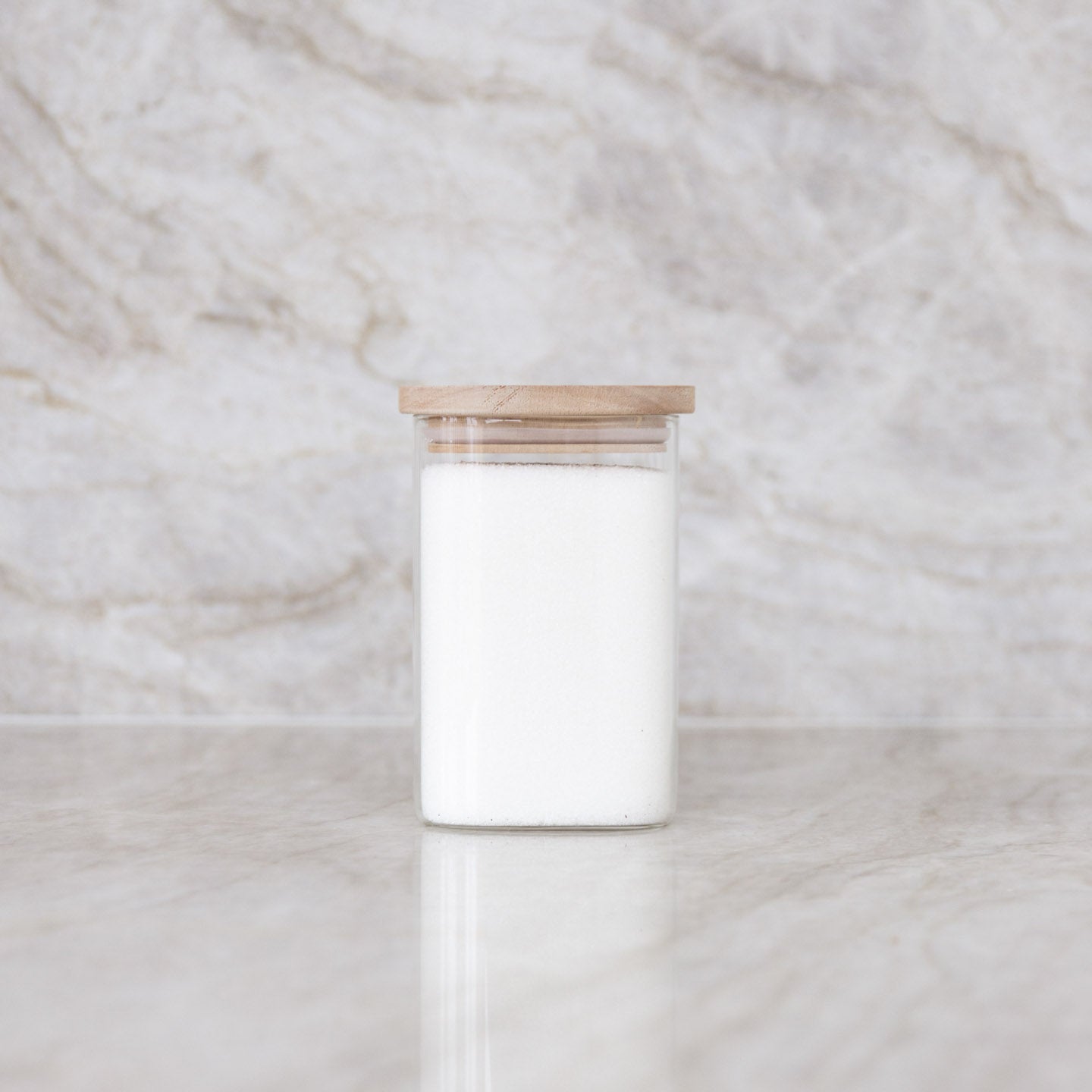
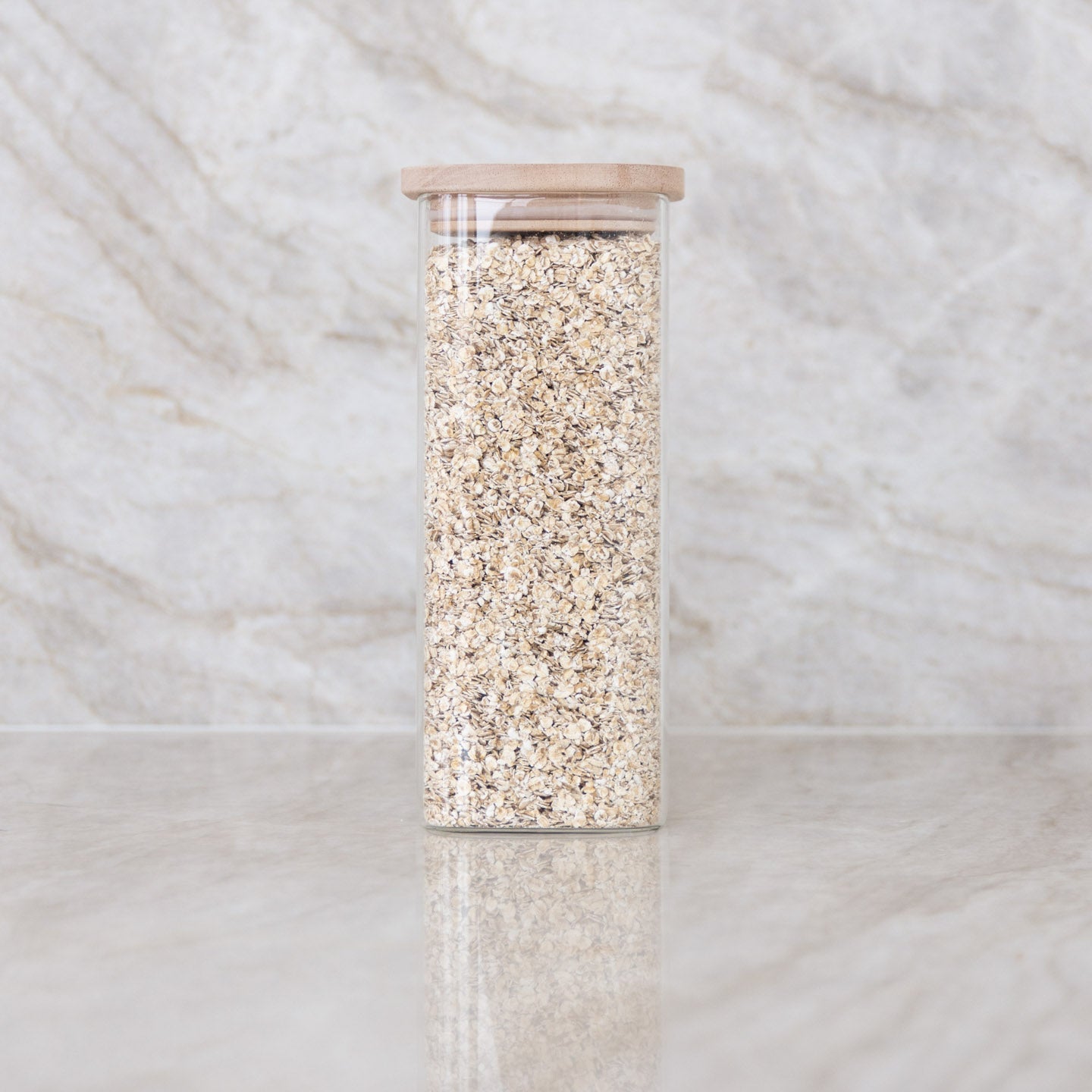
A unified look in your cupboard starts with similar containers. Choose storage jars in a few repeating sizes so they line up in straight rows and can be stacked where it makes sense. Jars with lids help keep pests out and provide a calm surface for your labels. Put the name on the front at eye level, and add cooking times for pasta or rice on the back, if desired. Keep a fixed location for each category so everyone knows where the flour, sugar and oatmeal are.
Write clearly and consistently
Use short names like Flour, Durum, Jasmine Rice, Almonds. Always write in the same format so the eye can read the shelf quickly. If you change flour type, you can wipe the label off and put a new one on.
Spice labeling
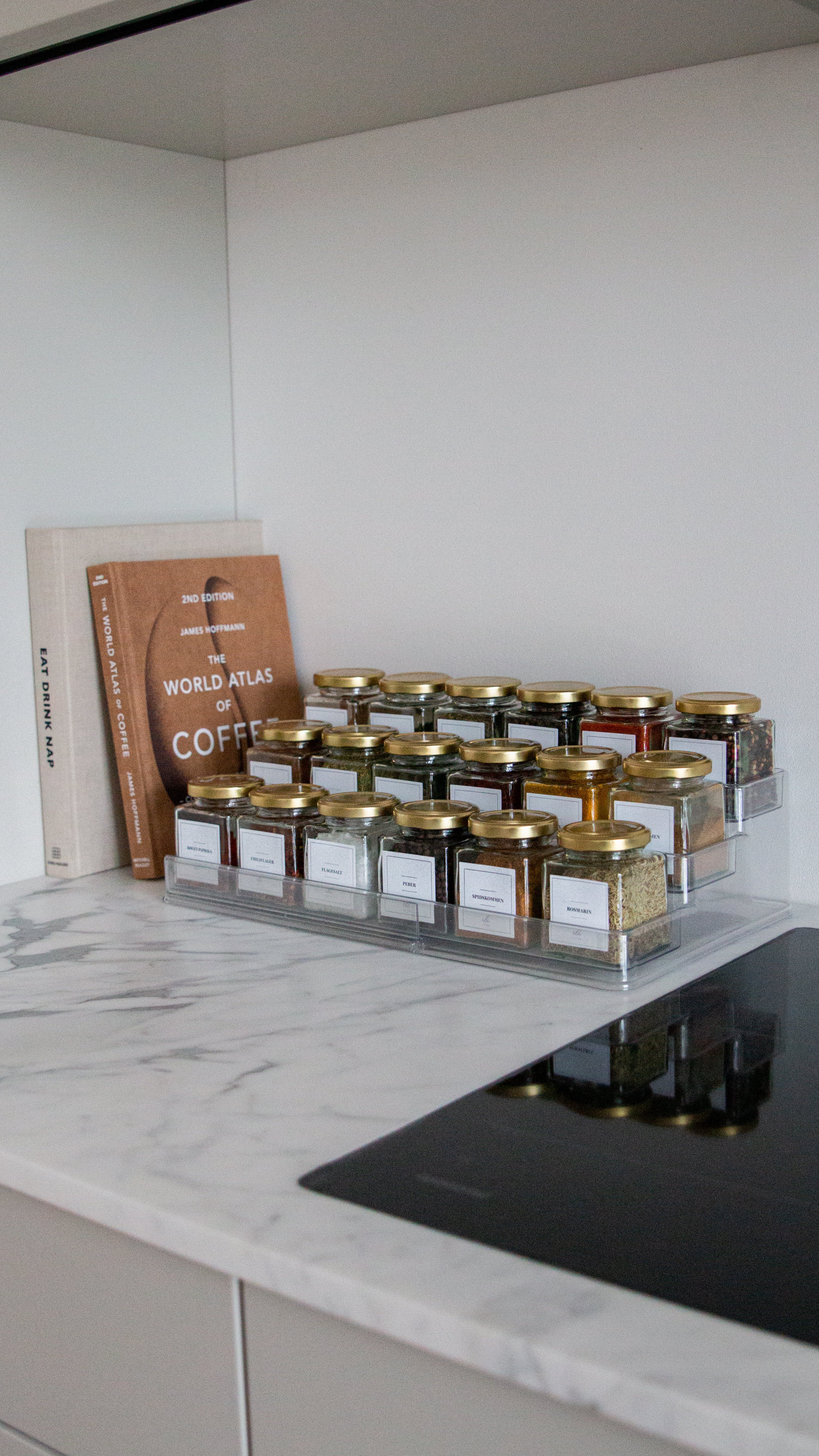
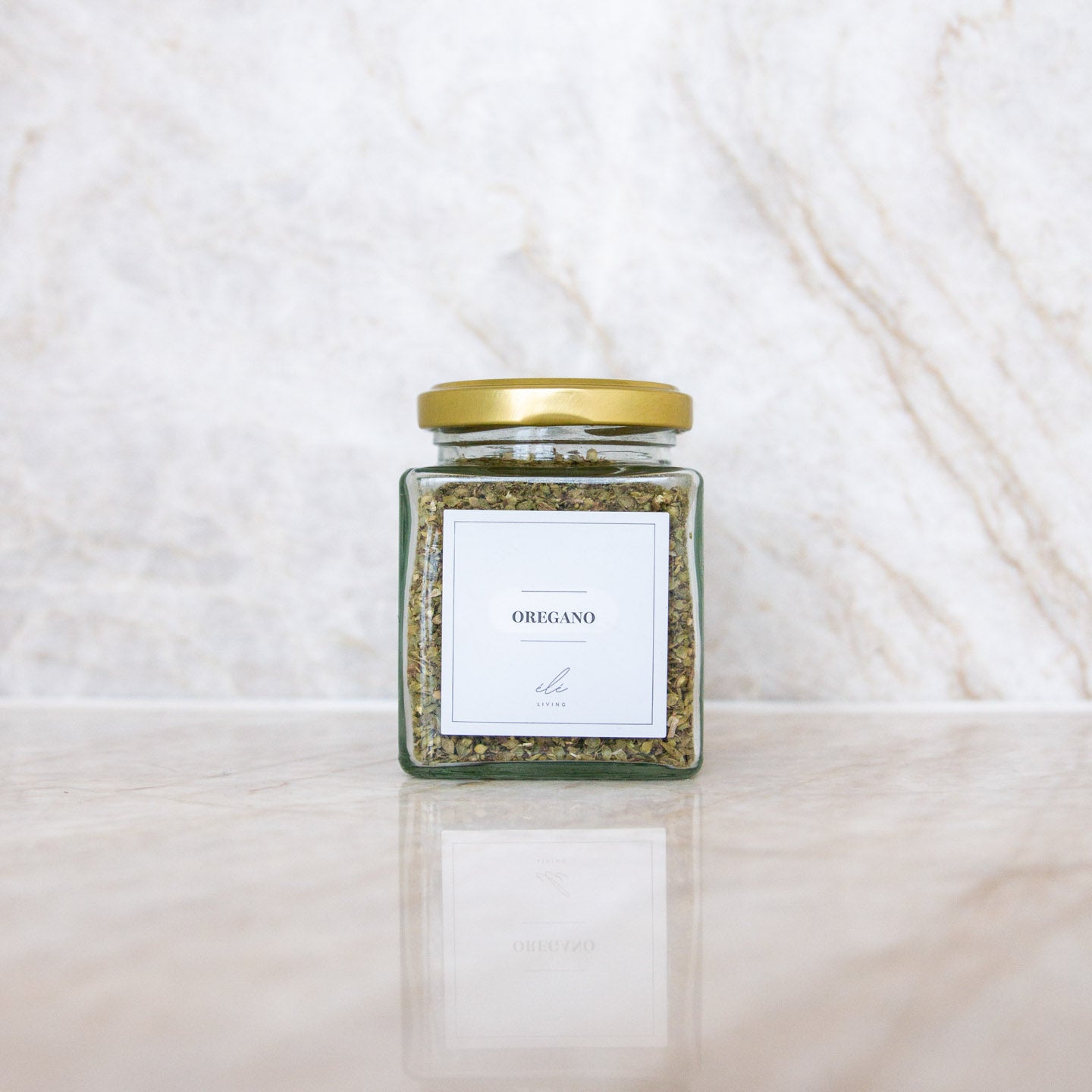
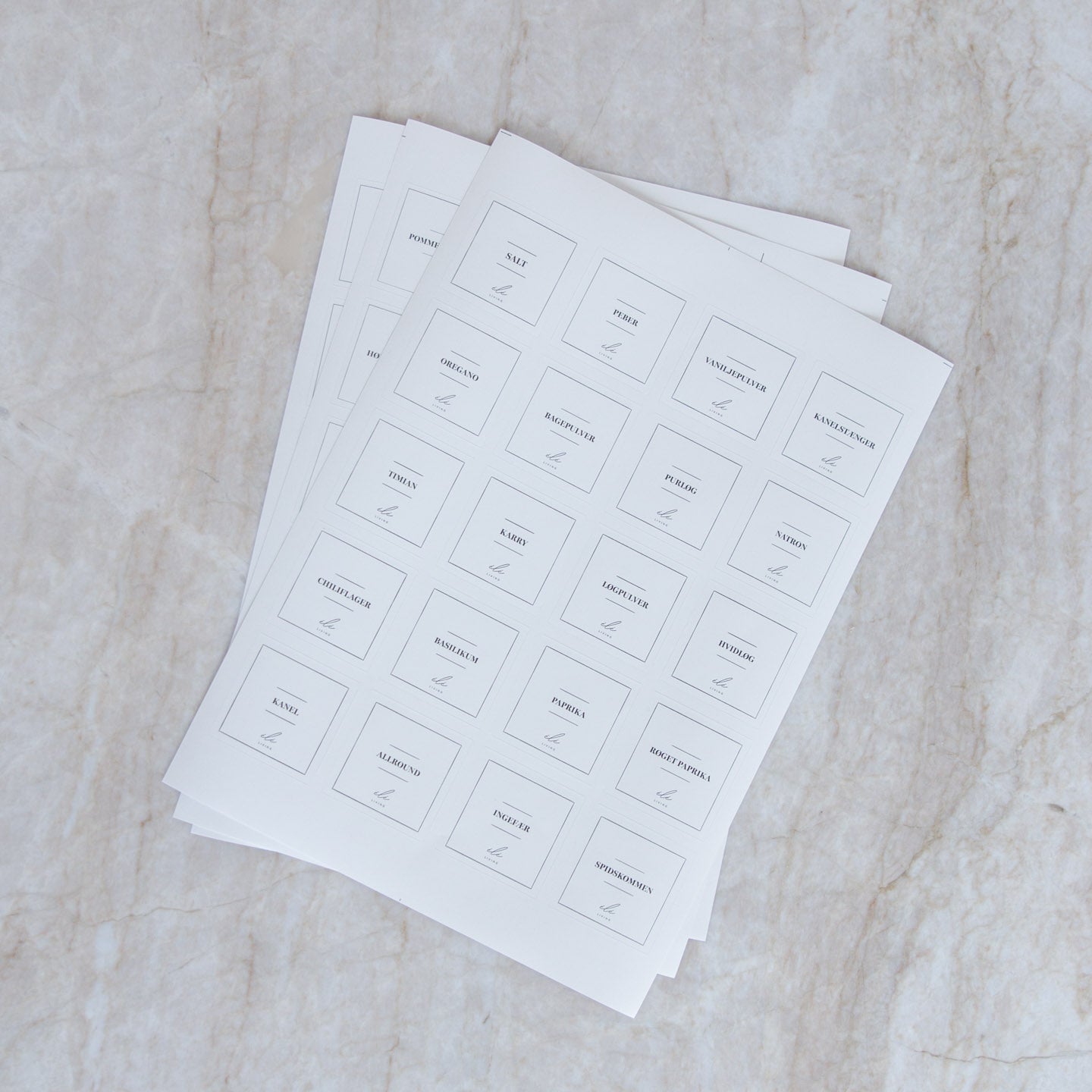
Small jars can be hard to tell apart when they're close together. Label both the lid and front so you can read the name from the top of a drawer and from the side on a shelf. With spice jars, you get containers that match in size so labels sit straight and neatly. Gather the spices you use daily in one section and mark the rest as a reserve. This makes cooking more fluid and minimizes waste.
Pantry labels
When organizing an entire dry goods cupboard, it’s a good idea to use labels on all items rather than just a few. Group by function: baking, breakfast, pasta and rice, nuts and snacks. Put the most used items at the front and keep the same order after each shopping trip. If you need extra flexibility for bags or metal bins, you can supplement with self-adhesive solutions that stick to multiple materials, such as self-adhesive .
How to get started
- Clear a shelf and gather dry goods into categories.
- Measure the shelf and depth, and choose 2-3 glass sizes that fit in straight rows.
- Pour contents into clean jars, label the front, and place according to frequency of use.
- Note on a small label on the back when you opened the item so you can keep track of it.
Stackable containers
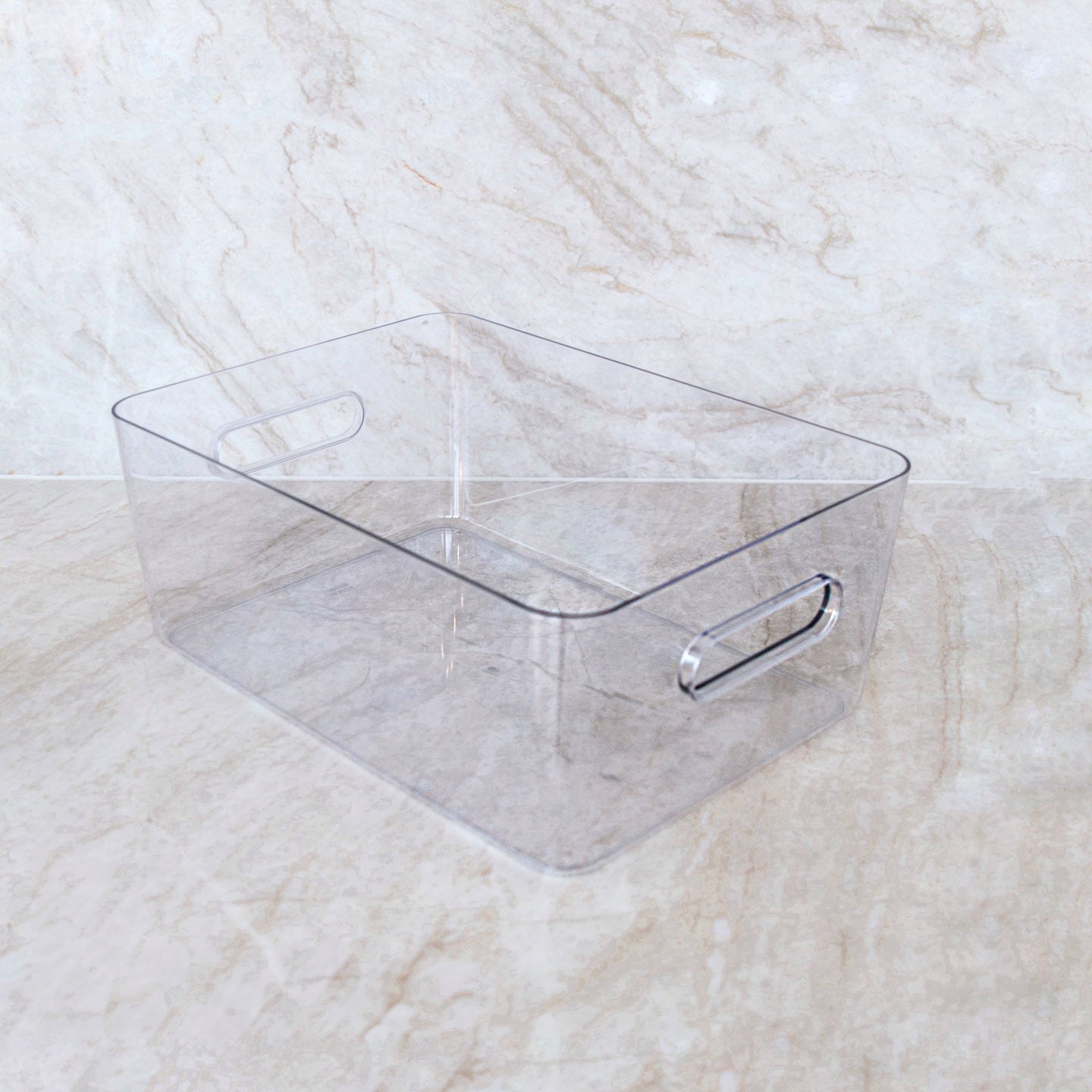
Repeating sizes make it easy to take advantage of shelf height. Stack when convenient, but don’t build too high for everyday items. Label all jars at the same height so names line up. Store open bags in a bin until you can fill them into jars, and put a temporary label on the bin so nothing gets forgotten. This creates a calm look and makes it quick to put items away after use.
Easy start with complete sets
If you want to get to your goal quickly, you can choose packaging solutions with coordinated jars and accompanying labels. This provides a system that fits together from the start, and you can always build on the same sizes if your needs change. Start with basics like flour, sugar, oatmeal, pasta and rice, and slowly expand to nuts, seeds and dried fruit.
When you work with fixed categories, clear labels and repeated containers, the closet becomes easy to use in everyday life. Small adjustments like uniform naming and consistent placement make a big difference in the overview.