
Spice ladder
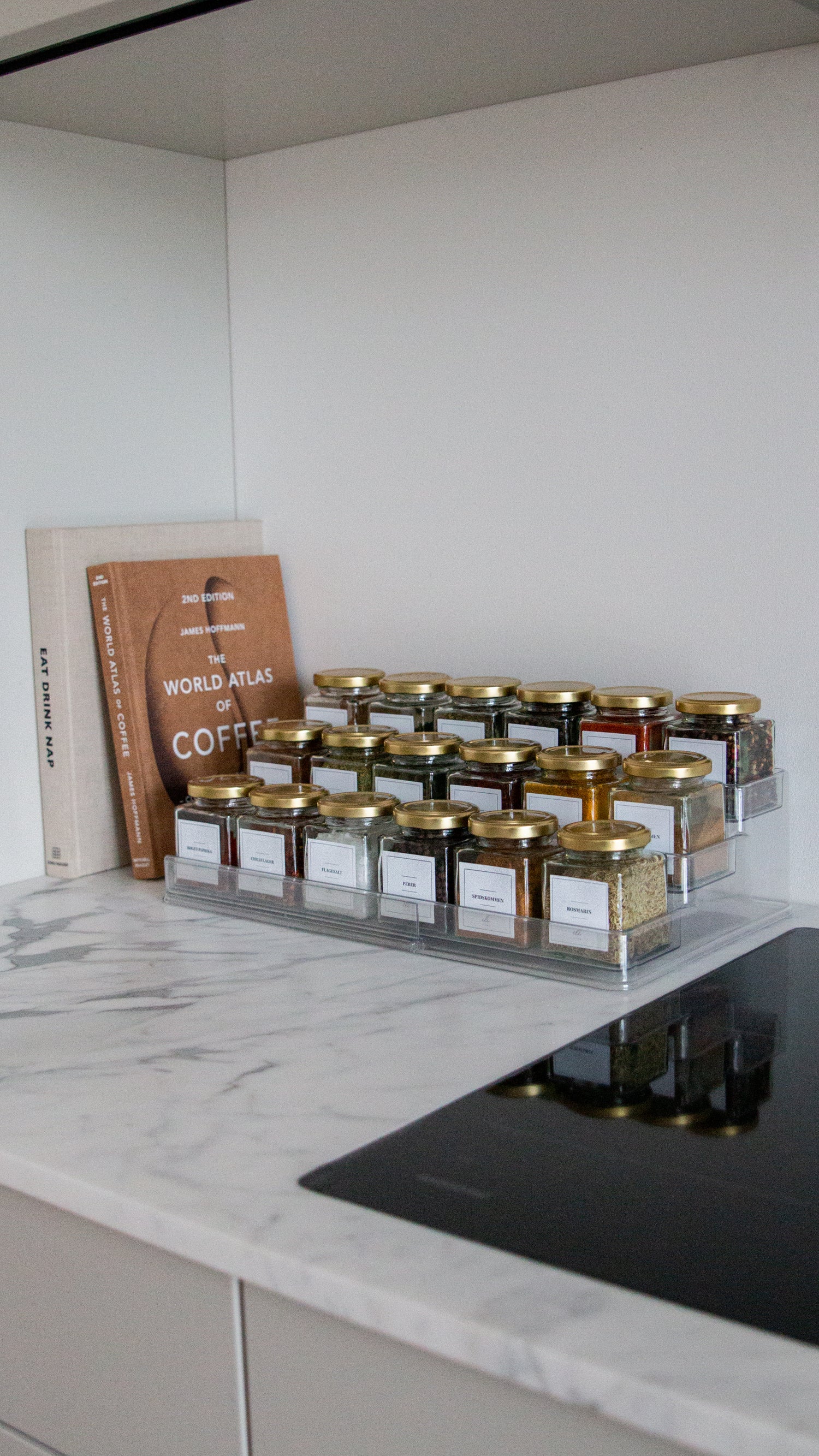
A spice ladder gathers all your spices in one place and takes advantage of the height in a cupboard or drawer. The jars are in steps so that labels and contents are visible from the front, and you get quick access when cooking. Stick to similar containers and a fixed order so that you maintain an overview in everyday life. A spice ladder works both alone or as part of a system with a turntable and similar jars, often referred to as a spice ladder or spice riser.
Spice rack for cupboard and drawer
Start by measuring the width and depth of your shelf or drawer. Choose a size that allows the rows to be in straight lines so nothing falls over when you take a jar. A practical solution is a small spice ladder , which fits standard spice jars and gives a clear view of the back row. Place the ladder at the front of the shelf and place the most frequently used spices on the bottom step. If you have a deep shelf, you can combine it with a turntable at the back for full access.
Spice jar with lid
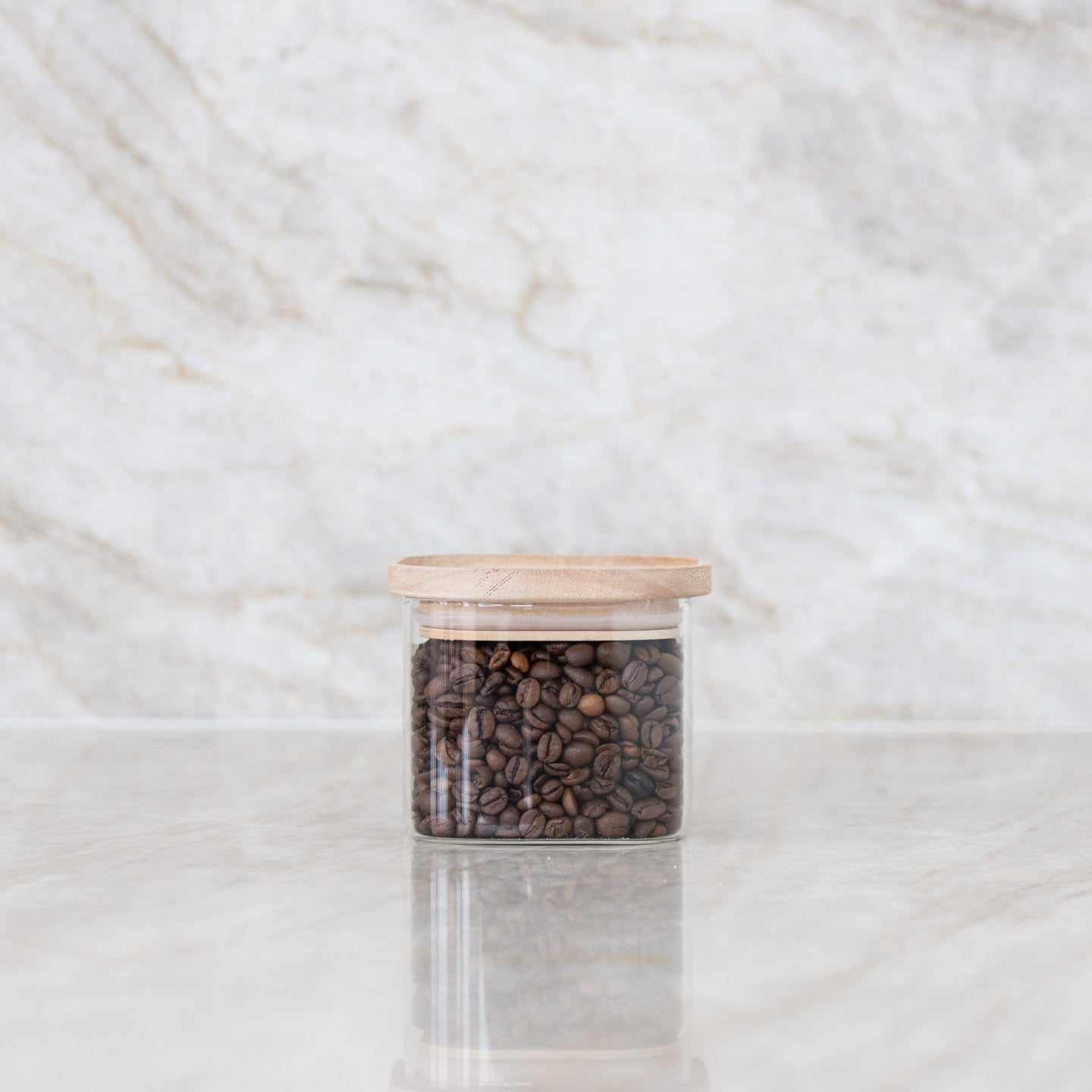
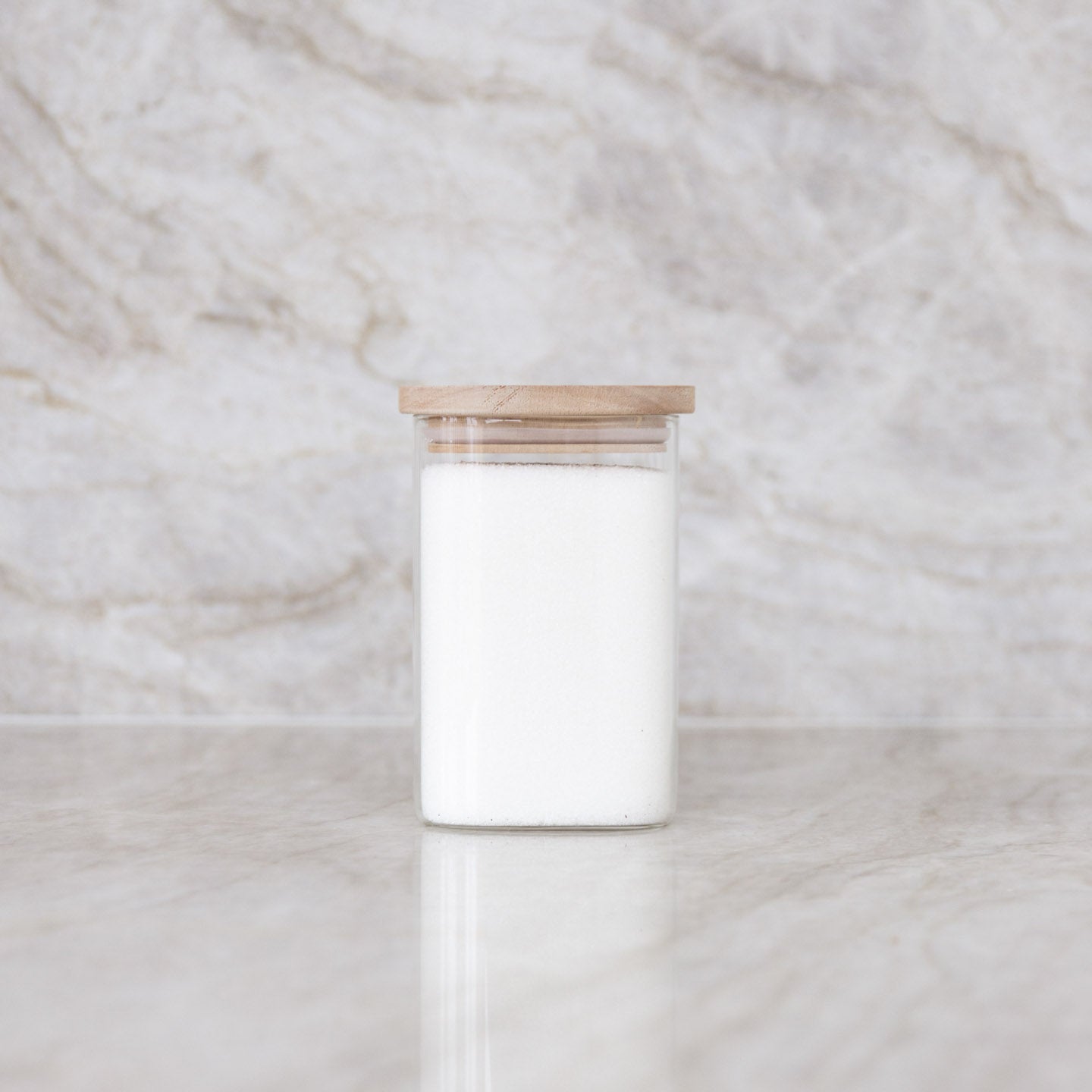
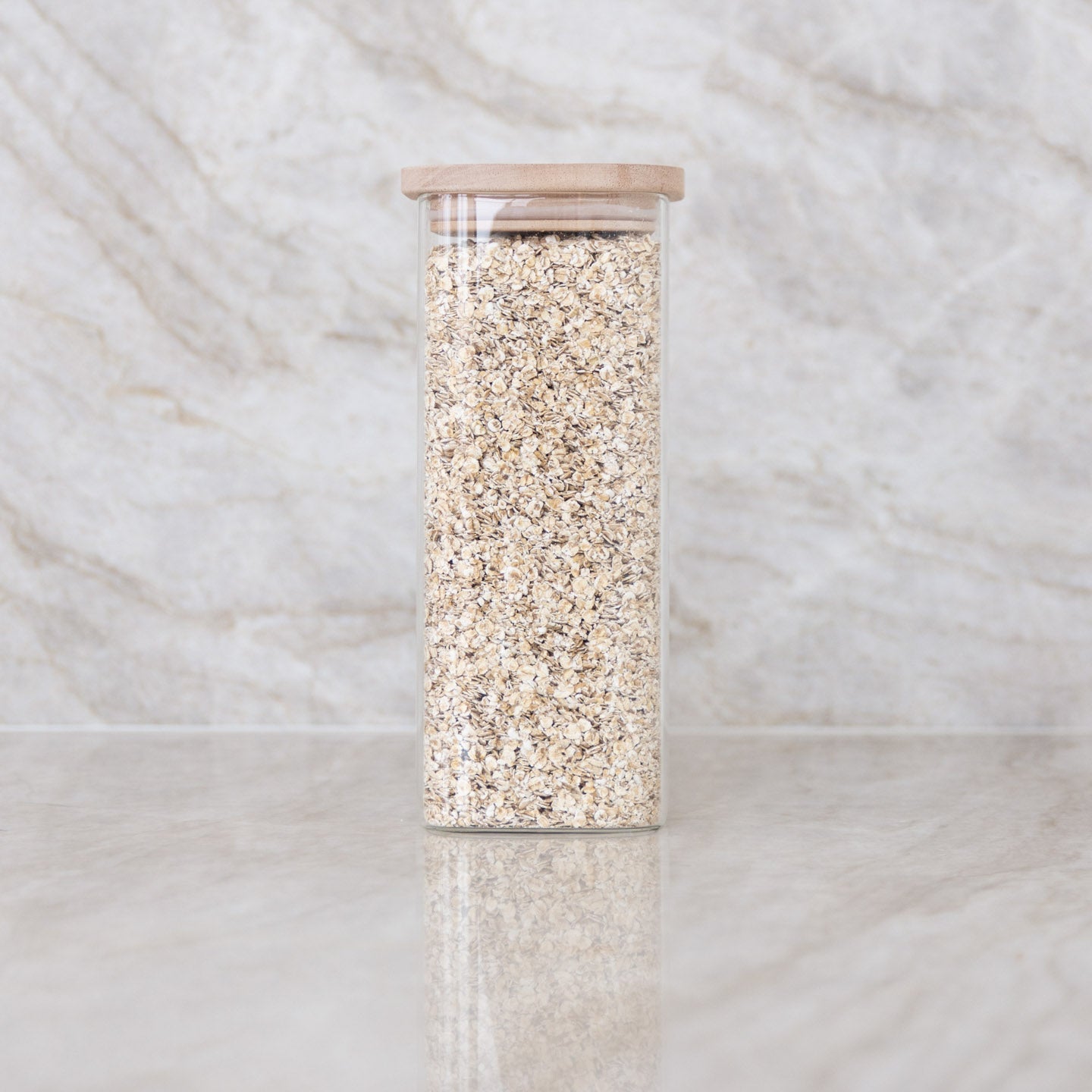
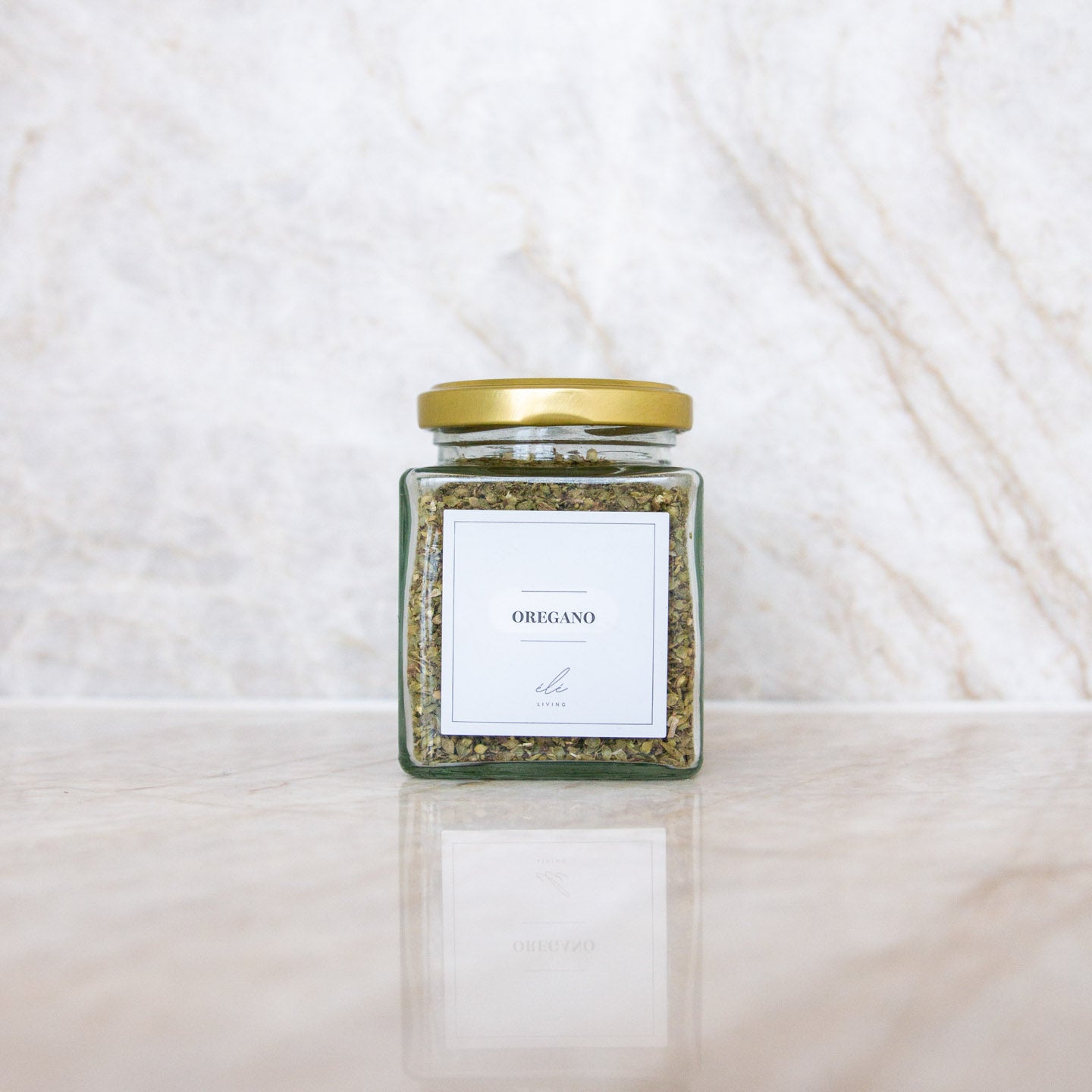
A similar series of glasses creates a calm expression and makes it easy to judge when something needs to be refilled. Choose glasses of the same height for the stairs so that the labels are in a straight line. Spice jars with gold lids give a warm, classic look that matches the wood and brass. Fill the jars with dry spices and herbs in the amount you actually use to avoid overflow on the steps. Place the small spices together at the same level and keep mixtures such as barbecue seasoning or curry group separate.
Labels for spices
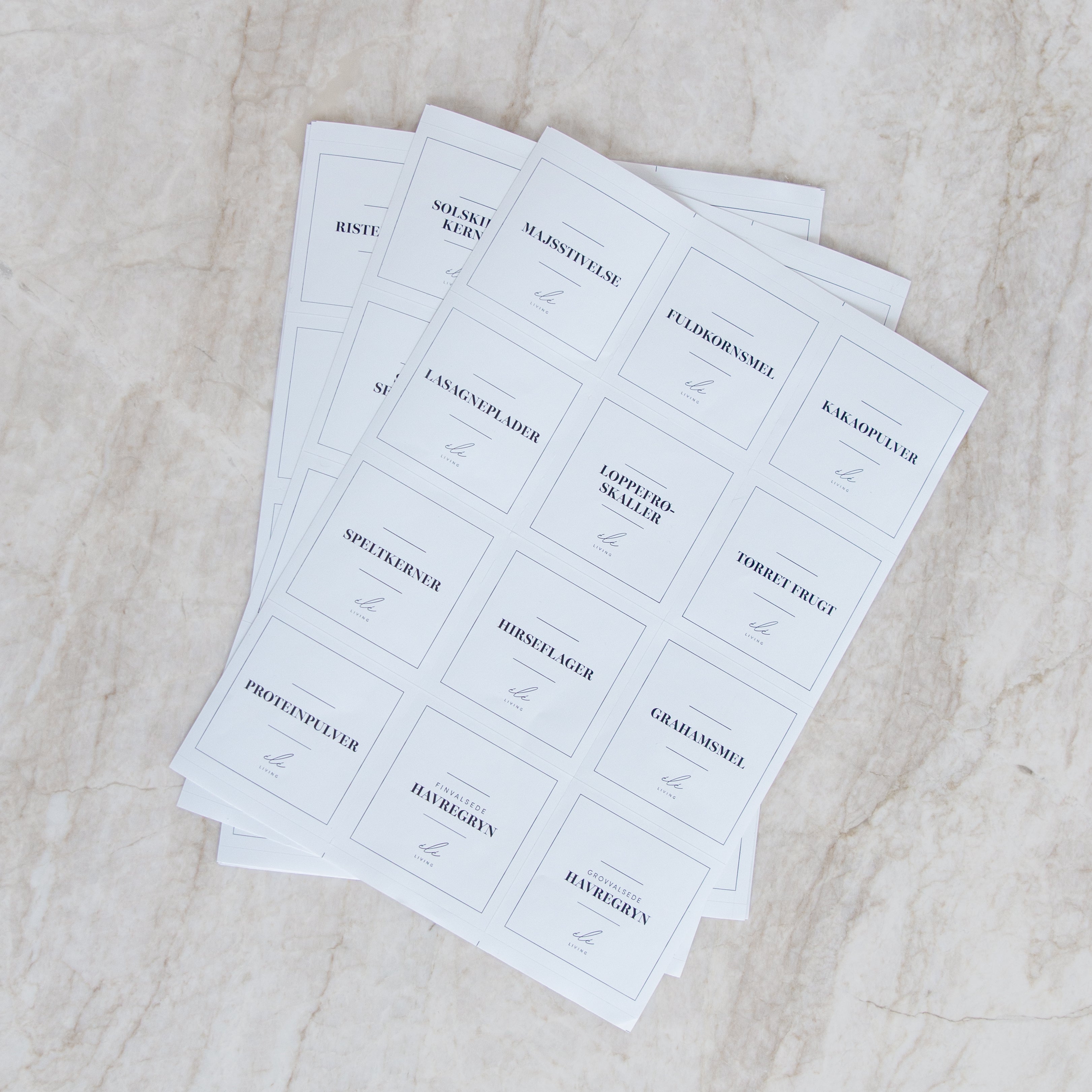
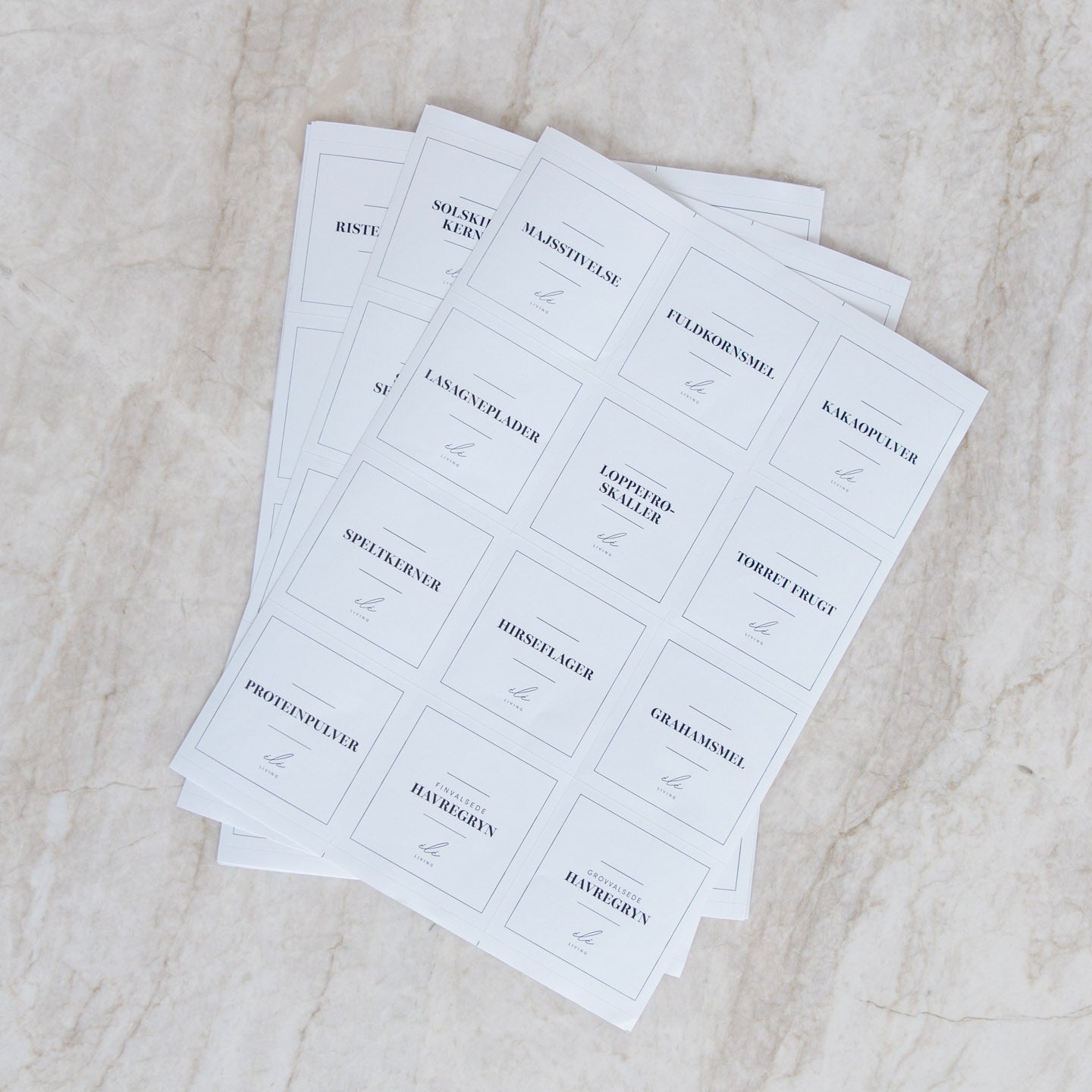
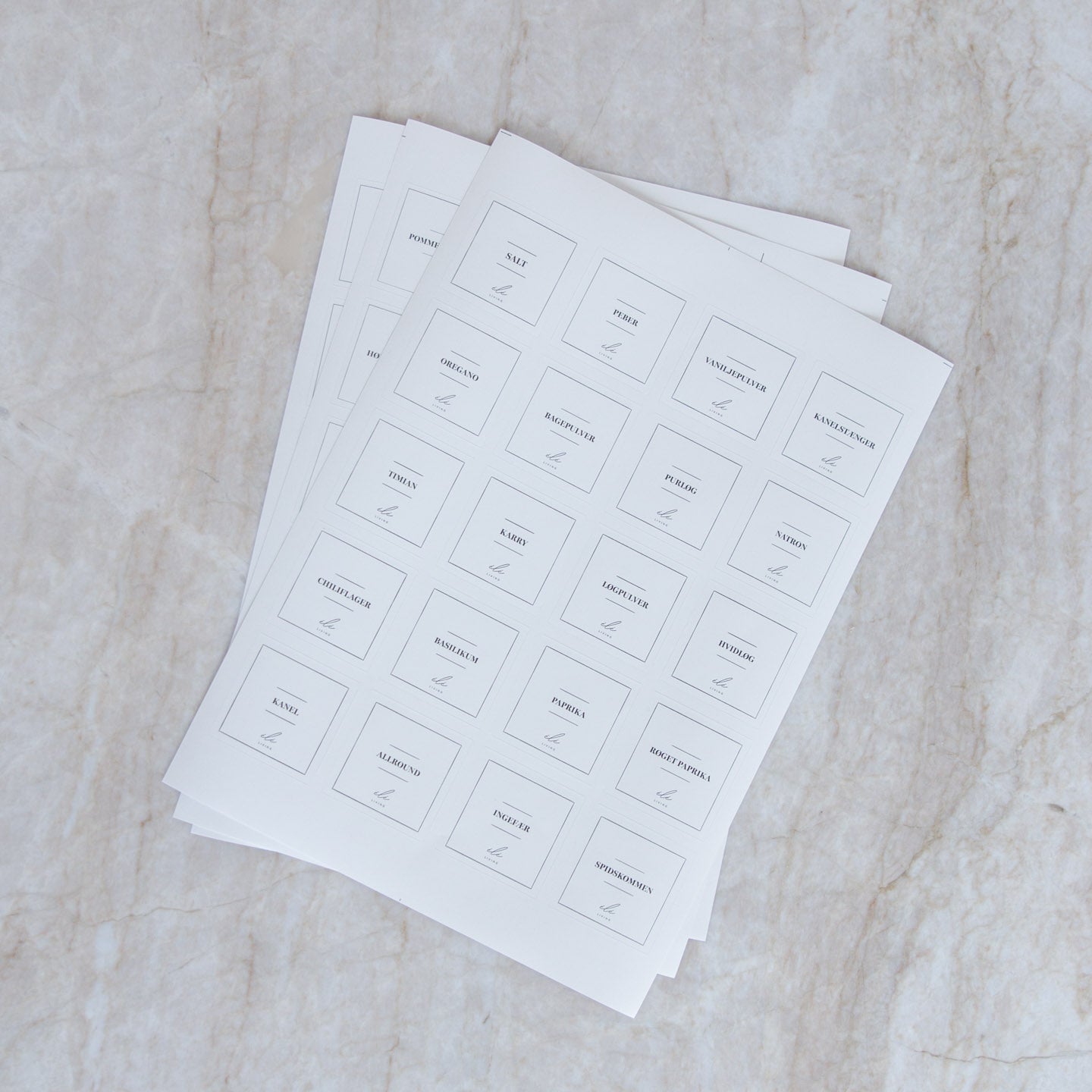
Clear labels make the entire setup quick to decode. Put a label on the front of each jar and, if the lid is visible in your setup, on the top as well. A set of spice labels will provide a consistent font and size, so the rows look tidy. Use standard names and avoid abbreviations. When refilling, keep the same name and location on the steps so your hand automatically goes to the right place.
Turntable for deep shelves
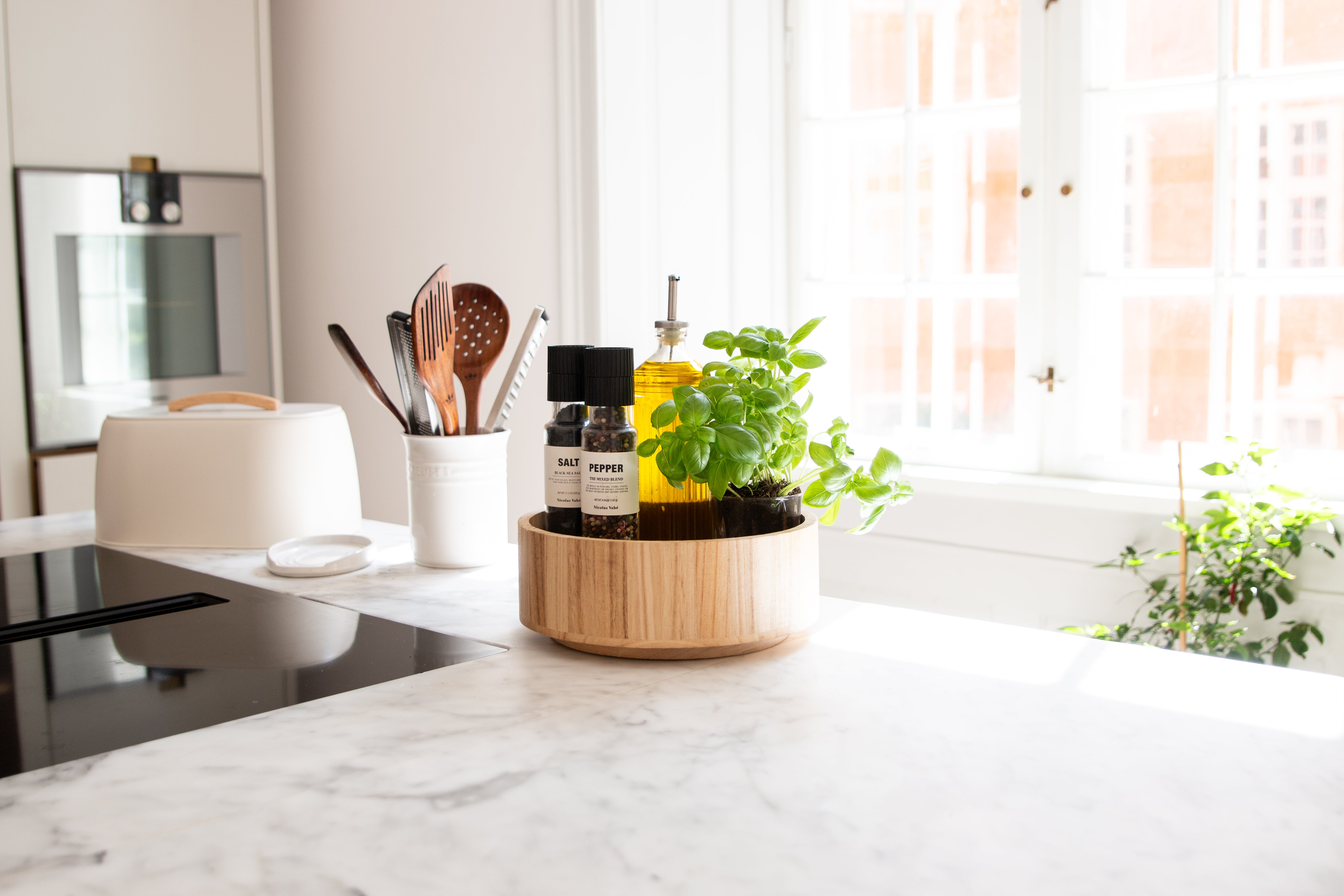
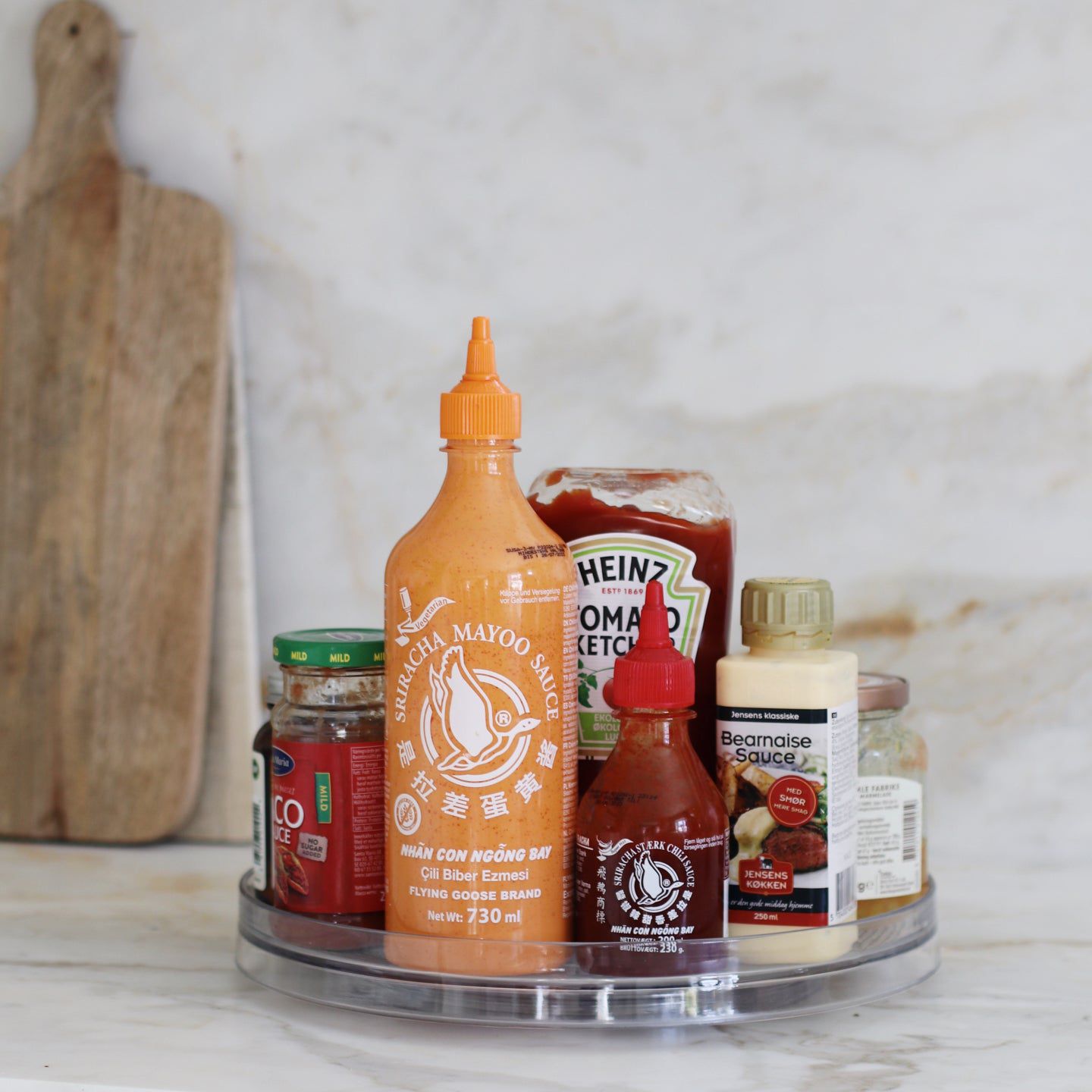
On deep shelves, the back row can be hard to reach. A wooden turntable with a high edge gives full access with a slight turn. Place it at the back and use the stairs in front to make use of the entire shelf without losing sight of the whole thing.
Choose what lives in the dish
- Tall grinders: Stack pepper and salt grinders so they don't fall over between the jars.
- Mixing jar: Marinade and all-round mixes you'll be able to reach from multiple angles.
- Spare spices: Extra jars of the most used ones so you can fill up in one go.
How to build a clear system
Step by step
- Empty the shelf and place all the spices on the table.
- Sort into groups: basic, baking, hot spices, blends.
- Measure the shelf and choose a spice rack that fits the width, as well as a turntable at the back if desired.
- Fill your glass and put labels on the front and, if applicable, the lid.
- Arrange the glasses in order of frequency of use from the front step outwards. Keep the same arrangement each time you fill up.
Expand with accessories
Once the system is in place, it's easy to add more jars or an extra row. If you want to see the entire range together and find matching lids and accessories, you can start in the Spice jars and accessories category. Stick to the same series so that the heights and diameters still match the steps, and maintain the same group structure when you expand. This way, the arrangement will be intuitive to use for everyone in the home.