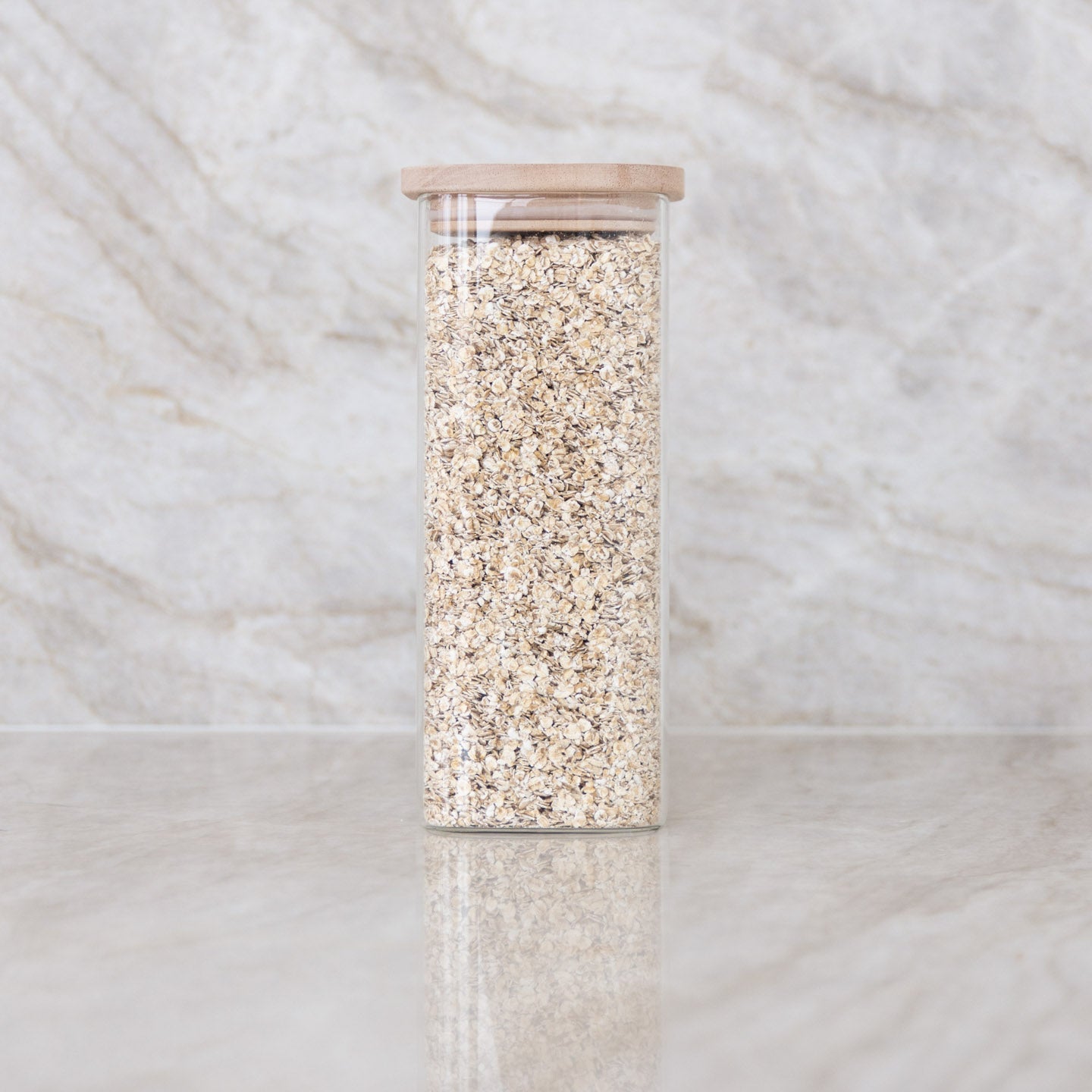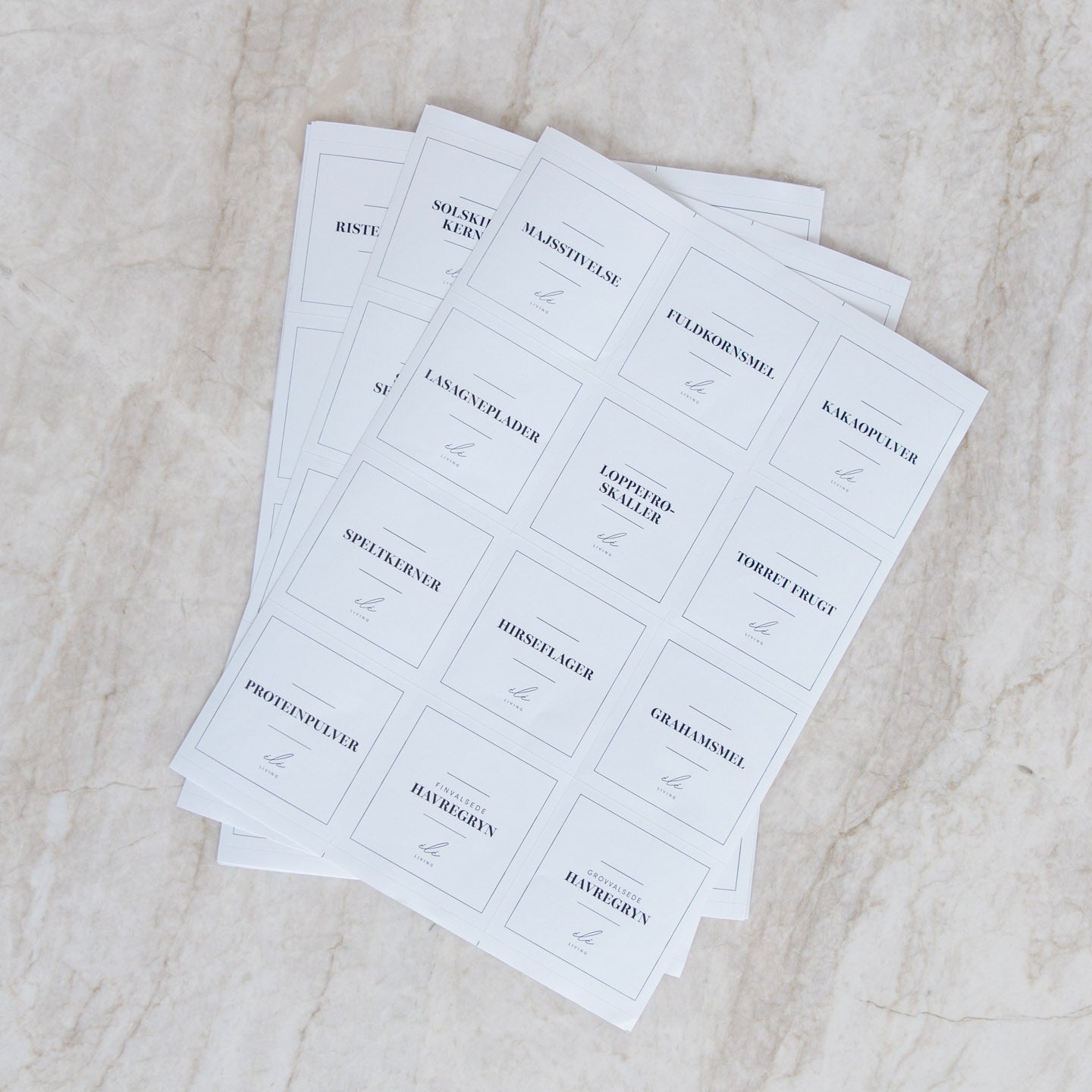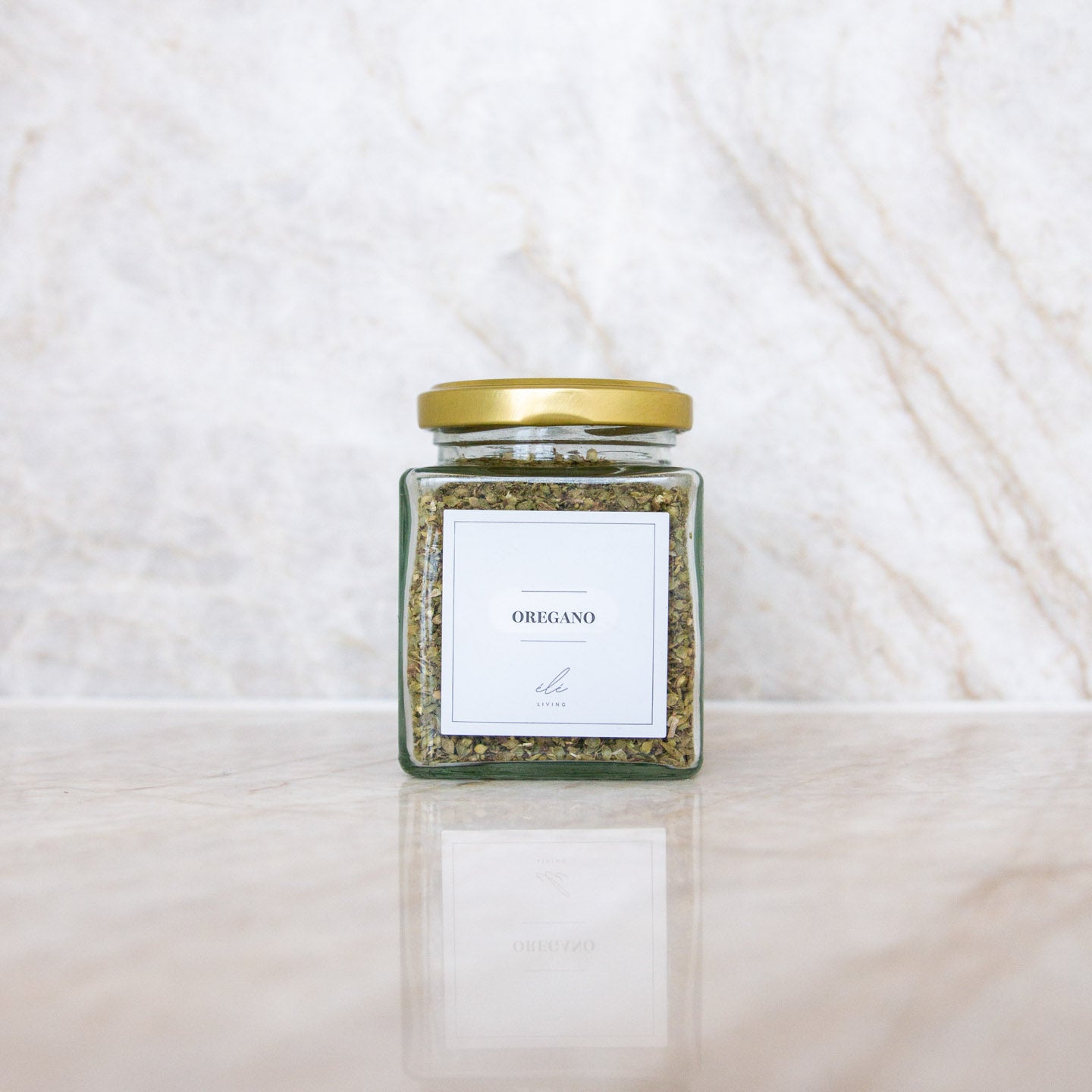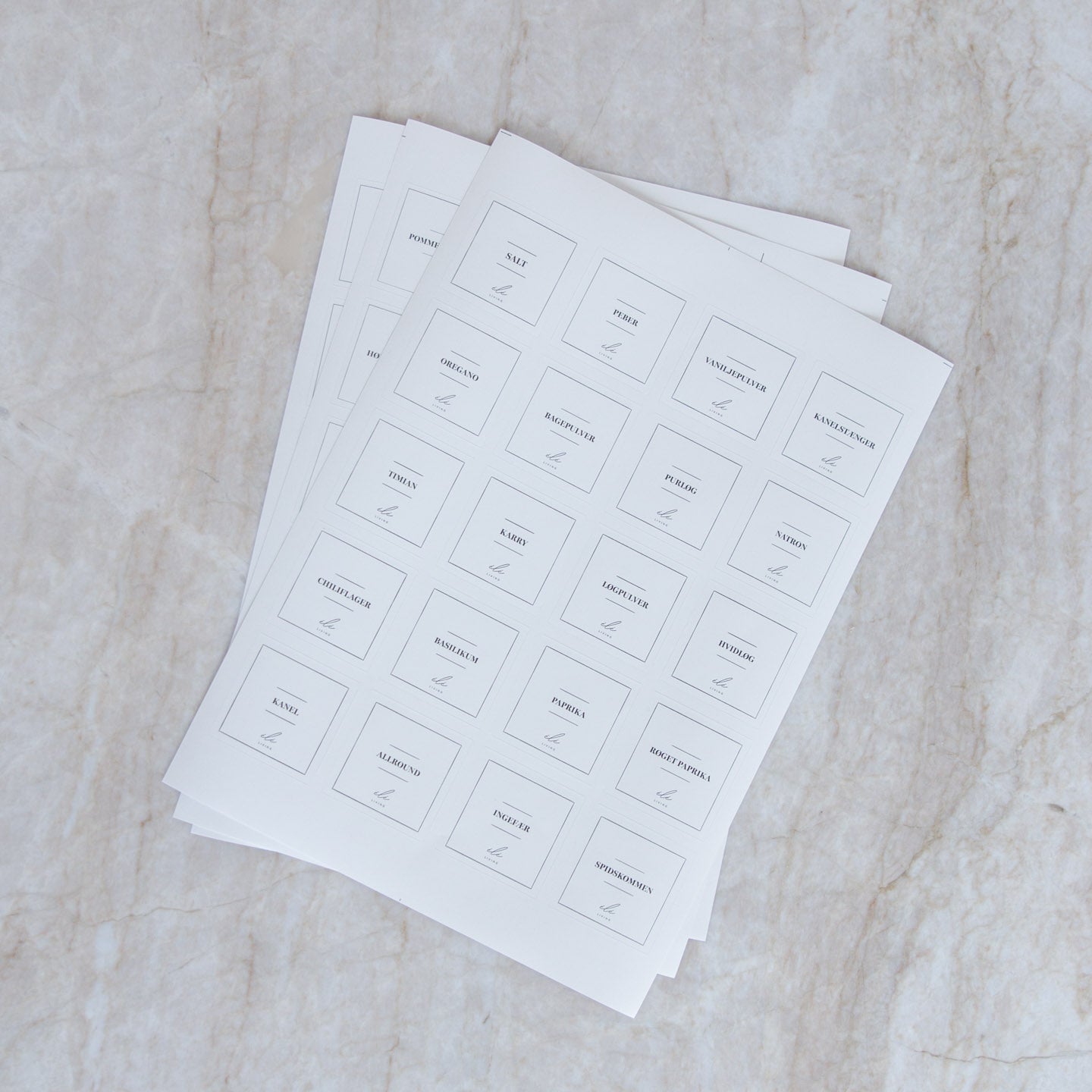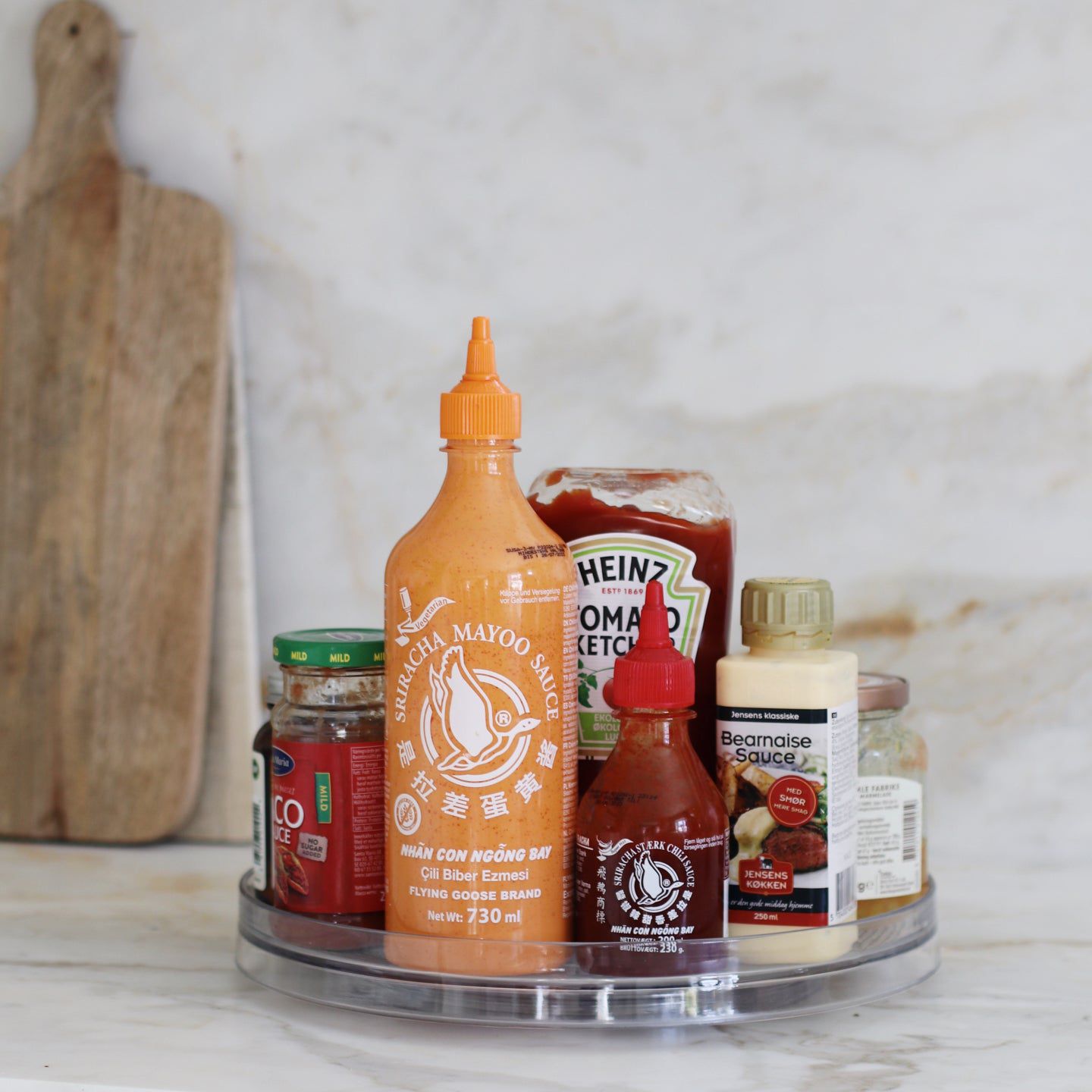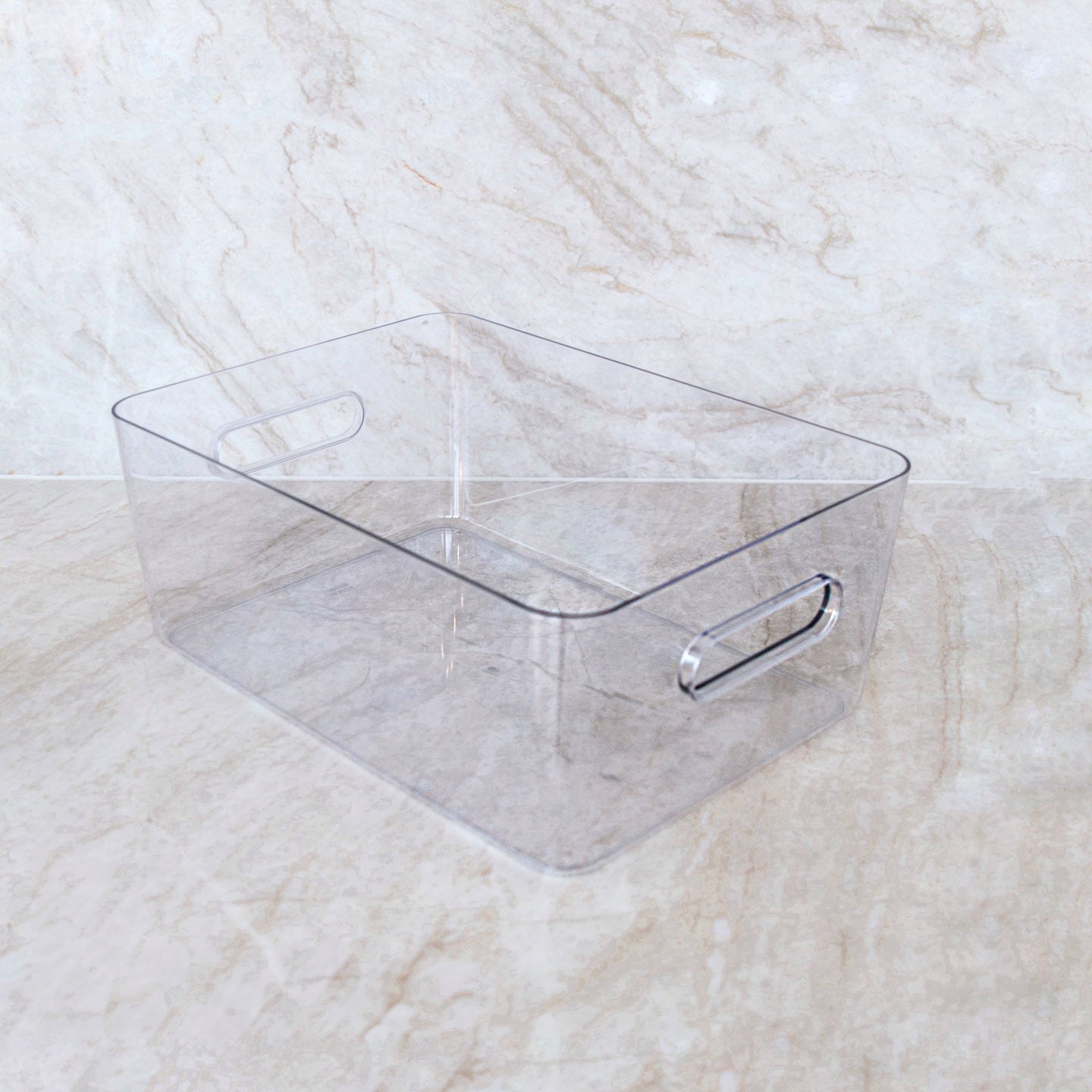

Clear labels for bottles bring calm to everyday life. You avoid mix-ups, quickly find the right thing, and get a kitchen where everyone can help. Start with simple, uniform labels and use short names so your bottles of oil, vinegar, juice, or dressings are easy to distinguish. Consider collecting your labels in one series from Labels to maintain a calm and cohesive look.
Bottle Labels for Oil and Vinegar
When you label cooking oils and vinegars, it becomes easier to grab the right one immediately. Write the precise designation, for example, "Rapeseed Oil," "Mild Olive Oil," or "White Wine Vinegar." This provides a better overview at the stove. If you have bottles of different sizes, you can choose a smaller label for a slender bottle and a wider label for a sturdier bottle. A practical starting point is to place the label at eye level on the front of the bottle so it can be read in both drawers and cupboards. If you lack suitable containers, an Oil-Vinegar Bottle 500 ml or Oil-Vinegar Bottle 730 ml can make the contents manageable and easy to dispense.
Easy-to-Read Label Design
Keep the design simple. Use:
- Short names - quicker to read.
- A consistent writing style - same typography and placement on all bottles.
- Good contrast - dark text on a light background or vice versa, depending on the bottle's color.
Avoid too much embellishment and long descriptions. Think in terms of line breaks if you want both the name and a flavor note, for example, "Olive Oil" on the top line and "Intense" on the next.
Placement and Size on Different Bottles
The shape of the bottle determines where the label sits best:
- Round bottles - place the label in the middle of the body so it's straight when the bottle faces forward in the cupboard.
- Square bottles - center the label on one side, and have all bottles face the same way for a neat look.
- Narrow bottles - choose a smaller label high on the bottle so text doesn't bend around the curve.
Test the placement with a piece of painter's tape first. When the text is at eye level and can be read without turning the bottle, you're there.
Keep Track of Dates and Contents
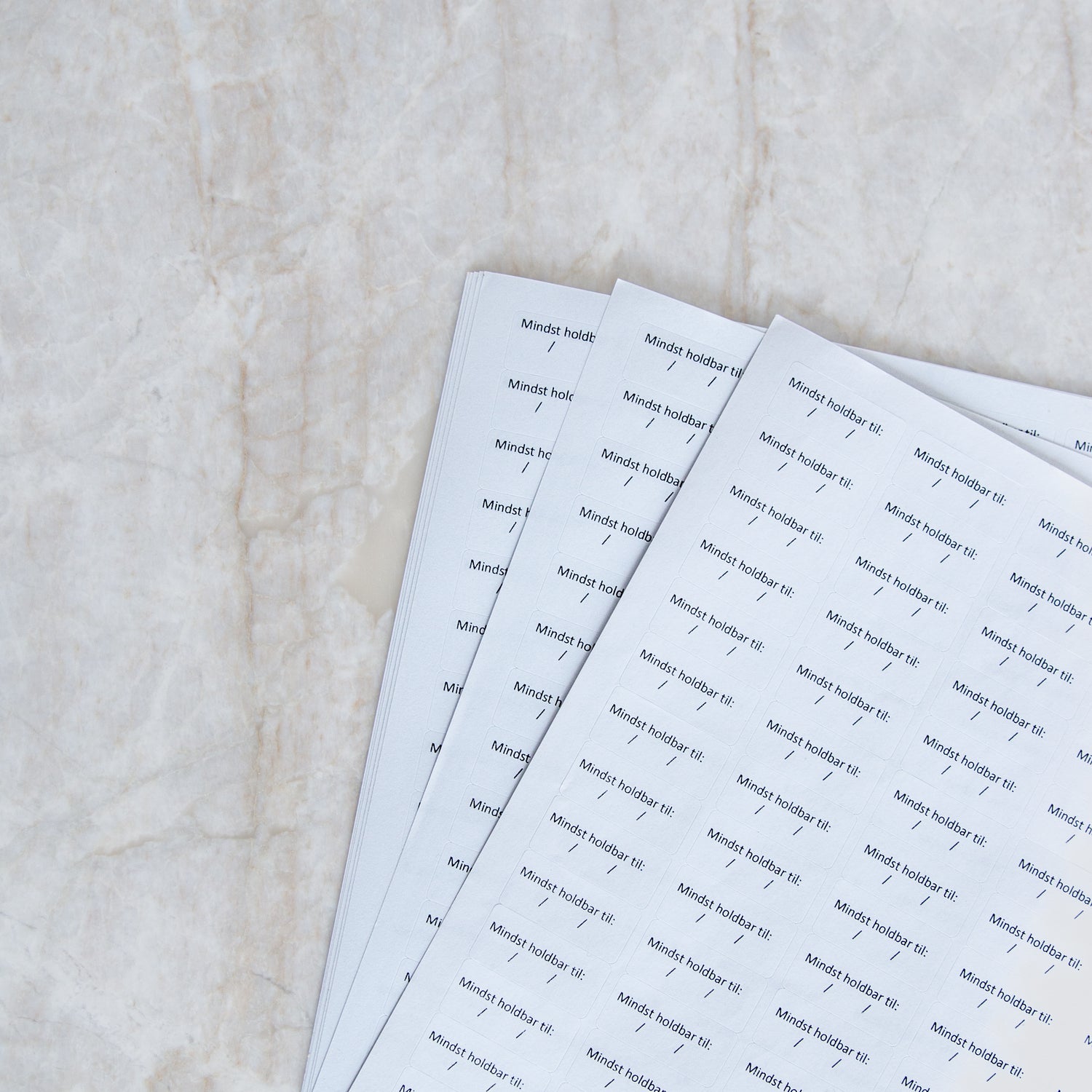
A simple routine is to add a small date marking. Use Labels Best Before to note when you opened or refilled the bottle. Place it below the main label so you can read the name and date at a glance. This makes it easier to use what has been there the longest and helps you plan refills. If you have several variations of the same type of oil, you can also note "mild" or "strong" to get the right flavor during cooking.
Organize Your Bottles in the Cupboard
Once the bottles are labeled, organization is the next step. A Stackable Bottle Holder gathers them in one place and makes it easy to pull out the entire collection. Place the holder where you typically cook - near the stove or on the spice shelf - so the flow in the kitchen feels natural.
Choose What Lives in the Holder
- Oil and Vinegar: Gather basics like rapeseed oil, olive oil, and a light and dark vinegar.
- Cooking Sauces: Group soy sauce, fish sauce, and similar for quick access.
- For Serving: Keep a bottle of good olive oil and a mild vinegar ready for salads.
Once the system is set up, it's easy to maintain. Write the same name on new bottles, add the date, and put them back in their designated spot. Uniform labels make everyday life calmer because you can navigate without having to think about it.