
Containers for flour make it easier to create order and clarity in the kitchen cupboard, especially if you often have several types of flour open at the same time. When wheat flour, rye flour, spelt flour, and other dry goods have designated places, it becomes easier to bake, shop, and use what you already have. At Élé living, storage is not just about practical solutions, but also about creating a kitchen that feels simple, organized, and pleasant to use in everyday life.
Storage containers for flour in the kitchen cupboard
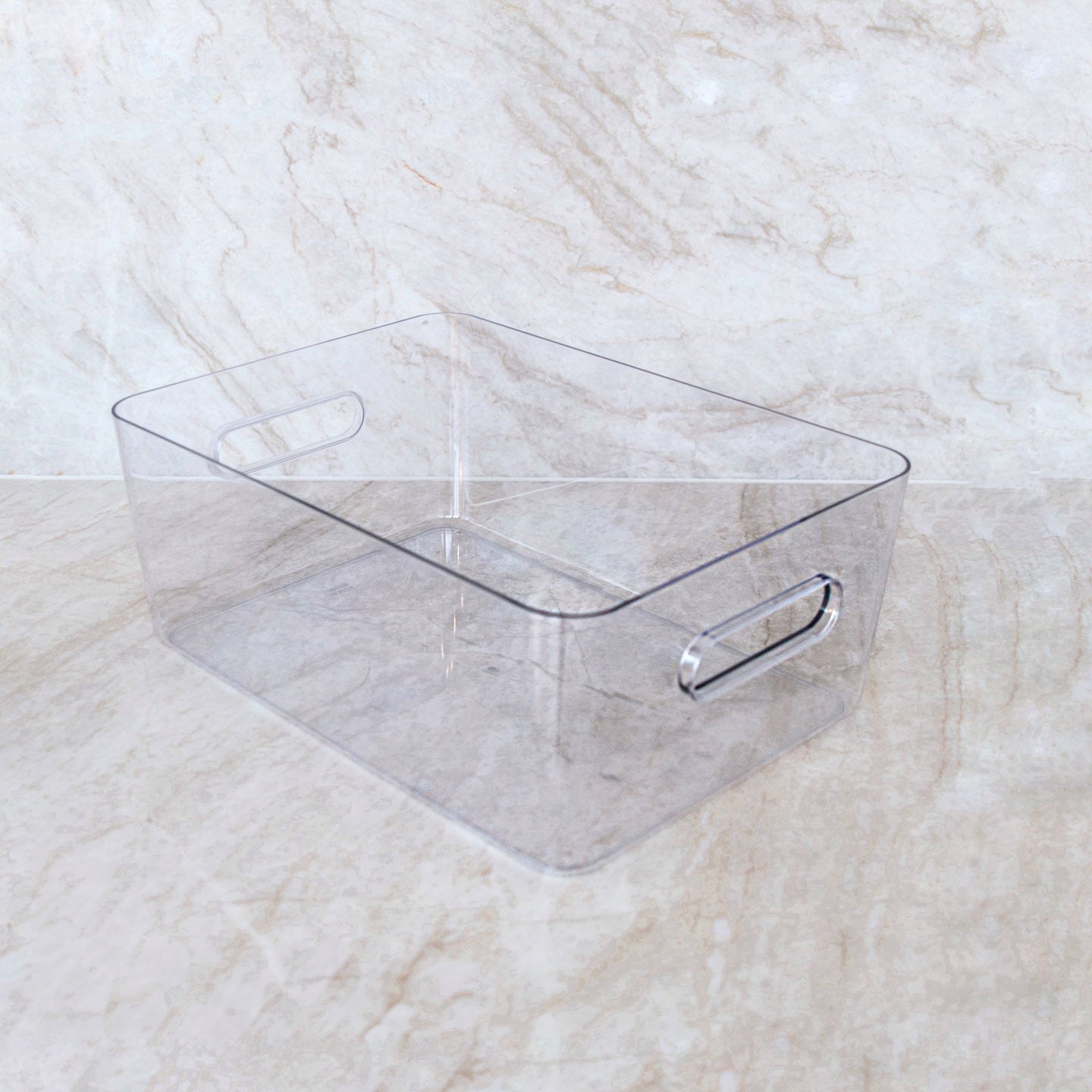
Storage containers for flour are a good solution when you want to collect dry goods in uniform containers instead of open bags. This creates a calmer look and reduces the risk of flour spills on shelves and in drawers. You can see the selection of storage containers if you want practical containers in various sizes for food and organization.
A simple rule of thumb is to place the types of flour you use most often at the front of the cupboard. The varieties you use less frequently can be placed further back or gathered in a box on a shelf. This way, you avoid moving many containers every time you need to bake.
Storage jars for flour and dry goods
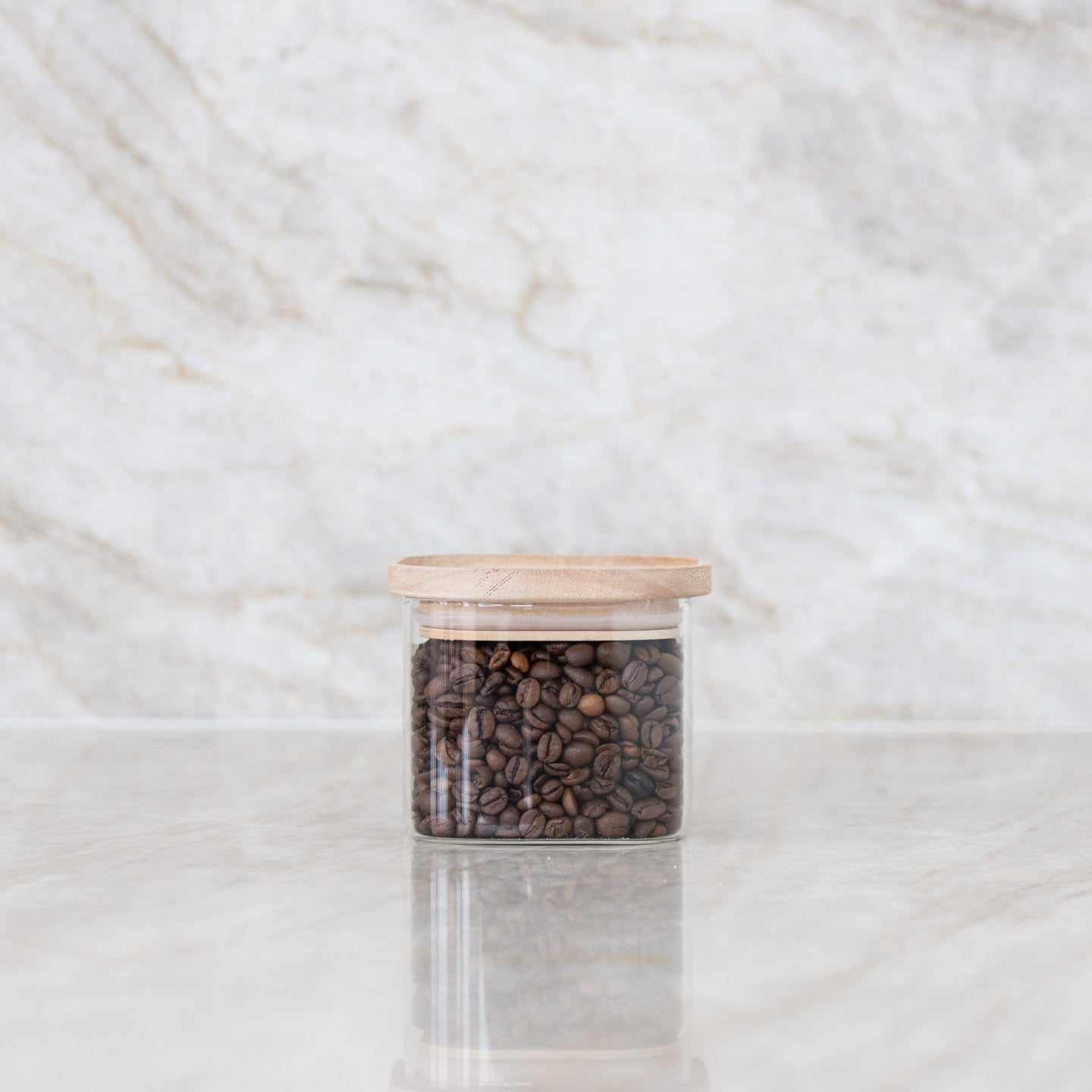
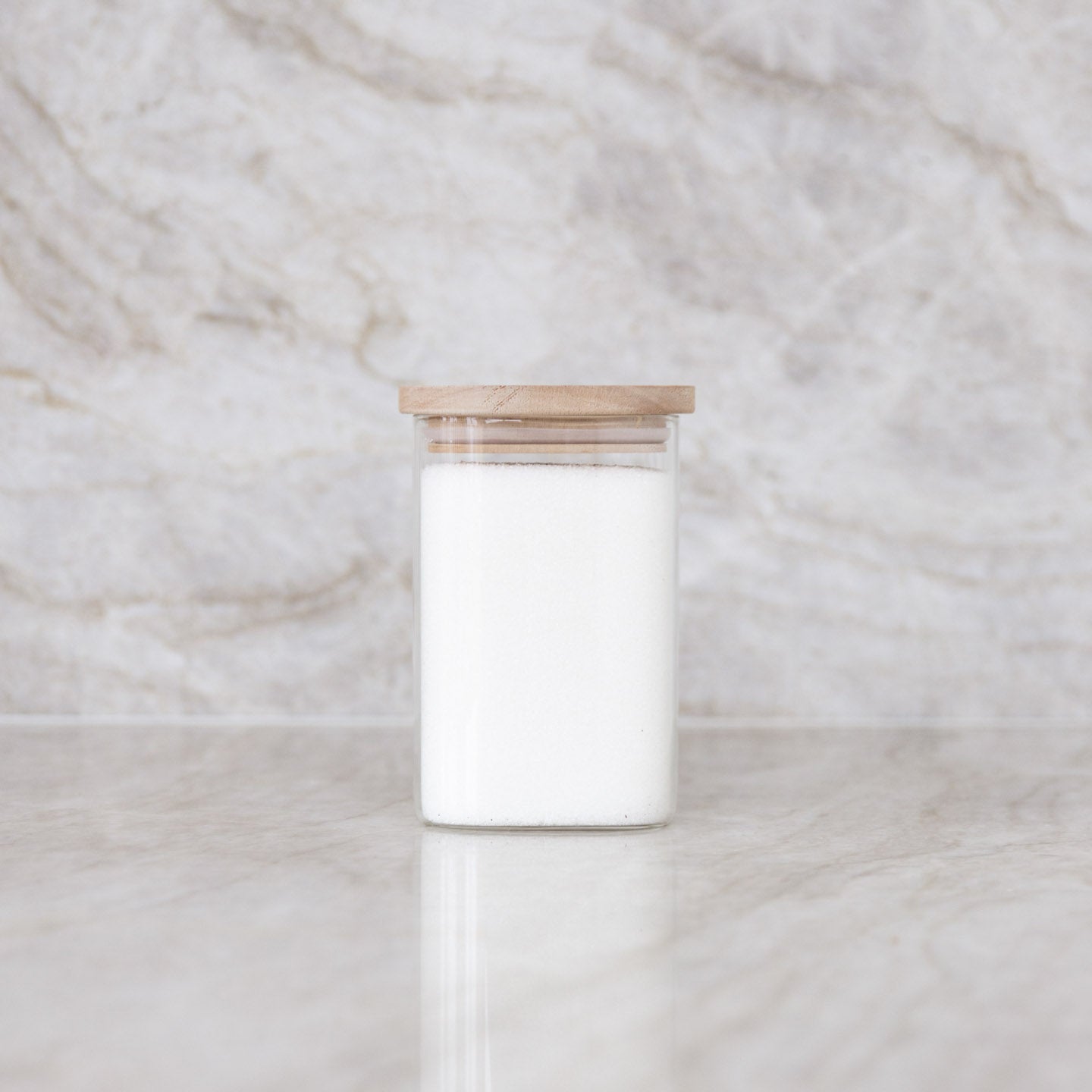
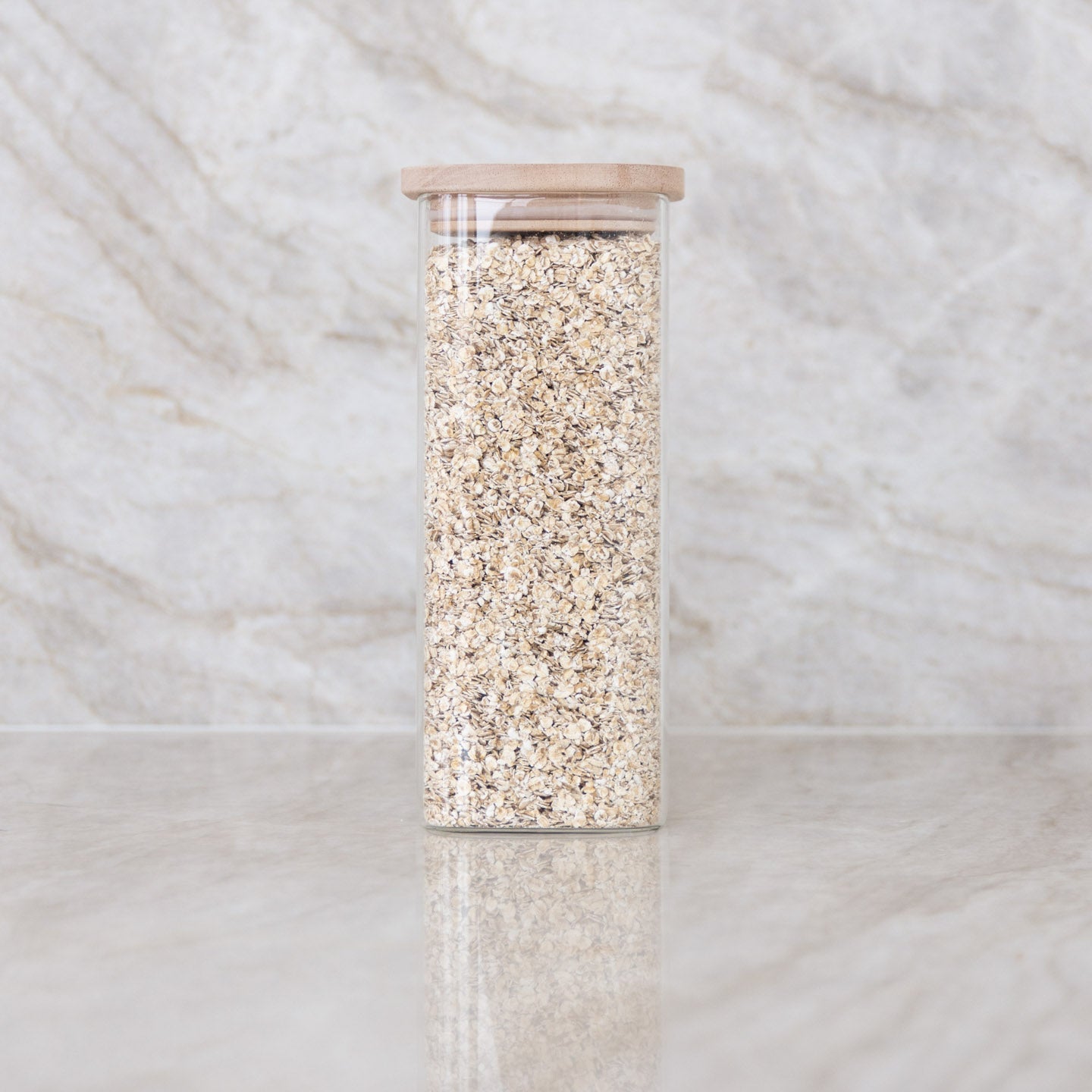
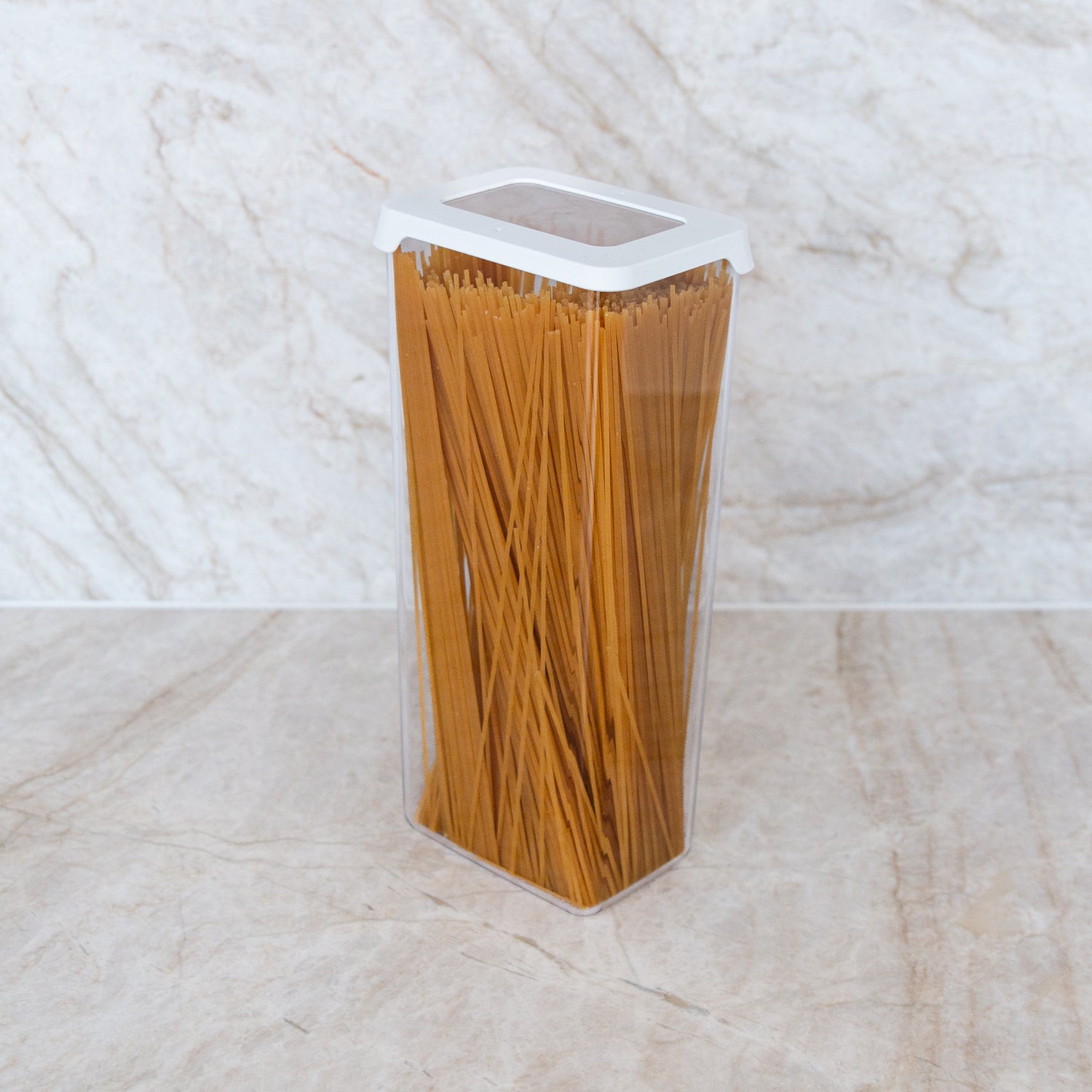
If you want a more aesthetic look, storage jars can be a beautiful alternative to classic containers. Transparent containers make it easy to see what you have and how much is left. This is especially practical for flour, sugar, grits, and pasta, where the quantity can quickly vary from week to week.
Storage jars fit well into a kitchen where function and visual calm go hand in hand. Jars with lids help to neatly contain the contents and can be good for keeping pests out when dry goods are stored correctly and the cupboard is kept clean.
Choose size according to your dry goods
When choosing containers for flour, it is beneficial to consider your habits. Do you often buy large bags of flour, or do you mostly have smaller quantities for occasional baking? Uniform sizes can create a harmonious look, while different sizes can be more practical if your food items vary greatly in volume.
- Large containers: good for wheat flour, rye flour, oats, and sugar, which are often used in larger quantities.
- Medium sizes: suitable for spelt flour, almond flour, breadcrumbs, or pasta.
- Small containers: practical for baking powder, vanilla sugar, seeds, and small dry goods that might otherwise easily get lost in the cupboard.
Labels for flour, sugar, and grains
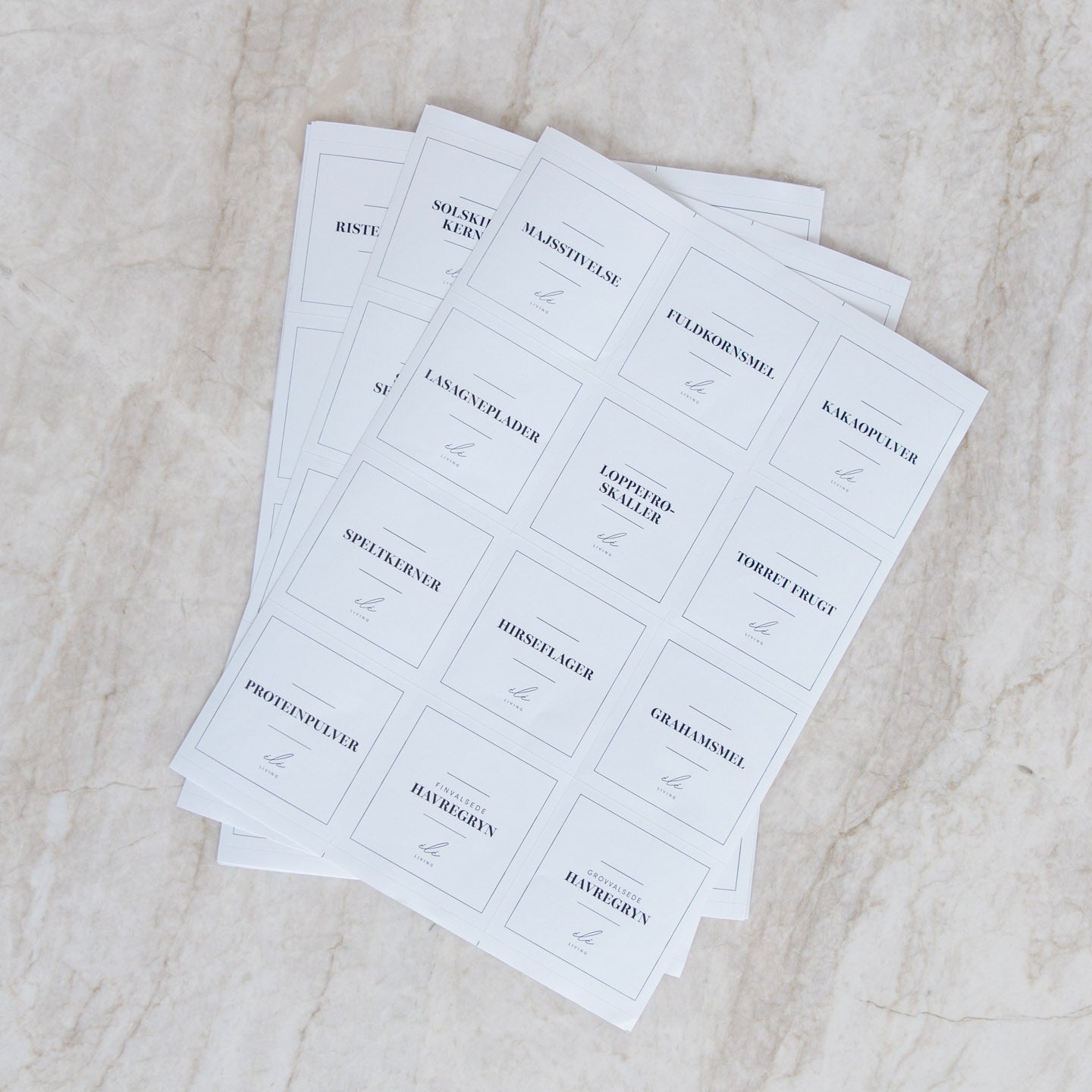
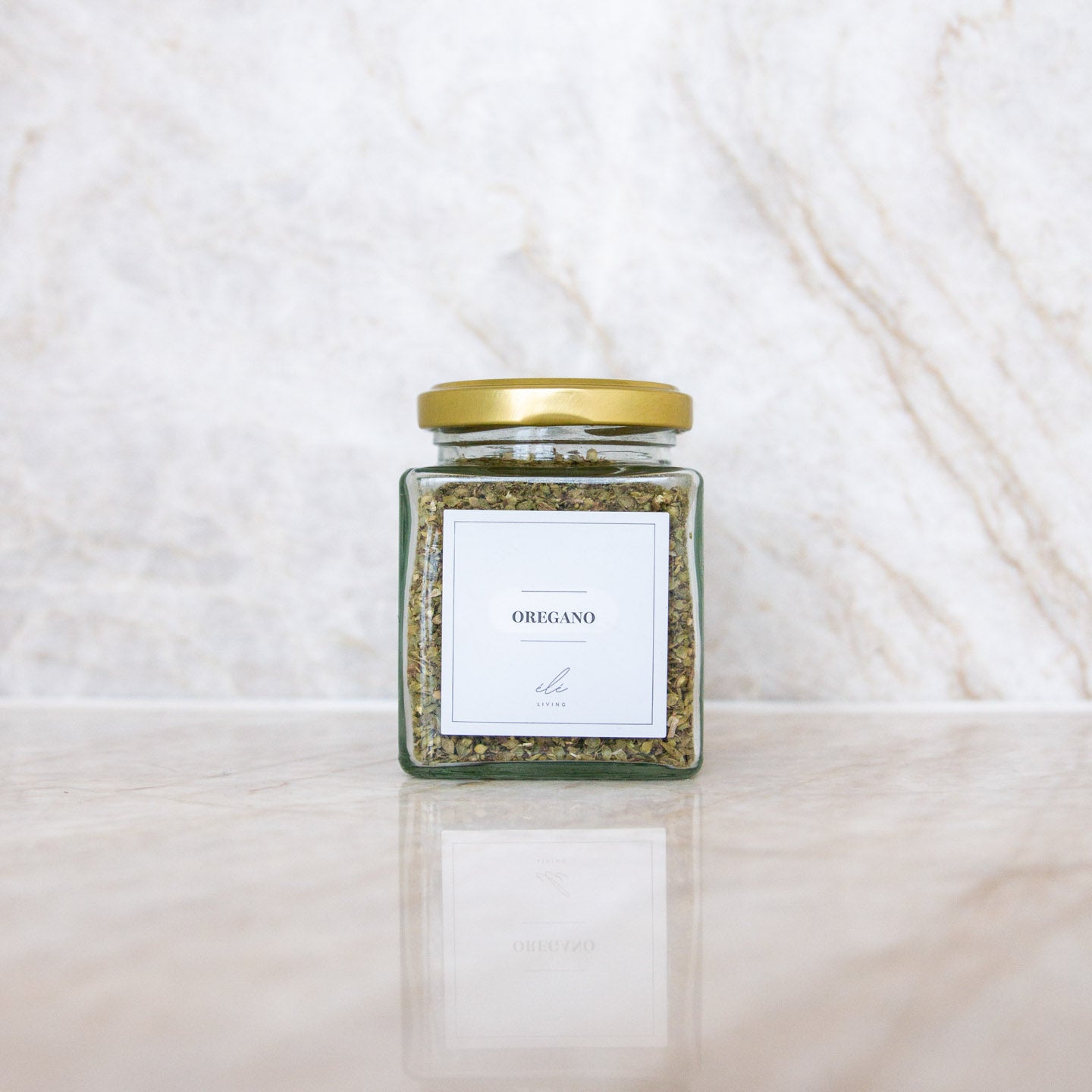
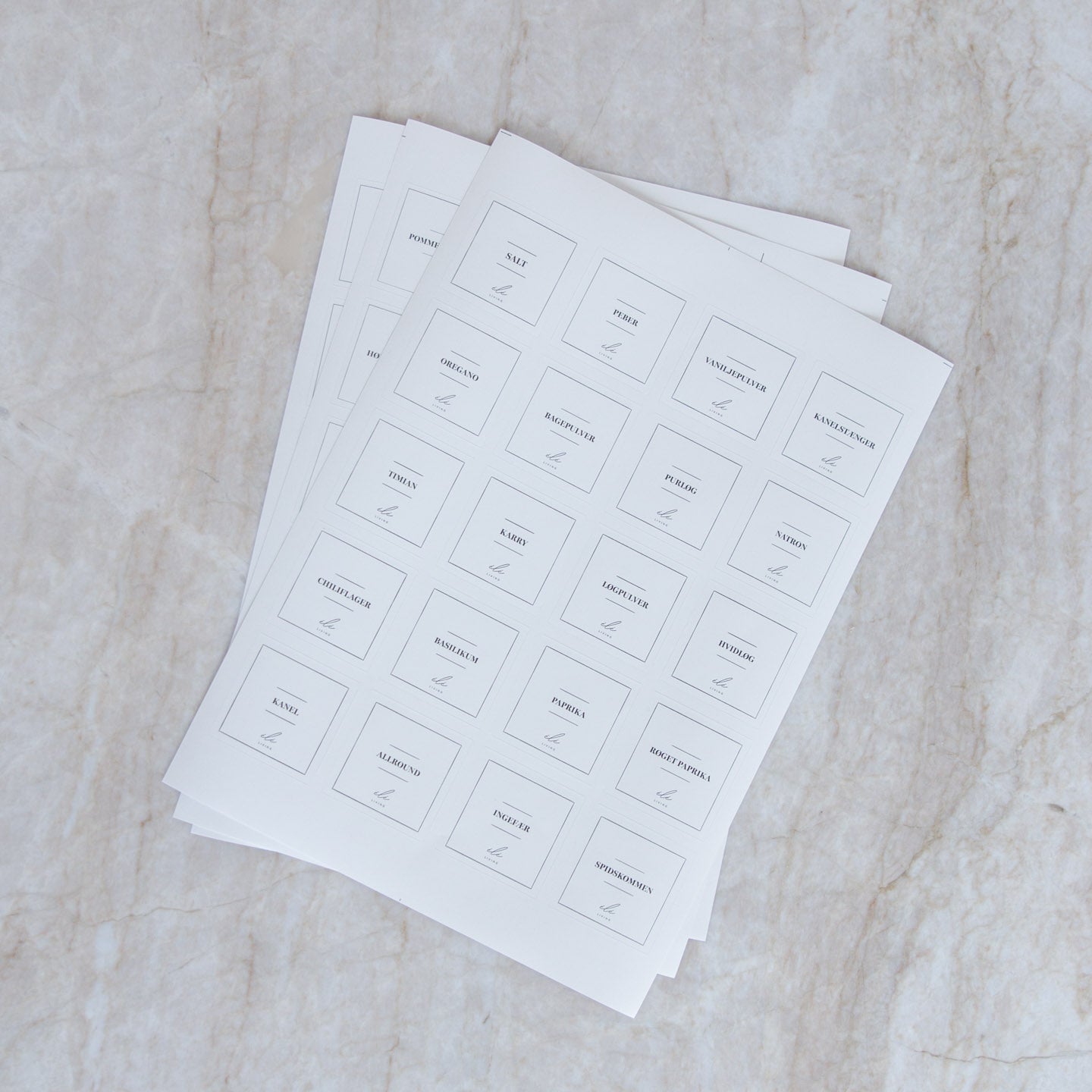
When several dry goods look similar, labels can make a big difference. Types of flour can be difficult to distinguish, especially when stored in transparent containers without their original packaging. With labels, you can quickly see what is wheat flour, rye flour, icing sugar, or oats.
Élé living's labels come in ready-made sets, so you can create a uniform look without having to come up with names from scratch. This provides both an overview and a more cohesive feel in the kitchen.
Create calm with a designated flour zone
A designated flour zone makes the kitchen easier to use. Gather flour, sugar, grains, and baking ingredients close together so you don't have to search in multiple places when you bake. According to feng shui principles, order and clear placements can contribute to a sense of calm because the home becomes easier to navigate.
Start small: Empty one shelf, wipe it clean, sort out duplicates, and pour the dry goods you use most into appropriate containers or jars. When each food item has its designated place, it becomes easier to maintain an overview – and your kitchen cupboard will feel more inviting in everyday life.