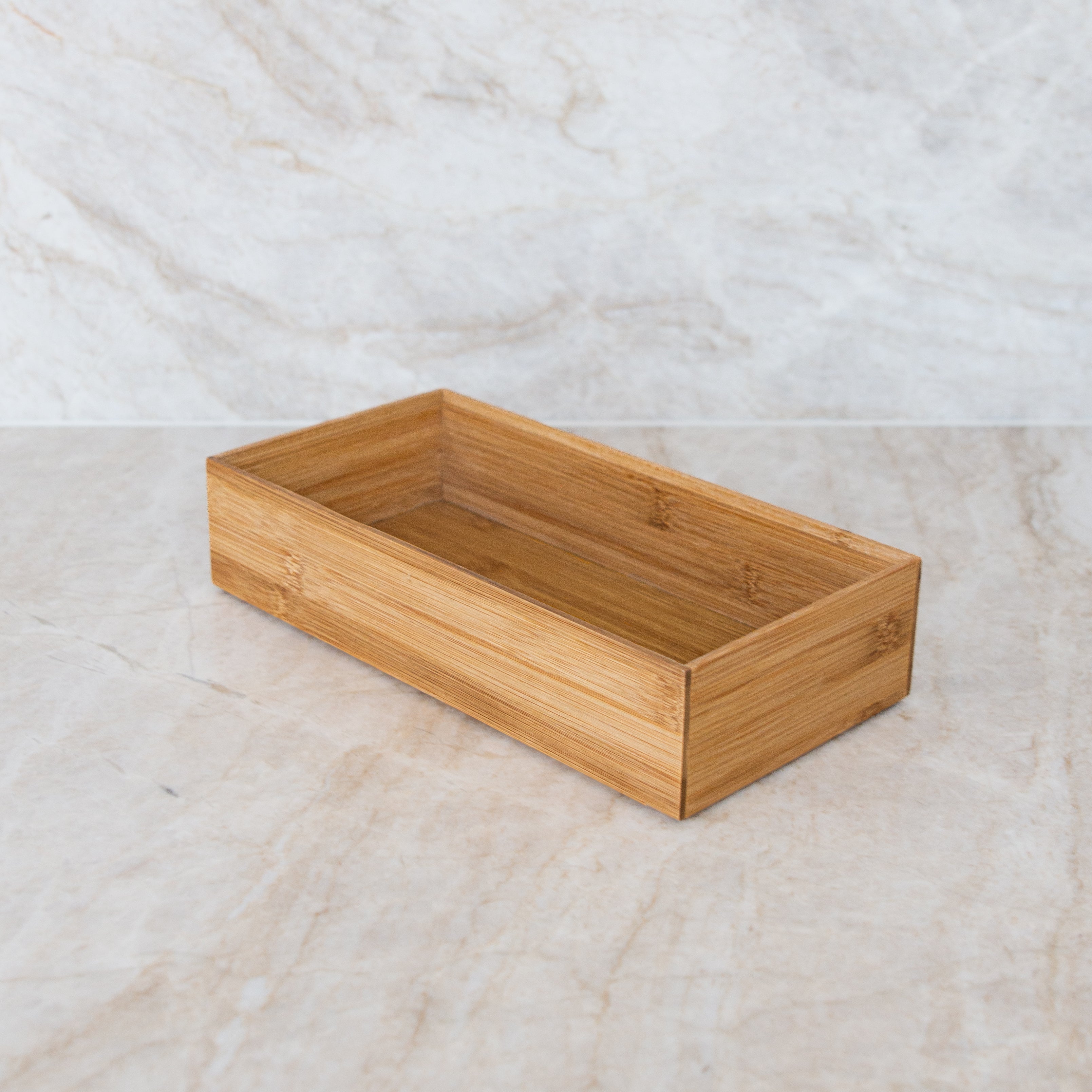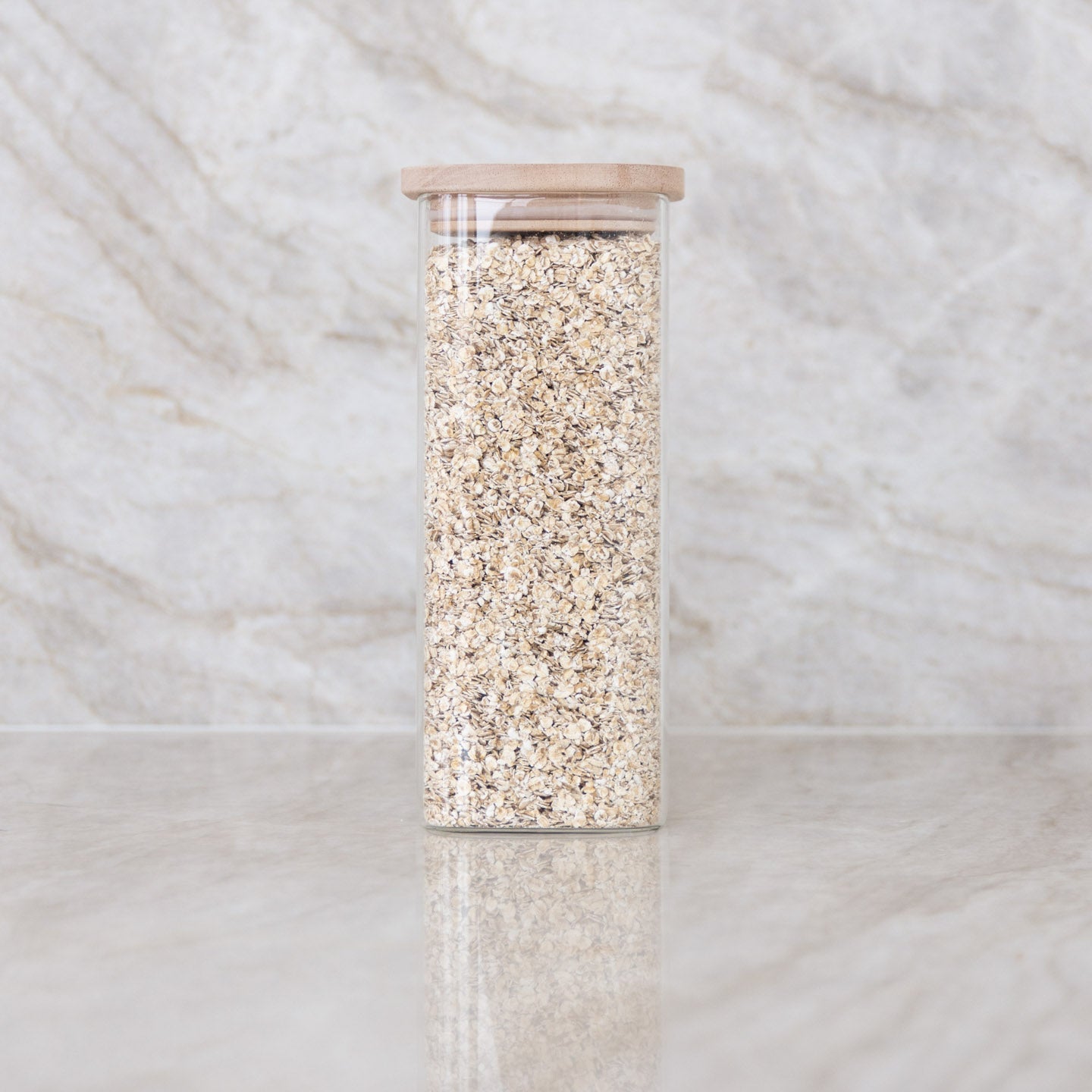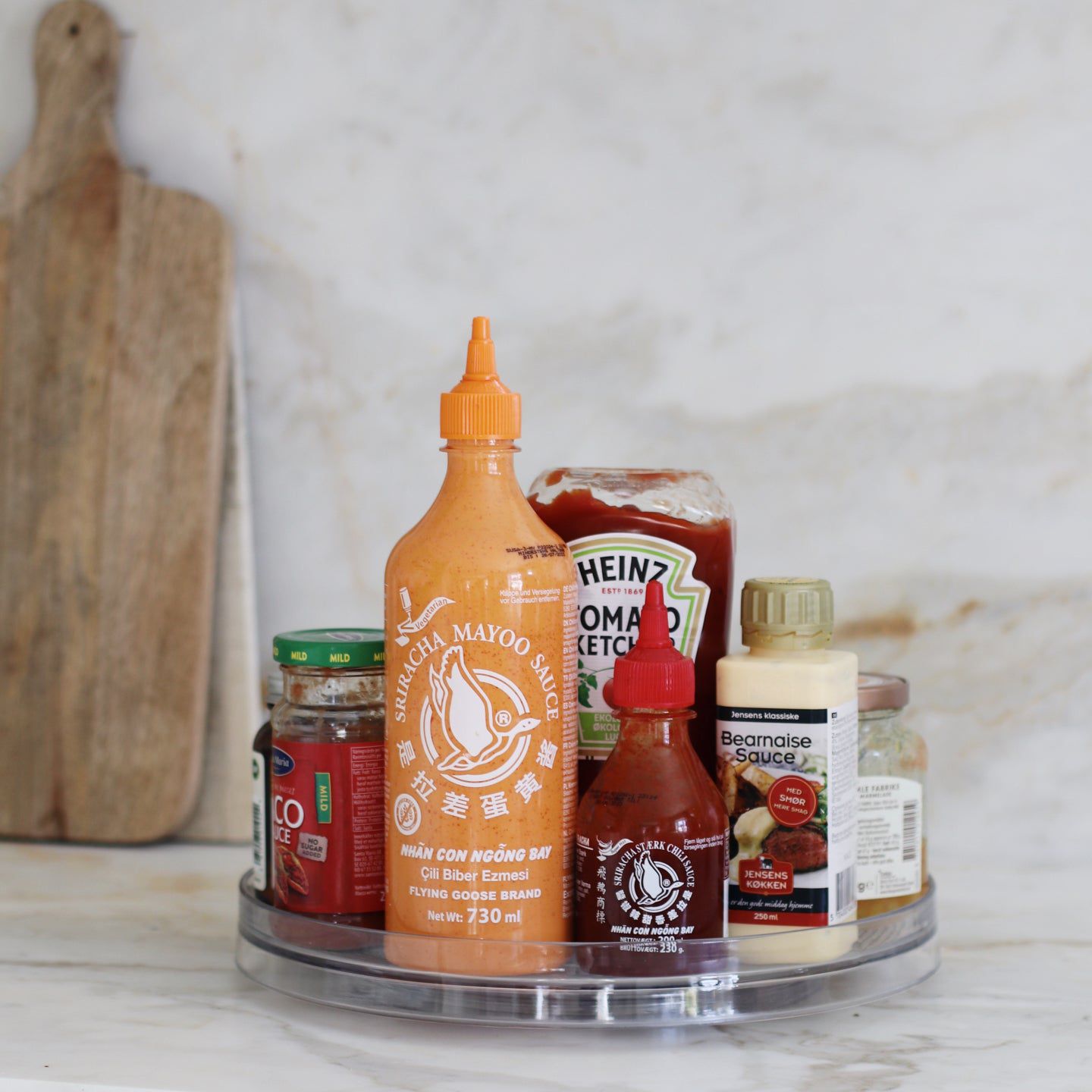

A drawer organizer makes it easy to create calm, overview, and quick access to what you use every day. When everything has a fixed place, you save time and avoid clutter. Think in simple zones and use modules of recurring sizes so the system becomes both aesthetically pleasing and easy to maintain. Start with one drawer at a time and build from there.
Drawer divider in the kitchen
In the kitchen, a drawer organizer provides the most value when contents are grouped into clear categories: cutlery, cooking utensils, foil and bags, and small tools. Choose inserts of uniform heights and widths so you can combine them without wasted space. Place what you use daily in the front compartments and rarer items at the back. If you have deep drawers, boxes in two rows can utilize the height, while shallower drawers are suitable for utensils and spices. See the full range for the kitchen here: Kitchen.
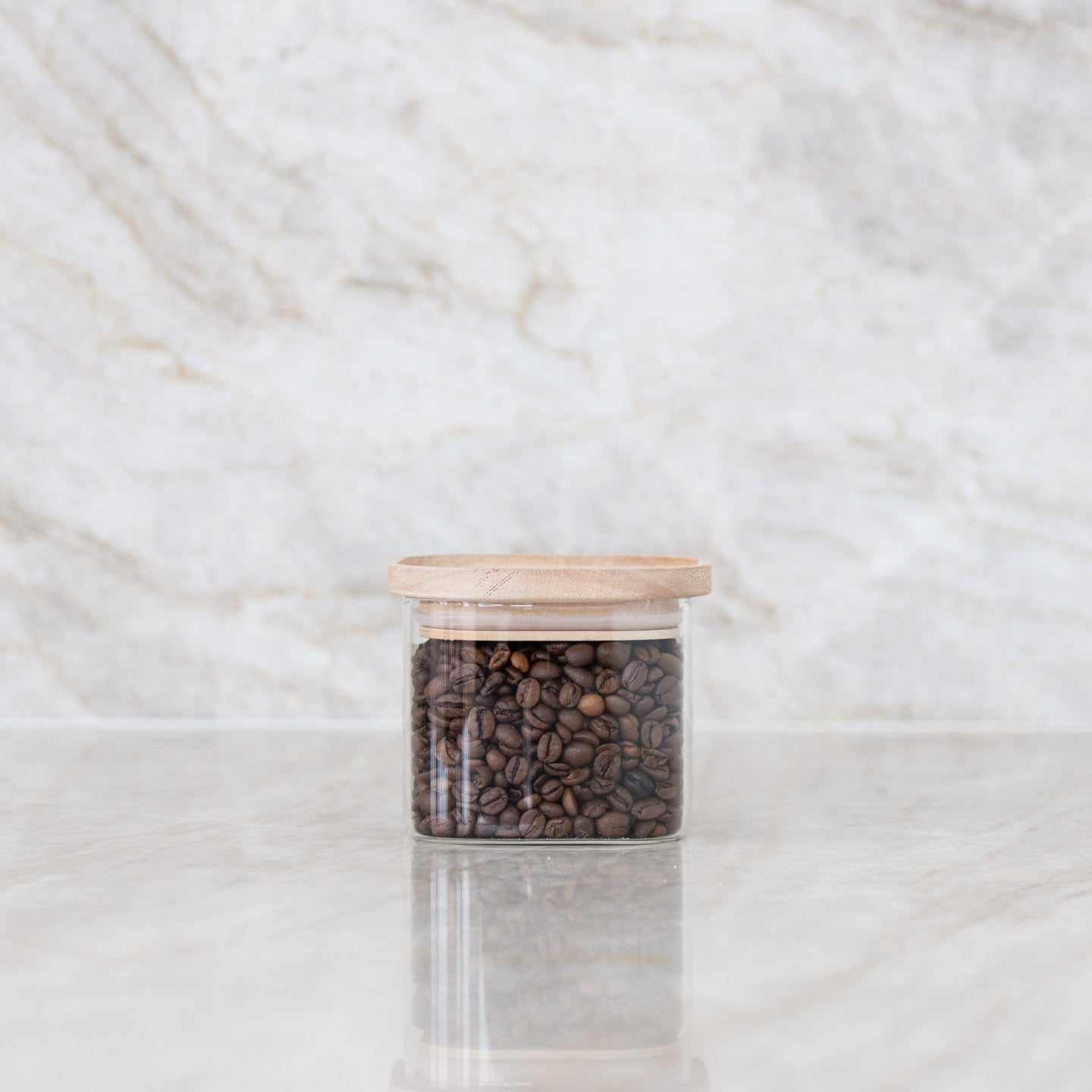
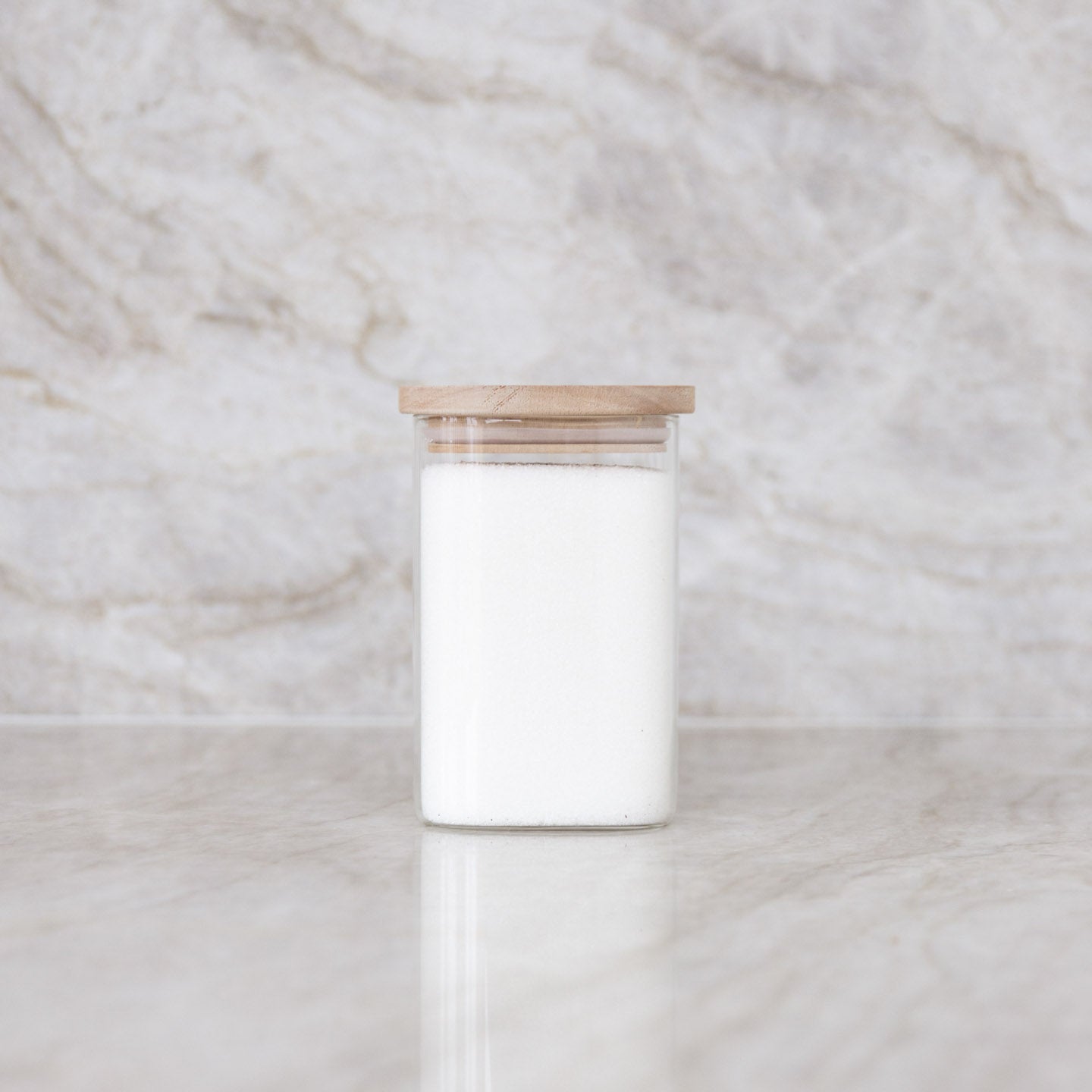
Make spices manageable in the drawer
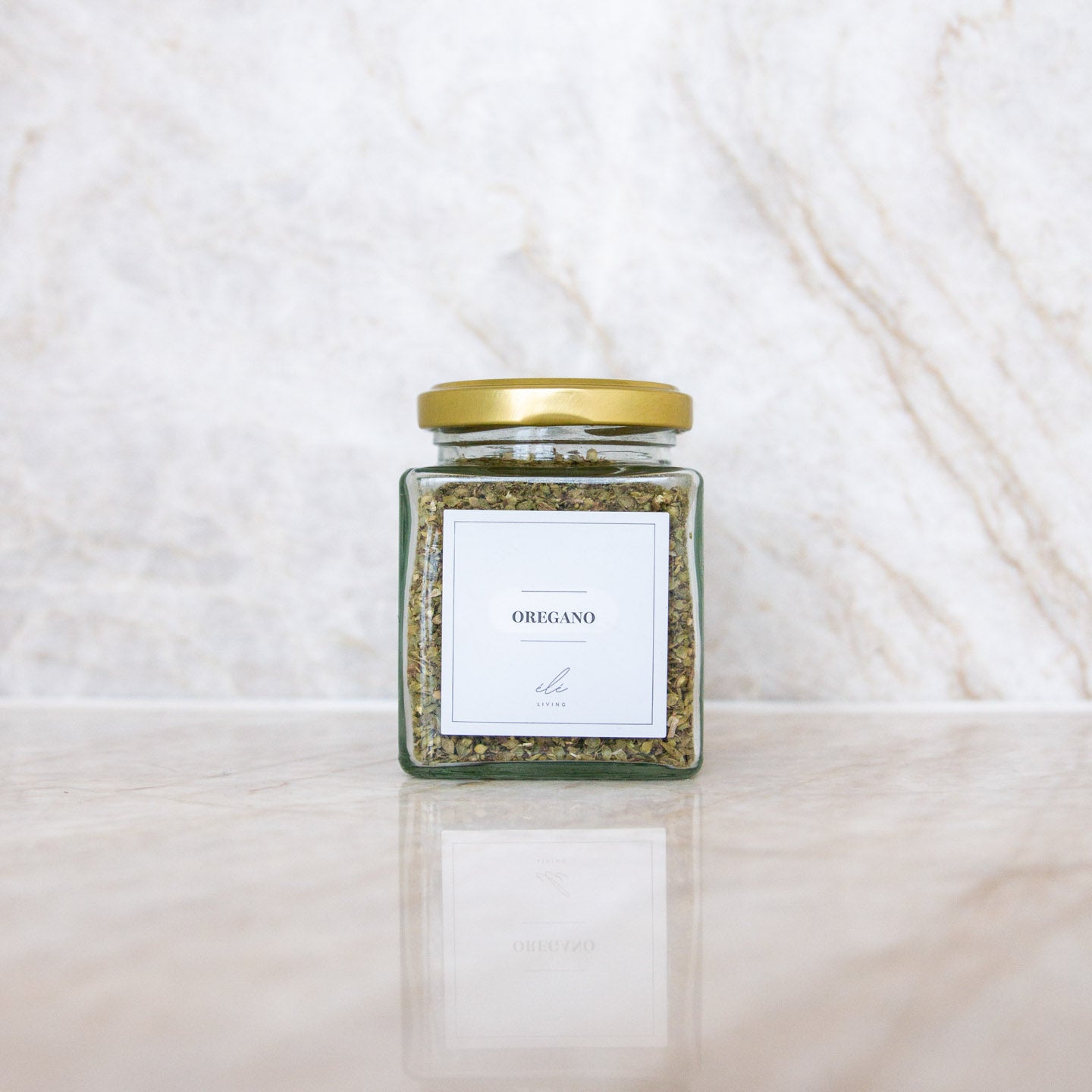
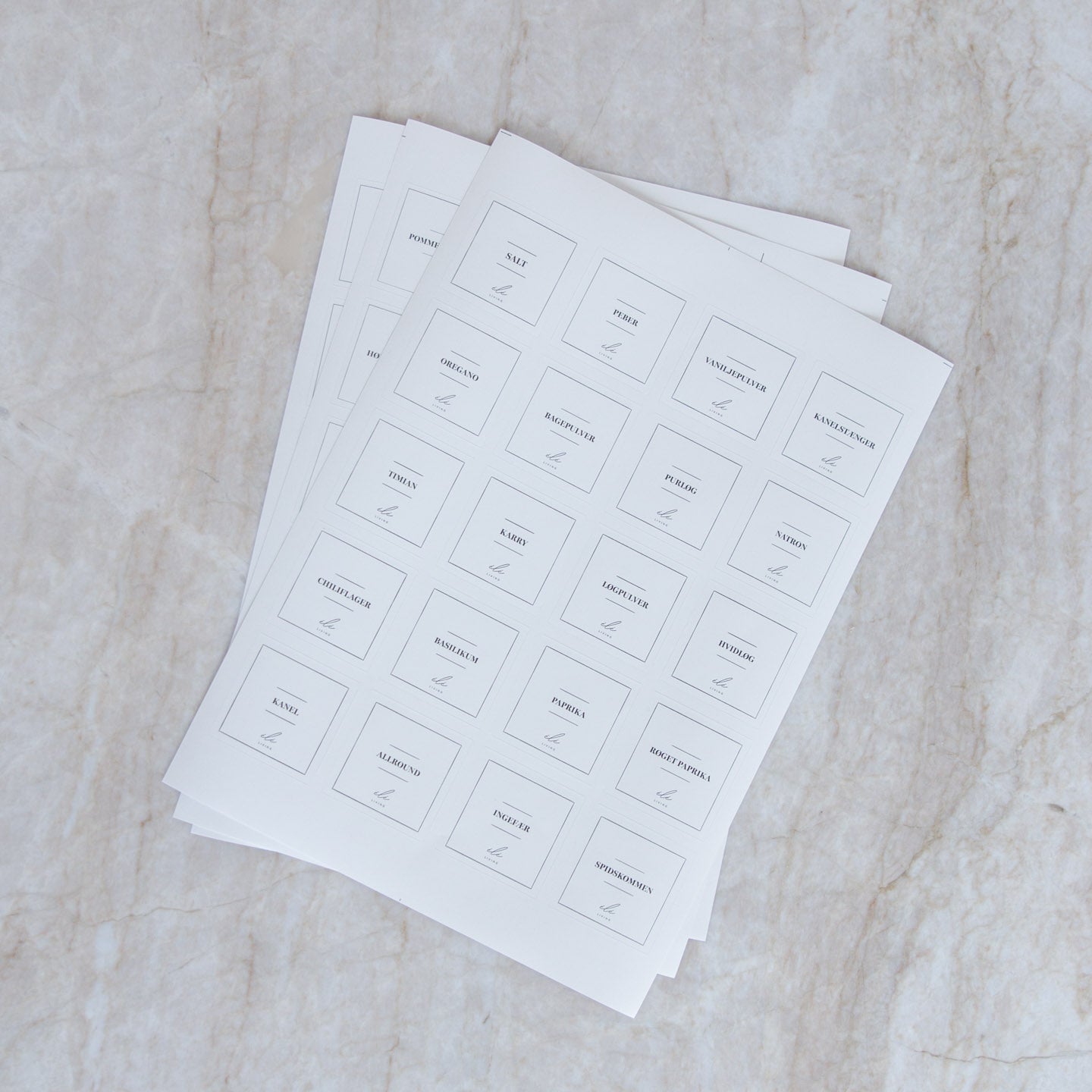
Spices in uniform containers make it easy to see quantities and keep things tidy across dishes. Arrange the jars in rows with labels on the lid or top, so you can read them from above. Find accessories that fit an organized spice drawer under Spice Jars & Accessories.
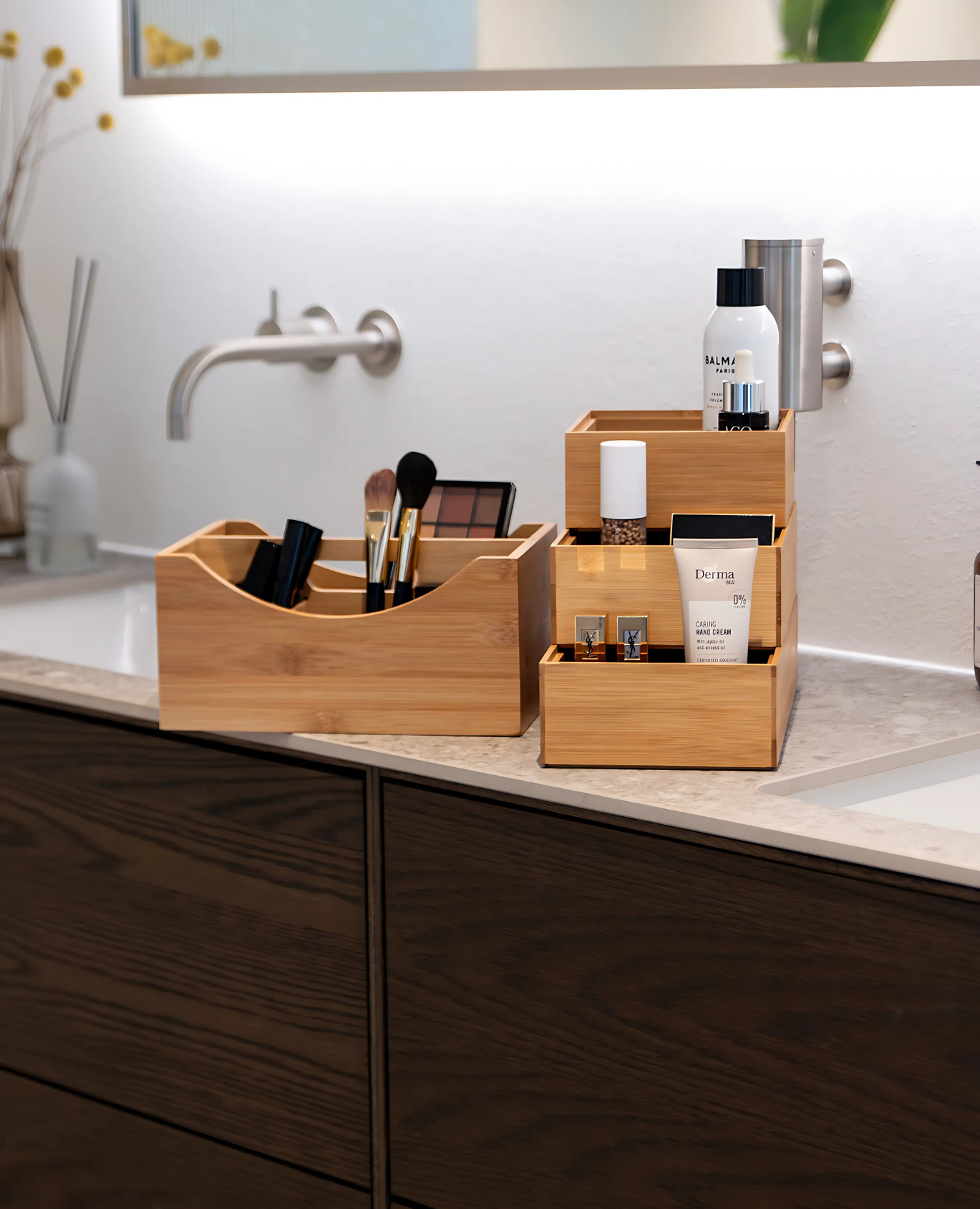
Organizer for bathroom drawer
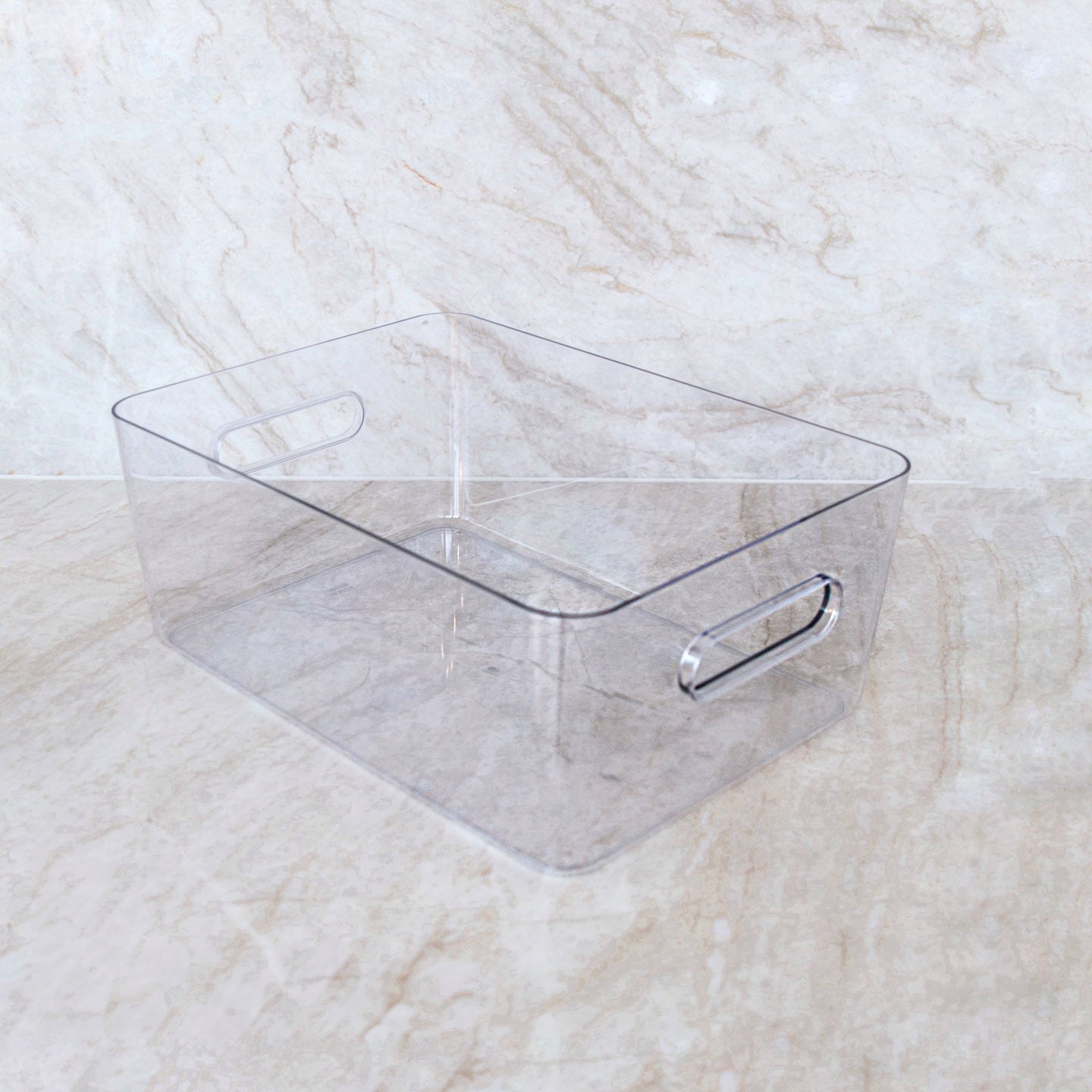
Bathroom drawers quickly become overwhelming if small items are scattered. Divide the drawer into compartments for makeup, skincare, hair products, and daily use. Narrow boxes keep lipsticks and small containers together, while wider modules fit creams and brushes. Place daily essentials at the front and weekend routines at the back. A calm expression emerges when you repeat the same 2-3 box sizes throughout the drawer. Explore suitable solutions in Boxes.
Drawer storage in the wardrobe
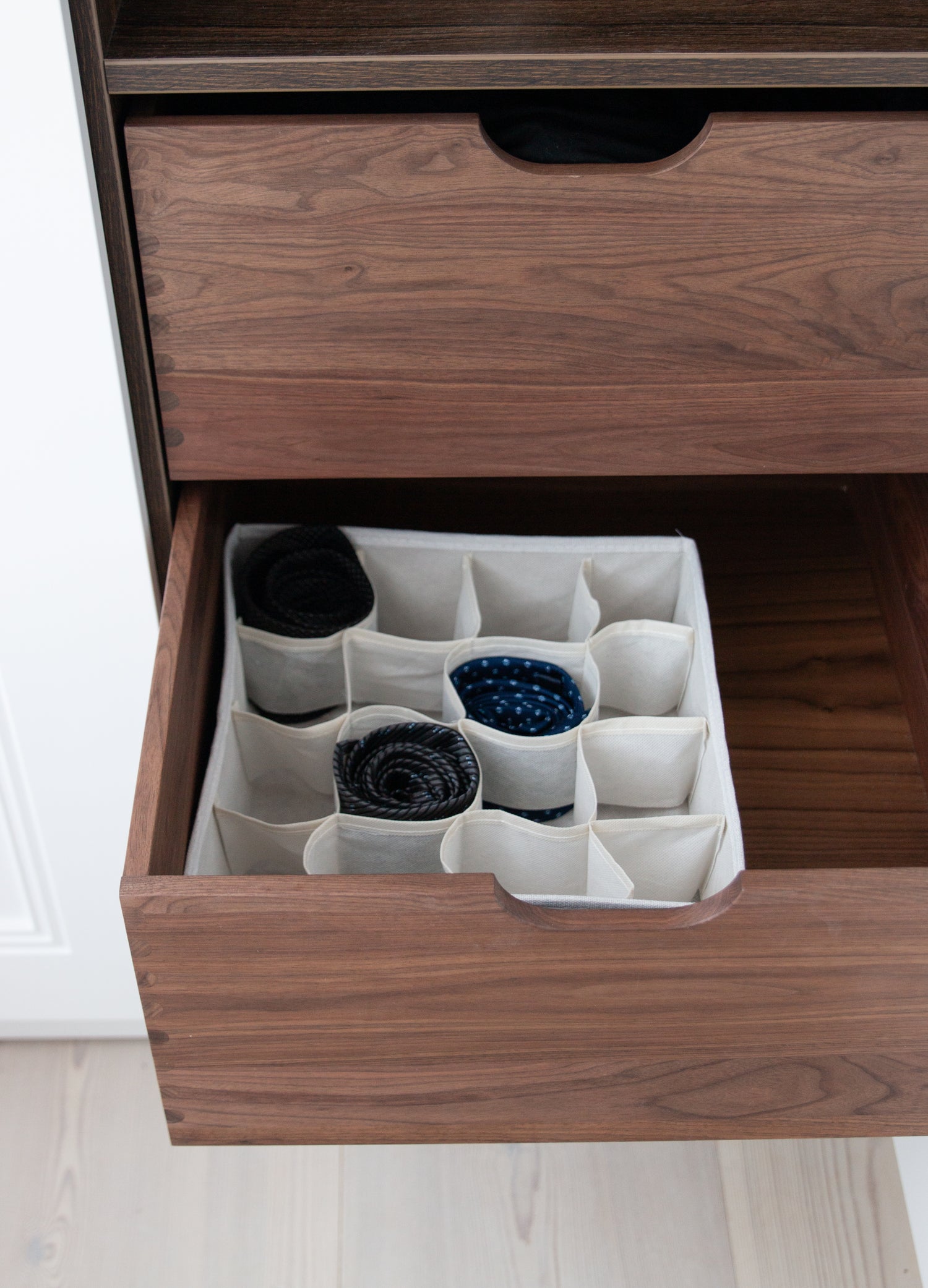
In wardrobe drawers, it's about grouping by type and color to quickly find what you're looking for. Divide the drawer into zones for socks, underwear, activewear, and accessories. Use shallower boxes for small items and deeper boxes for T-shirts that can be folded upright. Set a fixed number per compartment so the drawer doesn't get overfilled. When there's a simple framework, it's easier to put things away and keep them tidy for longer.
How to get started
- Measure the drawer's internal dimensions and note width-depth-height
- Choose a few recurring sizes that can be combined without wasted space
- Create zones for fixed categories and keep them separate
- Place the most used items at the front and rarely used items at the back
- Schedule a quick 2-minute tidy-up once a week
Labels for a clear overview
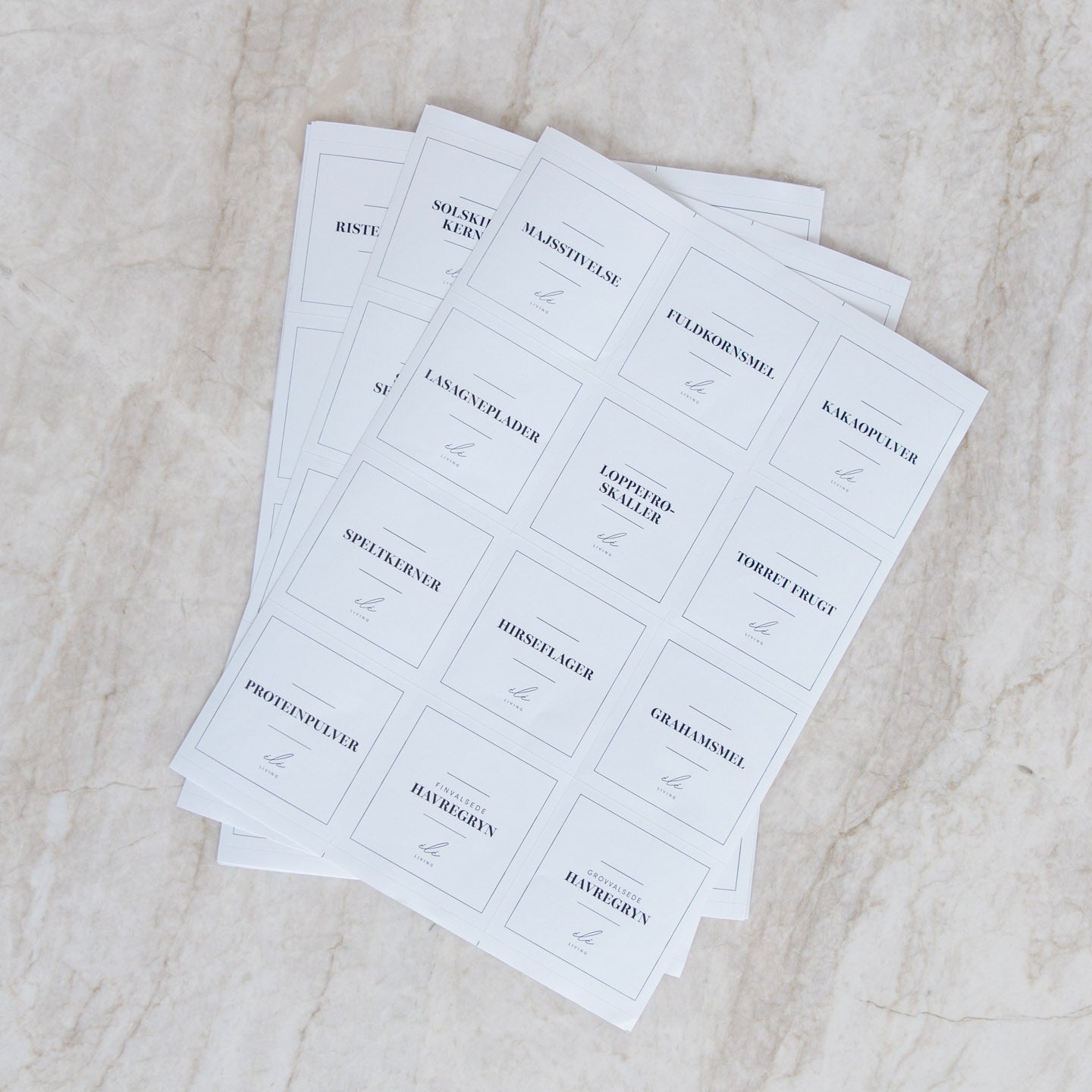
Labels make it easy for the whole family to put things back in the same place every time. Choose simple names and maintain a consistent style so the drawer looks calm. Labels are available in ready-made sets that work well on boxes, bins, and jars. See the selection of Labels.
A minimalist system that lasts
At élé living, the goal is to create aesthetics for the soul by organizing with a few well-thought-out solutions rather than more items than necessary. This also applies to drawers. Start with the basic division, test it in everyday life, and only adjust what doesn't work. When you work with recurring measurements and clear categories, you get a calm expression that is easy to maintain. If you need special dividers or small extra solutions, you can explore Miscellaneous.