
A tidy kitchen starts in the cabinets. When each shelf has a clear function and you can see what you have, cooking becomes quicker and more manageable. Here’s a simple, practical method to bring order to your kitchen cabinets - regardless of size.
Zoning in Cabinets
Start by dividing your cabinets into zones: food items, preparation, and serving. Place daily favorites at eye-level and less frequently used items higher up. Group dry goods like flour, grains, and pasta in the same zone, baking equipment in another, and plates or bowls near the dining area. Stick to a few consistent container sizes so they stand stably and create a calm appearance on the shelf.
Placement According to Routines
Think about the flow of your daily life. A breakfast zone close to bowls and cups, a baking zone close to mixing bowls and measuring cups, and a food zone close to the stove and countertop. This way, your cabinets follow the flow you already have.
Uniform Containers and Labels
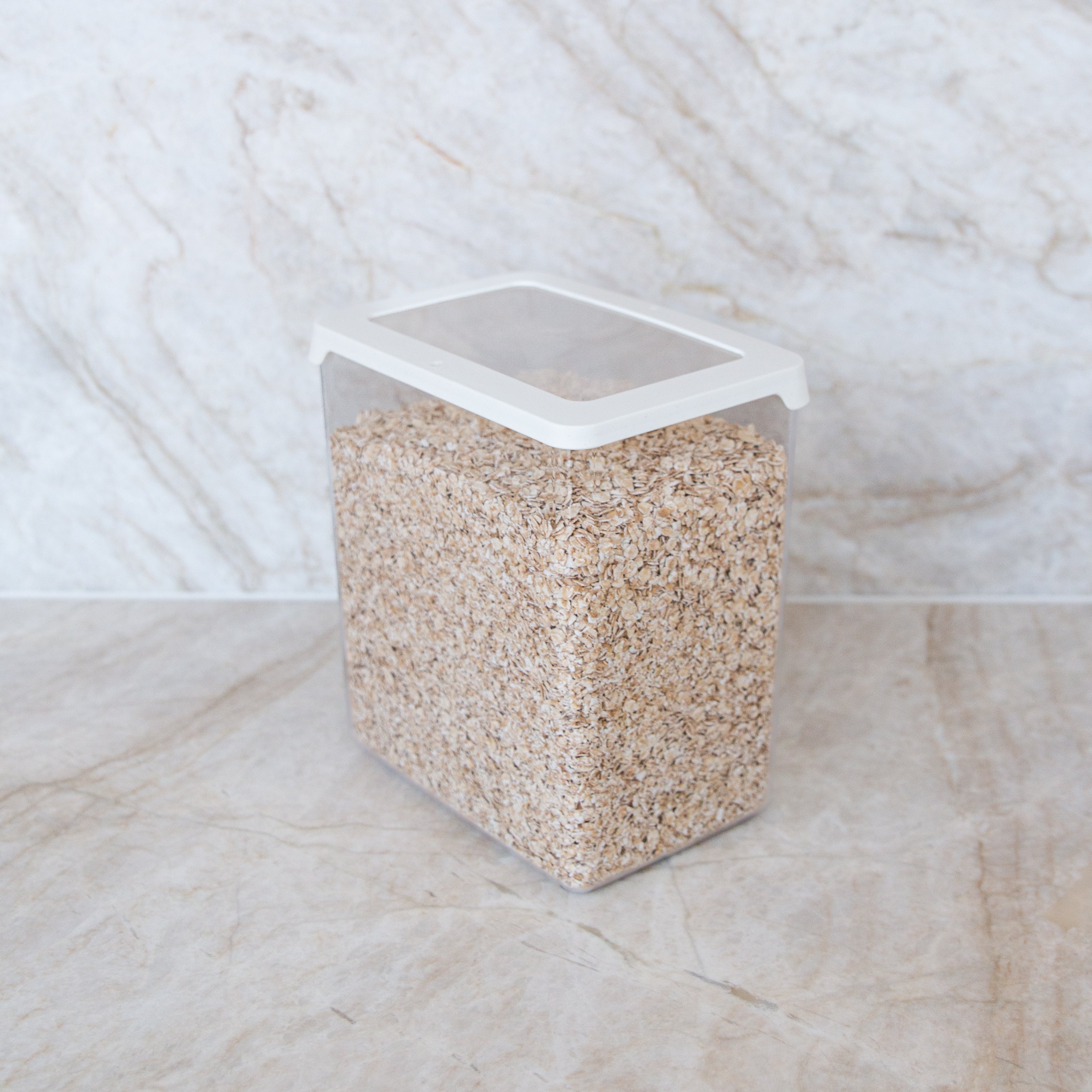
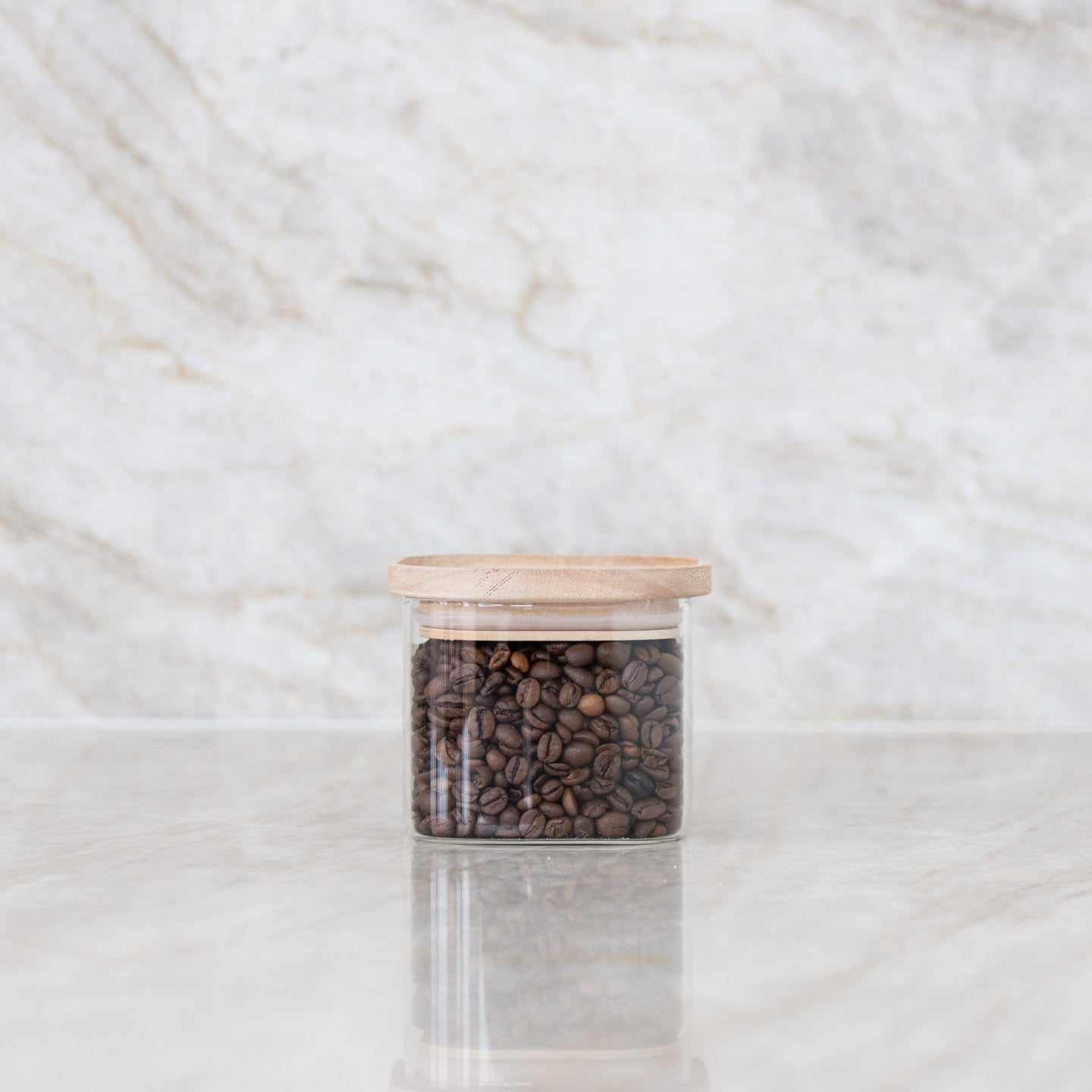
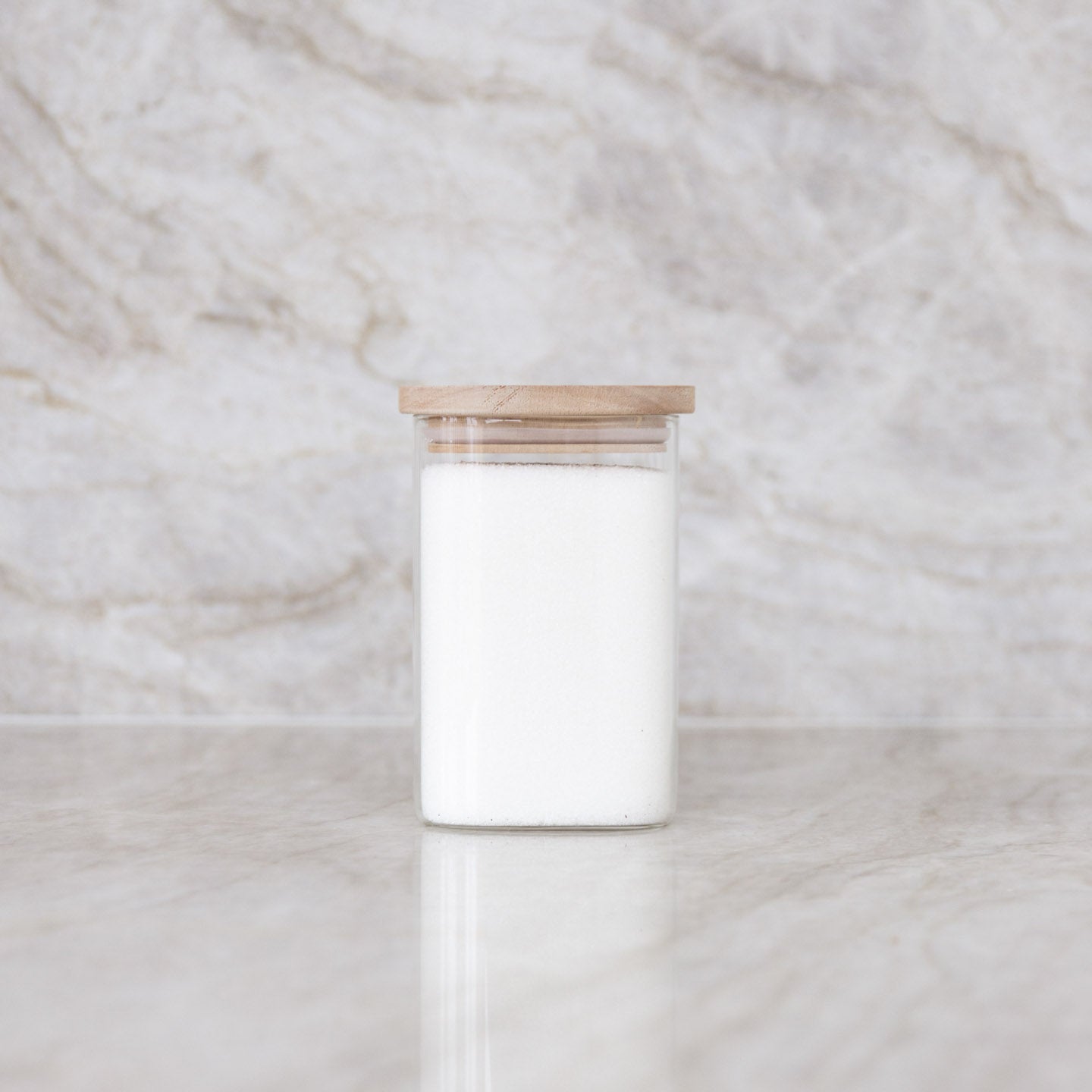
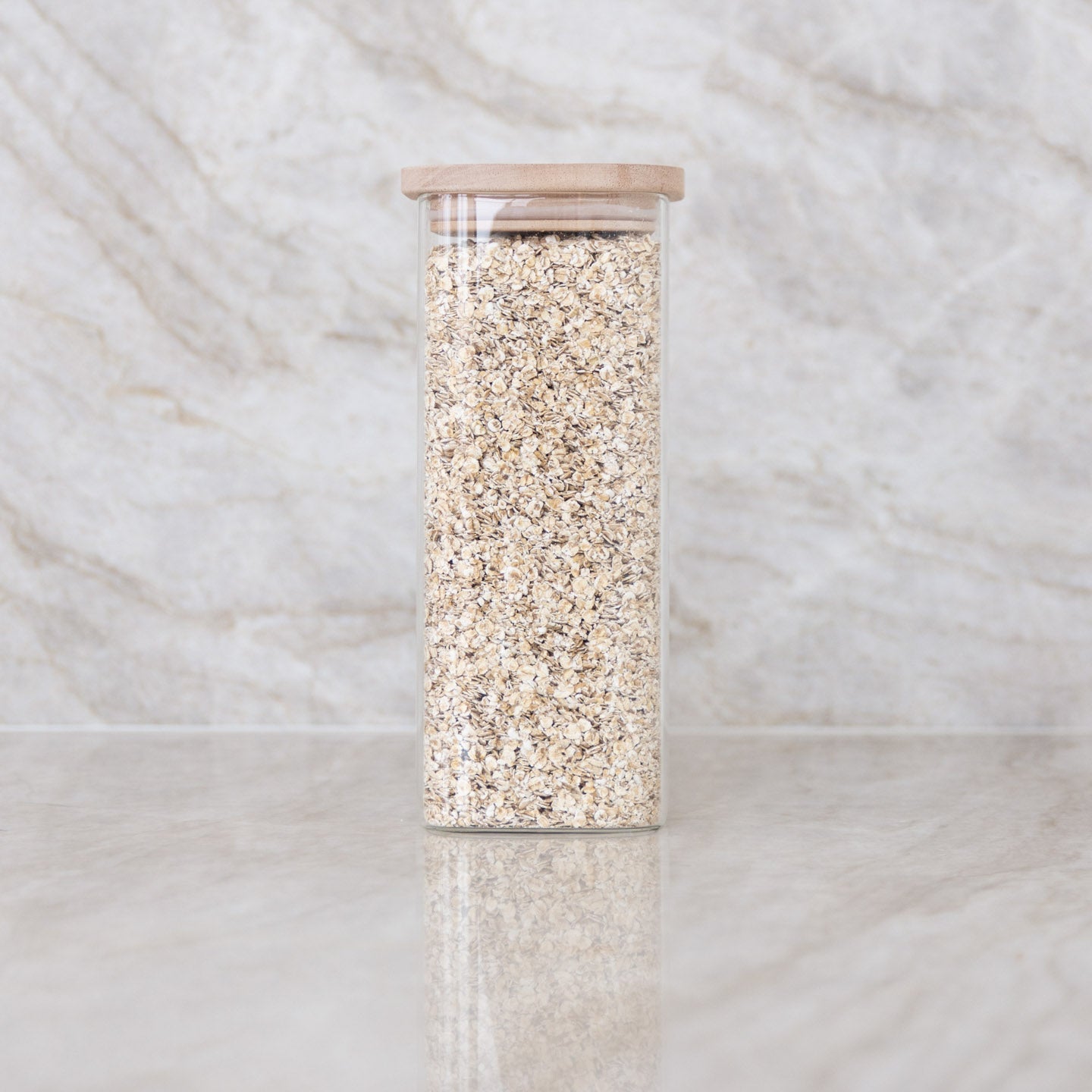
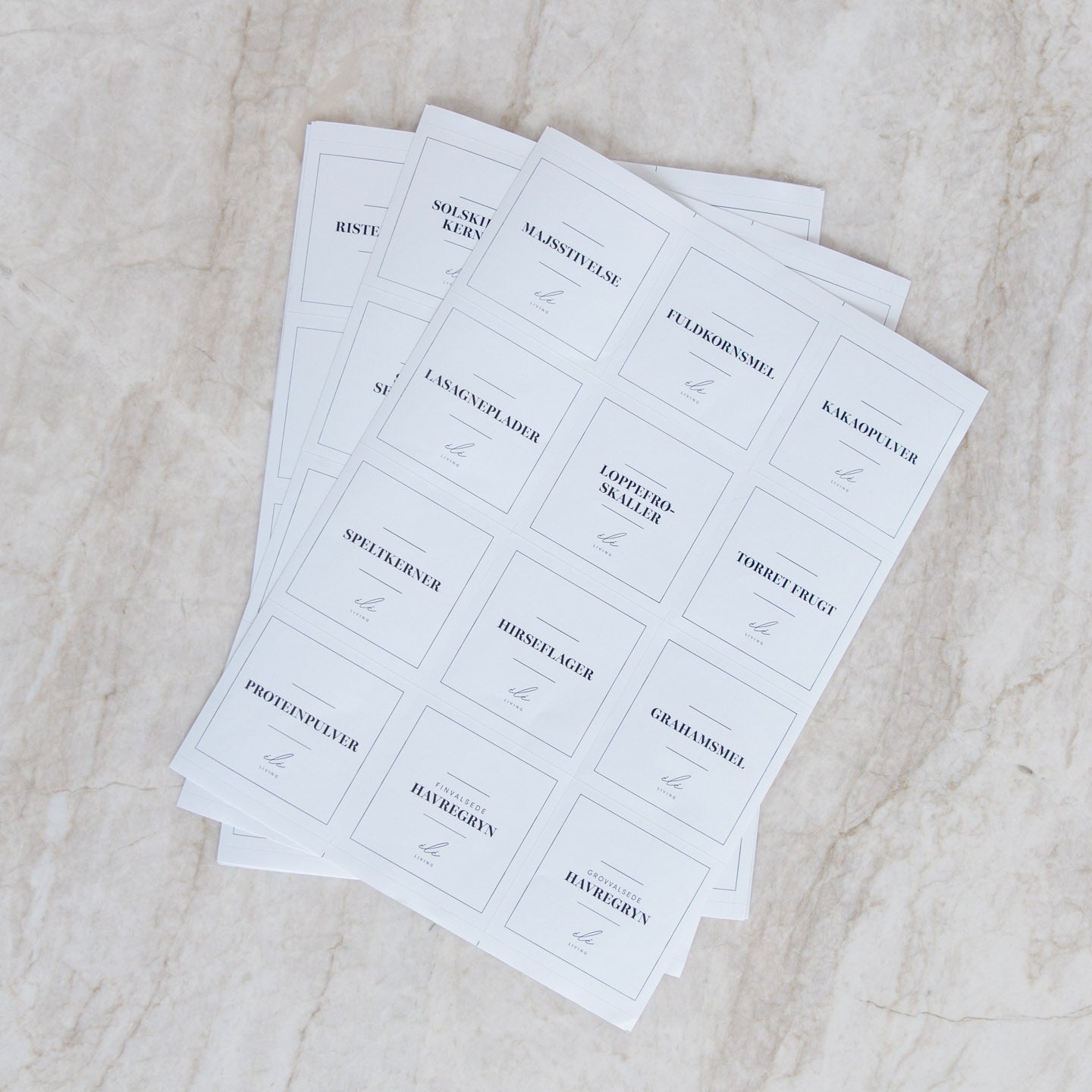
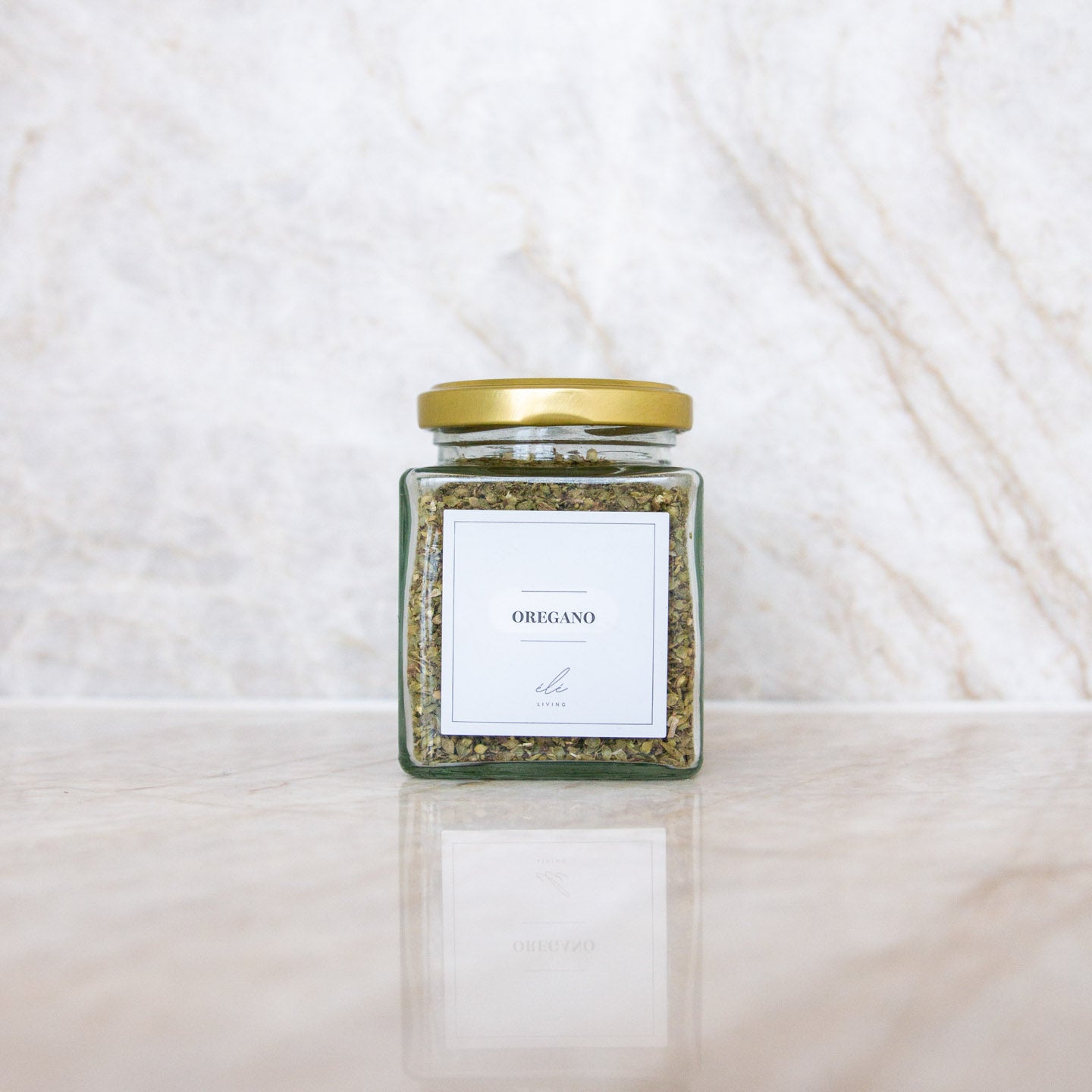
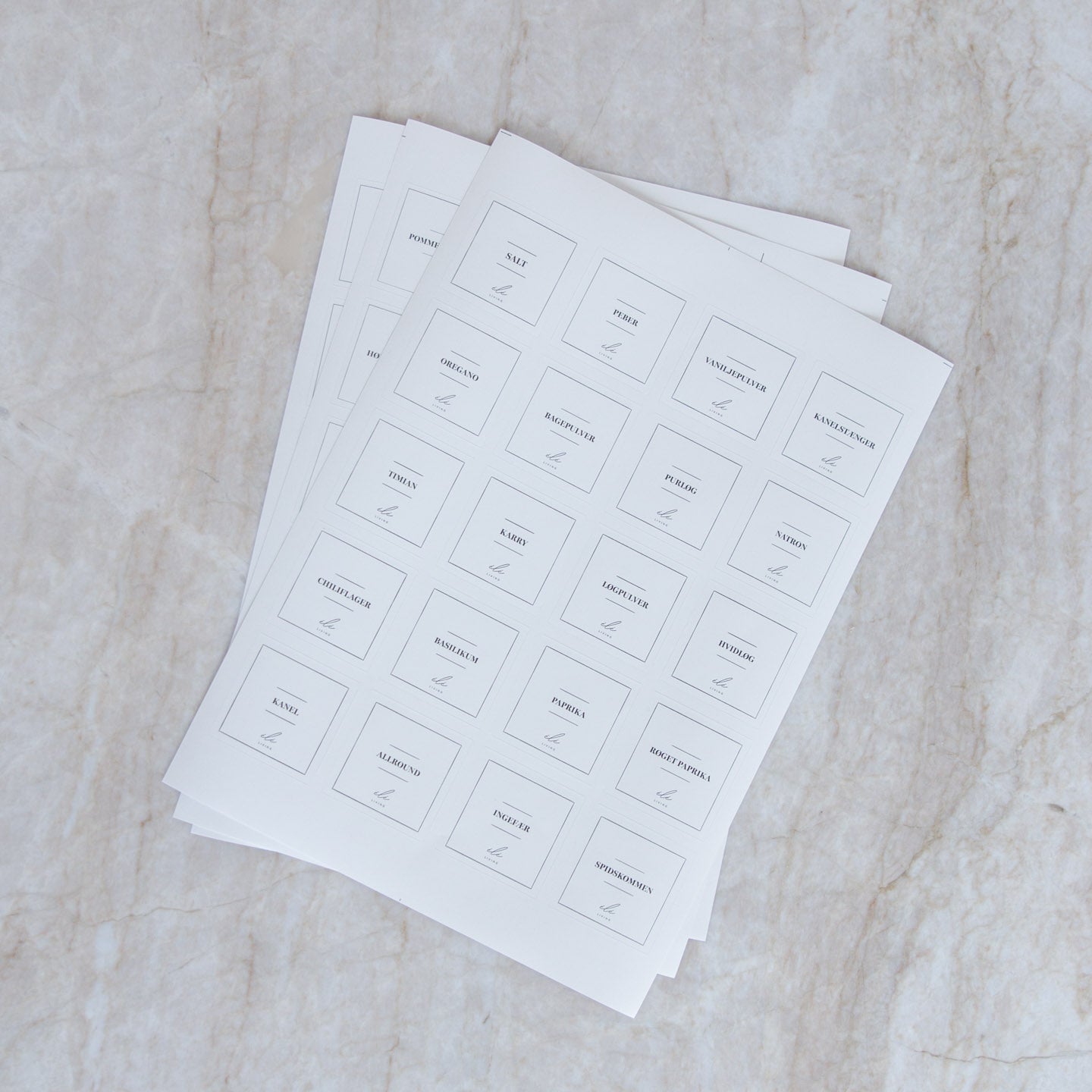
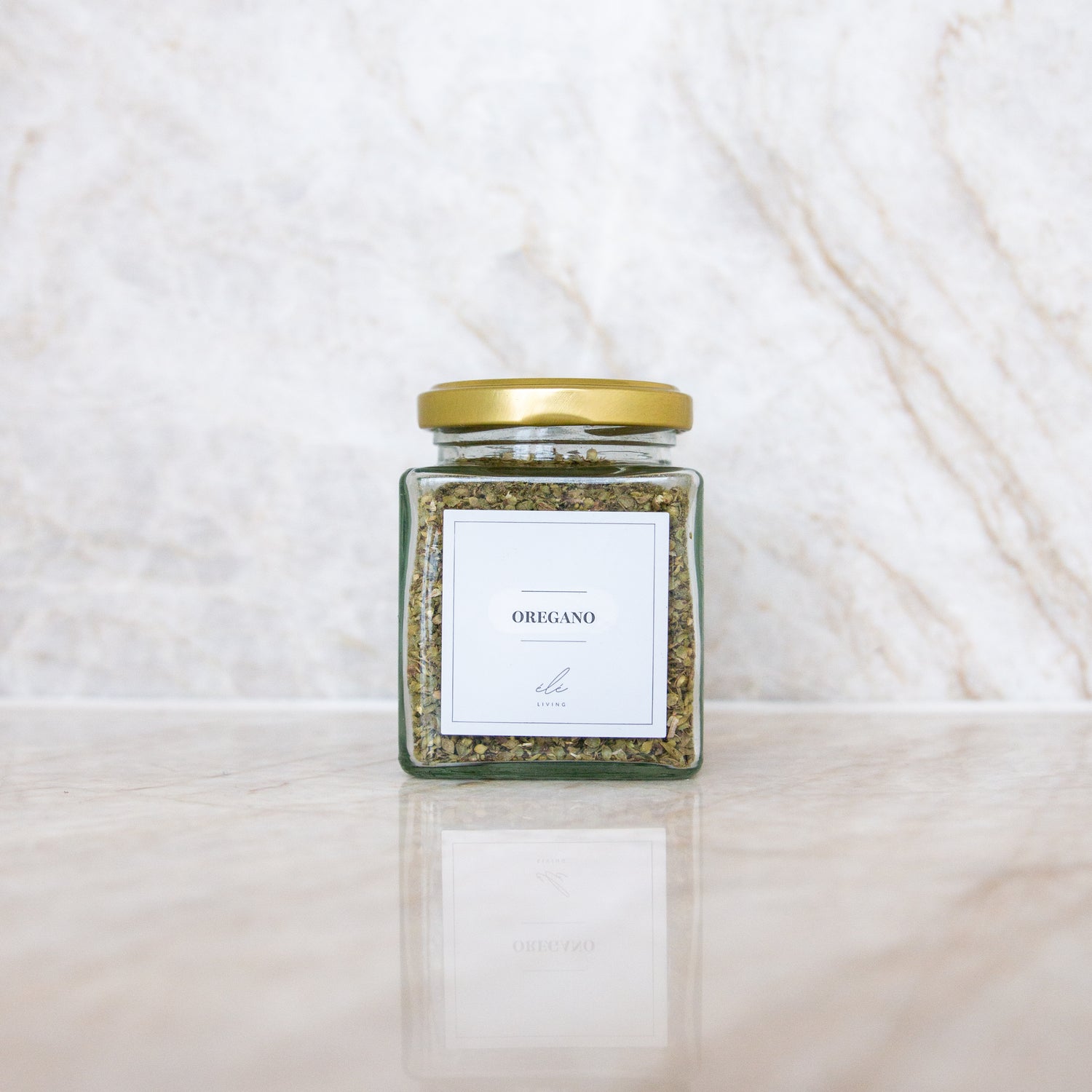
Make dry goods visible and easy to refill with storage jars. Transparent jars create an overview and help keep pests out. Use consistent sizes for staples like oats, rice, and pasta, and smaller jars for nuts and seeds. Label the contents with labels so the family can quickly find flour vs. icing sugar and see what needs refilling. A uniform look also makes it easier to maintain order over time.
Overview in Corners and High Shelves with Turntables
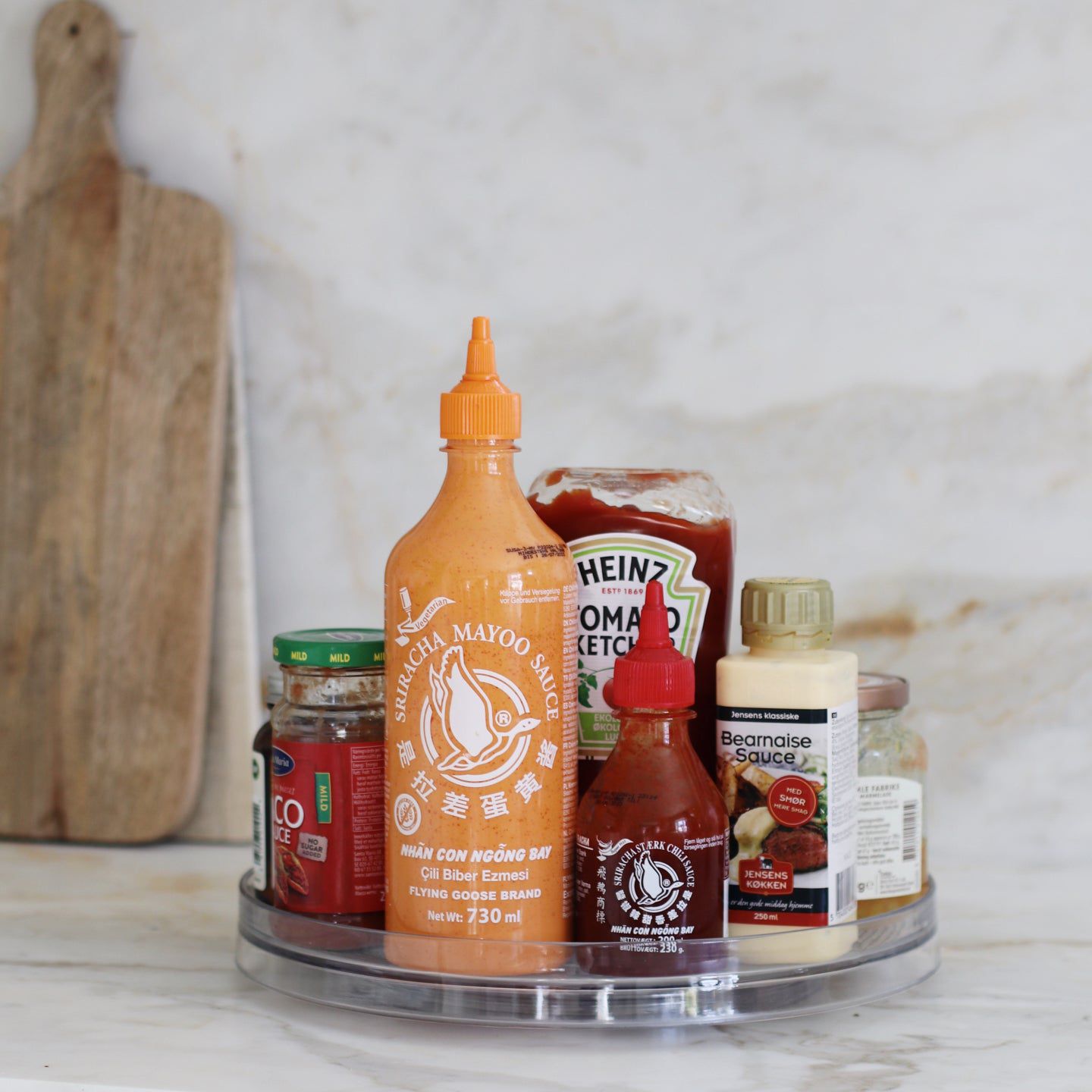
In deep cabinets, small bottles and jars can disappear. A turntable provides access to the entire circle without moving everything in front. It's particularly useful for oils, vinegars, spices, or baking essences.
Choose what lives on the turntable
- Oil and vinegar: Gather cooking oils, vinegars, and soy sauce in one place for quick access near the stove.
- Spices: Arrange everyday spices together so you can spin and grab what you use most.
- Baking: Collect vanilla sugar, baking powder, and small decorations so they don't hide at the back.
Spice Storage That Works in Everyday Life
Wasted space occurs when spices of different heights are jumbled together. With uniform spice jars and accessories, you can better utilize shelf height and create clear order. Choose a consistent logic - for example, alphabetically, by cuisine (Asian, Italian), or by frequency of use close to the stove. If you have many spices, a combination of spice jars on a low shelf and a turntable in the upper cabinet can provide both capacity and overview.
Maintenance and Small Routines
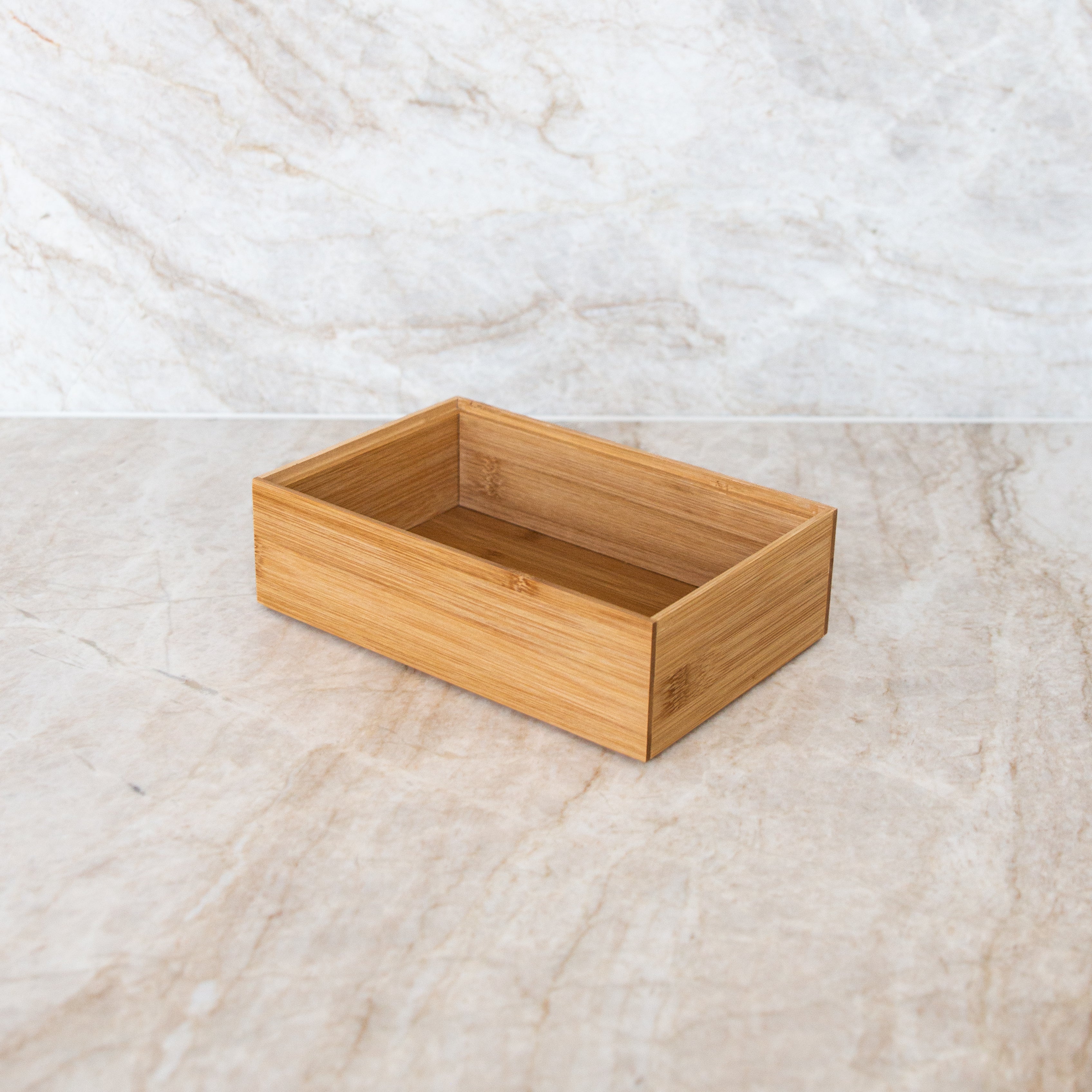
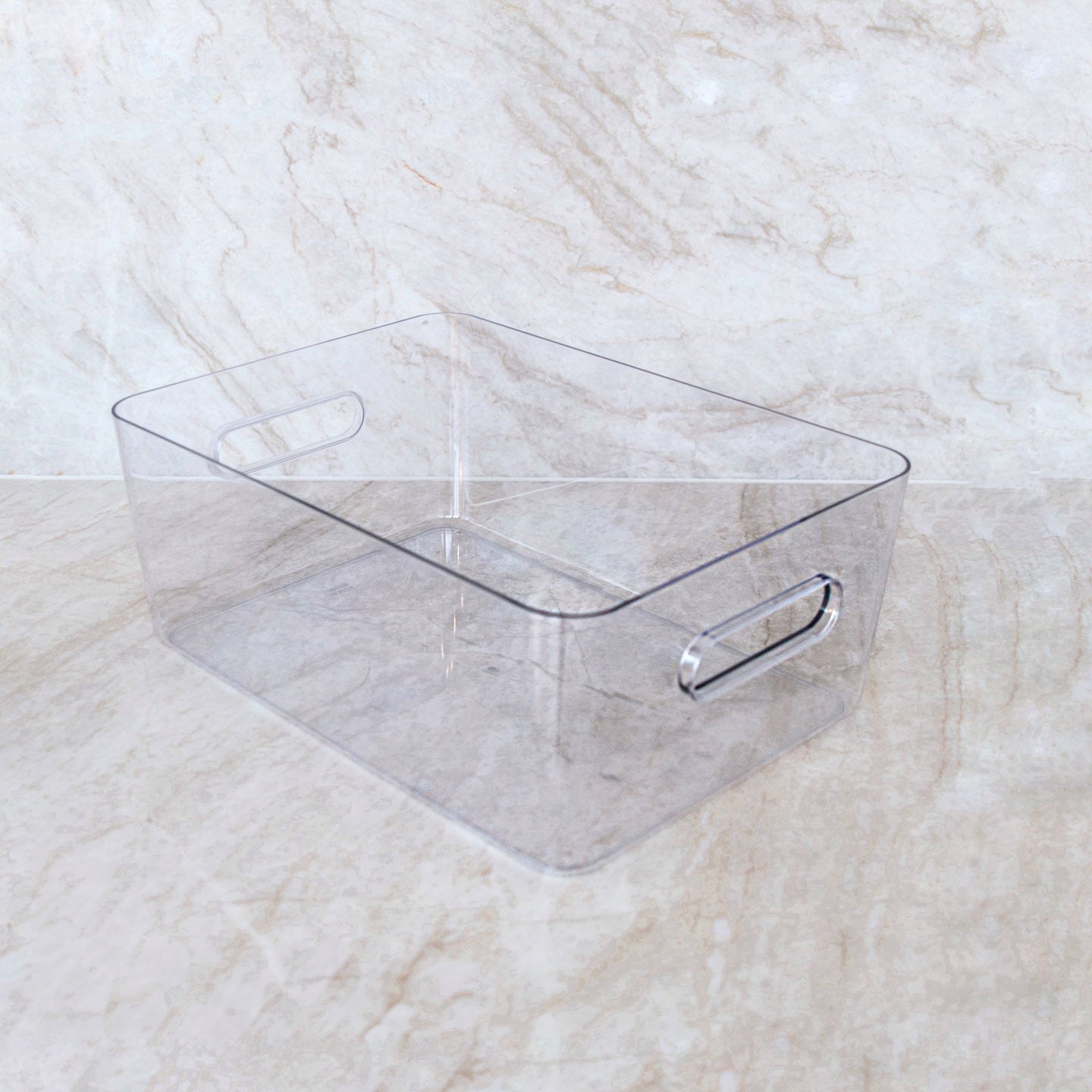
Good organization thrives on small, consistent habits. When putting items away, place them in their designated zone. Conduct a brief monthly review of dry goods, refilling jars and consolidating leftovers in the same category. If you have space for an extra shelf or a shallow tray, it can help divide the height in the cabinet and keep smaller items together so they don't slide around. When something new enters the kitchen, immediately decide which zone it belongs to - and only adjust if your daily routine changes.
Aesthetics and Calm in Everyday Life
A kitchen cabinet with consistent materials and clear categories creates calm. Start with the areas you use daily and gradually build from there. If you want to combine function and aesthetics, you can group items in the kitchen collection and let materials and colors recur. Small, conscious choices make a difference - especially when they fit your family's rhythm. For even more inspiration for domestic balance, you can delve into Feng Shui - book, which provides a simple approach to creating coherence between function and expression.