
An uncluttered kitchen provides peace of mind and saves time in everyday life. When you organize by zones and choose a few consistent solutions, it becomes easier to shop, cook, and clean up. The key is to group related food items, give each category a permanent place, and use storage solutions that fit your routines. We guide you step by step with simple actions you can start immediately.
Kitchen Storage
Aim for consistent sizes and materials for a calm look. Start by choosing 2-3 types of containers that you repeat in cabinets and drawers. This makes it quicker to find things, and you can easily move an entire category at once. If you need an overview of options, check out our complete selection for the kitchen. Here you can find solutions that work together in drawers, cabinets, and on shelves.
How to Get Started
- Empty one cabinet at a time and sort into keep, use up now, and give away.
- Categorize into breakfast, baking, cooking, and snacks.
- Measure shelves and drawers so you choose containers that maximize space.
Organizing Kitchen Cabinets
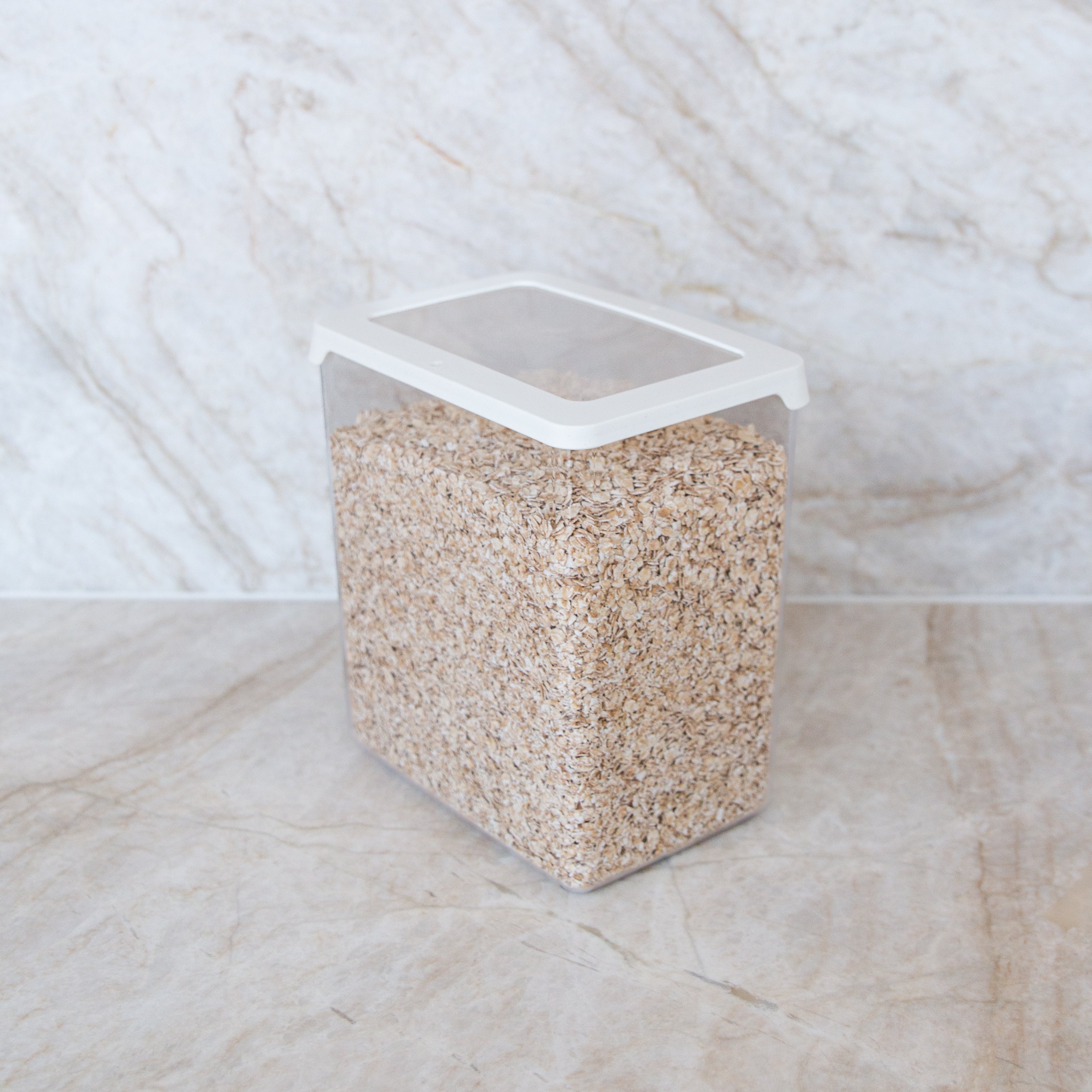
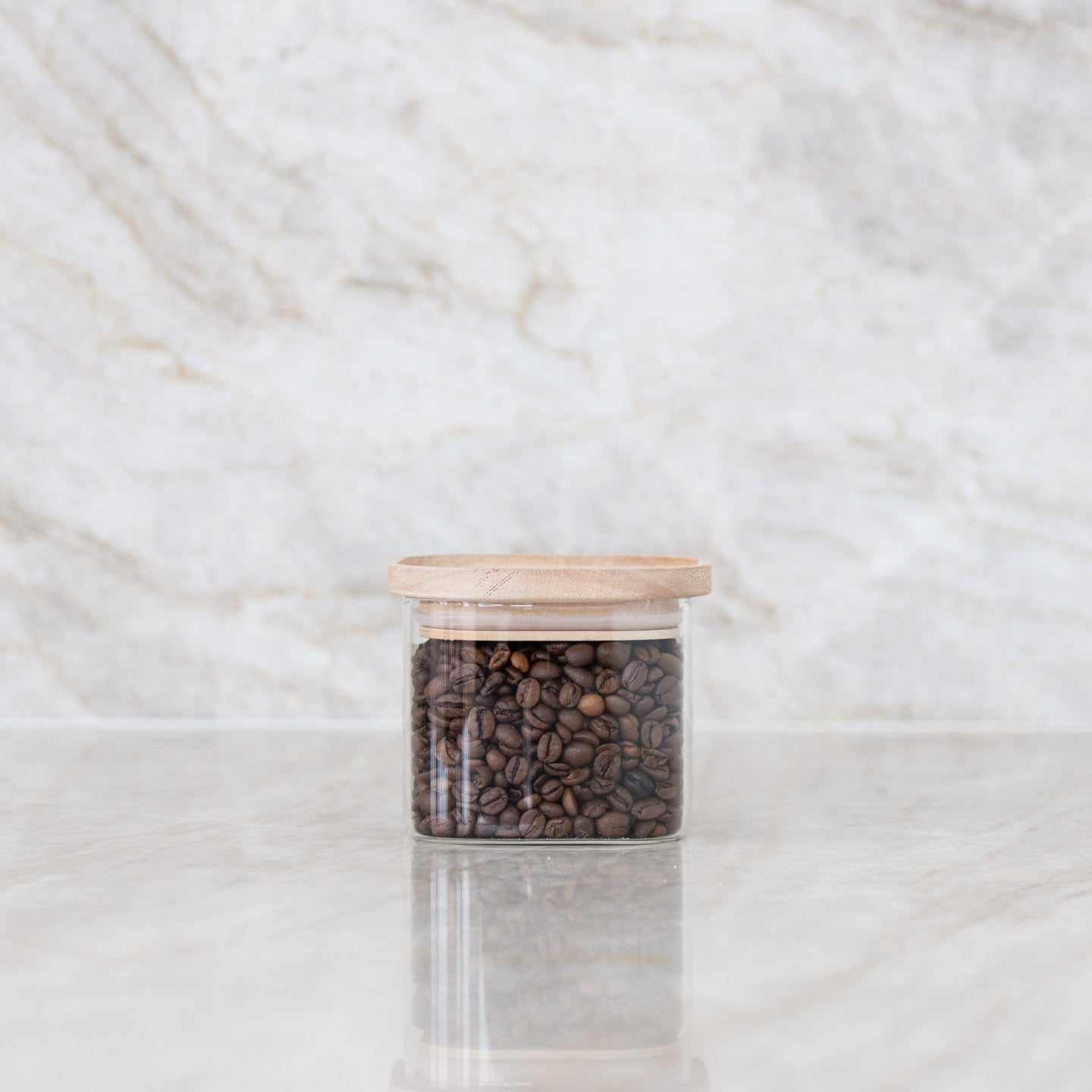
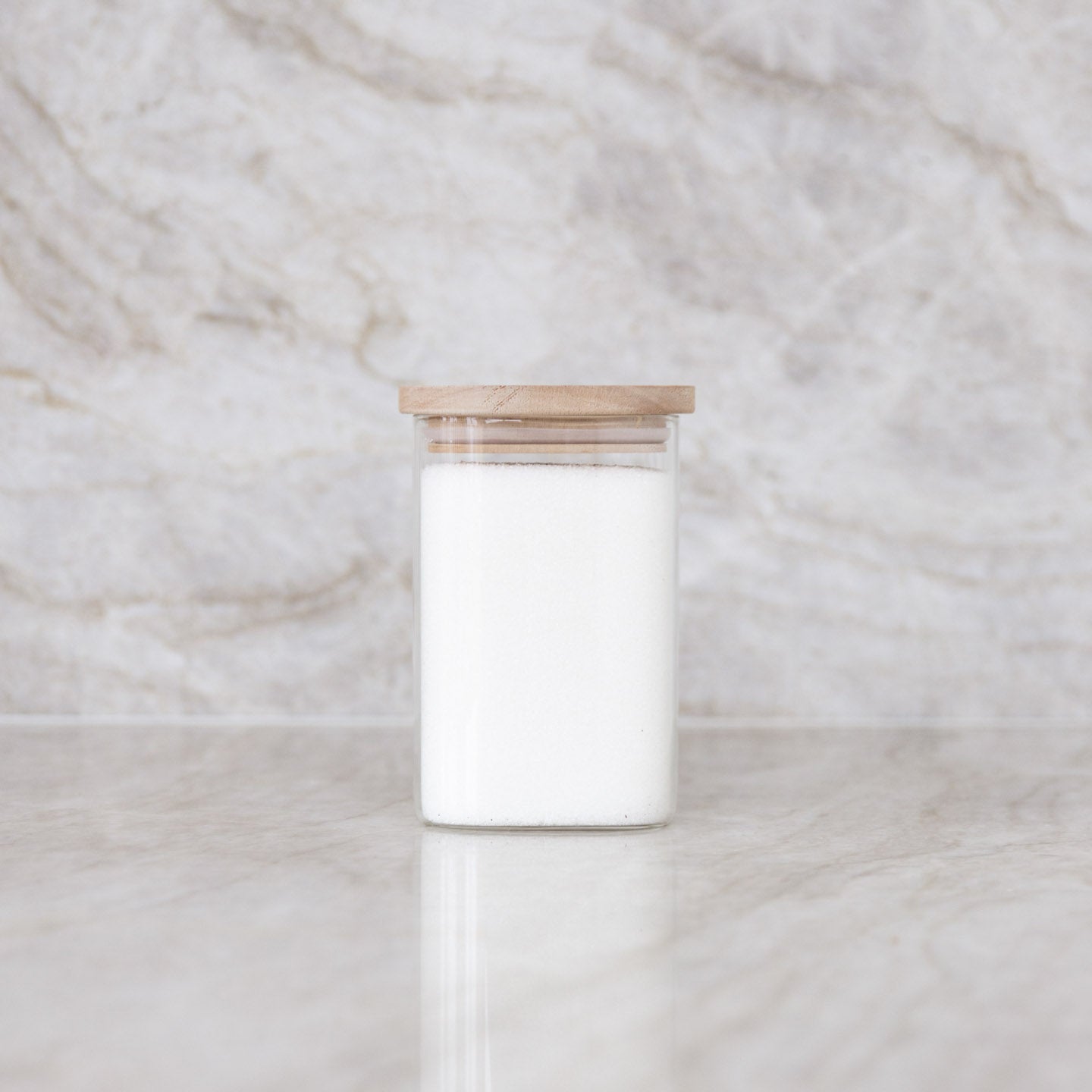
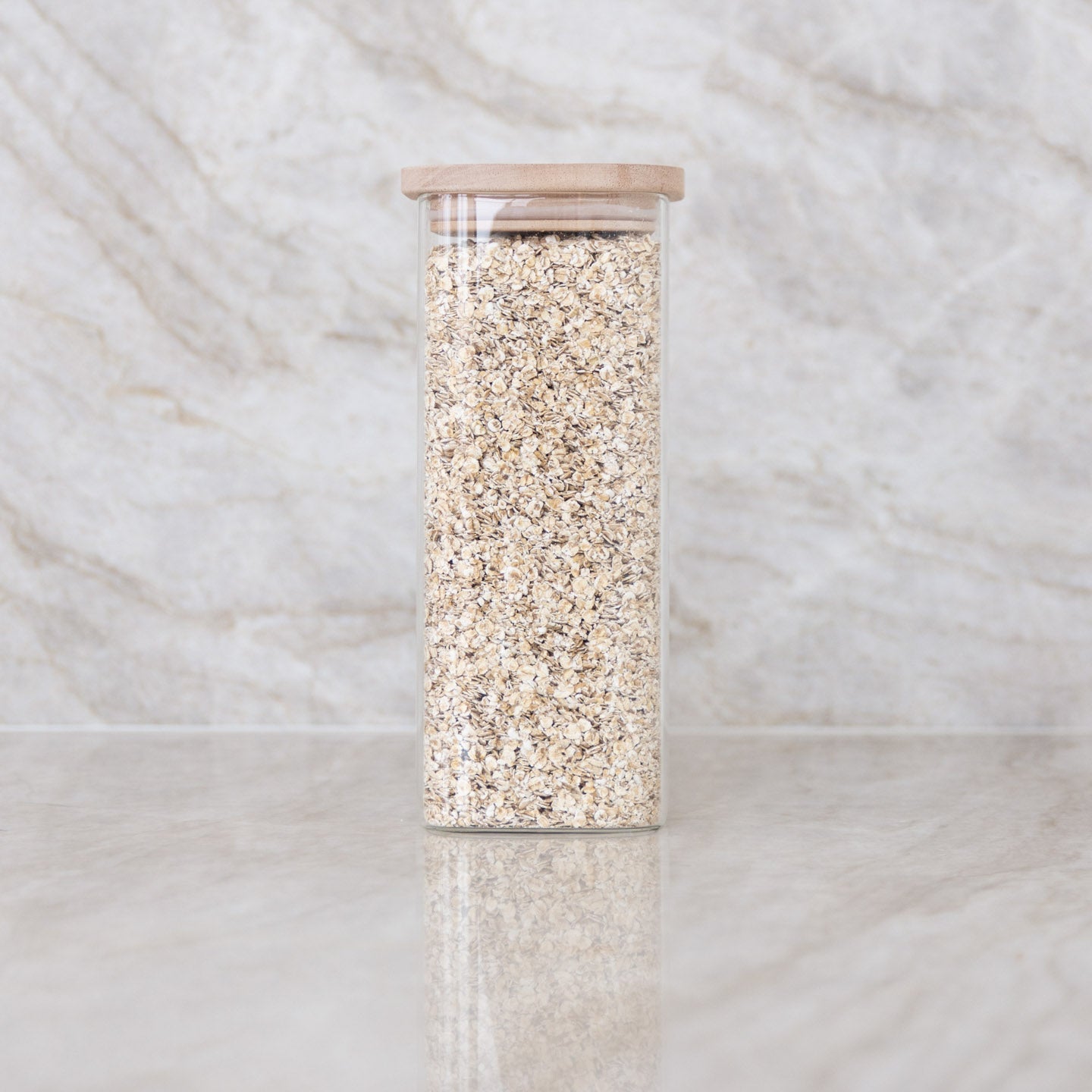
Dry goods benefit from sturdy containers so bags don't tip over or spill. Fill pantry staples into storage jars and keep the same type of jars in rows. The square varieties stand stably and help keep pests out. Place daily use items at eye level and less frequently used items higher up or further back. Stick to a few sizes so you can stack and move an entire category at once.
Refrigerator Organization
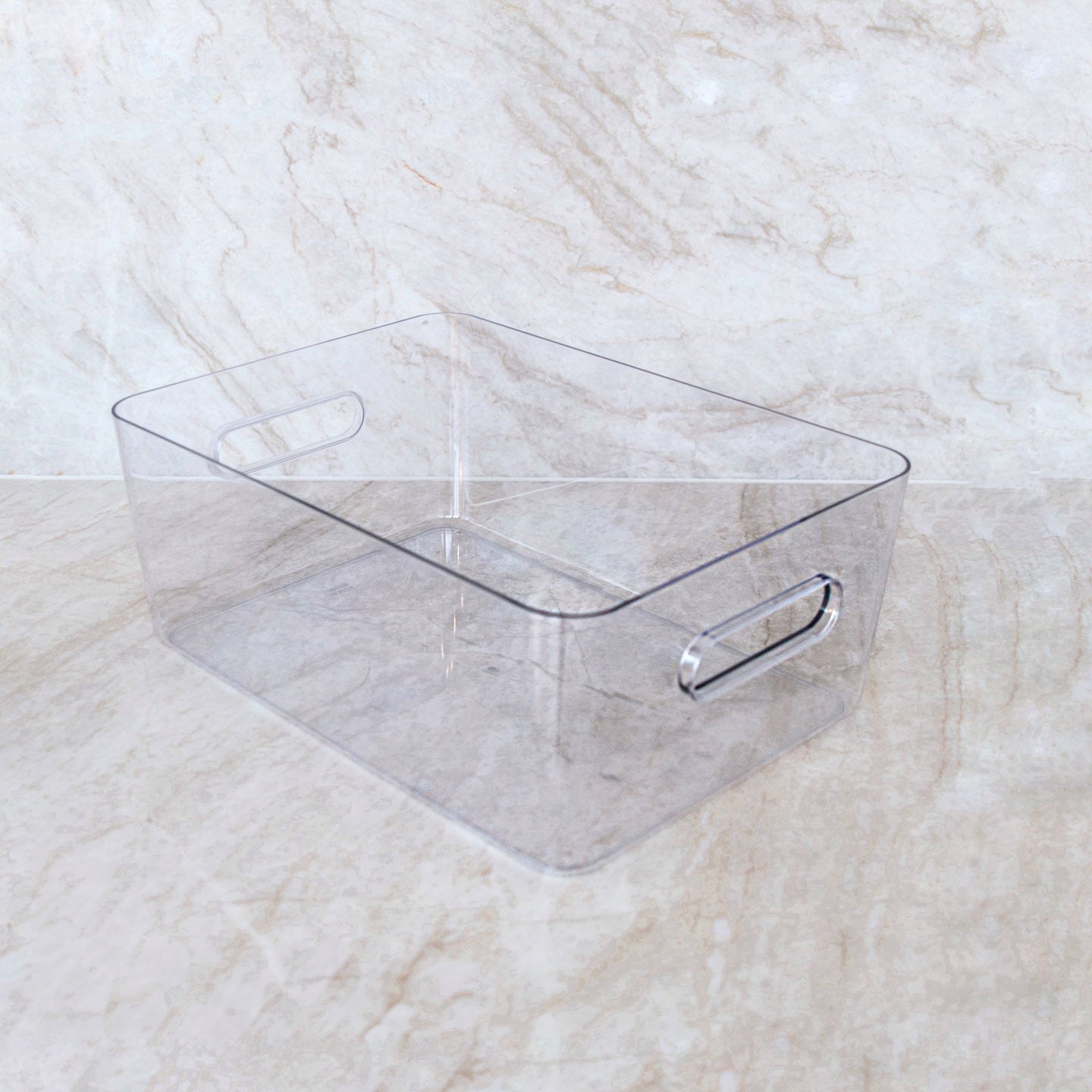
Group small loose food items in boxes to keep shelves tidy. A practical example is the refrigerator box XS, which is great for small items that otherwise clutter. Small boxes are suitable for berries and snacks. Medium boxes work well for dairy products. Larger boxes can hold open jars and larger fruits and vegetables. Close the boxes with their respective lids and stack them on top of each other to optimize space in the refrigerator. The same approach works in the freezer, where fixed places reduce food waste because you can see and access everything by pulling out a box and putting it back in place.
Maintain the System
When putting groceries away, follow your categories. Fill from the front and place leftovers at the back of the same box. Empty and wipe down as needed while you're sorting the week's groceries anyway.
Spice Storage
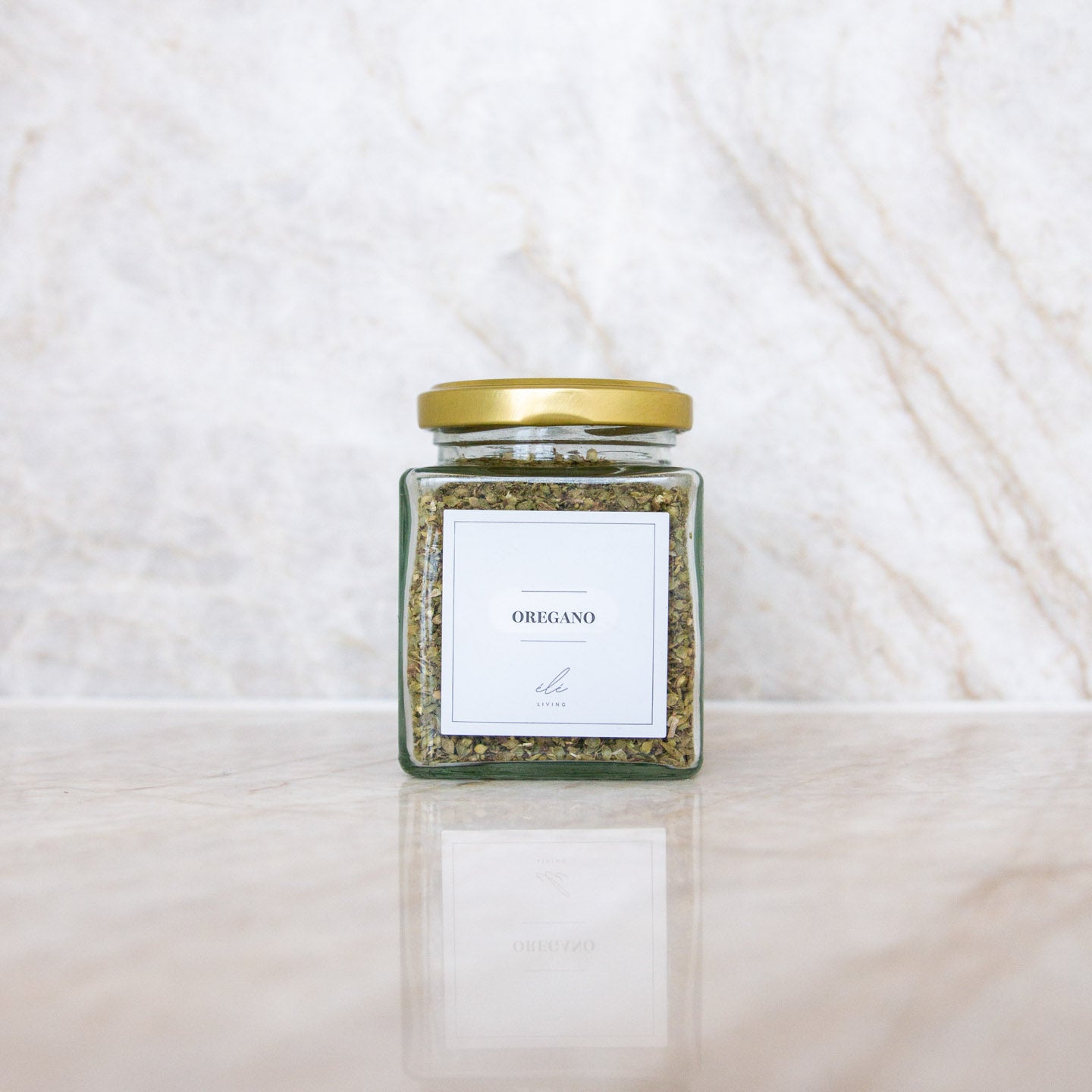
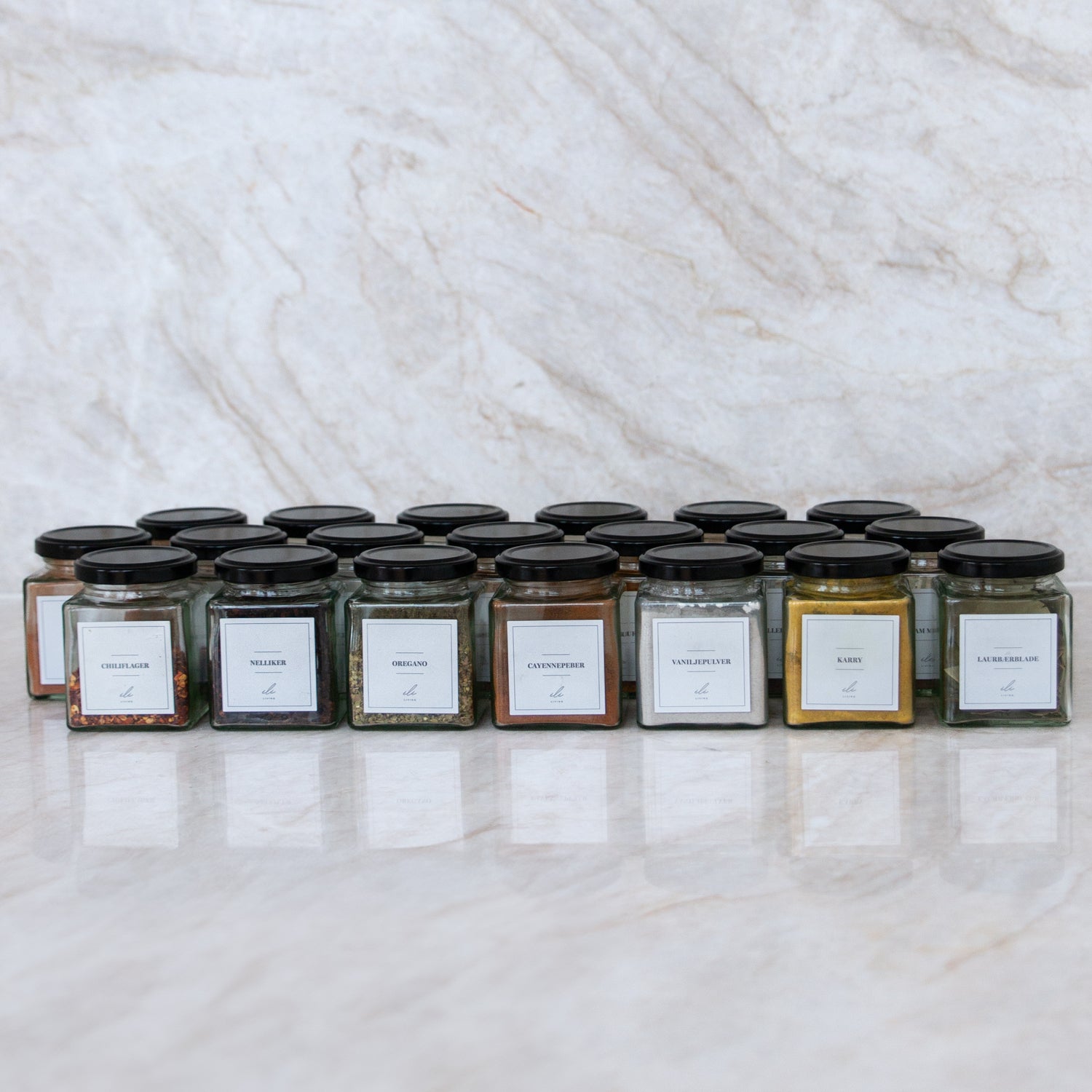
Spices quickly become disorganized in mixed bags. Pour them into uniform jars and store them together. With spice jars, you get a consistent look and a better overview when you arrange them in rows or on a shelf near your cooking area. Group by type, e.g., daily essentials at the front and special blends at the back.
Labels for Dry Goods
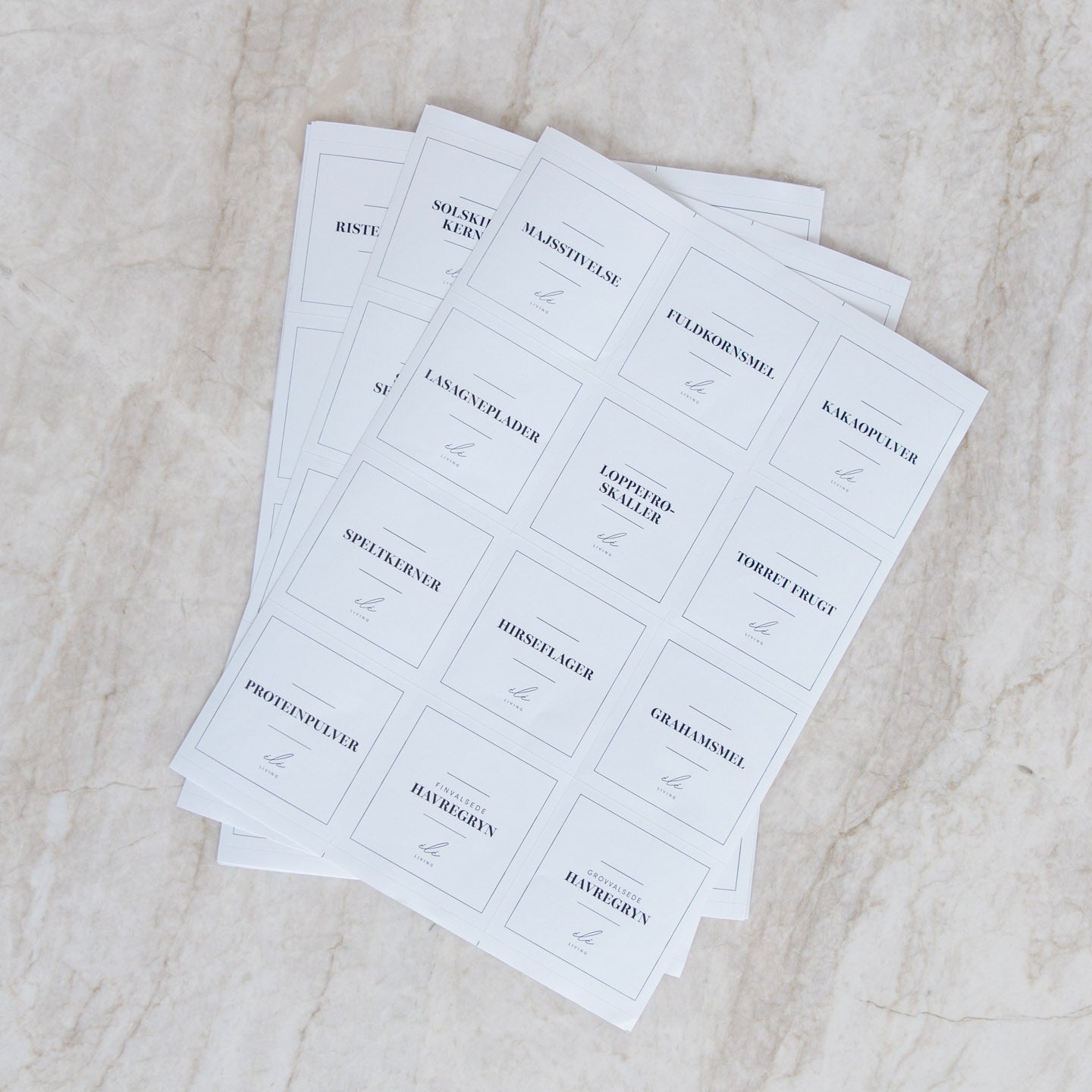
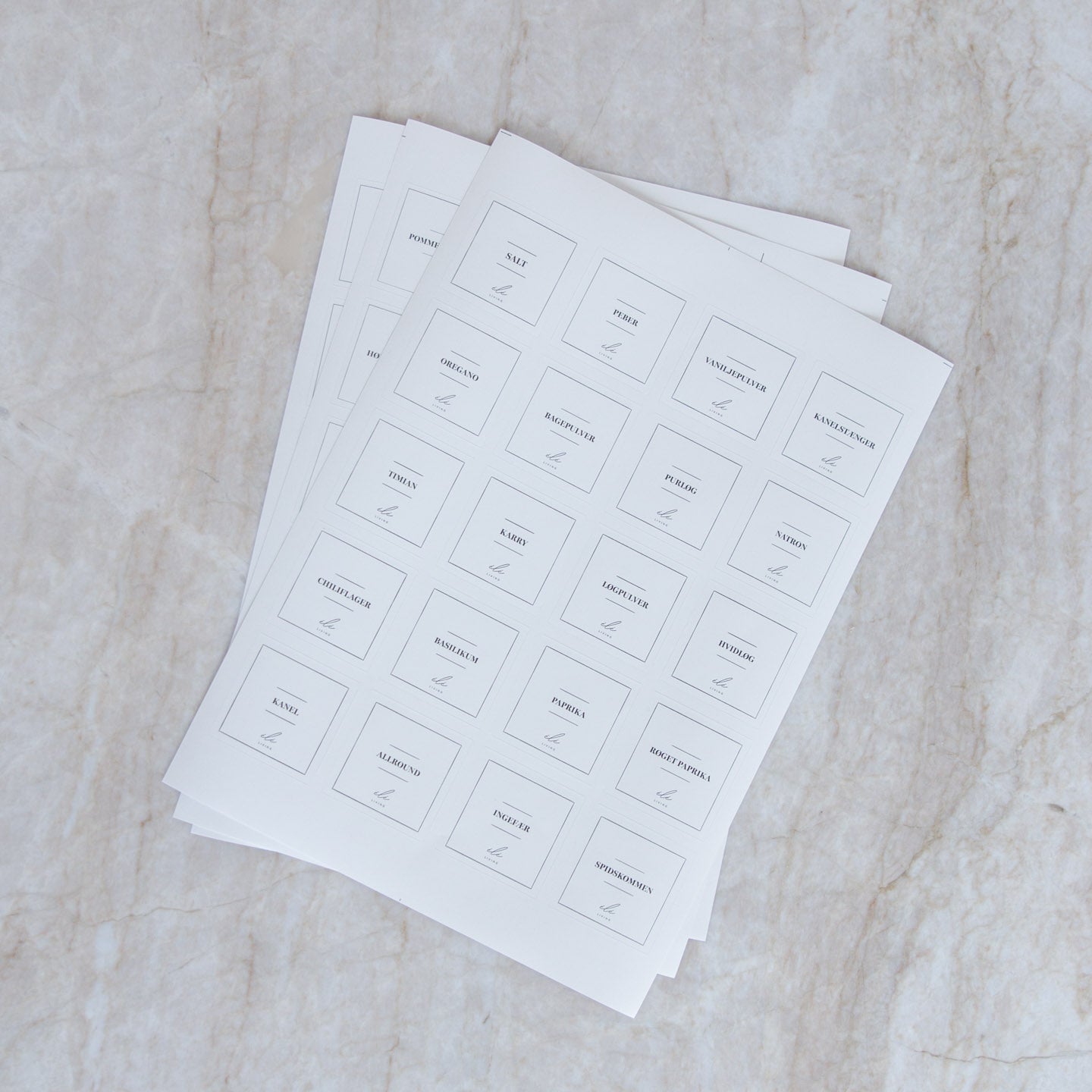
Put clear labels on the jars so everyone in the household knows where oats, rice, and flour live. This makes refilling and tidying simple. Choose pre-made labels for dry goods and maintain the same style on all containers. Write the date with a marker on the back of the label or on the shelf if you want to track consumption.
Create Calm Routines with Zones
- Breakfast - bowls, spoons, and dry goods gathered in one section.
- Cooking - oil, salt, and daily spices close to the stove.
- Baking - flour, sugar, and baking pans in the same cabinet.
- To-go - snacks and lunchboxes together, so packed lunches are quick.
When building your system, think about "where do we use it" and "how do we put it back". With a few repeated sizes, clear categories, and fixed places, kitchen organization becomes a habit that lasts.