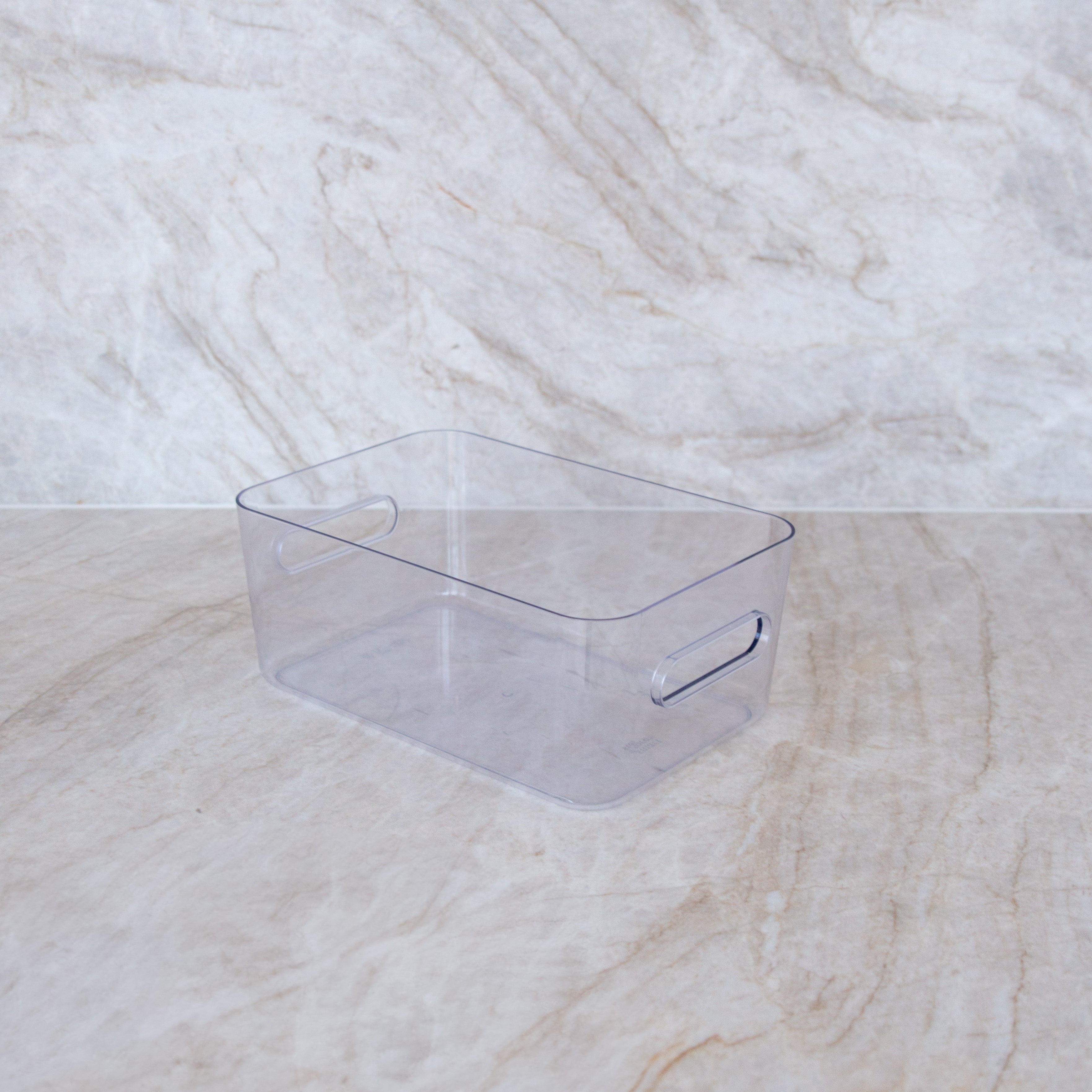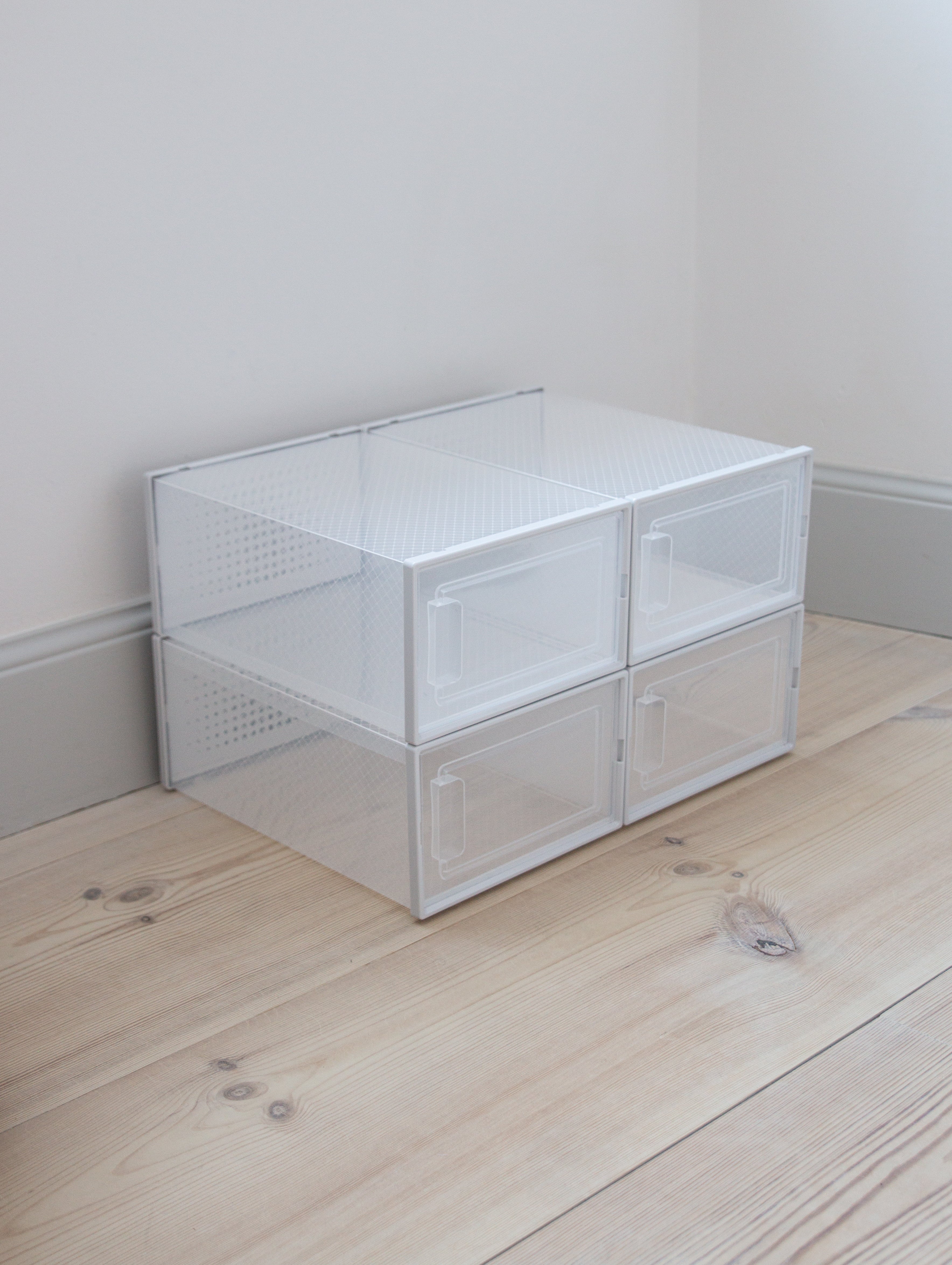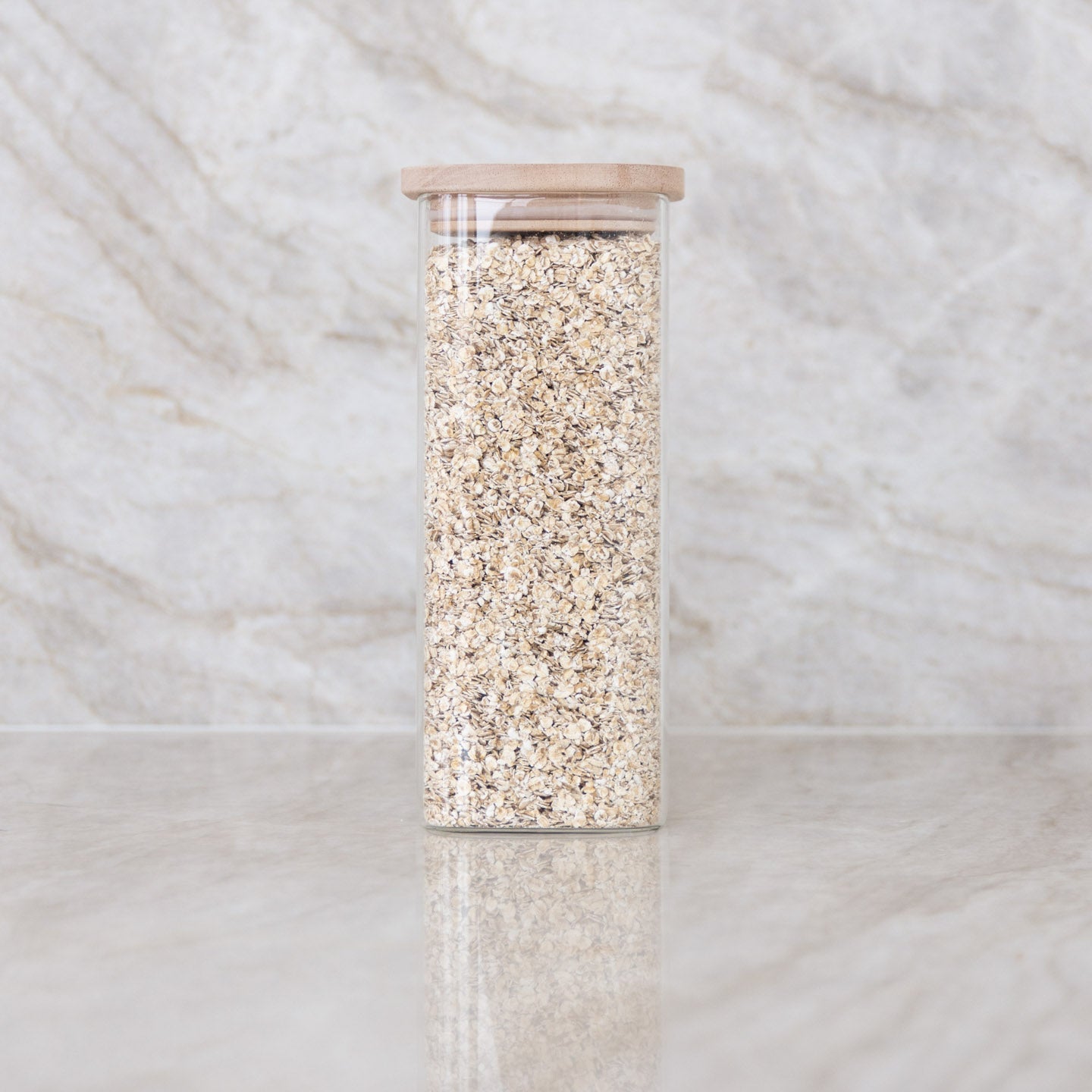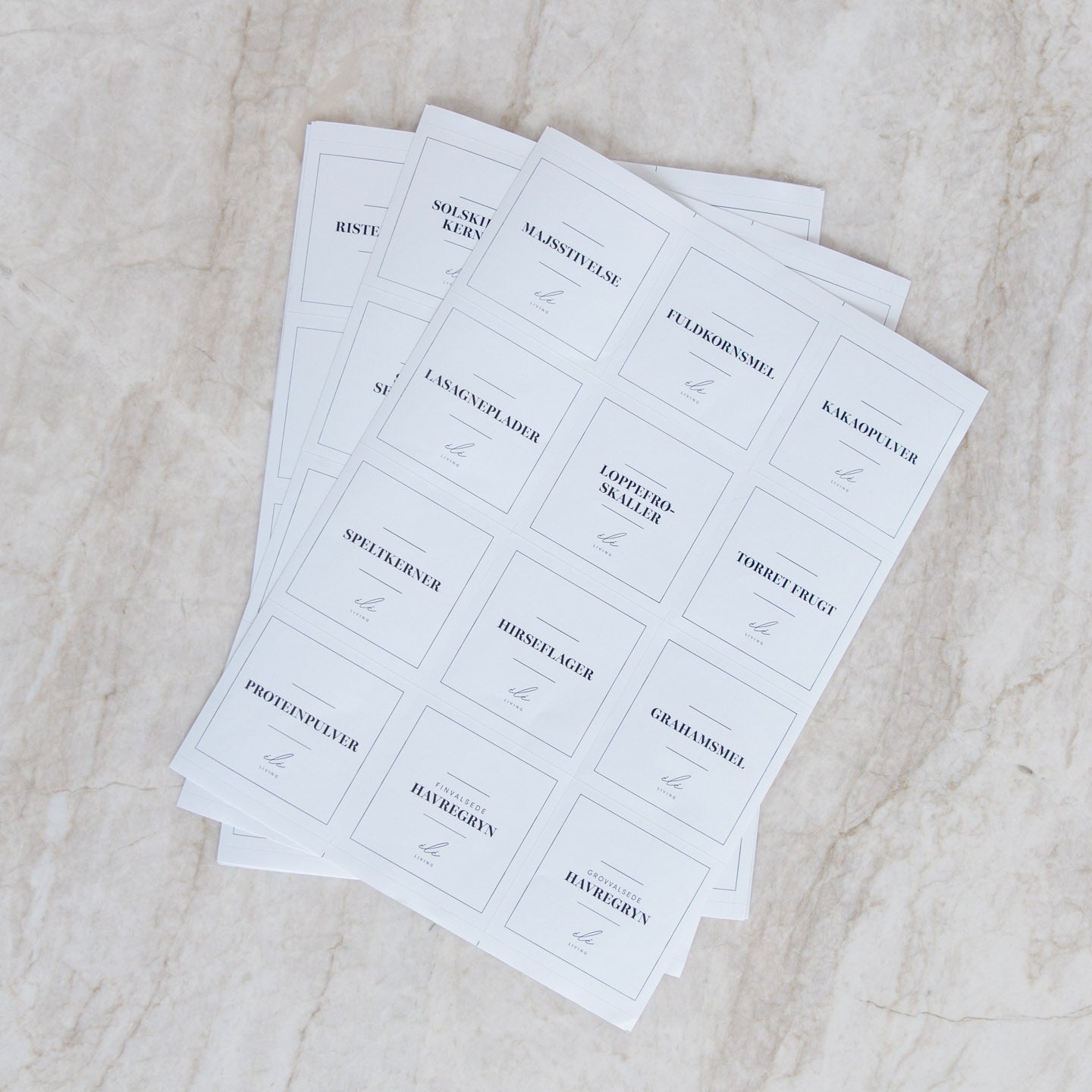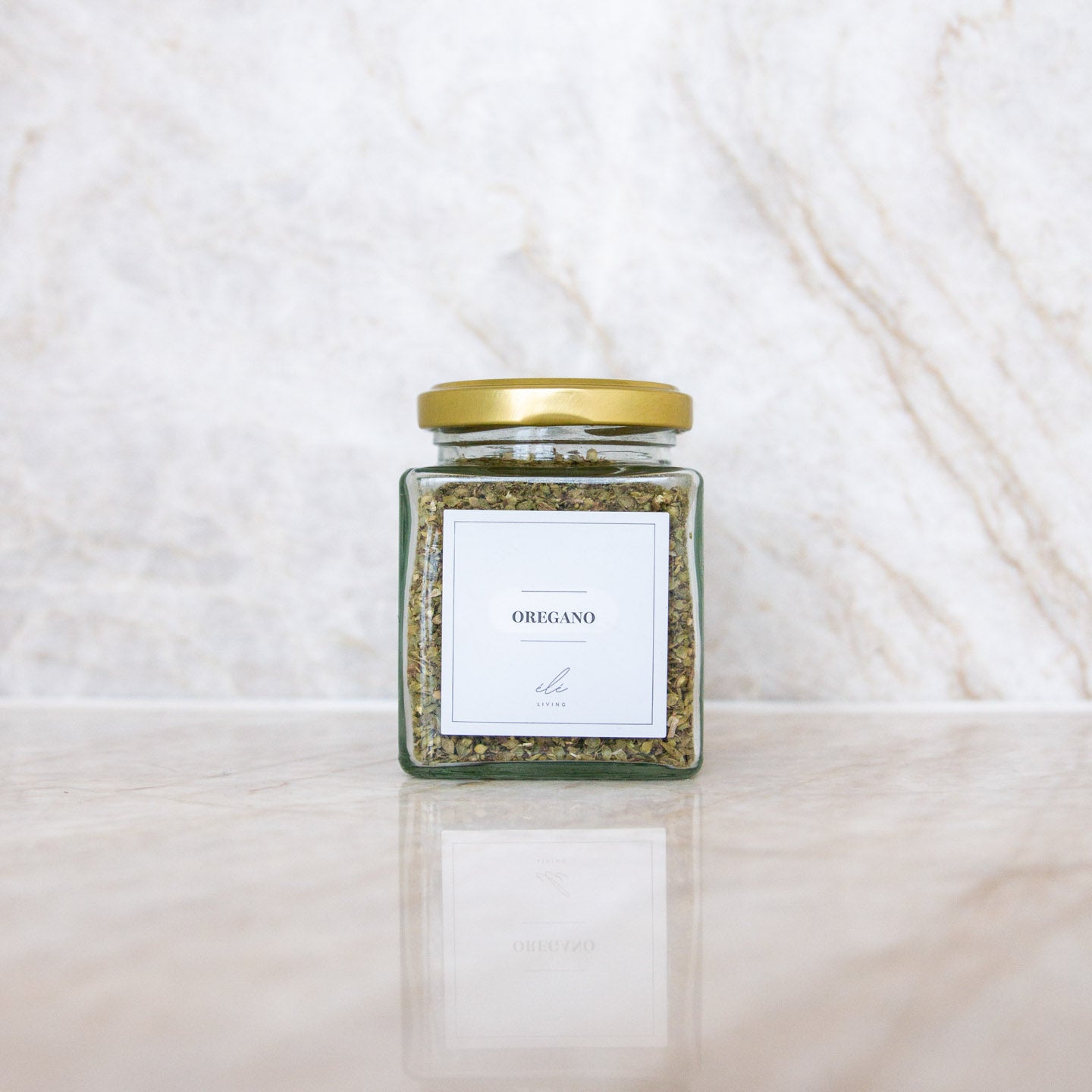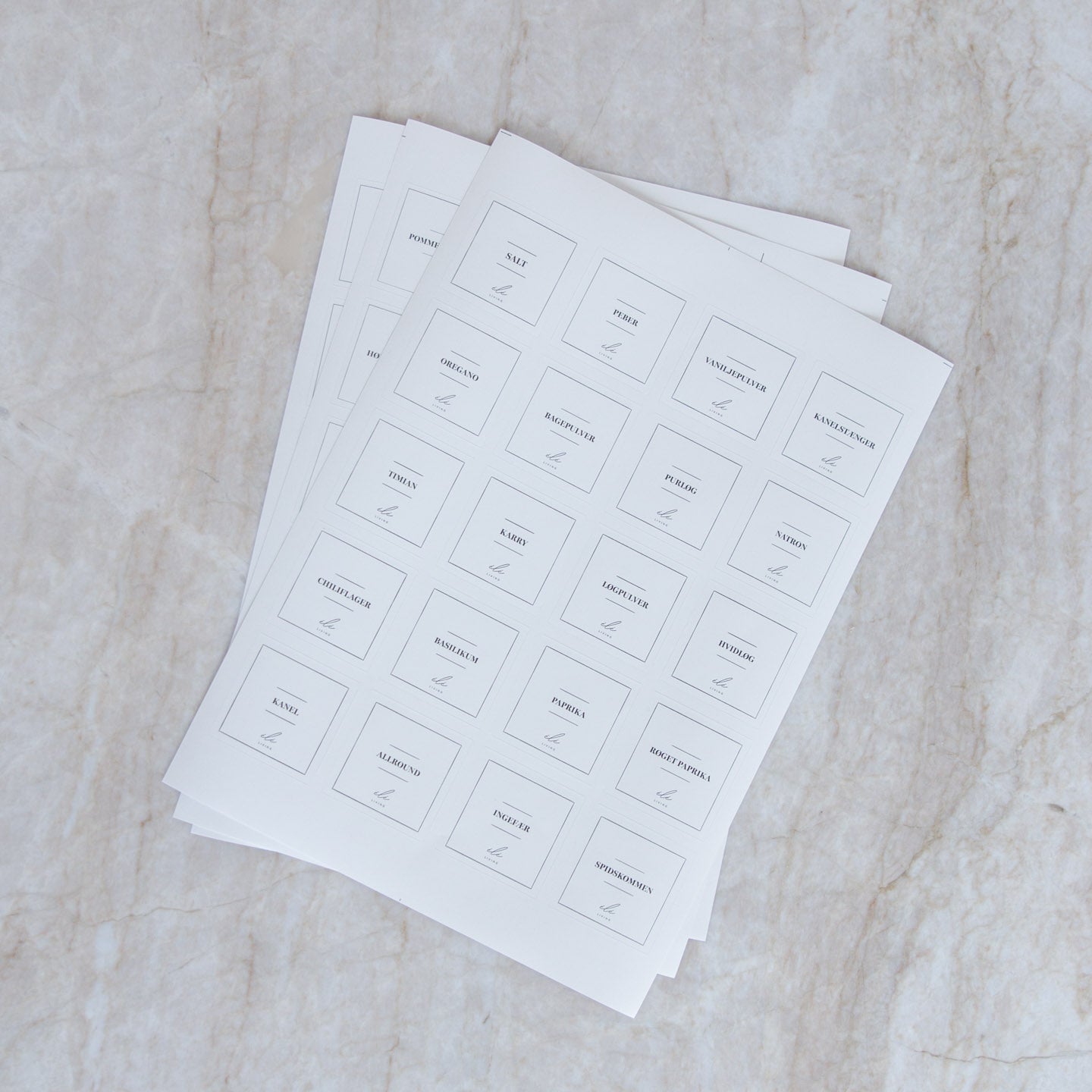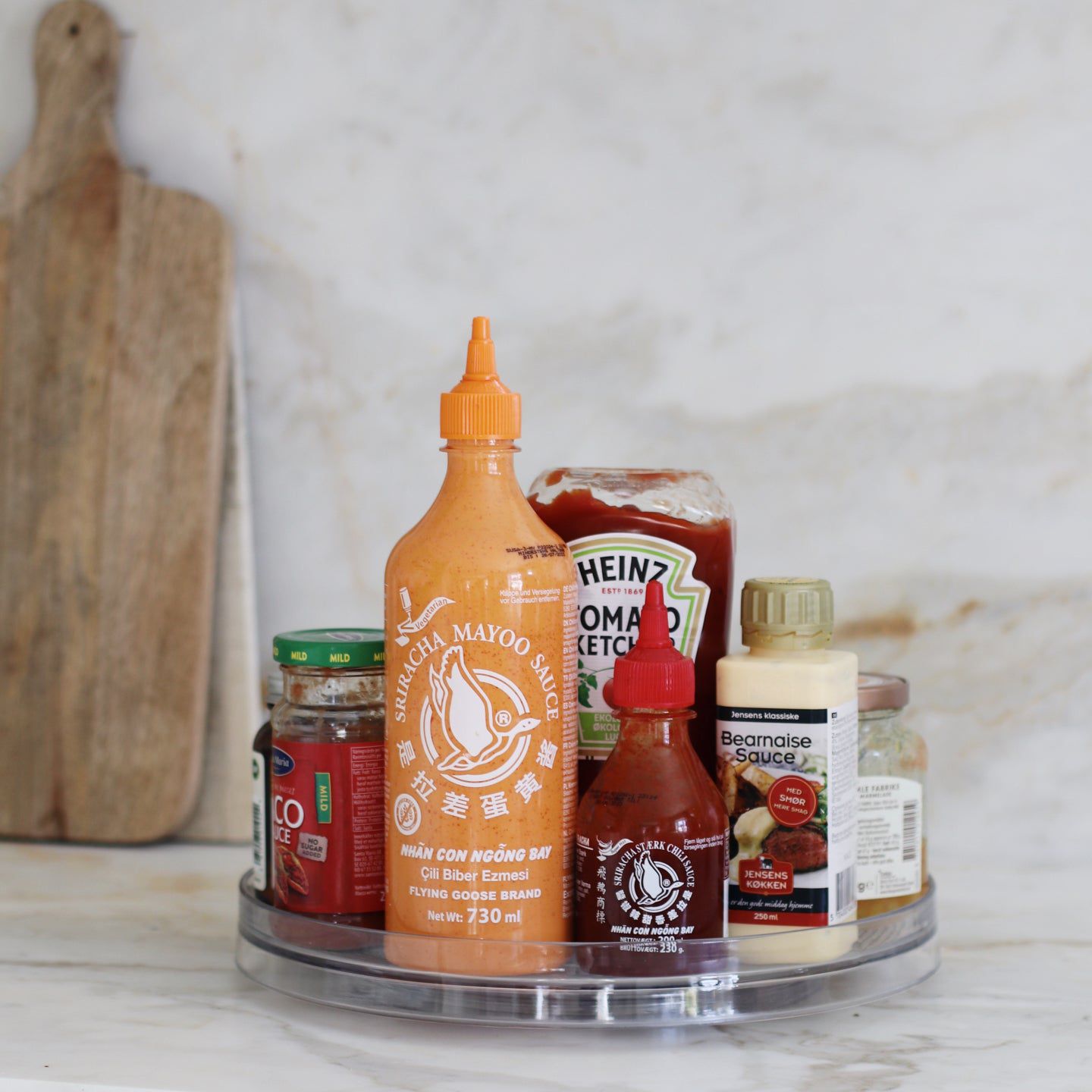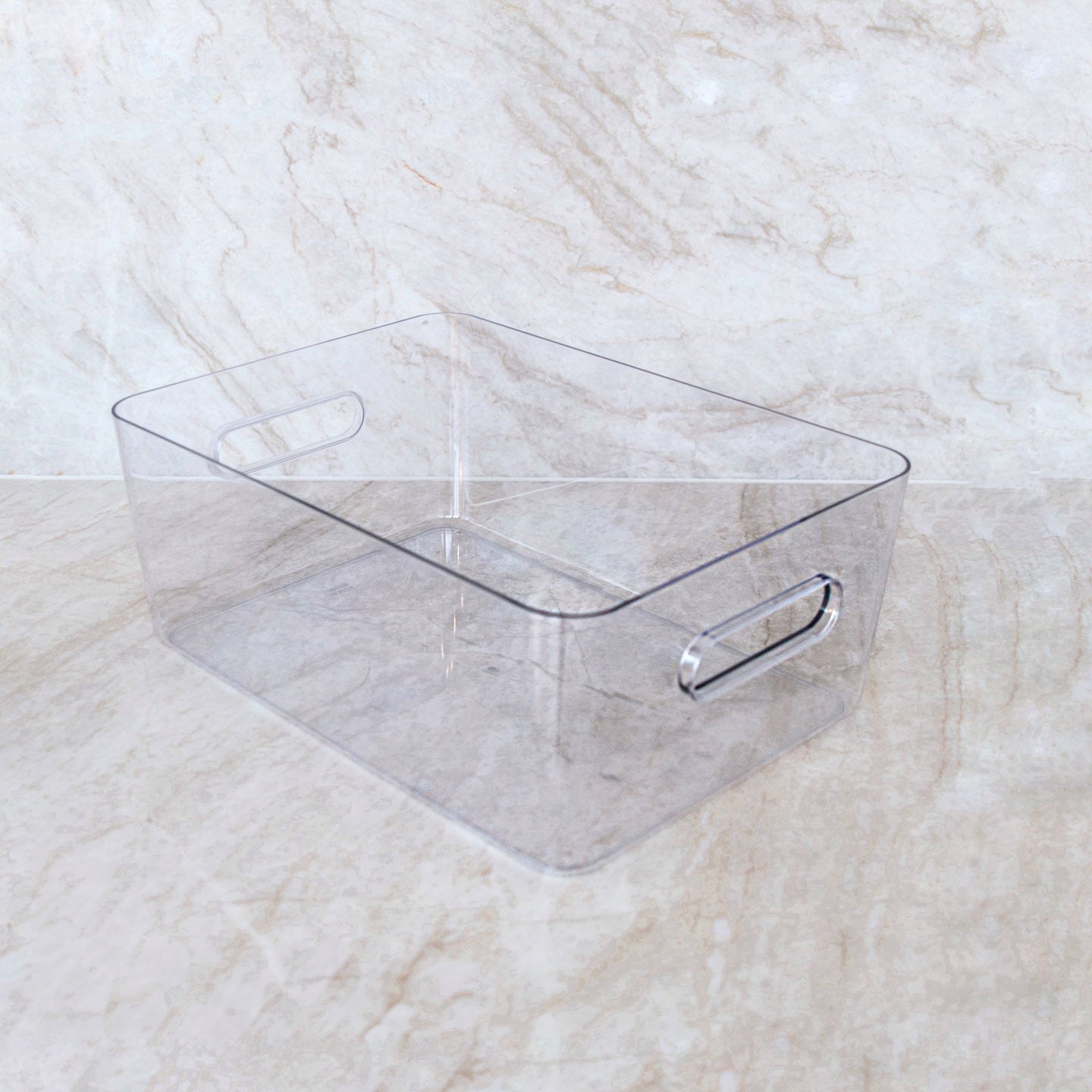

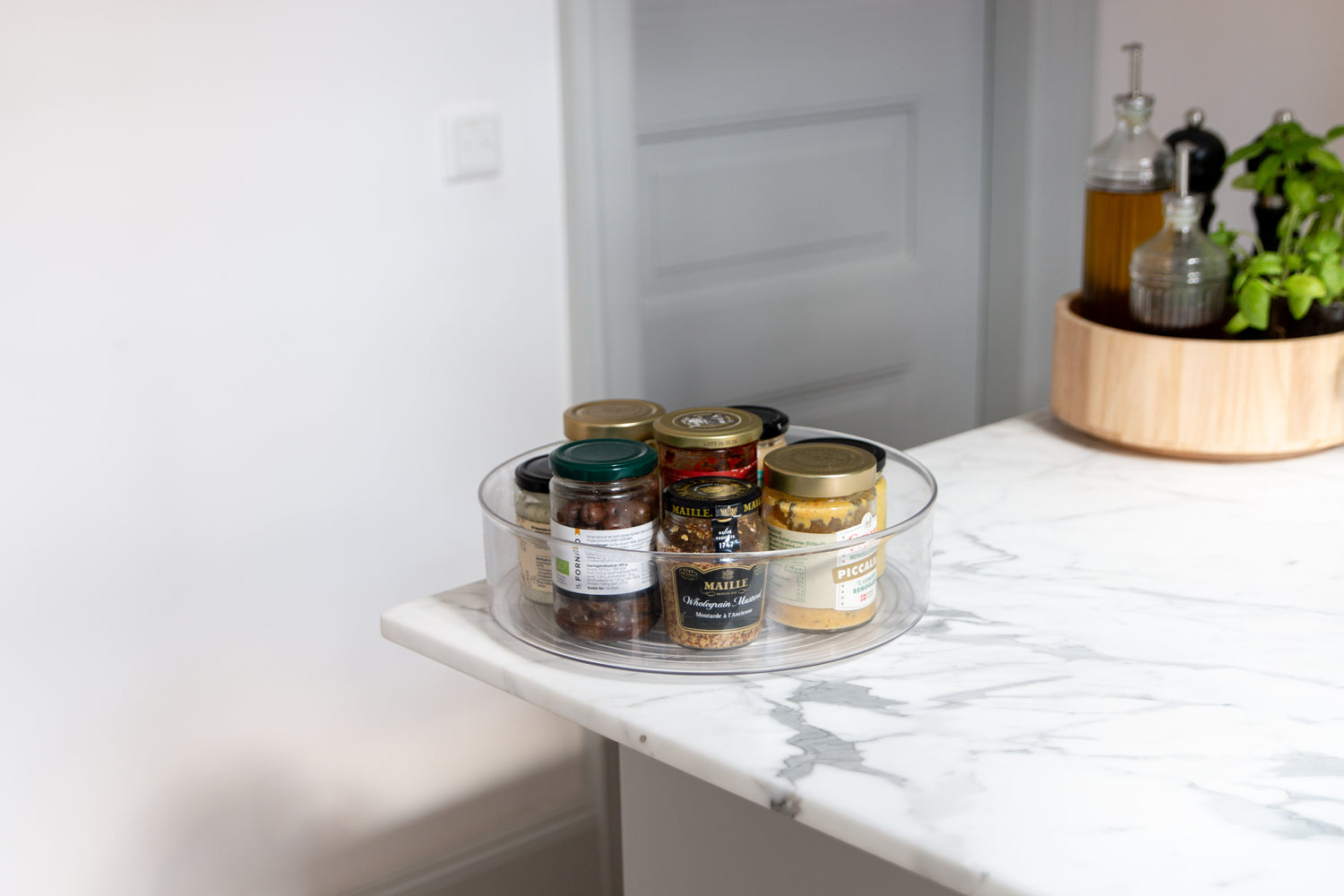
Storage boxes in the kitchen make it easy to create order, utilize space, and find groceries quickly. Start by choosing a few sizes that repeat to give your cupboards and drawers a consistent look. Think in zones: breakfast in one place, baking in another, packed lunches in a third. Opt for transparent materials so you can see the contents at a glance, and choose boxes that come with lids if you want to stack. Find a wide selection of boxes.
Storage boxes for kitchen cupboards
Start with your most used shelves and drawers. Measure height, depth, and width, and choose boxes that fit the shelf depth to utilize every inch. Then categorize: pasta and rice, cans, baking supplies, snacks, and accessories. Place heavy groceries at the bottom and lighter ones at the top for a better overview. Use lids where you want to stack, and keep frequently used boxes at the front so they are easy to pull out, see contents, and put back.
Step by step in the cupboards
- Empty one shelf at a time.
- Sort and discard expired groceries.
- Group by function - e.g., breakfast, baking, snacks.
- Measure and choose boxes that fit the shelf.
- Put back with the most used items at the front.
Refrigerator boxes for the kitchen
Refrigerator boxes gather small units, make cleaning easier, and help you use what was put in first. They should be placed on the refrigerator shelves - not in the door - to make the best use of space. Choose lids for each box so you can close and stack them on top of each other. Refrigerator boxes and storage containers can be used in both the refrigerator and freezer, allowing you to organize leftovers, snacks, and raw ingredients together.
Choose box size according to contents
- Small boxes: berries, small snacks, and packaged cold cuts.
- Medium boxes: dairy products, open jars, and larger fruits and vegetables.
- Large boxes: drink cartons, meal-prepped containers, and larger vegetables.
Tip: Give each shelf a clear purpose - e.g., dairy at the top, greens in the middle, packed lunches at the bottom - so the whole family puts groceries back in the same place.
Transparent kitchen storage boxes
Transparent boxes help you quickly see what's left and what needs to be used first. Place the boxes to suit your family's routines - e.g., snacks in the front part of the cupboard and baking supplies further back. In deep cupboards, you can collect bottles and jars in a box, making them easy to pull out. Repeat the same size side by side for a calm look, and use lids where you want to build vertically.
Storage jars for dry goods
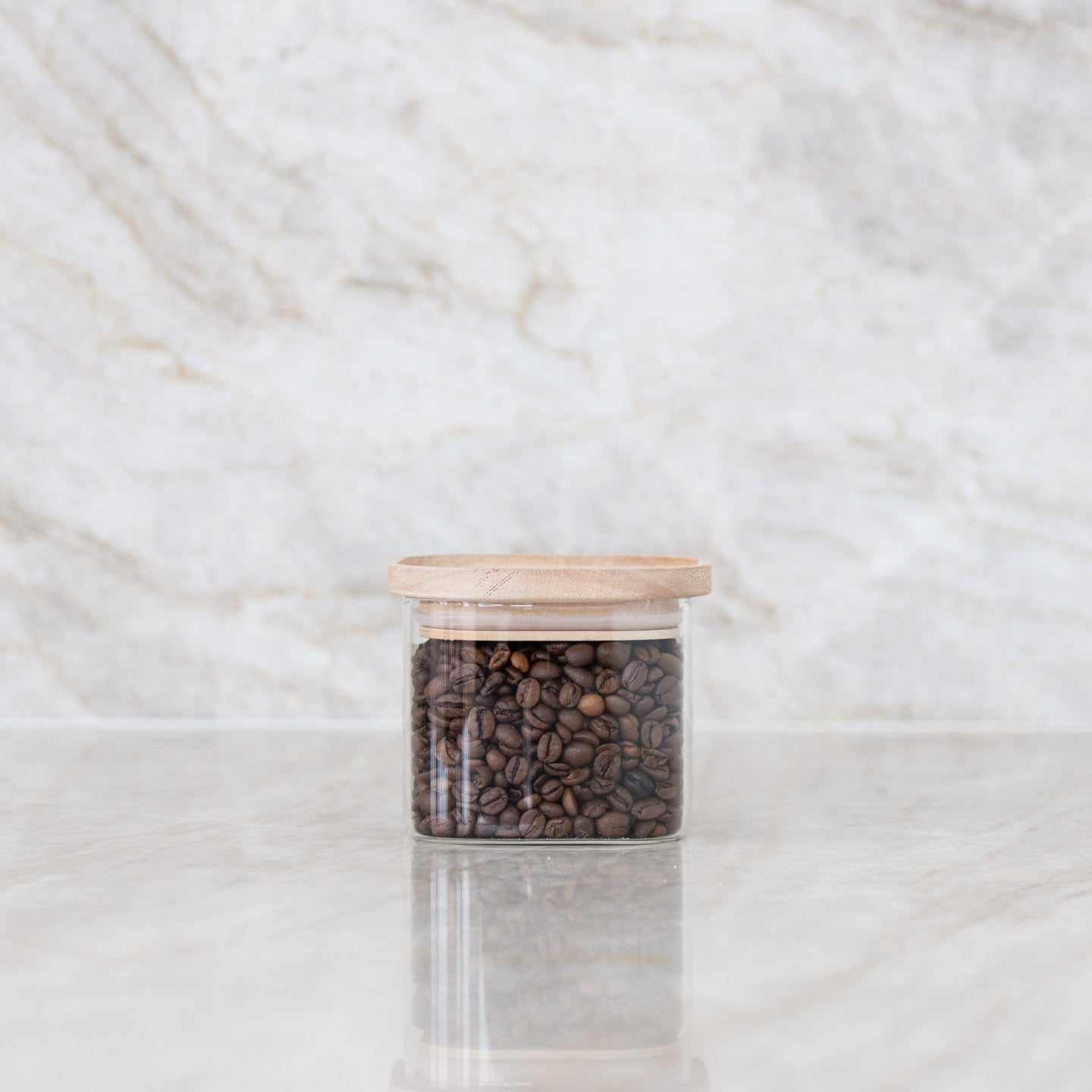
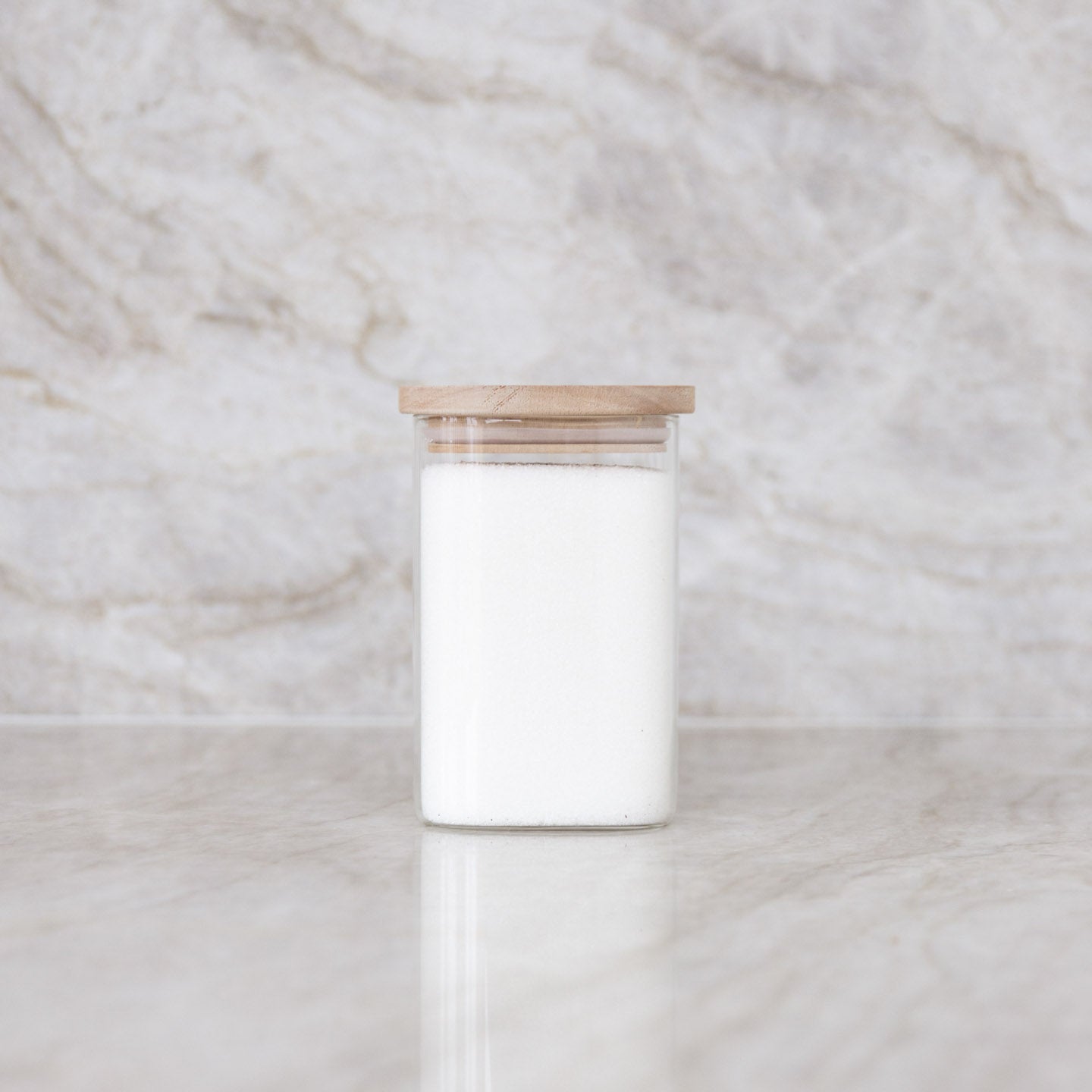
When dry goods like pasta, rice, grains, and flour are poured into storage jars, you get a better overview, less clutter from bags, and hygienic storage that keeps pests out. Arrange the jars in rows by height so you can see and reach them in everyday life. Choose a few sizes that cover your basic items, and place the most used ones at the front. See the selection of storage jars.
Bundle solutions for kitchen storage
If you want to quickly achieve your goal, you can choose a bundle solution put together for typical kitchens. Here you get a balanced mix of boxes, so you can create structure in both cupboards and the refrigerator without measuring everything from scratch. It's a simple way to test which sizes work for your household before you potentially supplement. See current bundle solutions.
Stick to repeated sizes, give each zone a purpose, and use lids where you want to stack. This way, you get a tidy kitchen where groceries are easy to find, put away, and use - every day.