
Storage under the sink requires clever solutions because the space is often deep and interrupted by pipes. The key is fixed zones, transparent solutions, and easy access. Here you'll find concrete ideas for both the kitchen and bathroom, so you can create calm and overview with a system that lasts in everyday life.
Organizing under the sink in the kitchen
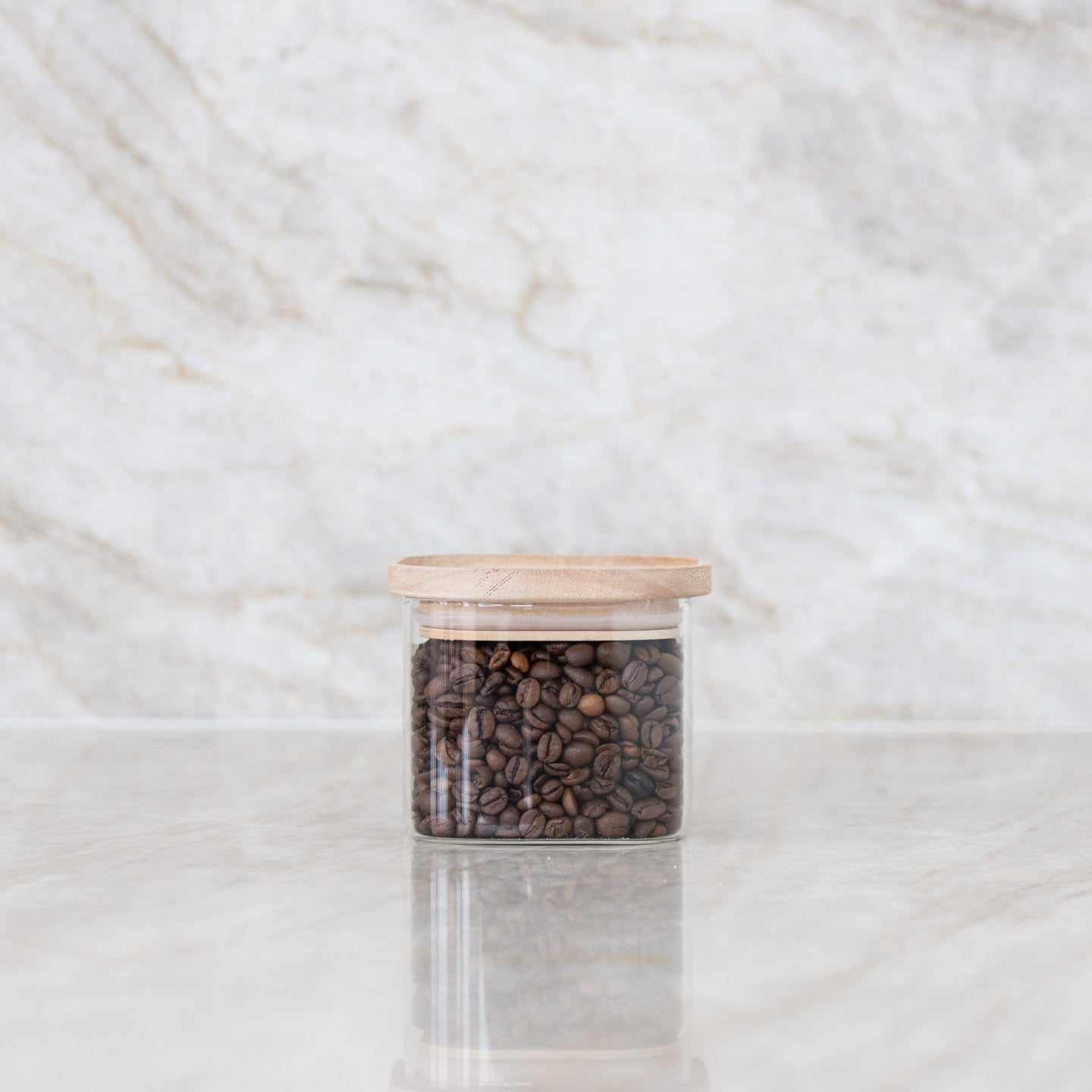
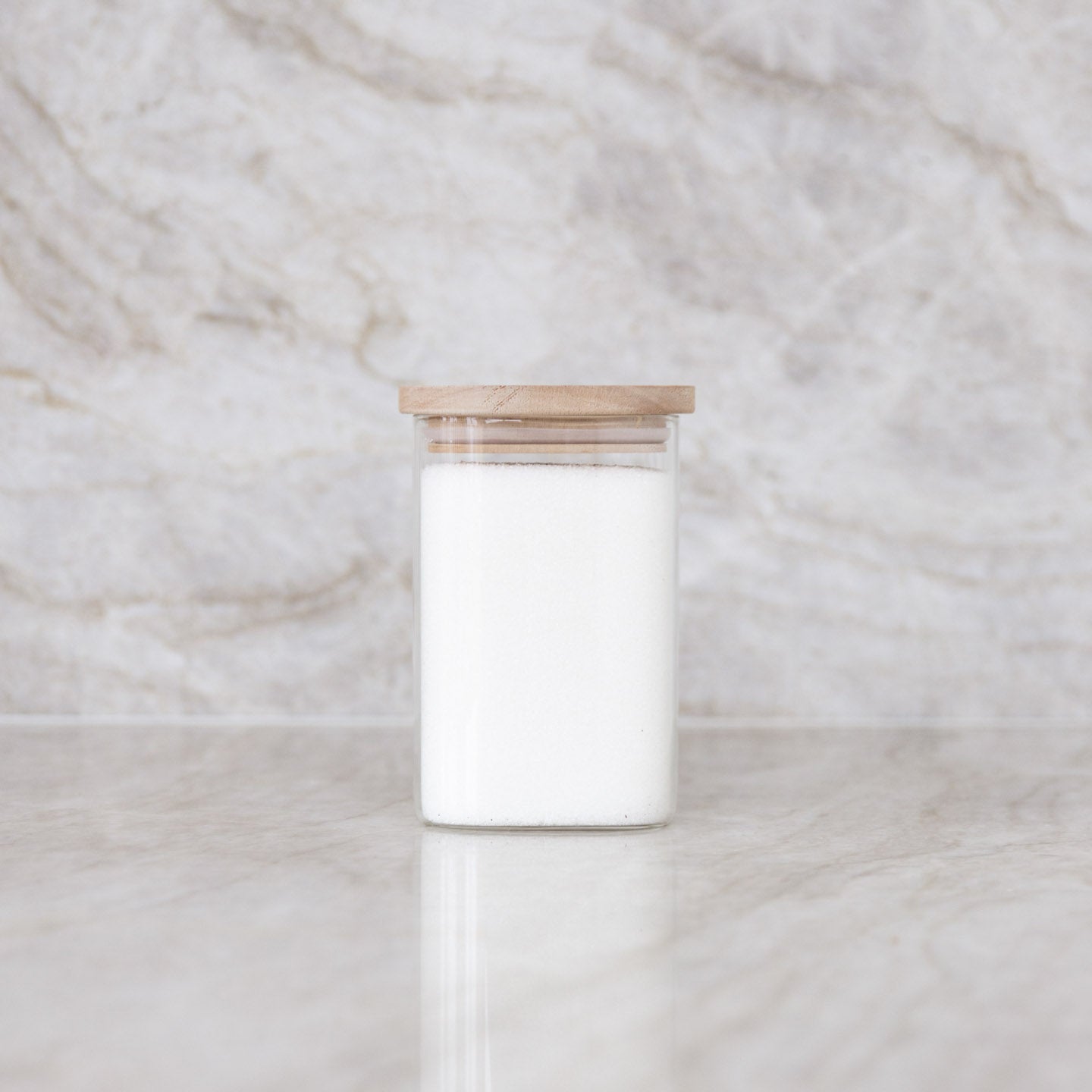
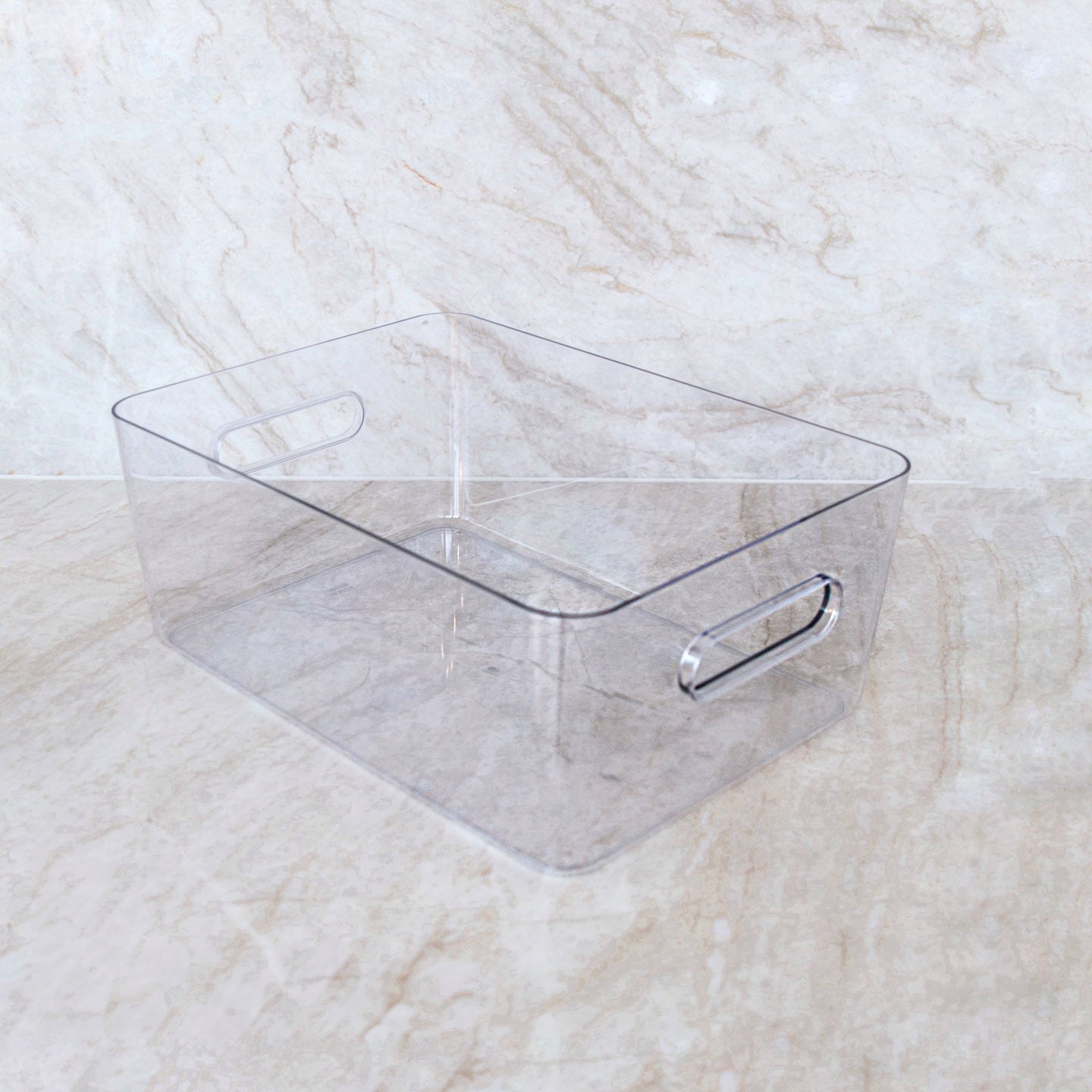
Start by dividing the cabinet into three zones: dishwashing, cleaning, and waste-related. Choose transparent boxes for each zone so you can quickly see what you have. They work well as pull-outs that gather sprays, dishwasher tablets, and garbage bags in one place, making it easy to take the entire zone up to the counter when cleaning. Place what you use daily at the front and spare parts at the back. Measure the height around the trap and pipes, and choose shallow containers in the part of the cabinet where space is tight. Stick to a few repeated sizes for a calm look and easy stacking where there is room for lids.
Storage under the sink in the bathroom
Under the sink in the bathroom, storage containers work well for backup soap, toothpaste, and small items like cotton swabs and refills. Choose fixed sizes to group categories so small items don't spread out. If you have depth to work with, two layers can make sense: daily use at the front and a back layer with extra supplies. Also, see relevant solutions in the Bathroom category if you want to match the look in the rest of the room.
Self-adhesive storage on the inside of the door
Utilize the inside of the door for light items. Self-adhesive shelves and hooks are suitable for bags, brushes, or small packages that you want quick access to. Clean the surface thoroughly, follow the installation instructions, and let the product cure as indicated before applying weight. Think low profile so the door can close unimpeded past pipes and boxes.
Package solutions for a quick start
If you want to achieve results quickly, you can gather the selection via Package Solutions. A curated set will help you get started with tried-and-tested sizes, so you don't have to guess. Use the set to set up the first zones and then build on it with the same series for a uniform look.
How to create a system that lasts
Step by step
- Empty and measure: Note width, depth, and headroom under pipes.
- Define zones: Kitchen - dishwashing, cleaning, waste. Bathroom - daily use, backup, cleaning.
- Choose containers: The same series in 2-3 sizes provides an overview and makes replacement simple.
- Place in levels: Each box has its category. Frequently used at the front, extras at the back.
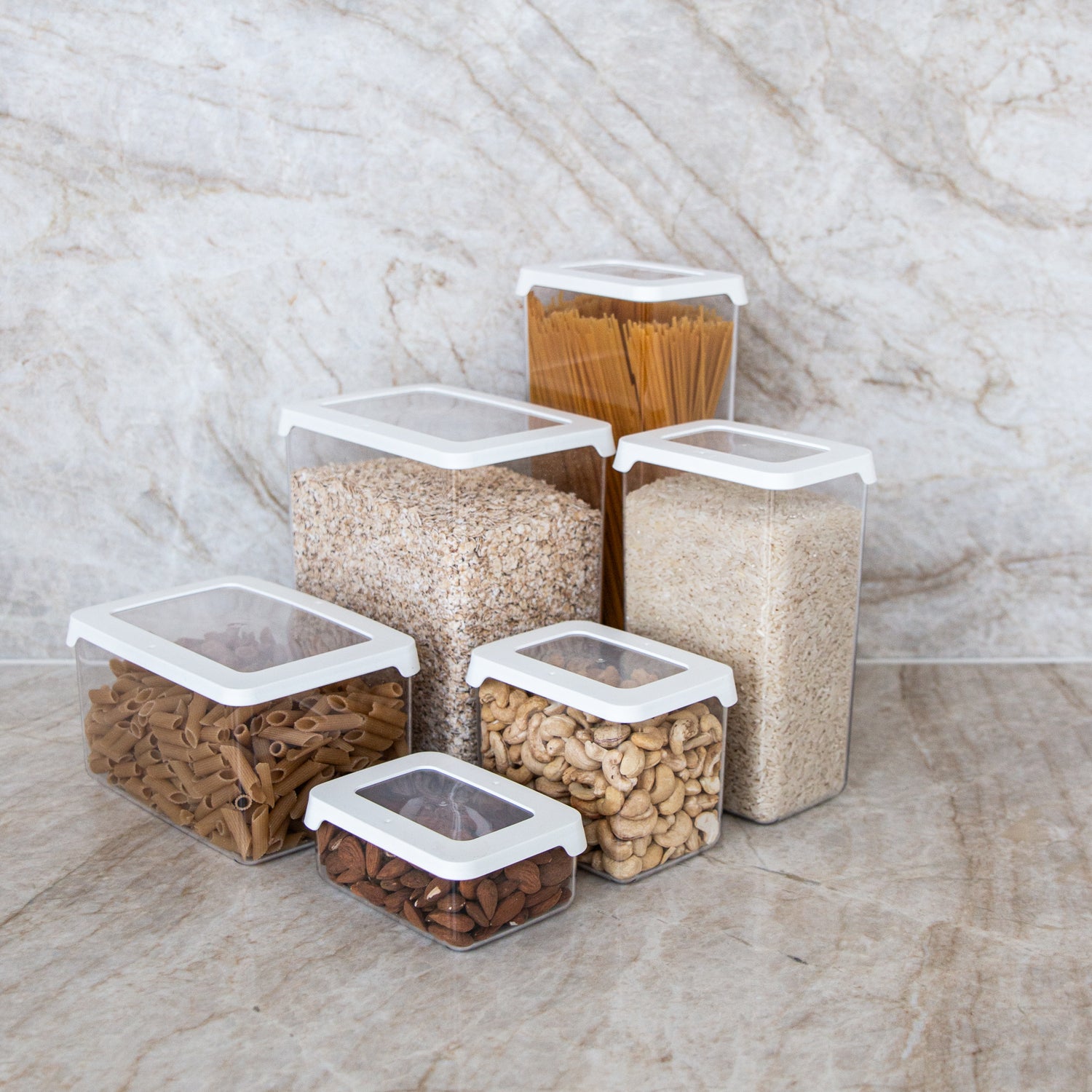
- Add lids where possible: Lids make stacking easy in deep cabinets and protect contents from dust and splashes.
Maintenance without hassle
Refill when you take the box out anyway. Place empty packaging in a front box to remind you to buy new. Give the system 5 minutes a week - that's enough to maintain an overview.
Safe and practical storage
Place liquid cleaning upright in a box to avoid spills. Dishwasher tablets and small items are kept securely and together in a lidded container. If you have children at home, you can place the strongest agents on the back shelf or in a higher box so they don't tempt small hands.
When zones, transparent boxes, and easy access go hand in hand, you get a stable system under the sink. This creates calm in everyday life and makes it easy for the whole family to put things back in the right place. Choose simple solutions, build gradually, and let organization support your routines.