
When your dry goods have designated places and well-thought-out containers, cooking becomes faster and daily life calmer. A simple system makes it easy to see what you have and what you need. Here’s a practical guide to storing dry goods that combines clear organization with an aesthetic expression.
Storage jars for the kitchen
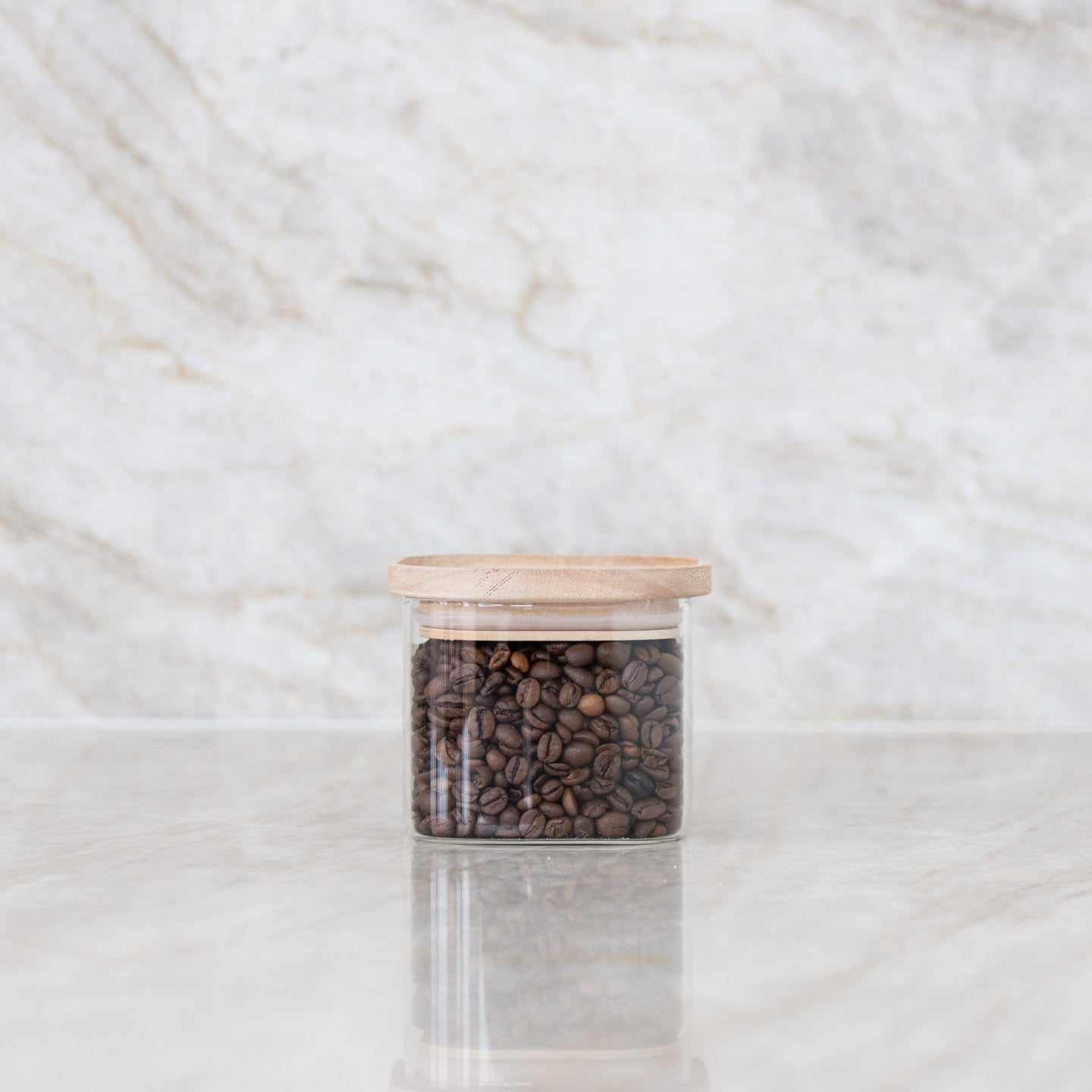
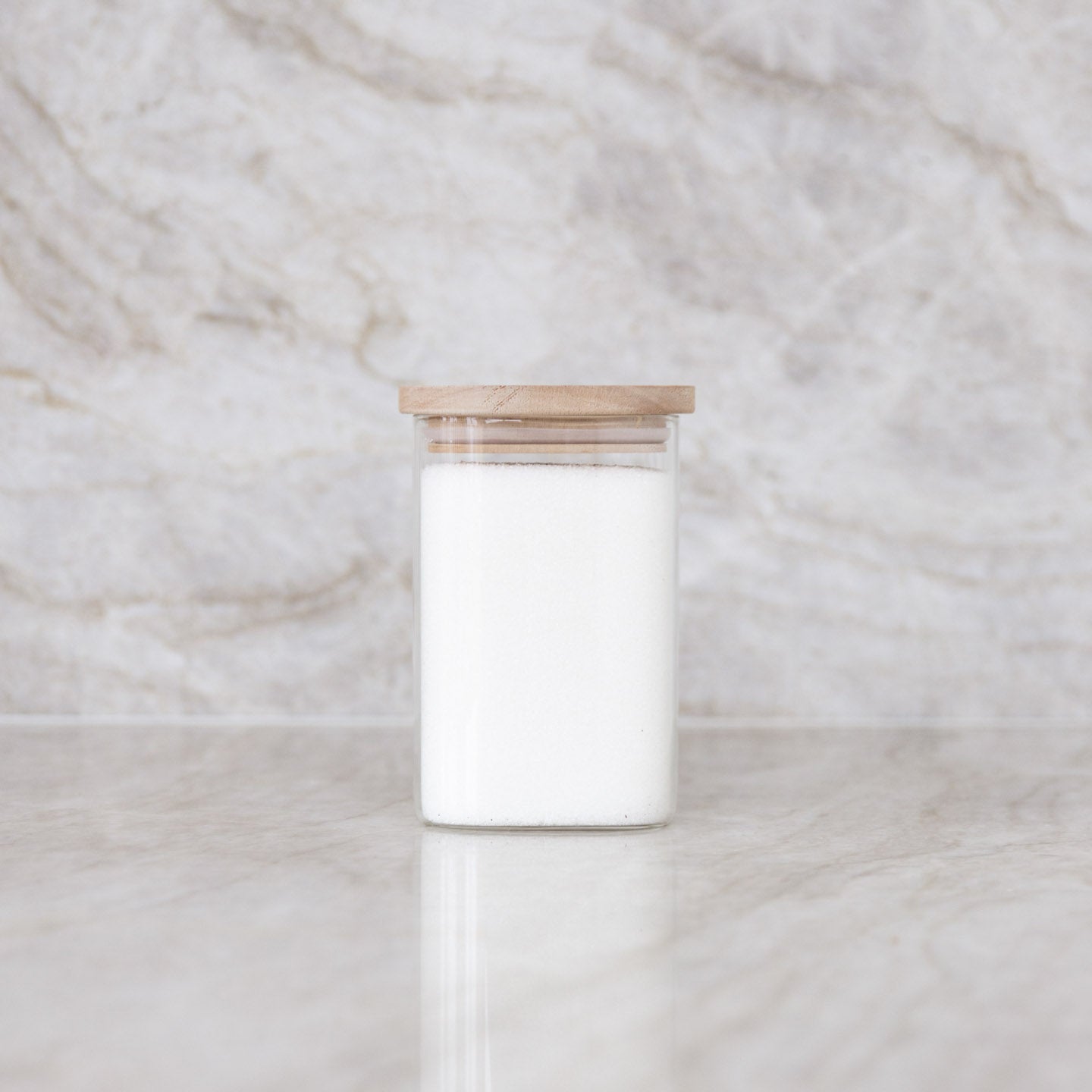
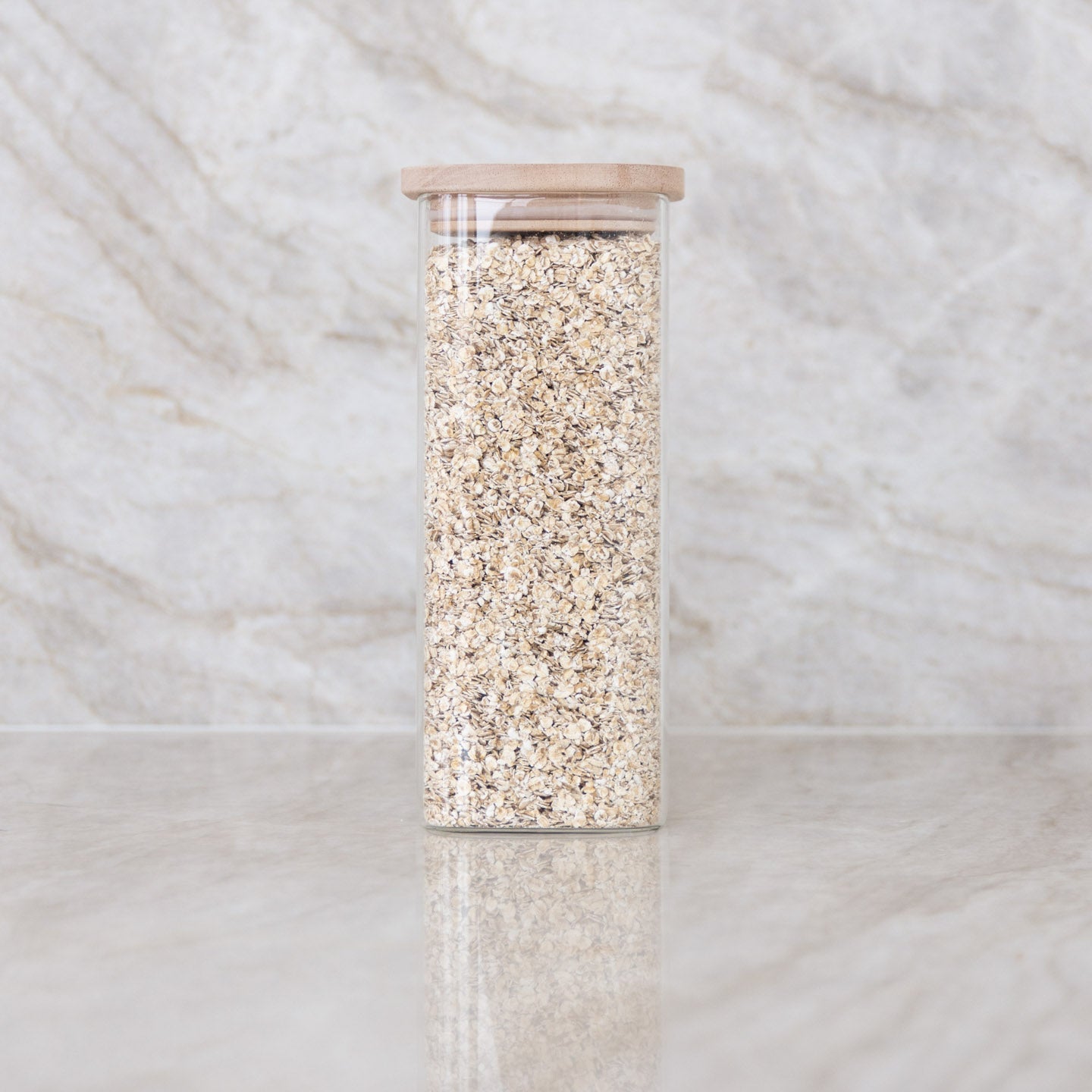
Transparent storage jars provide a clear overview, allowing you to instantly see quantities. Glass does not absorb color or odor from food and helps keep dust and pests out. Choose a few repeated sizes for a calm look in the cupboard. Square jars utilize height and stand stably side by side, while tall, narrow jars are suitable for spaghetti or rye flakes. Use the same lid type for a consistent look, e.g., bamboo if you prefer natural materials.
How to choose sizes
Start by matching jar size to consumption. Oats and flour require larger volumes, while lentils, seeds, and nuts typically fit in smaller jars. Only fill jars with what you realistically use within a reasonable period to avoid having old leftovers sitting at the back.
Labeling dry goods
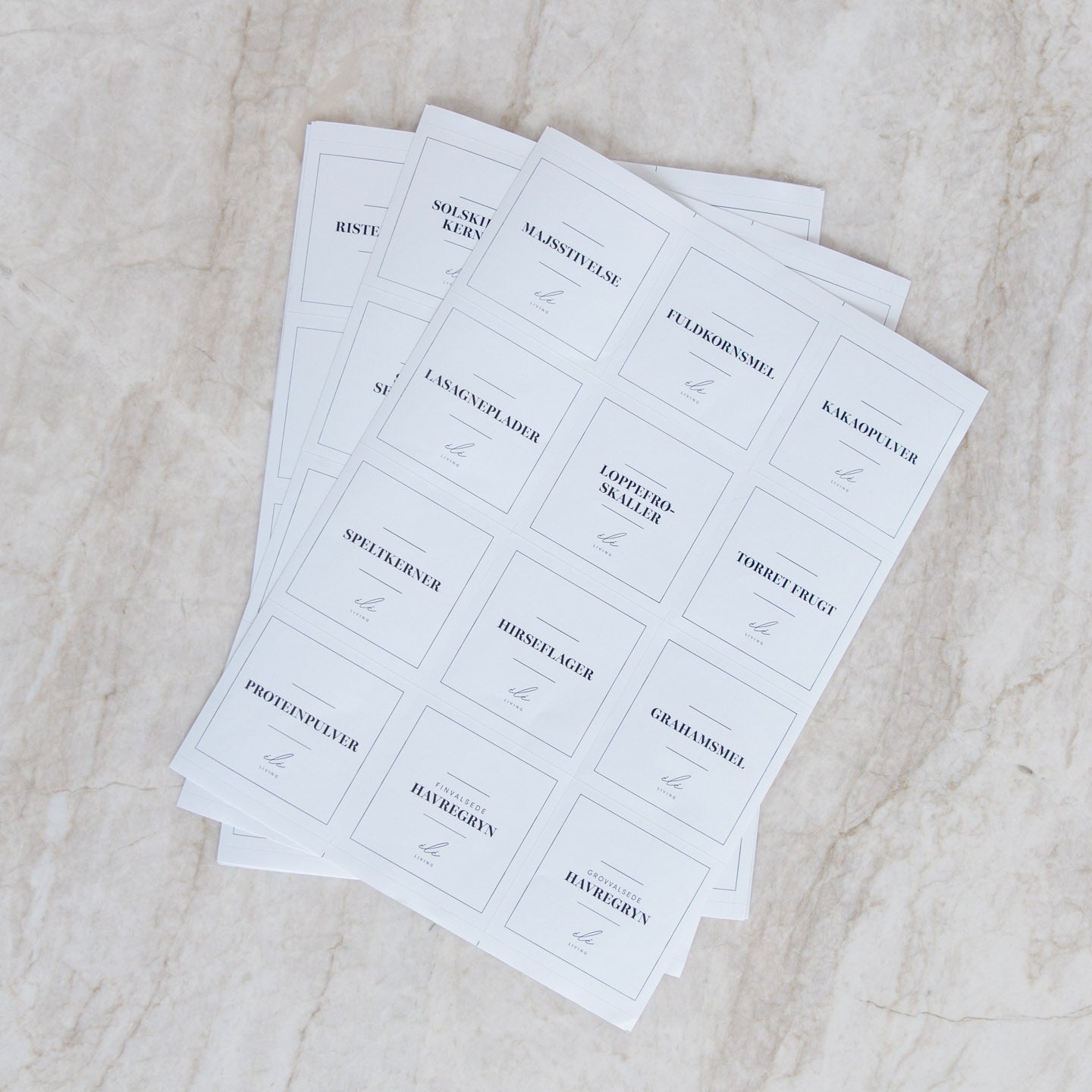
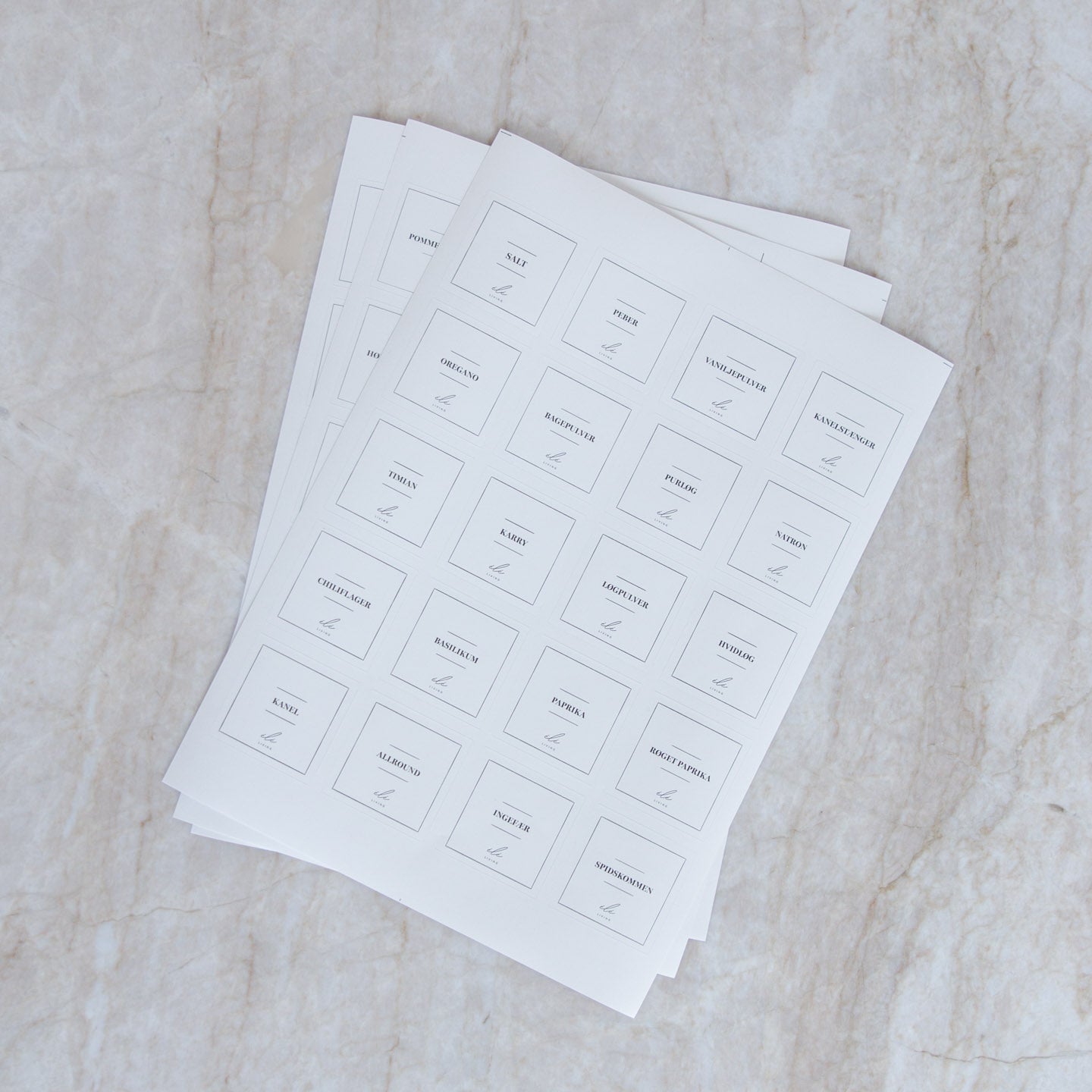
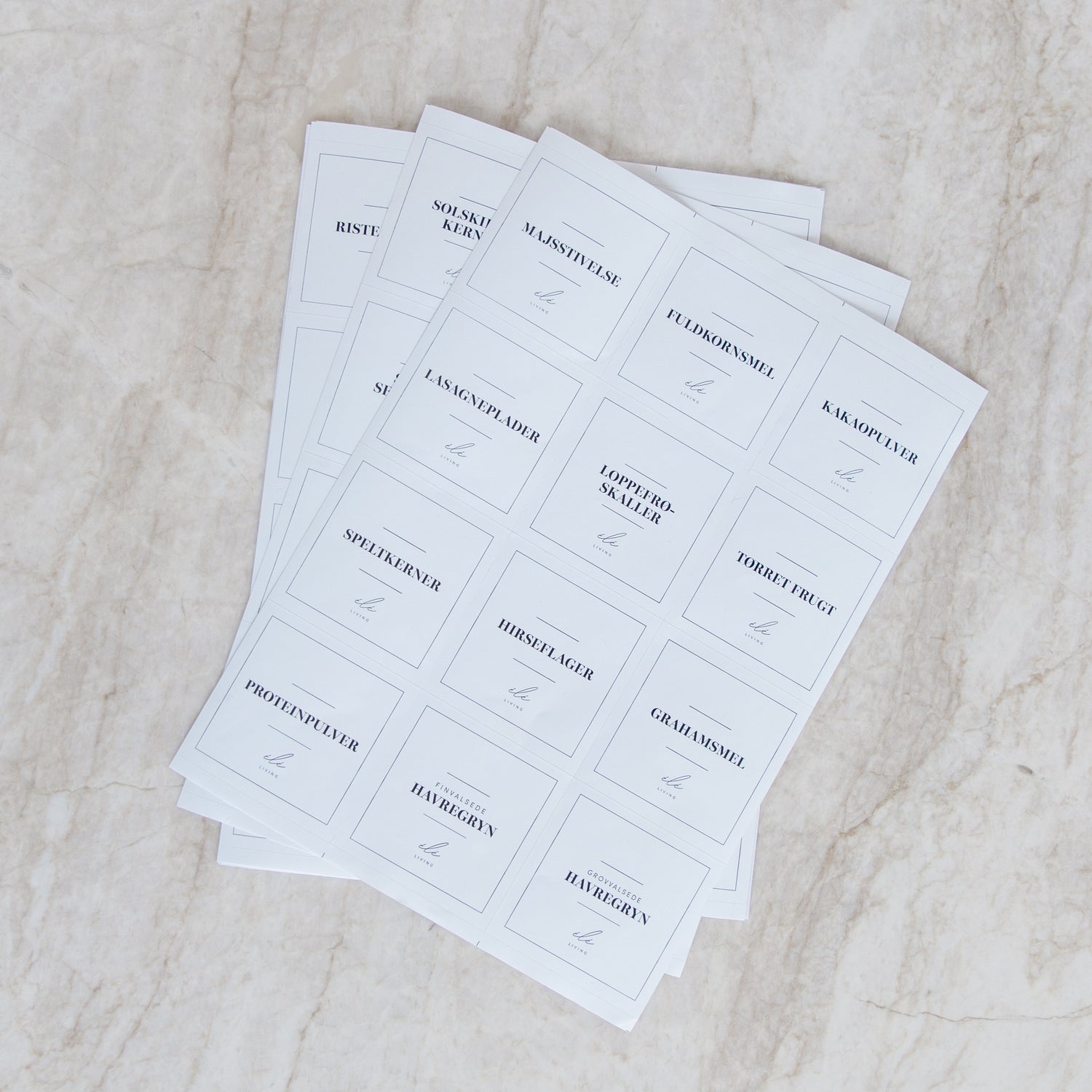
Label all jars with the item type and, if applicable, the purchase date. This saves time and minimizes errors when things look similar. A simple choice is dry goods labels, which unify the look and help the whole family put things back in the right place. Write the item name, and if you are refilling from a bag into a jar, you can cut the cooking instructions from the bag and place them in the lid or in a small envelope in the cupboard.
Organization in kitchen cupboards
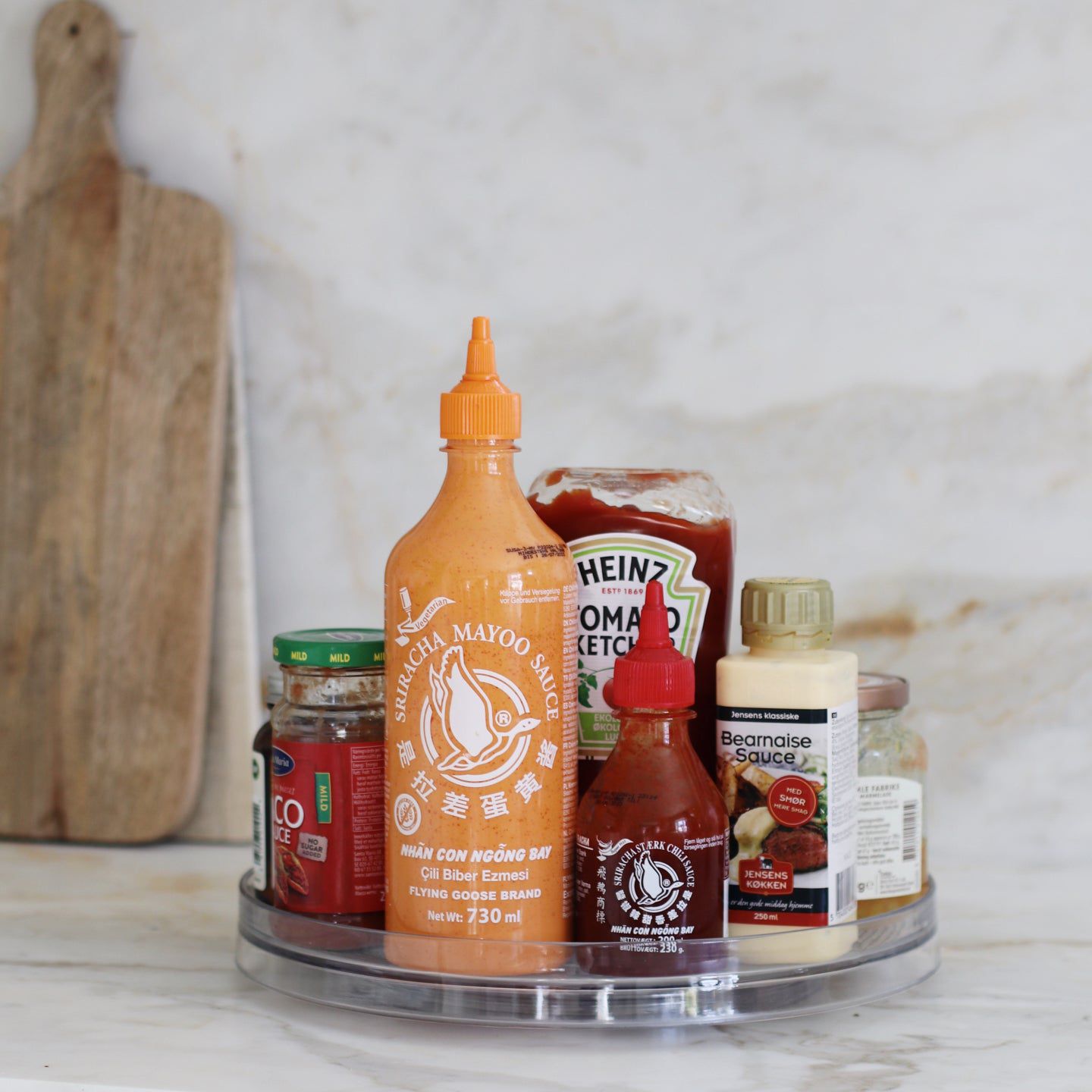
Place containers to suit your routines. Things you use daily should be at the front and at eye level. Rice, pasta, and flour work well on shelves you can easily reach. Smaller categories that might otherwise disappear at the back become more accessible on a wooden turntable - you simply rotate it to reach items at the back without moving others.
Choose what lives on the turntable
- Baking: baking powder, vanilla sugar, baking soda, small sprinkle jars
- Breakfast: chia seeds, cacao nibs, coconut flakes
- Snacks: nuts, dried fruit, rice crackers in smaller jars
Step by step
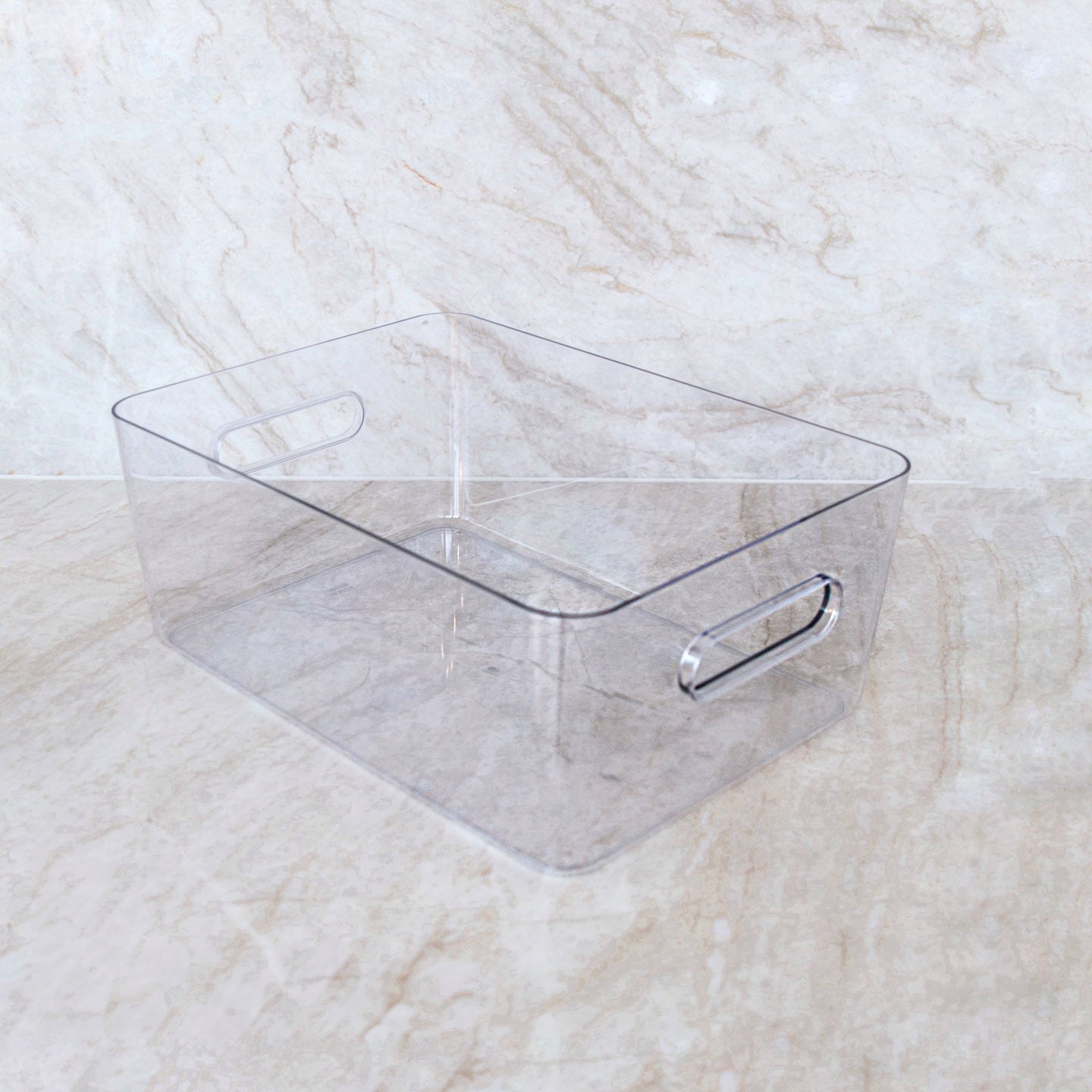
Empty the shelf. Sort into categories. Decide what quantities you want to have in jars and what can be kept as refill in a sealed bag at the back of a box. Apply labels and group categories together. Finish with a quick photo of the arrangement - this makes it easier to maintain the system.
Spice storage
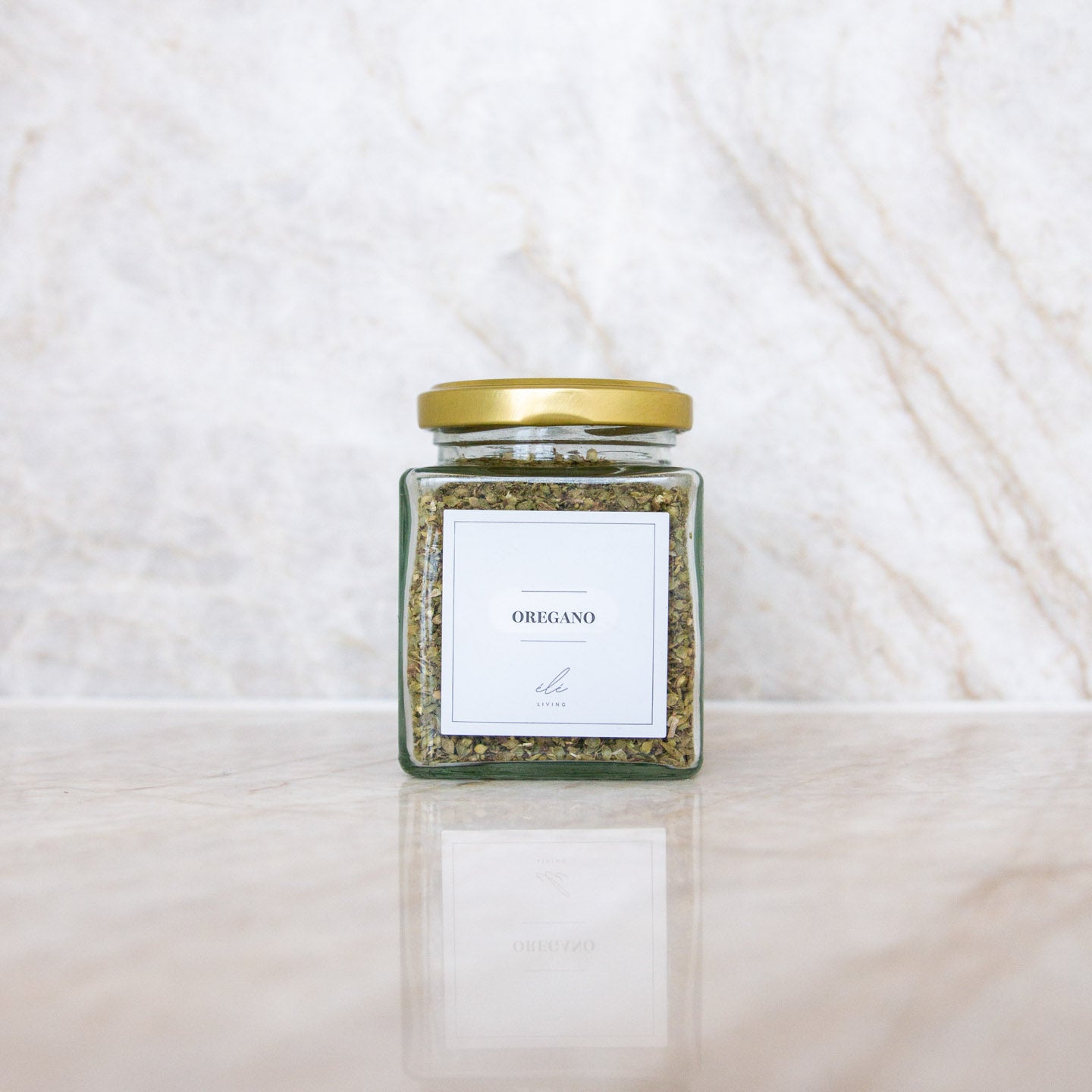
Spices are best kept dark, dry, and at a consistent temperature. Uniform spice jars provide an overview and make it easy to put things away. Group everyday spices in one row at the front and special blends at the back or on a small rack. Note the opening date on the bottom or label and use what has been there longest first. Avoid placing spices directly over the stove, where heat and steam can affect quality.
Shelf life and placement
Dry goods thrive best in a cool, dry place away from direct sunlight. A cupboard away from the oven and other heat sources is ideal. Use the first-in, first-out principle: When refilling, pour new items in behind and move older ones to the front. Keep large quantities in their original bags as refill and fill jars as needed. This reduces clutter on the shelf because the jars always look roughly the same level. Store flour and grains in jars so they stand stably and are protected. Small grains and seeds in smaller jars make it easy to dispense without spillage.
Once the system is set up, it only requires a few minutes of maintenance to keep the cupboard tidy. This creates calm, inspires you to use what you already have, and provides a harmonious look in the kitchen that is easy to maintain in everyday life.