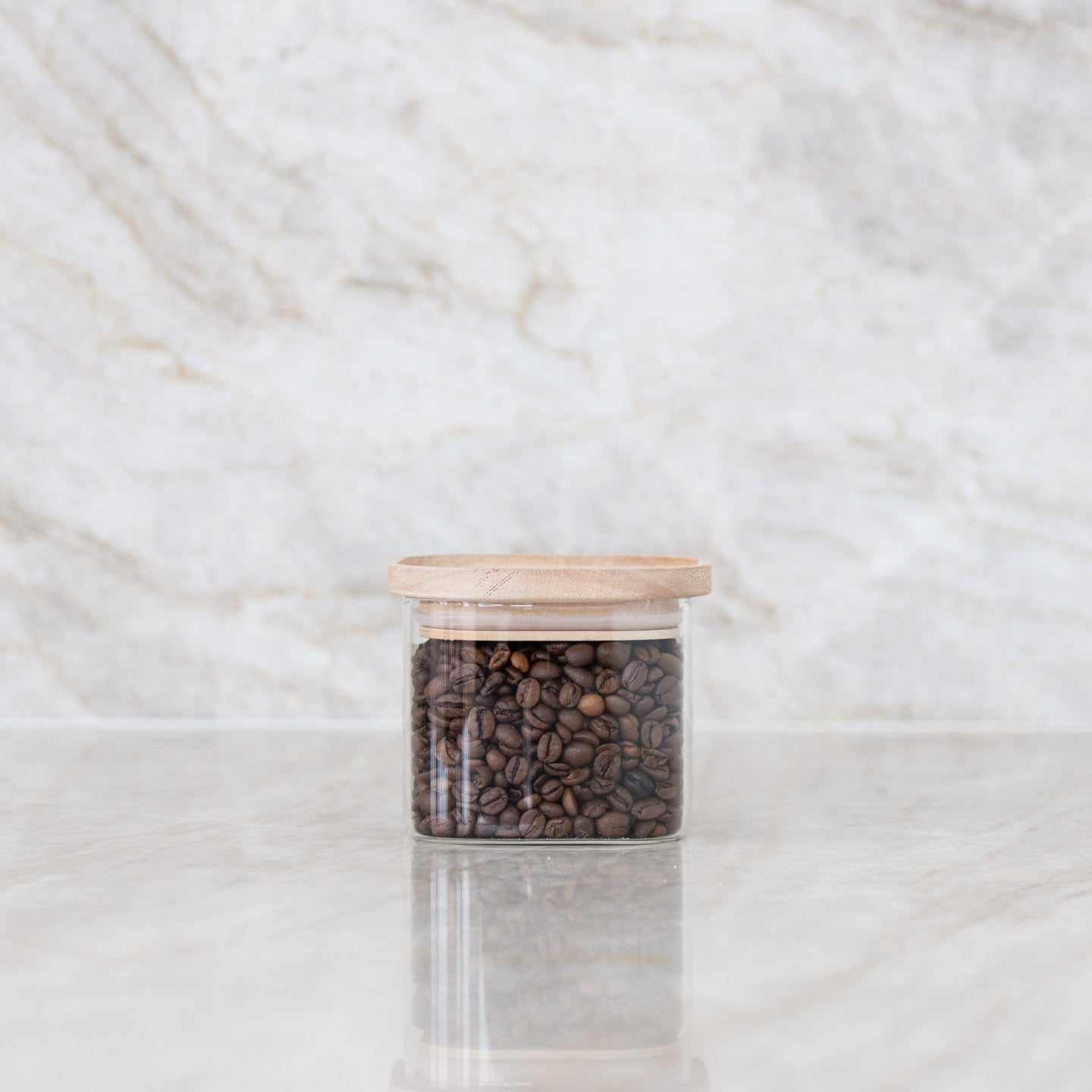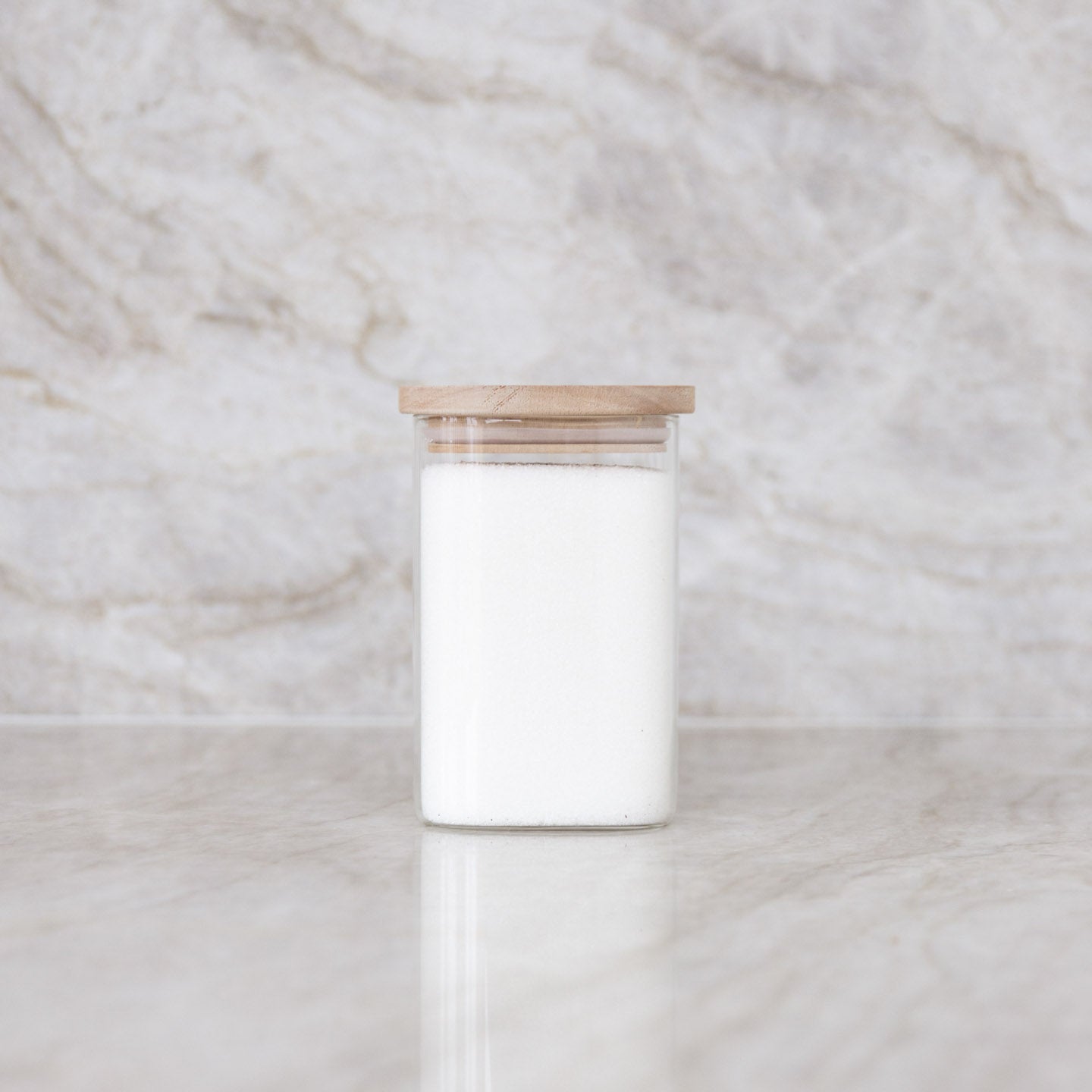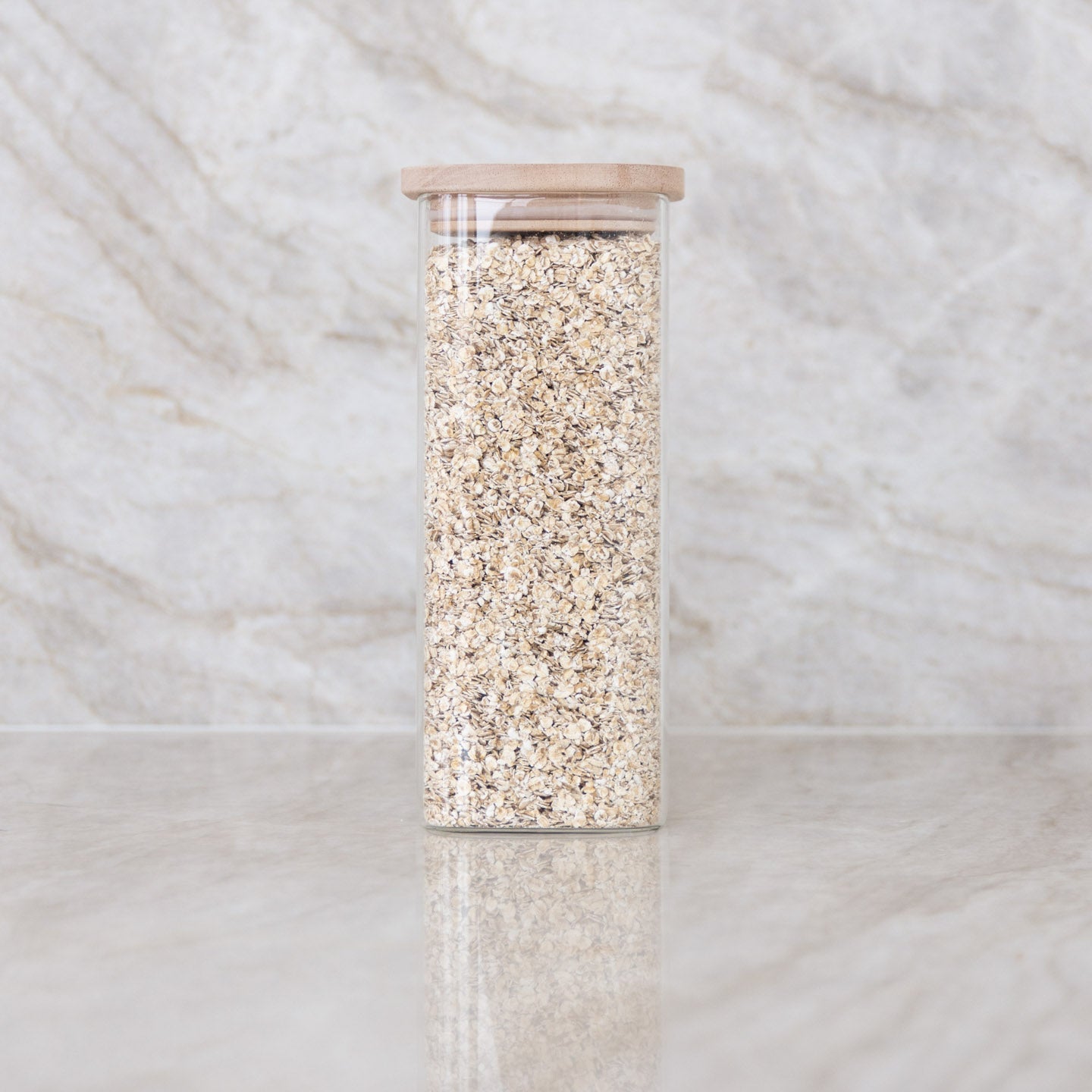

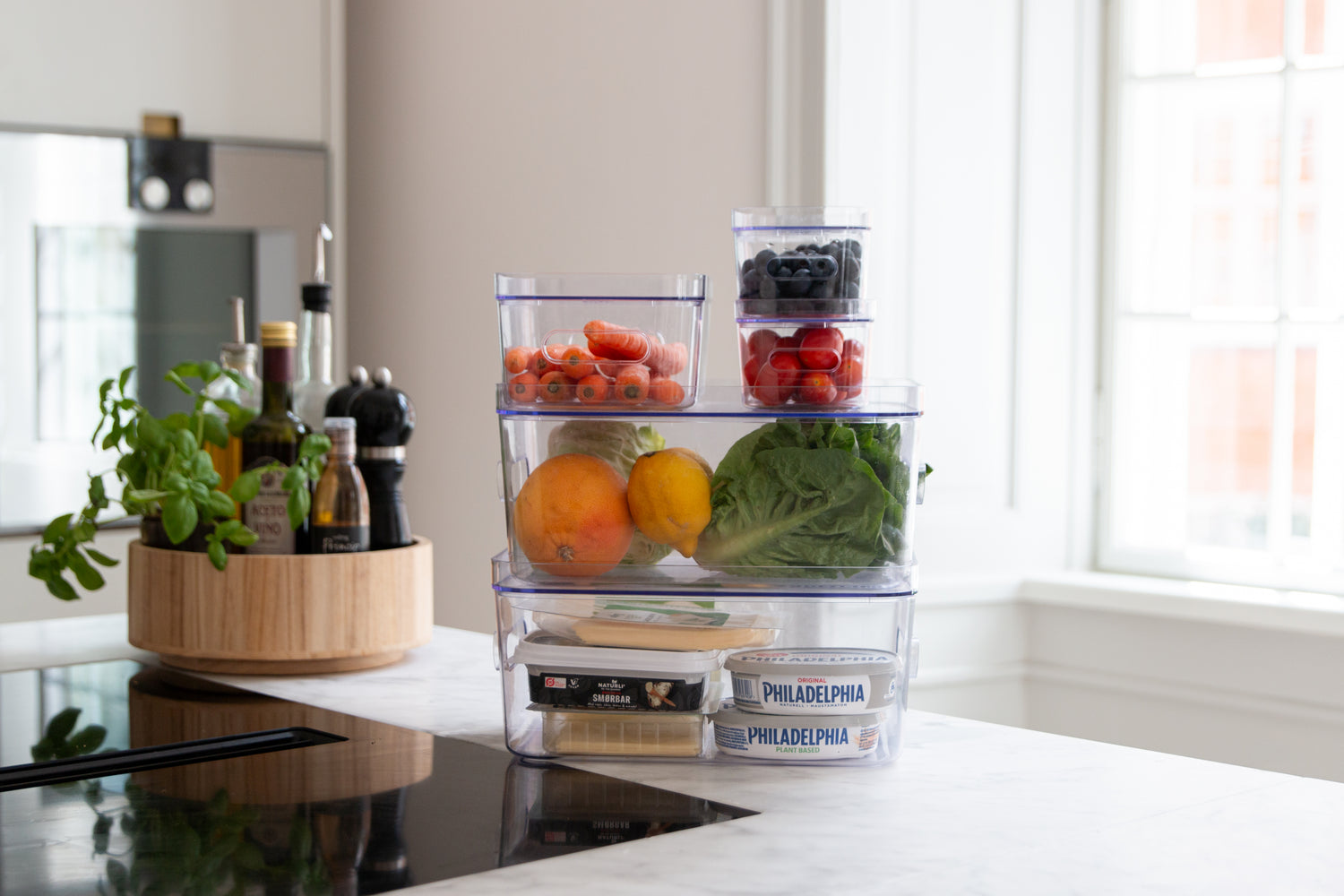
Food containers make it easy to create order in the kitchen and keep track of food items, whether in the fridge, freezer, or pantry. With clear categories and a few consistent sizes, everyday life becomes easier. Choose boxes that fit your routines, making it quick to put things away after grocery shopping and just as easy to find them again. Think in zones - for example, meals ready to grab, snacks gathered in one place, and dry goods in uniform containers for an overview and a harmonious look.
Glass Food Storage Containers
Glass is ideal for leftovers, lunch, and pre-prepared meals. You can see the contents immediately, and the material gives a tidy look in the fridge. A practical size for a single portion or side dish is the 800 ml square glass food storage container with a bamboo lid. Fill it with, for example, cooked rice, salad without dressing, or chopped vegetables. Use several identical sizes so they can be stacked neatly in both the fridge and freezer.
Refrigerator Bins for Food
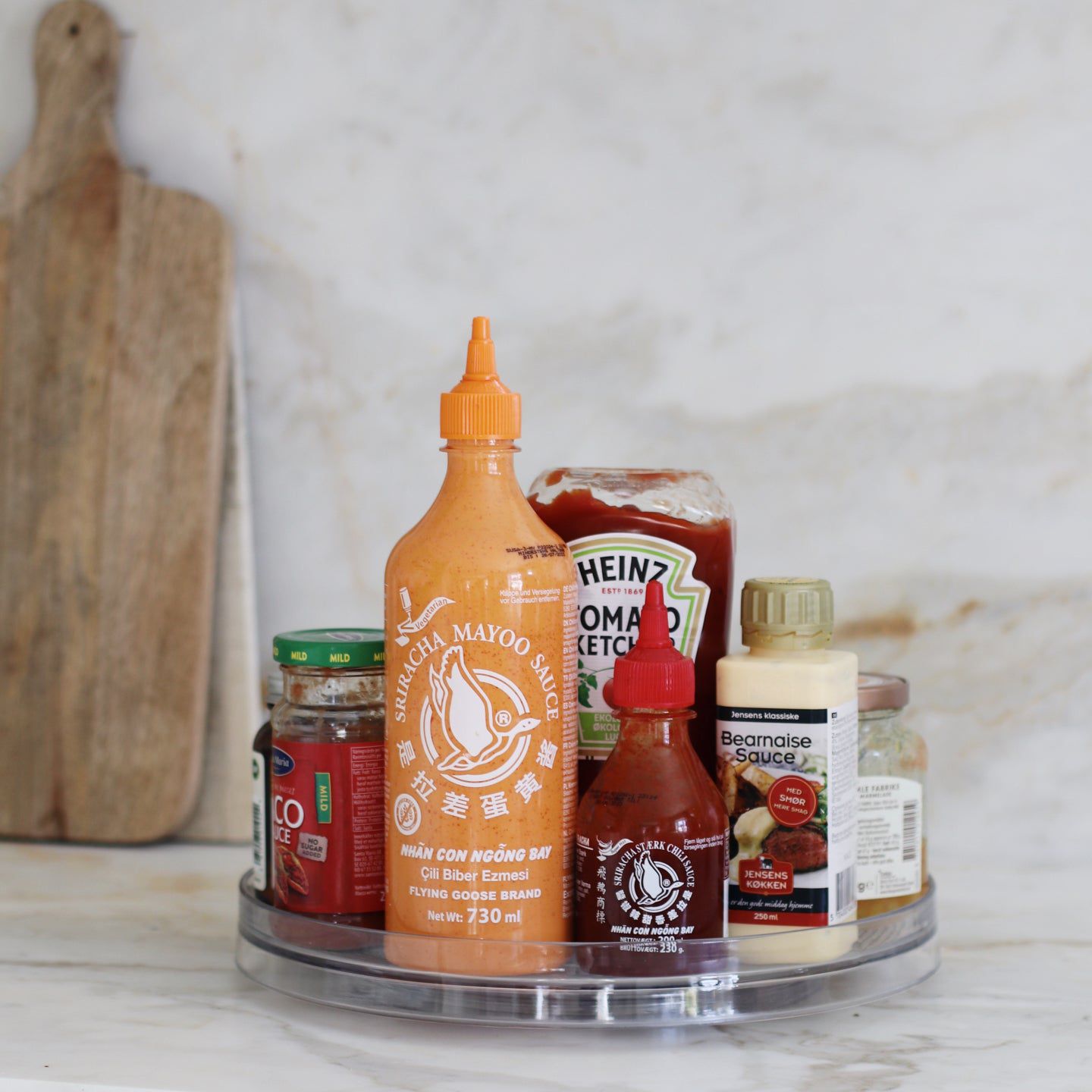
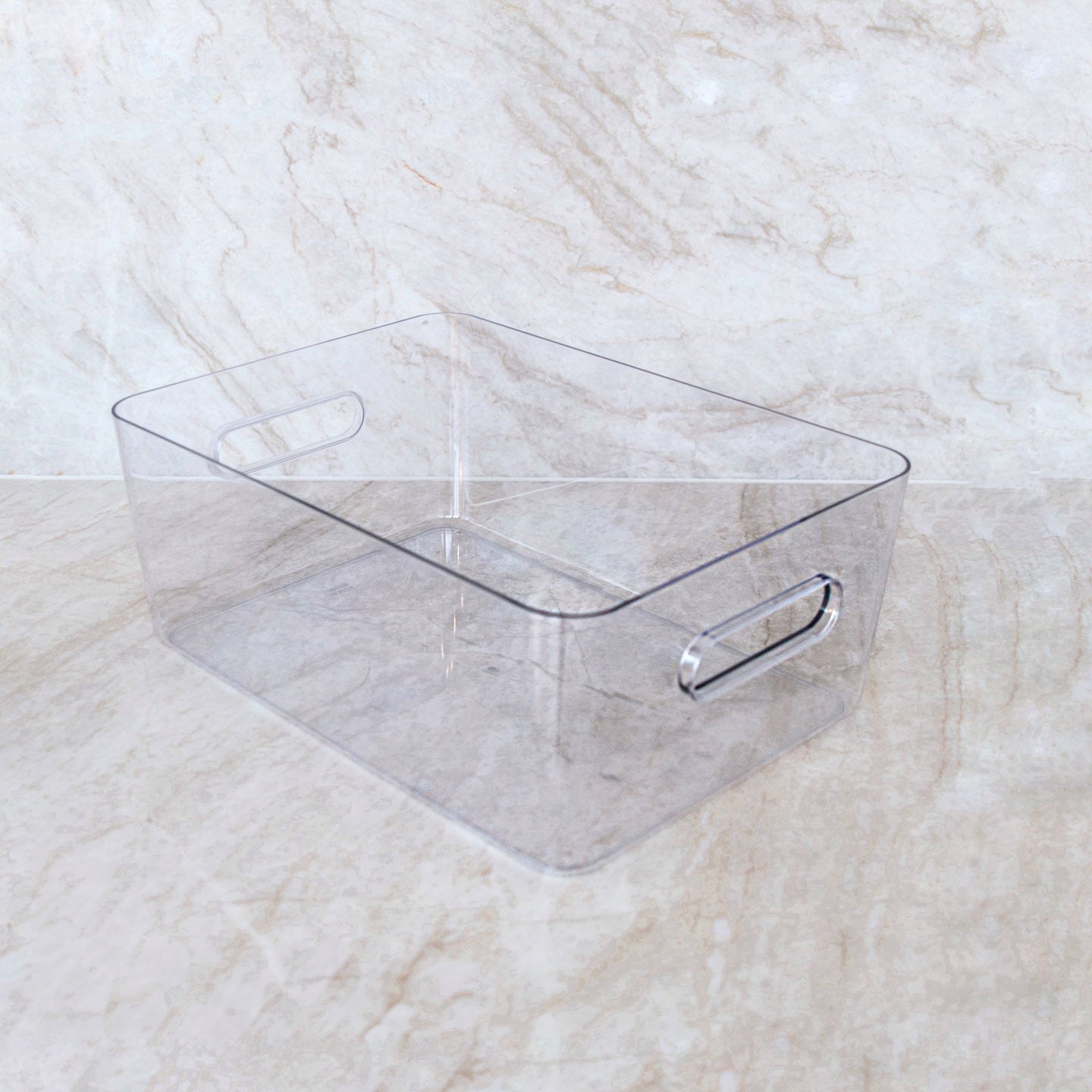
Refrigerator bins help you group related food items so you can quickly pull out the bin, get an overview, and put it back in place. Choose bins with lids, close each bin with its lid, and stack them on top of each other to utilize the height in the fridge. A practical example is the refrigerator bin XS, which is good for small items that otherwise create clutter - such as berries in punnets, small snacks, and cold cuts in smaller packages. Medium bins are suitable for dairy products, open jars, and larger fruits and vegetables. Place the bins on shelves, not in the door, so they utilize depth and create fixed zones. Refrigerator bins can be used in both the fridge and freezer.
Suggestions for Shelf Division
Divide according to daily needs, so the family always knows where things are. For example, keep one bin for lunch ingredients, one for breakfast, and one for quick snacks. When bins group categories, it becomes easier to put groceries away after shopping and maintain a clean, calm look.
Storage Containers for Dry Goods
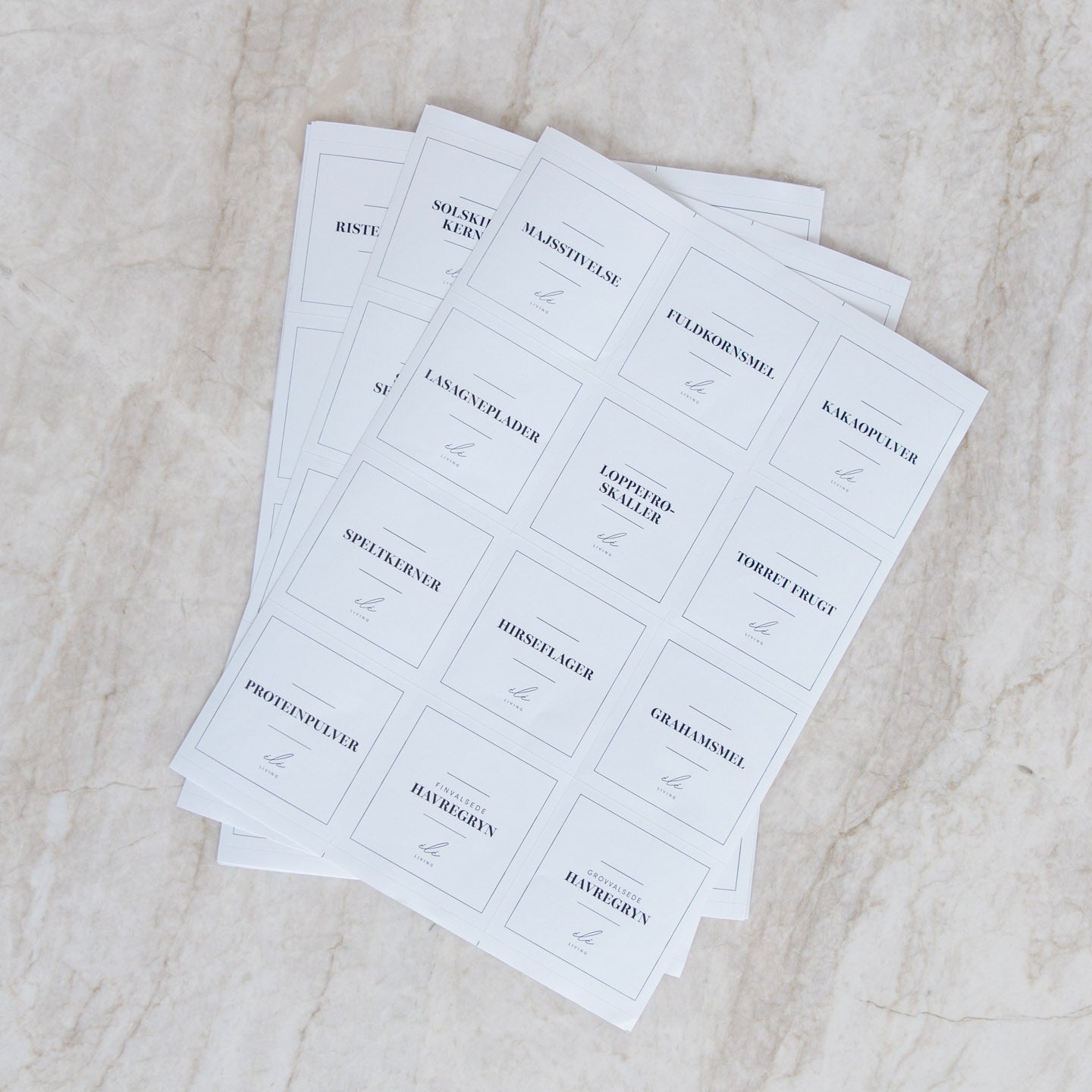
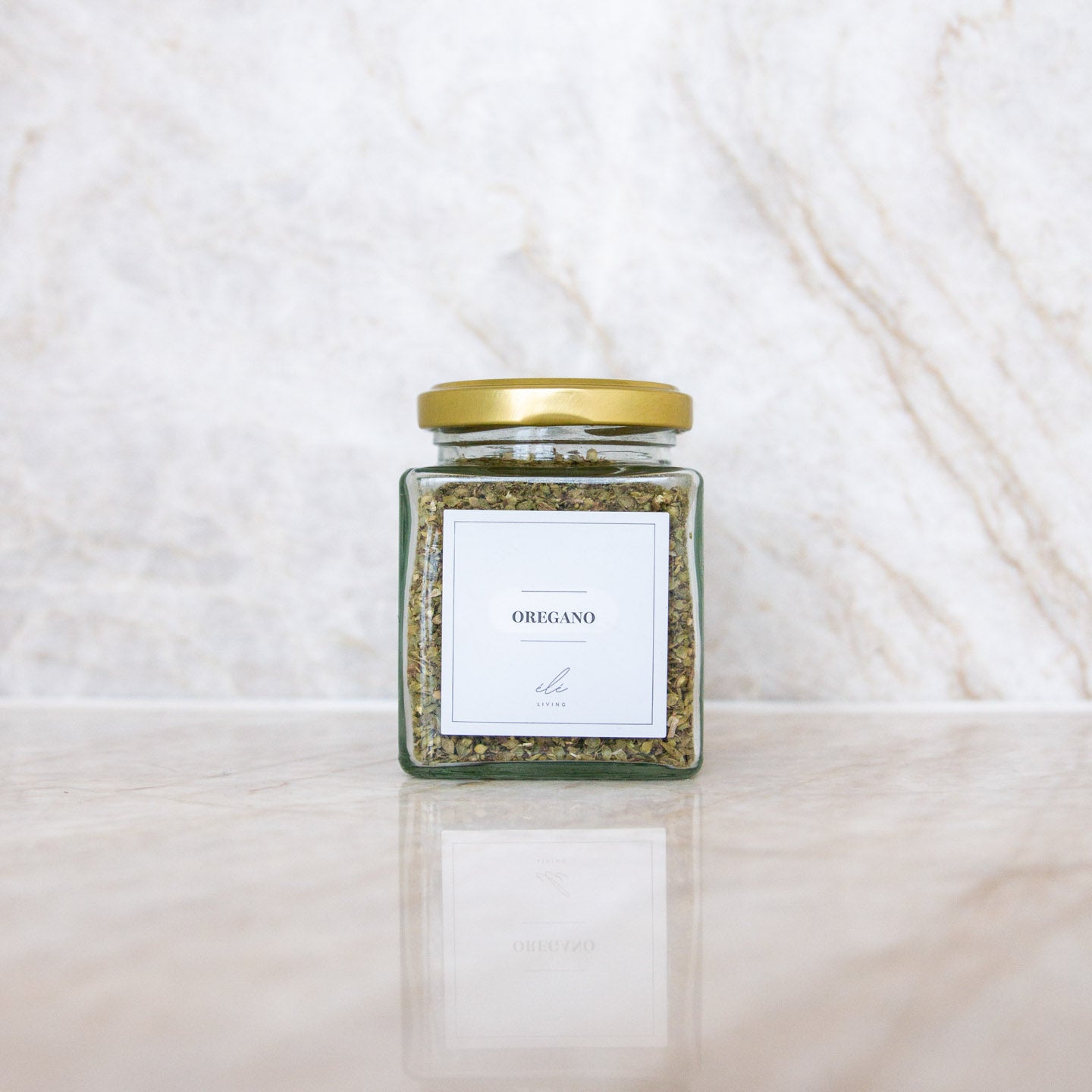
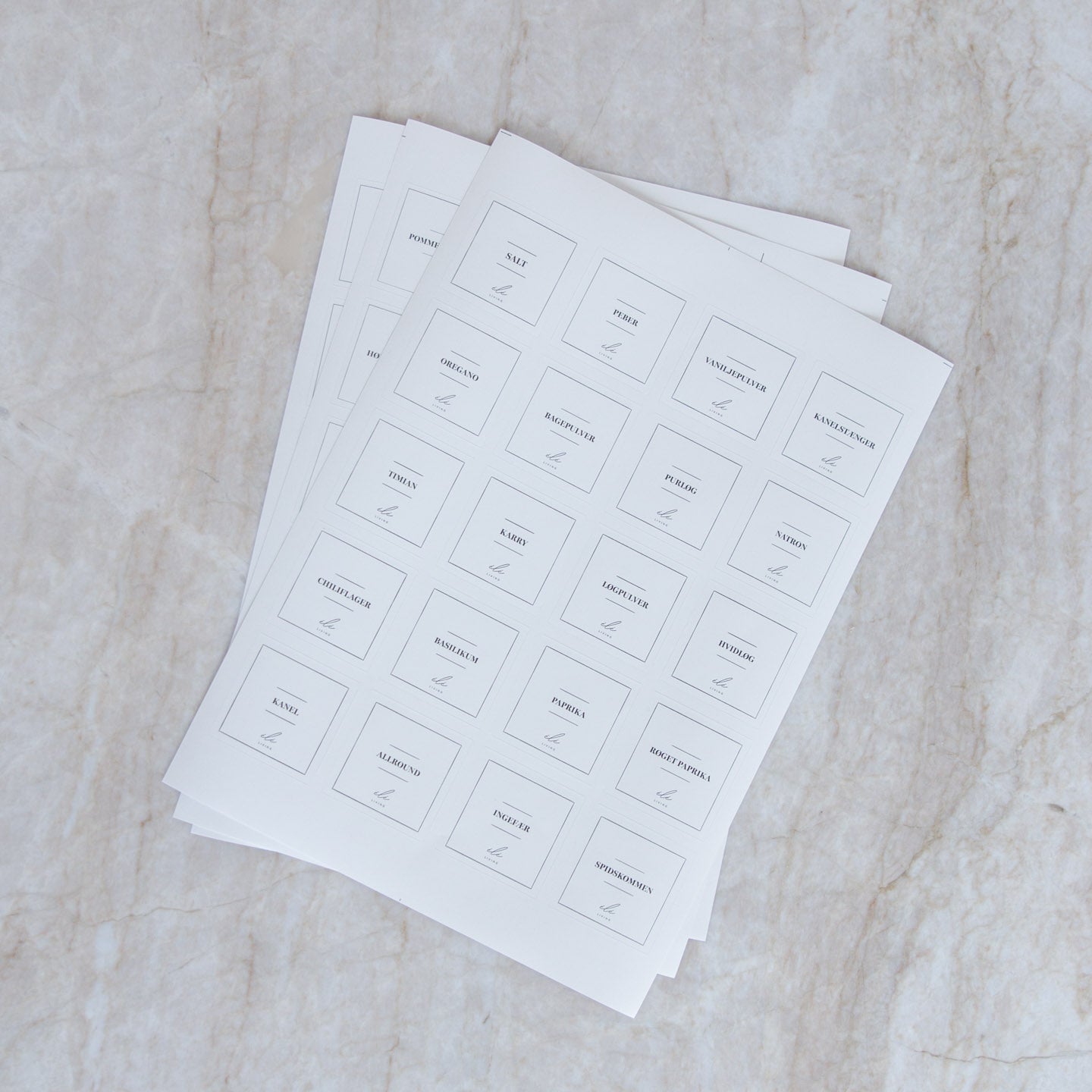
Simple, stackable storage containers bring calm to the cupboard and make it easy to see when you need to restock. A complete solution like the storage container package solution makes it easy to choose sizes that fit flour, rice, pasta, and oats. Supplement with 1800 ml square storage jar, which are good for keeping pests out of dry zones. For clear categories, you can use labels for dry goods - such as Dry Goods Labels, Design 1 - on jars and containers. Stick to a few repeated sizes and refill from the back to maintain an overview.
Meal Prep and Portion Control
Food containers make it manageable to prepare meals for several days. Use fixed portions to avoid leftovers, and place ready-made containers on the same shelf in the fridge. Think in combinations that can be varied - for example, a base of grains or potatoes, vegetable side dishes, and a protein source. Glass containers are good when you want to see quantities clearly, and stacking makes the fridge tidier. You can also put a small container in the freezer with ready-made basic components such as cooked beans or chopped onions, so dinner can be made quickly.
Kitchen Organization with Containers
Start simple and build the system around your habits. Place the containers to suit your family's routines - for example, snacks at eye level, packed lunches gathered in one place, and dry goods in uniform containers on the shelves you use most. Stick to a few repeated sizes and put lids on for a calm look. When everything has a fixed place, tidying up becomes simpler, and you avoid buying duplicates.
How to Get Started
- Choose 1-2 series: One for the fridge and one for dry goods.
- Create zones: Gather related food items in their own container or bin.
- Measure your shelves: Go for sizes that can be stacked without wasted space.
- Make it visible: Use clear containers or jars so you can see the contents immediately.
- Keep at it: Refill from the back to maintain a consistent flow and easy daily life.