
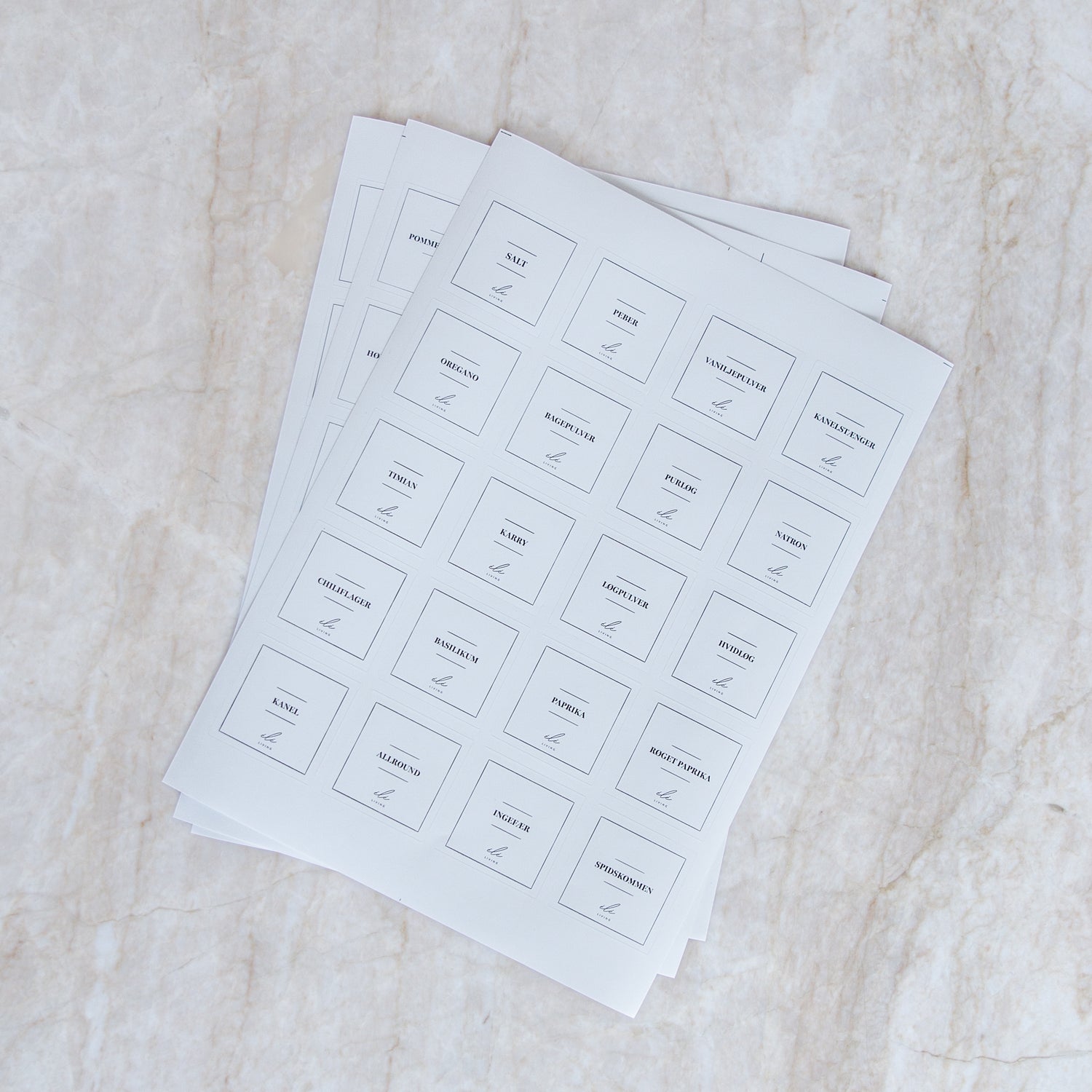
Spice labels make it quick to find what you use most and give your kitchen a calm look. By naming your jars consistently and placing them logically, you save time cooking and avoid duplicate purchases. Here's a simple guide on how to choose labels, match them with spice jars, and build a system that lasts.
Spice jars that match your labels
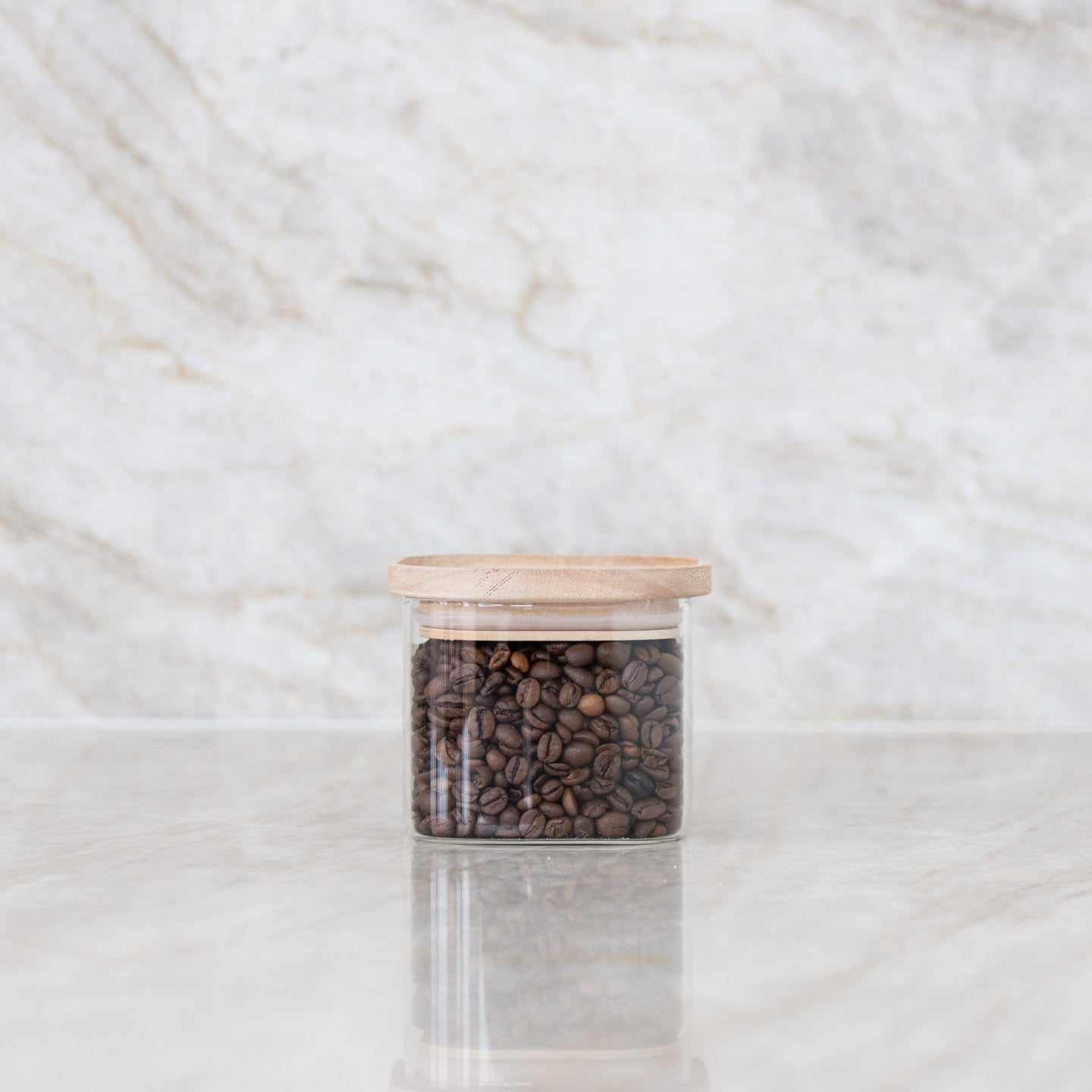
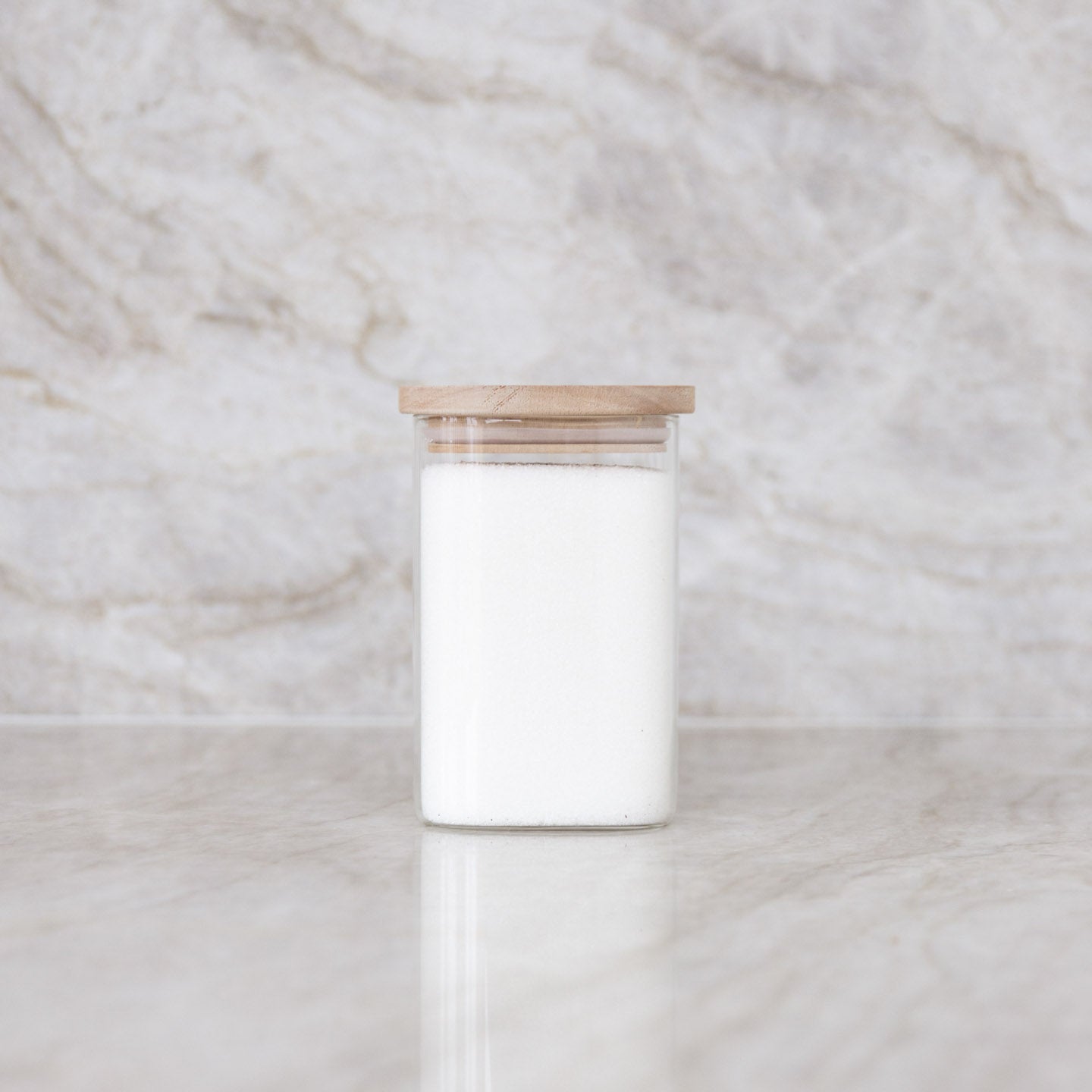
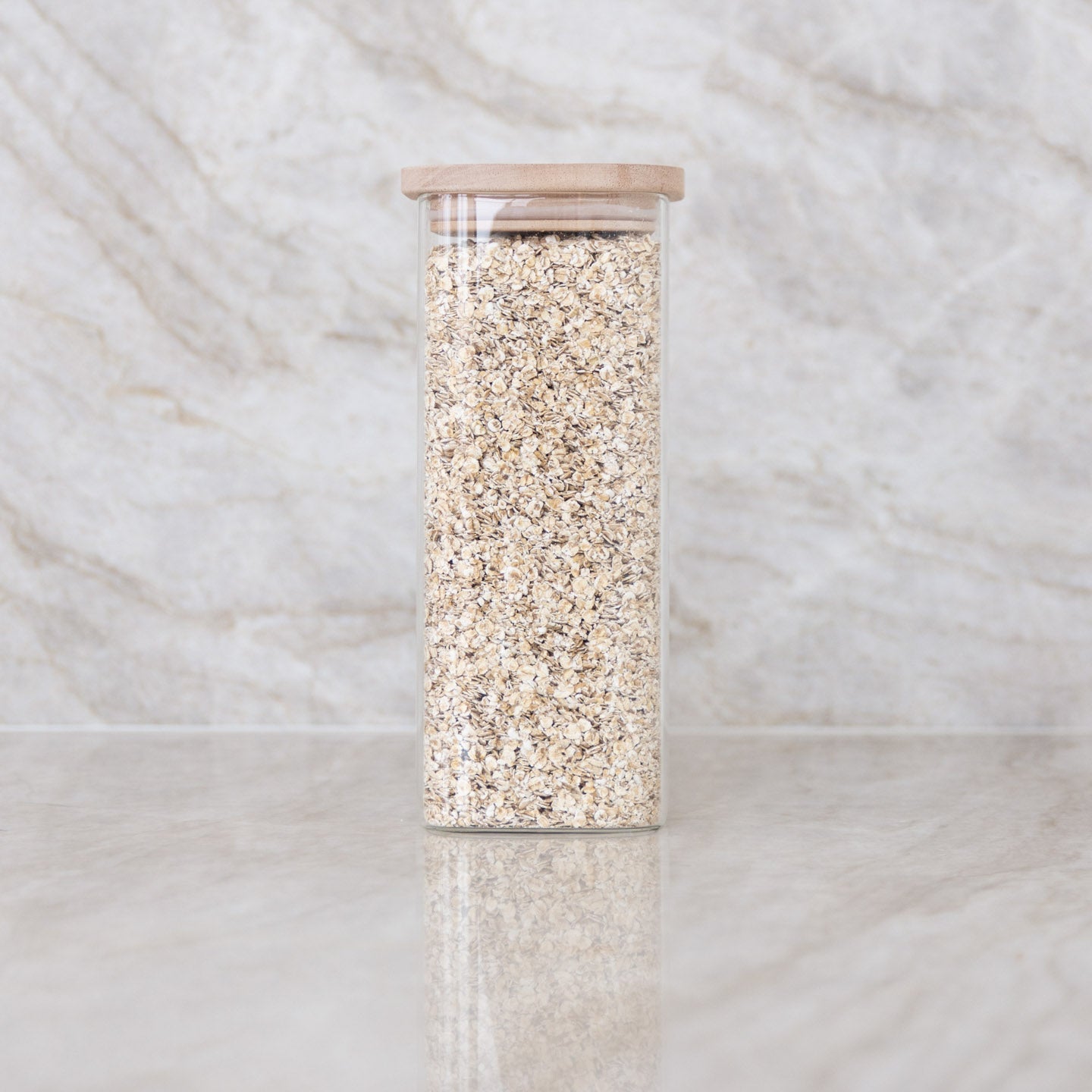
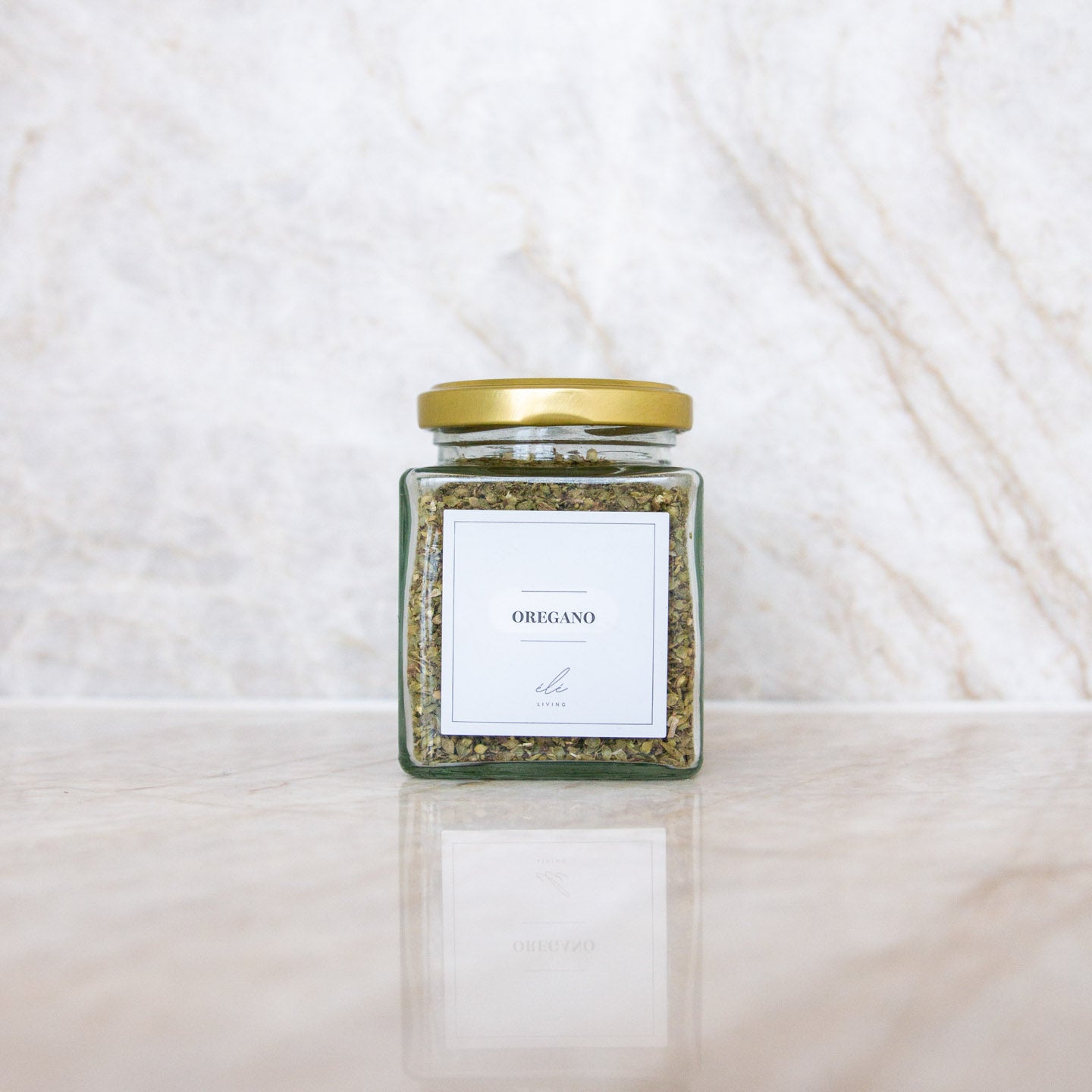
Start with uniform spice jars. Consistent heights and matching lids make it easy to scan labels on a shelf or in a drawer. Fill the jars with the spices you actually use, and keep the number down so everything has a fixed place. When you run out, simply refill the same jar. This maintains an overview and reduces clutter from moving bags.
How to choose the size
- Choose a size that matches your consumption so you don't have many half-empty jars.
- If you have a few special spices, a couple of smaller jars can be placed at the back, while everyday favorites are at the front.
- Stick to 1-2 jar sizes. This makes the labels easier to read in a row.
Ready-made labels for spices
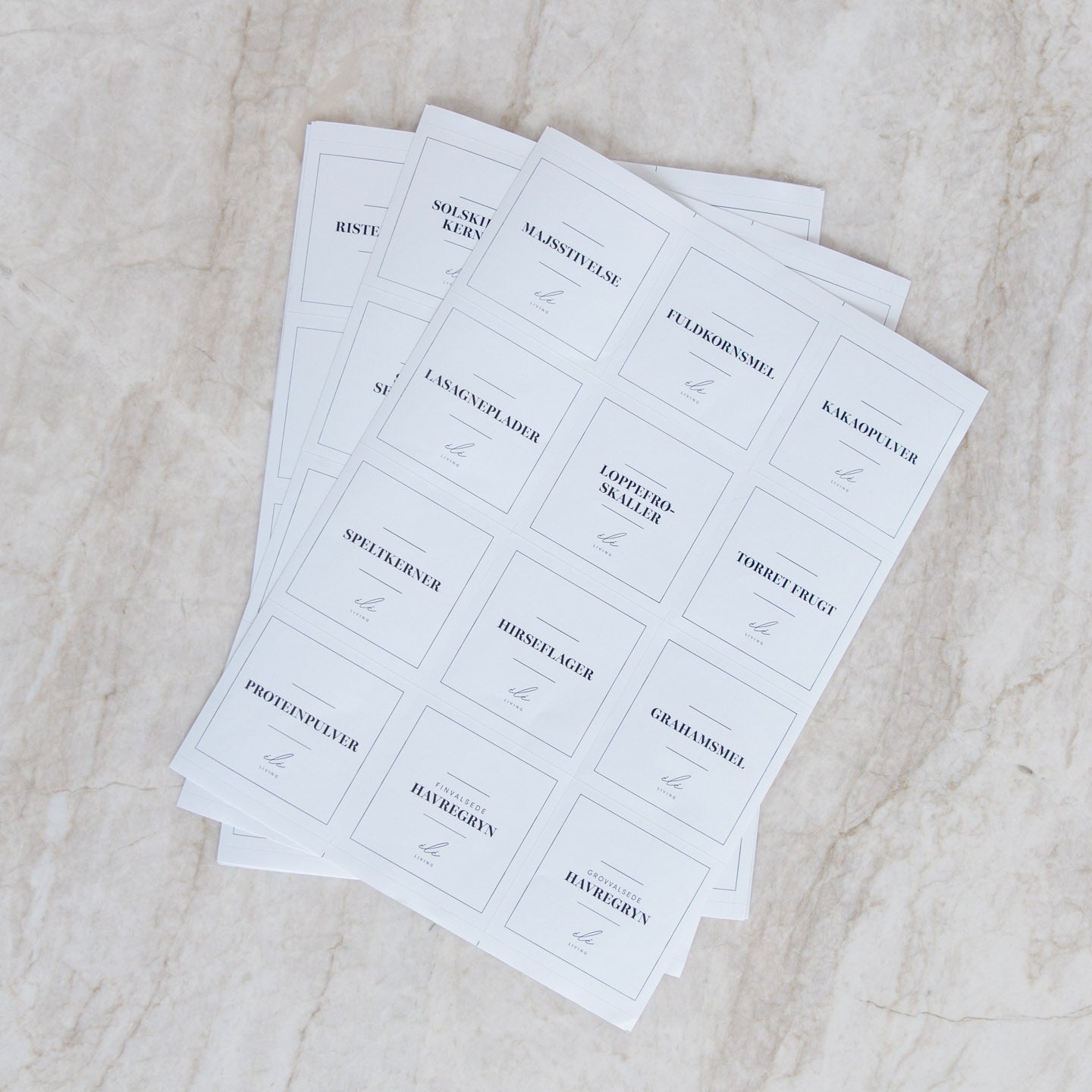
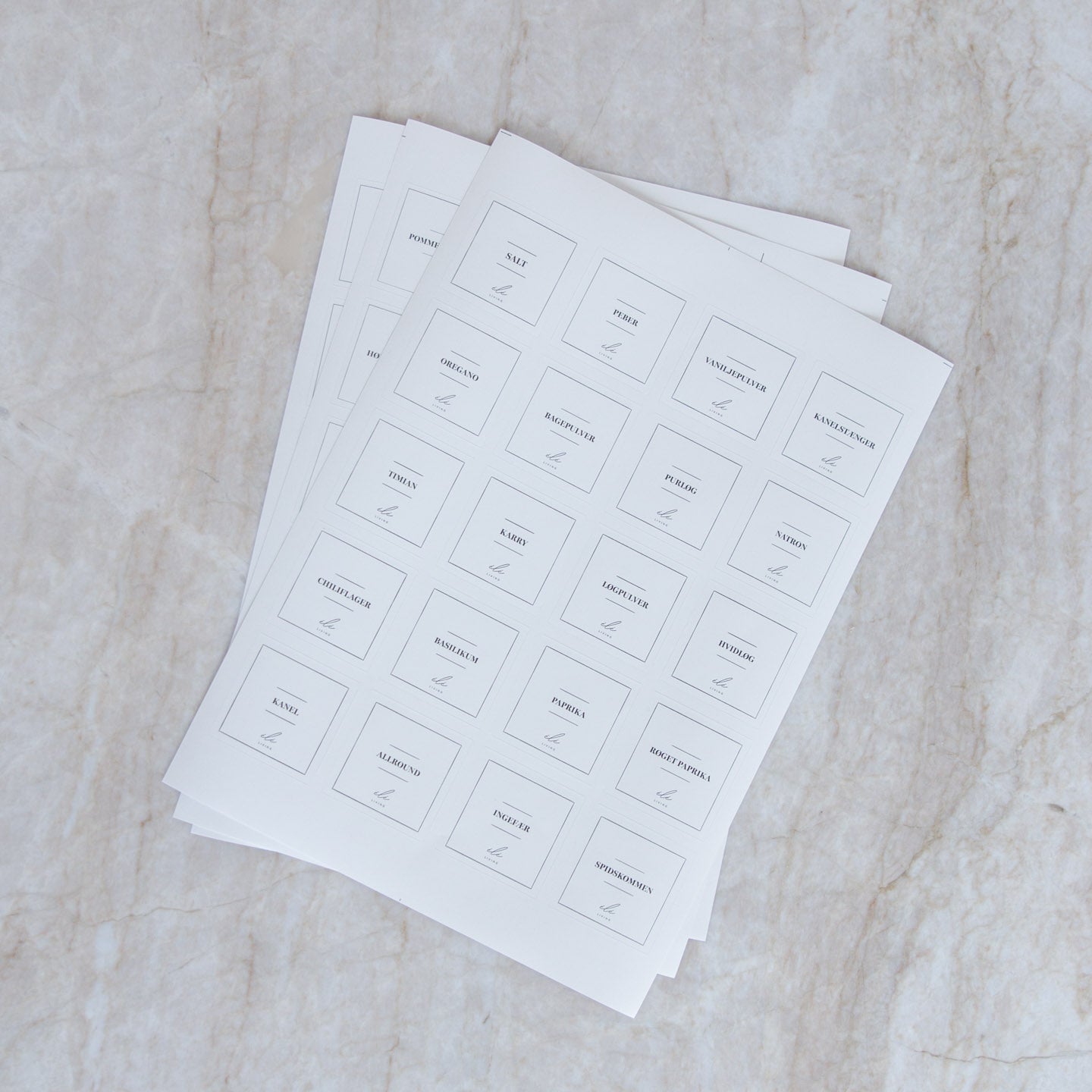
Ready-made labels make it easy to create a consistent look without extra work. The sets cover typical spices, so you can quickly label your jars. Place the label at the same height on all jars for a calm, easy-to-read result. Work in small batches - for example, your 10 most used spices first - and build from there.
Placement and readability
Place labels on the front so they can be read from the angle you usually look from. In drawers, this means the top or front depending on the insert. On a shelf, the label should face completely forward. Keep a couple of empty labels from the same set ready, should you ever add a rare variety.
System in the spice cabinet
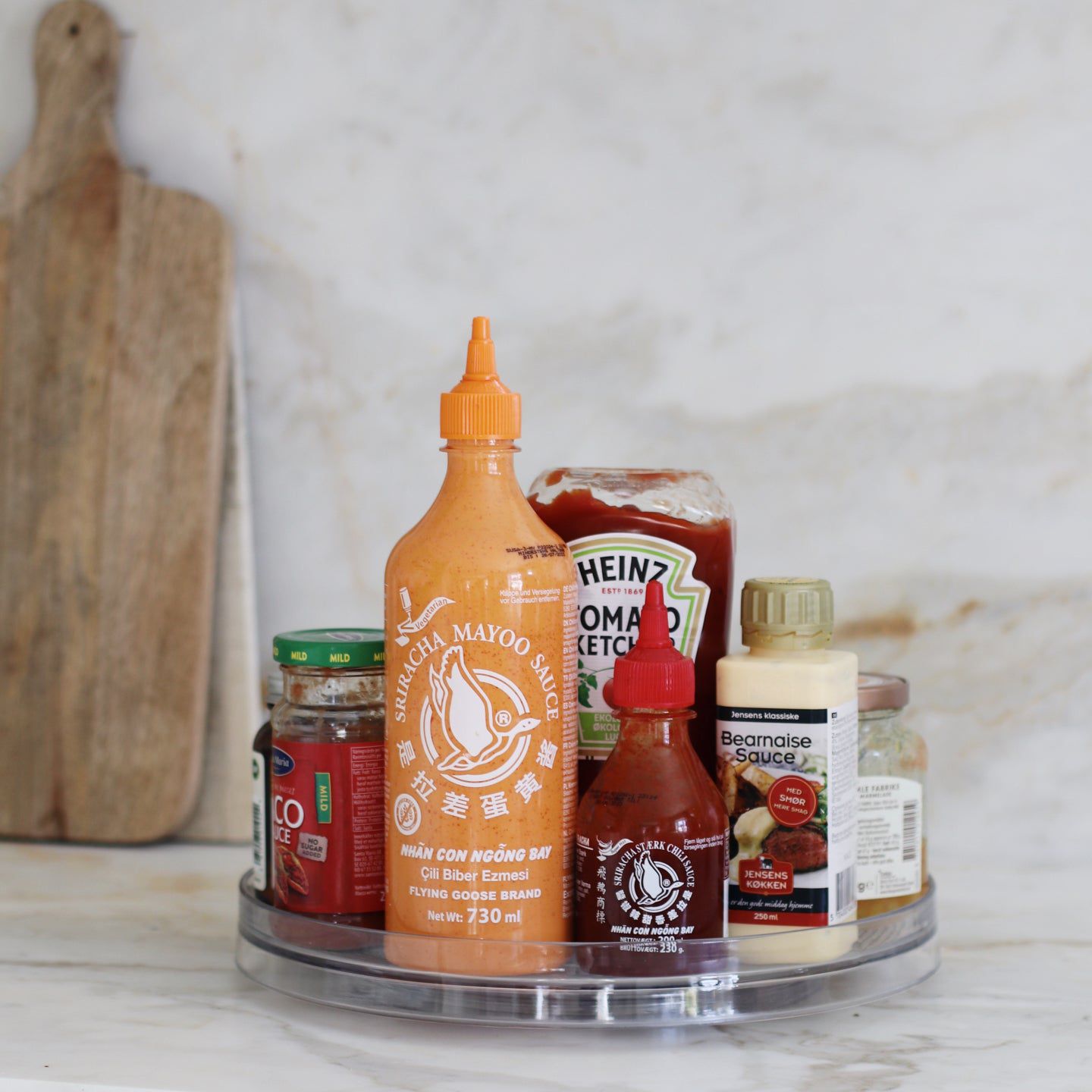
A well-thought-out system makes everyday life easier. Keep your everyday spices together at the front. At the back, you can have mixtures that are used less frequently. A rotating turntable on a shelf collects jars in a tight circle, allowing you to access the back jars without moving others. If you have many small jars, two rows can work well: everyday jars in front and special flavors behind.
Method that suits you
Choose one method and stick to it:
- Alphabetical, if you have many different spices.
- By use, if you cook the same dishes often.
- By food type, for example baking, grilling, or basic.
Maintenance without hassle
Labels last longest when left undisturbed. Refill the same jars and avoid moving the labels between containers. When a jar is empty, shake it clean of residue, refill, and return it to its place. Review the entire collection a couple of times a year and remove duplicates that are not being used.
Easy to get started with a complete solution
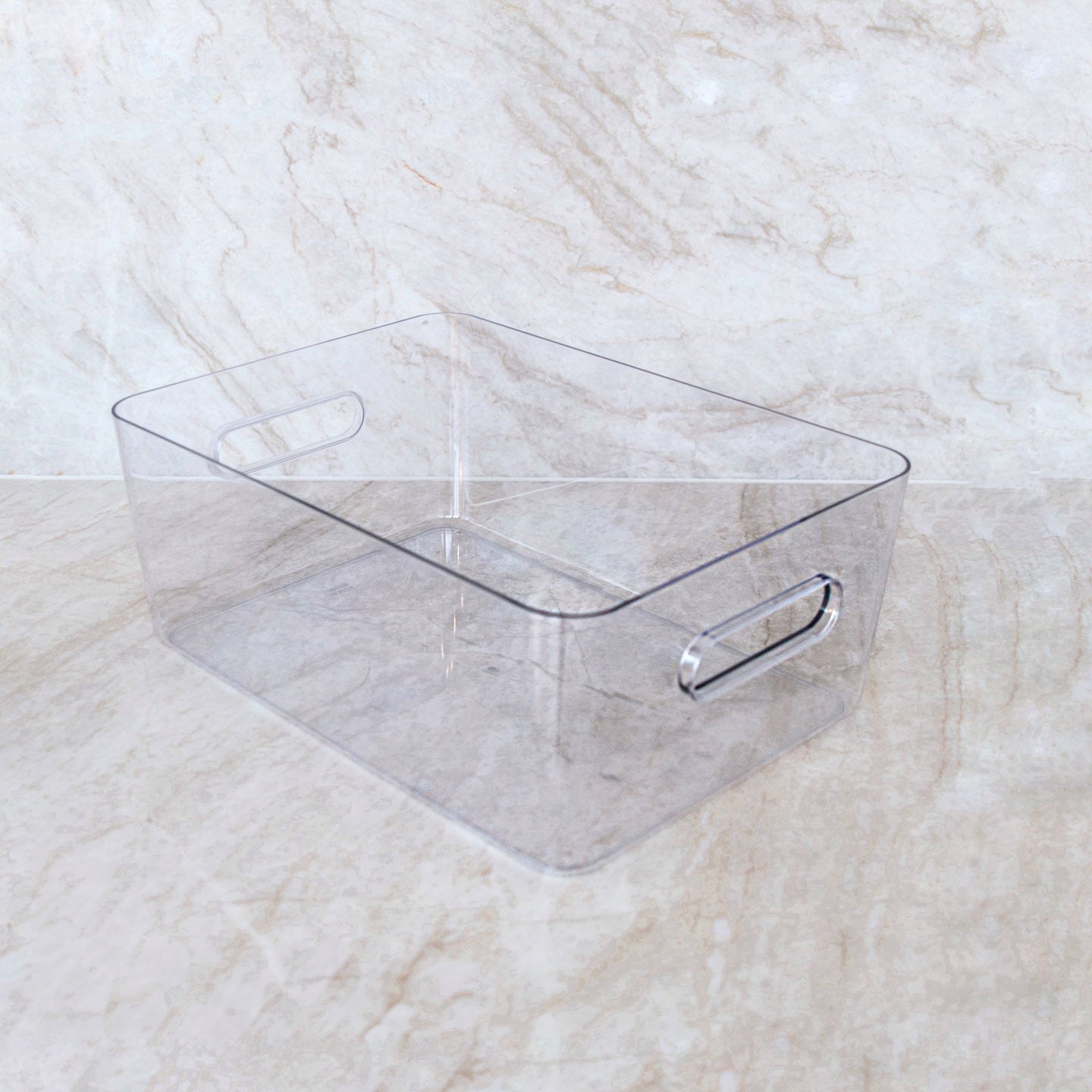
If you want to achieve your goal quickly, you can choose package solutions with selected jars and accessories. This saves time on measuring and matching, and you can focus on building a simple system that fits your kitchen routine.
Checklist - how to introduce spice labels step by step
- Empty and sort: Lay everything out on the table and discard unused duplicates.
- Choose jars: Stick to uniform spice jars in 1-2 sizes.
- Apply labels: Place all labels at the same height and orientation.
- Categorize by method: Alphabetical or by use - choose one.
- Fixed placement: Everyday spices at the front, special varieties at the back or on a turntable.
With a few consistent choices, you'll get an organized spice cabinet where labels and jars work together. This provides visual calm, faster cooking, and a system that's easy to maintain.