
When kitchen cabinets are easy to use, everyday life feels calmer. Good organization is about grouping related food items, utilizing the height of the cabinet, and choosing a few repetitive solutions so that you always have an overview. Think in zones: cooking near the stove, baking gathered in one place, and morning routines on a shelf of their own. With a few well-thought-out choices, you create both harmony and functionality - precisely the approach élé living stands for: aesthetics and overview without cluttering the home.
Kitchen cabinet organization
Start by completely emptying the cabinet, discarding expired items, and grouping the rest by use: cooking accessories, baking, breakfast, and snacks. Place what you use often at grabbing height. Store less frequently used items higher up. Stick to consistent materials and colors for a calm expression - for example, glass and wood. If you need a quick start, a complete set like Must Have Kitchen Kit can be a shortcut to a structured base in cabinets and drawers.
Spice rack and turntable in the cabinet
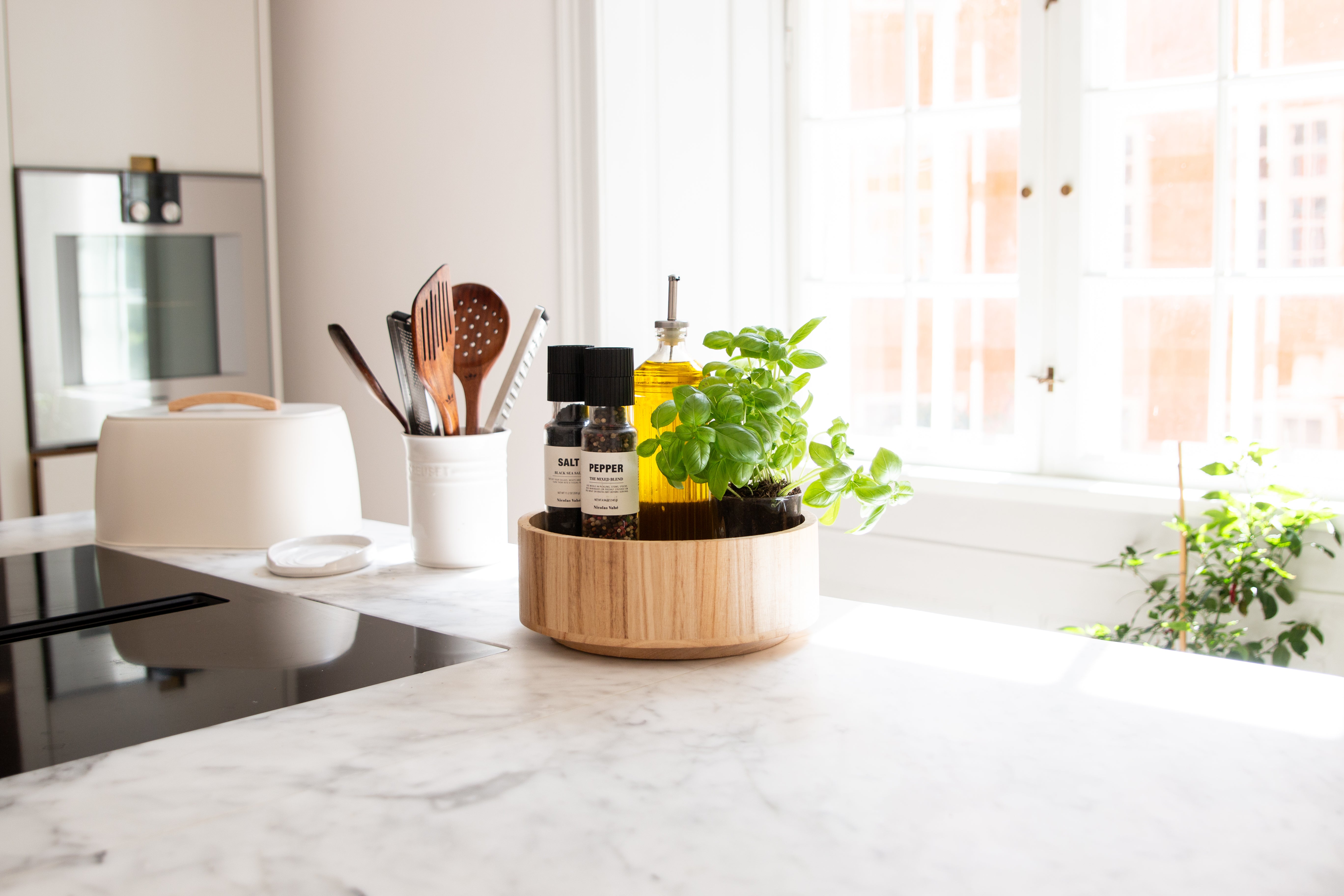
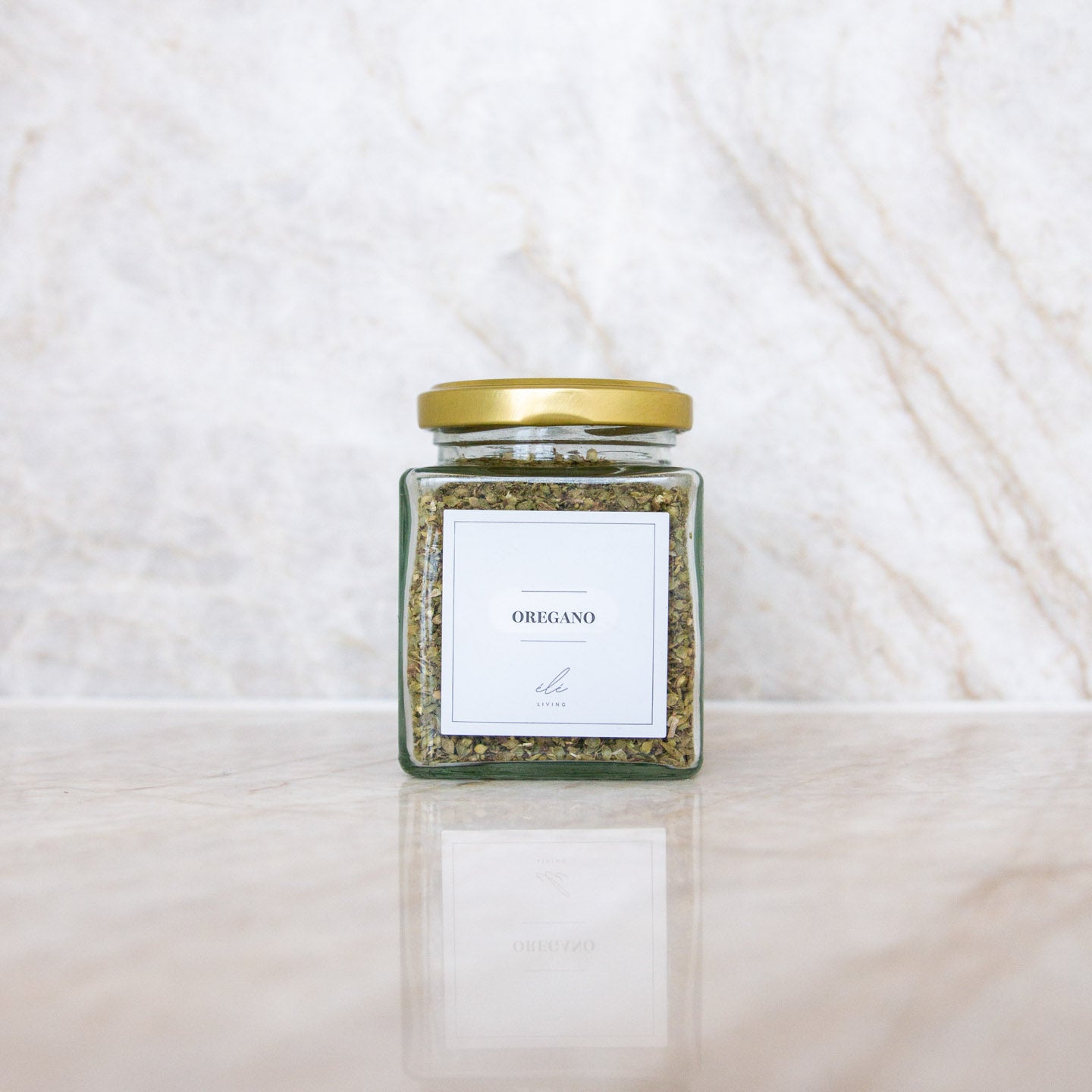
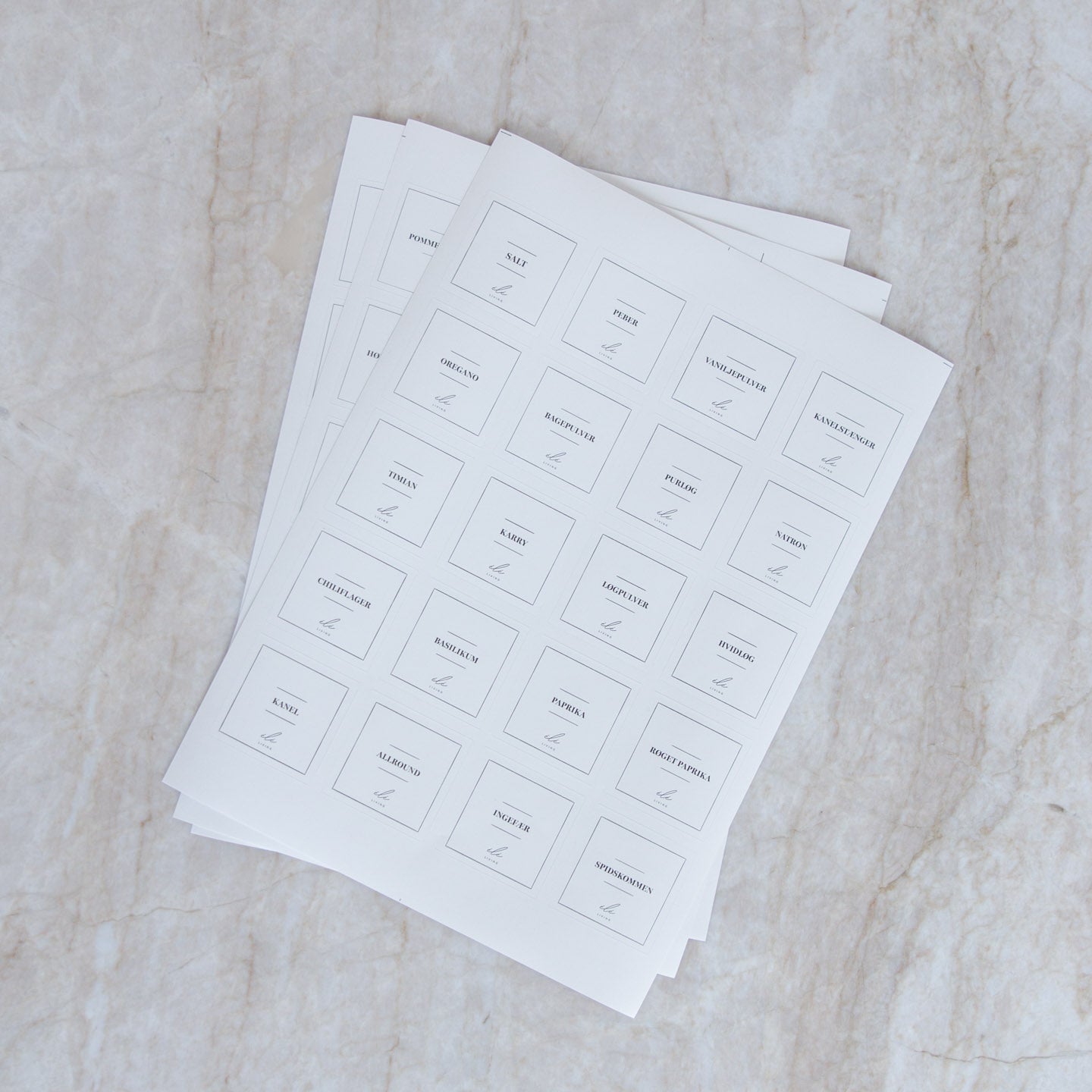
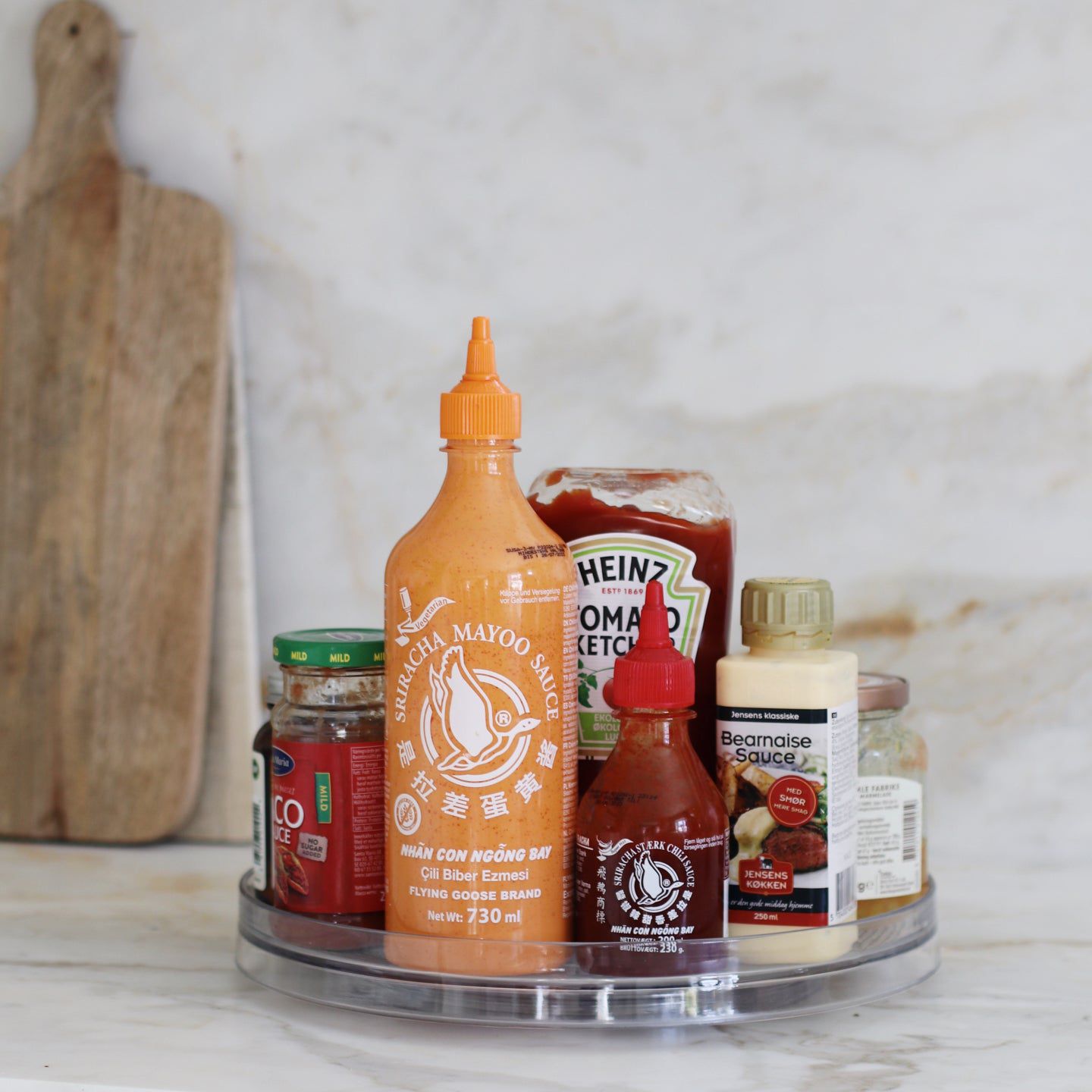
Spices and small bottles easily get lost at the back of the cabinet. A turntable makes them accessible with a single spin. Choose a stable turntable in natural material for a calm look, e.g., wooden turntable with high edge. Match with uniform spice jars for a better overview and easy refilling - spice jars with black lid make it easy to maintain consistency throughout the cabinet.
How to organize your spices
- Choose what goes on the turntable
- Bottles: oil, vinegar, and soy sauce.
- Spices: the 10-15 you use weekly.
- Toppings: seeds, salt flakes, and pepper.
Place the turntable close to the stove or workbench, so it naturally becomes part of your cooking routine.
Storage jars for dry goods in cabinets
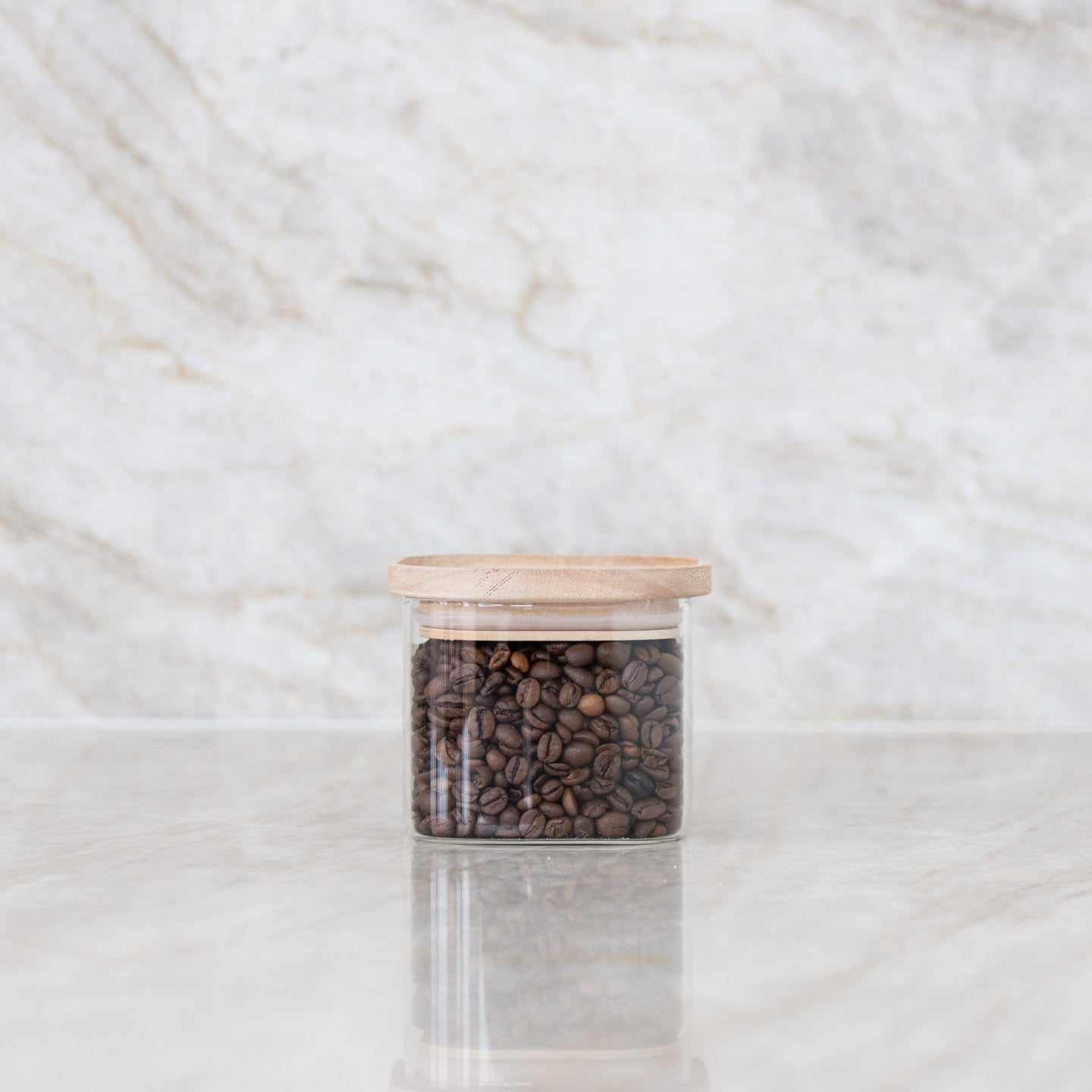
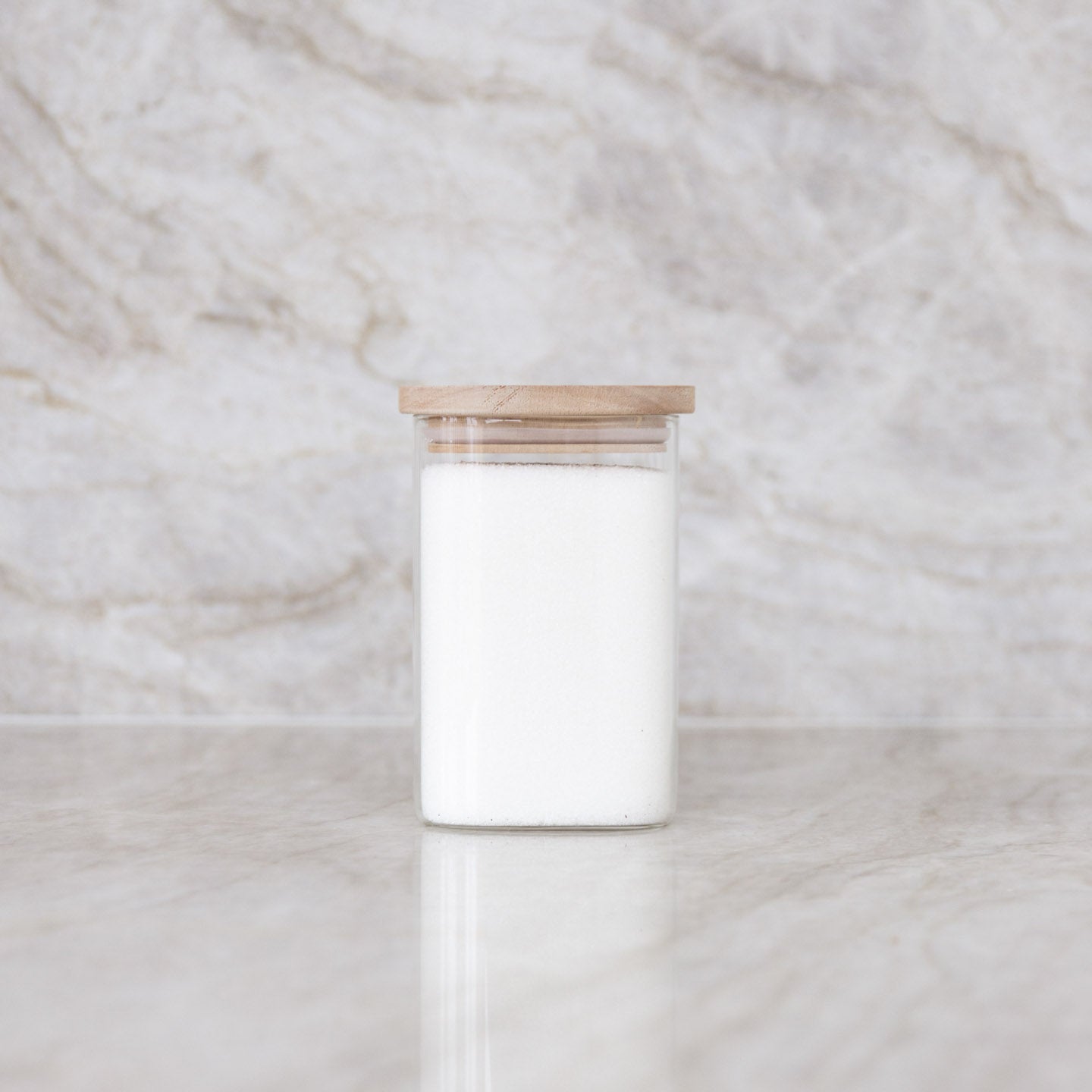
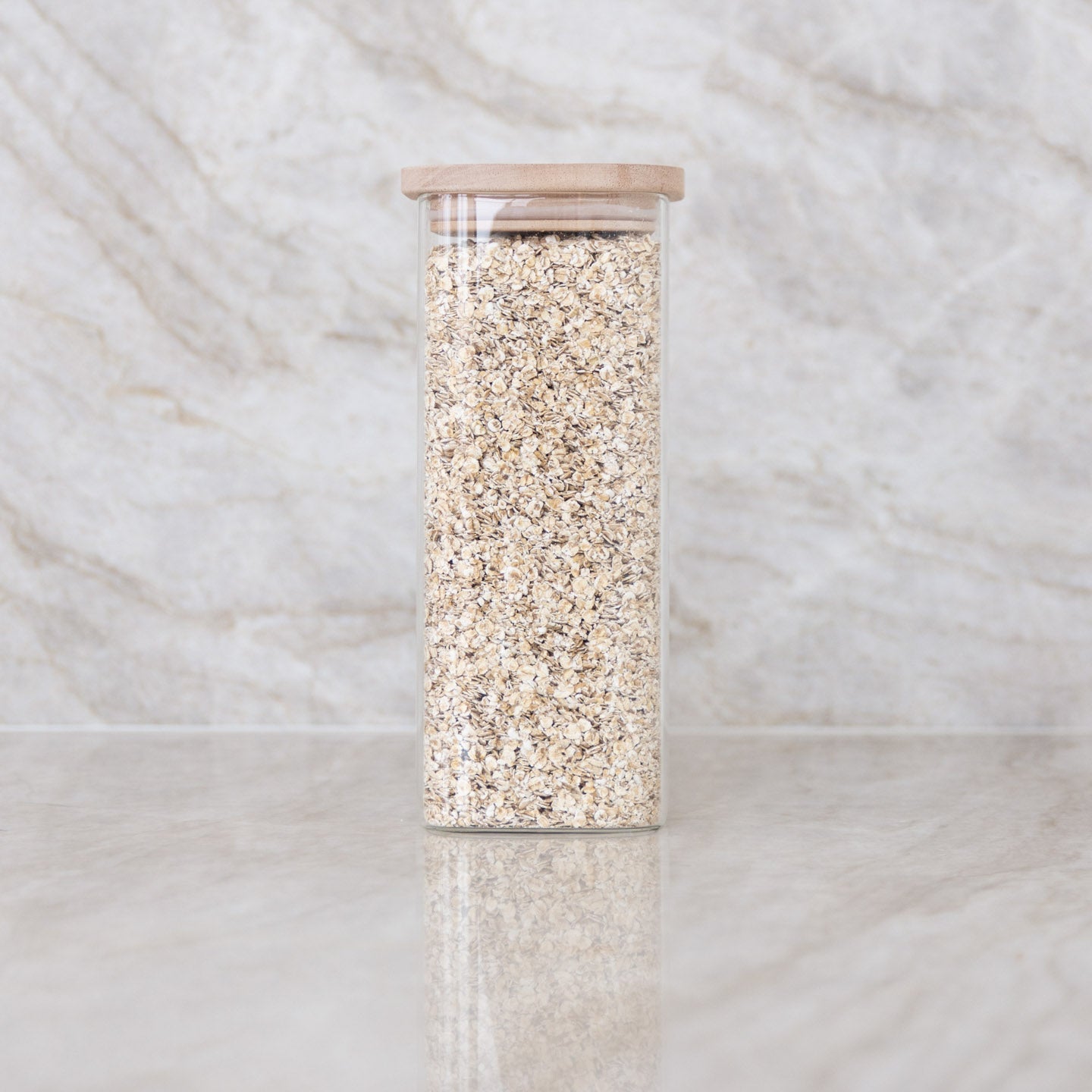
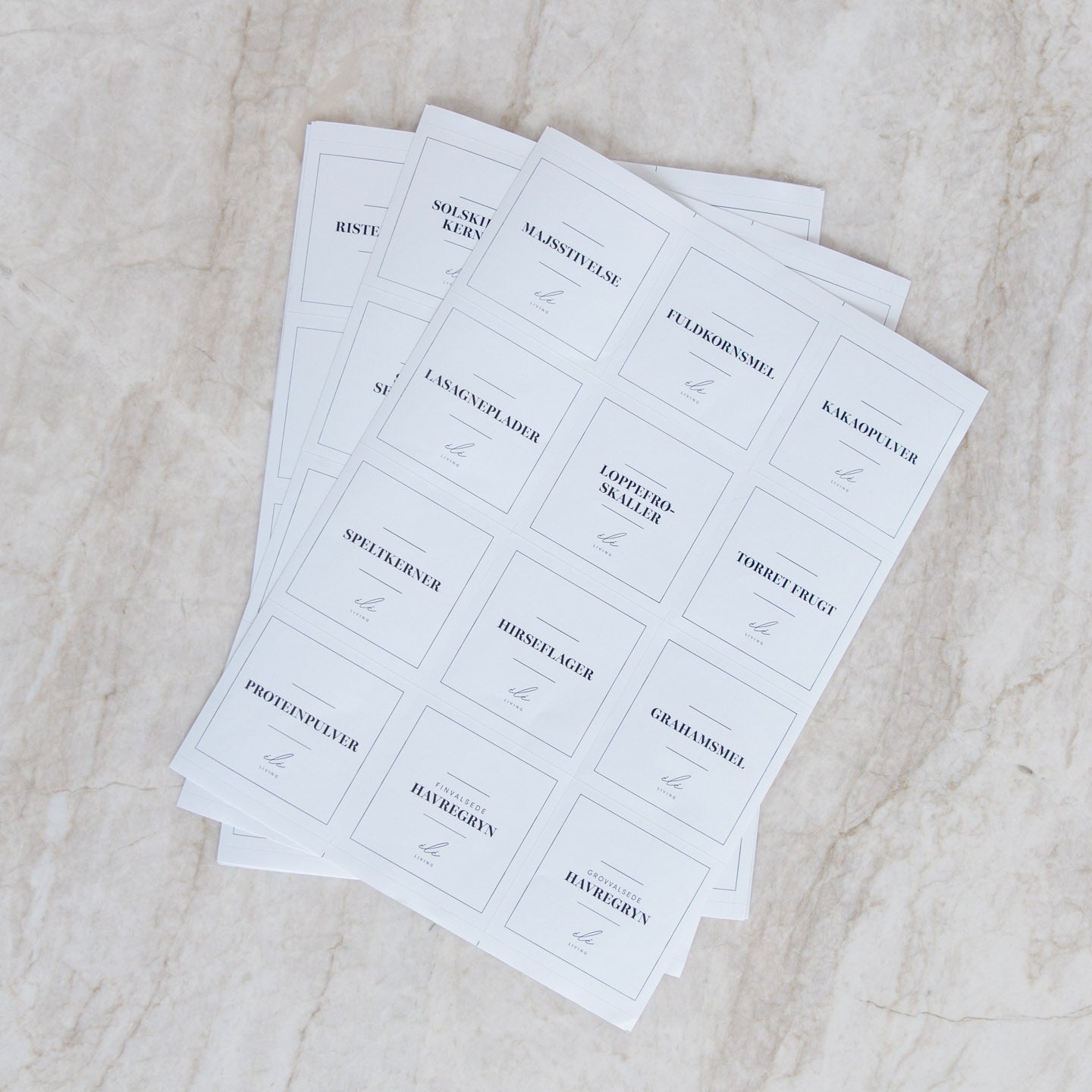
Consider transparent jars for flour, pasta, rice, and oatmeal. This provides visual calm and makes it easy to see when you need to refill. Square shapes efficiently utilize shelf space, e.g., square storage jar 1800 ml dark. The glass provides a good overview and can help keep pests out. For consistent order, you can add pre-made labels for dry goods, e.g., Labels for dry goods - design 1, so each shelf can be quickly identified.
Place by weight and use
Place the heaviest jars at the bottom and what you refill often at the front. Group baking items together: flour, sugar, baking powder, and decorations in one area. Place a spoon in the zone where you typically measure, to make everyday life flow smoothly.
Space optimization in deep kitchen cabinets
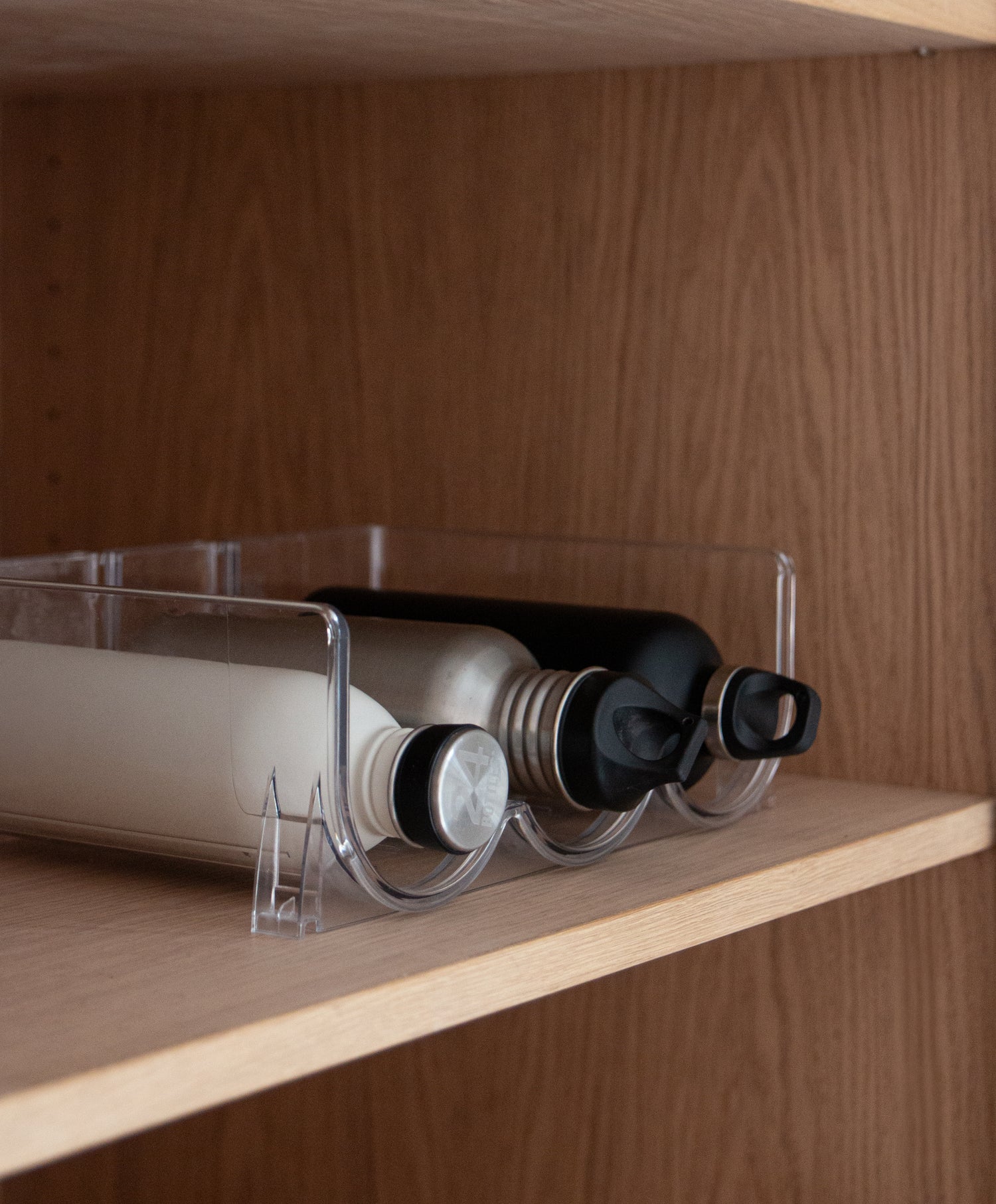
In deep cabinets, rows easily create disorder. Use modules that bring function to the front:
- Turntables for spices and small bottles, so everything is easily accessible.
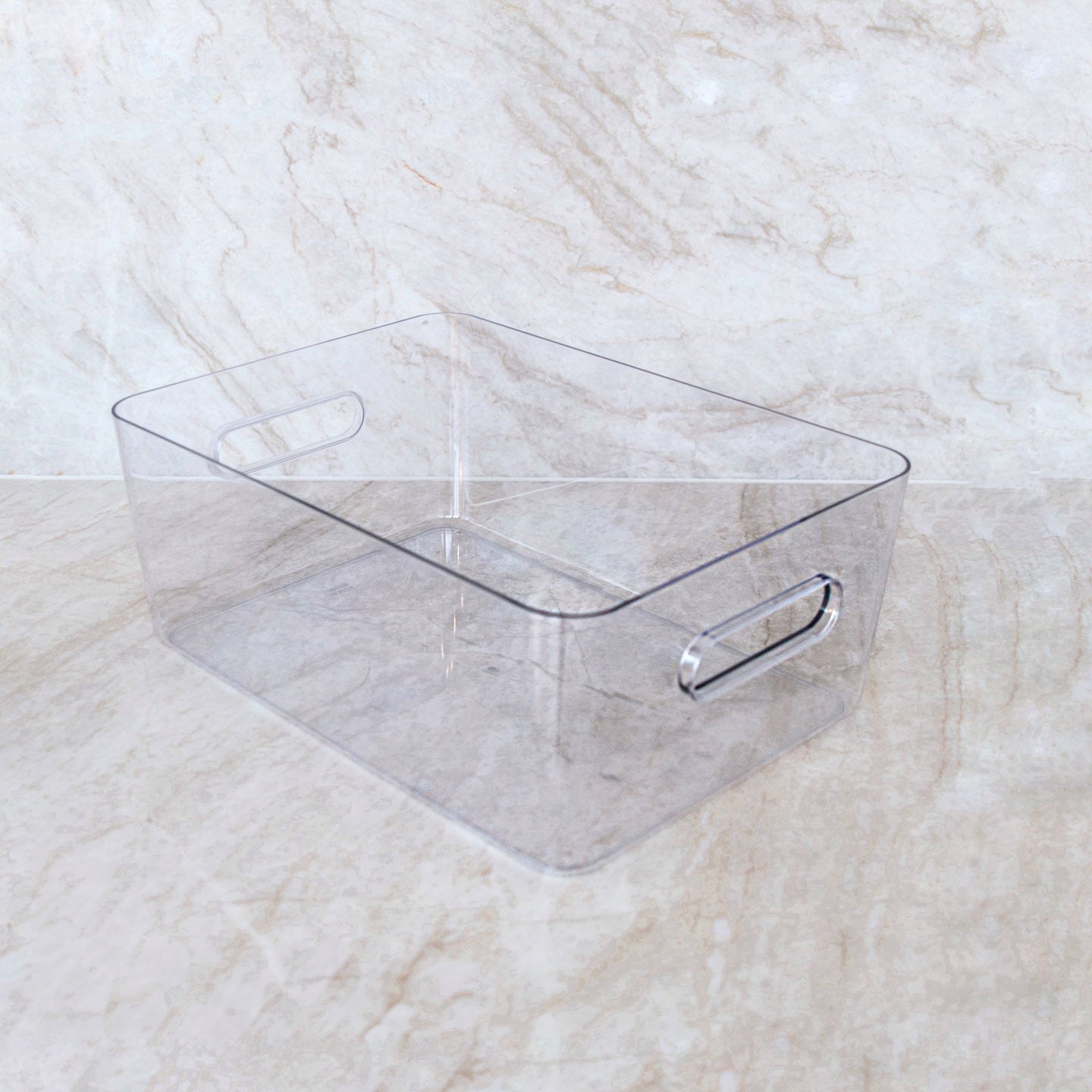
- Narrow boxes lengthwise for snacks, loose bags, or baking molds - making the cabinet feel like drawers.
- Tall containers for pasta and rice, utilizing shelf height.
Stick to a few sizes so you can stack uniformly and rearrange without losing the system. Place the most used zones in the middle and push seasonal items to the back.
Maintenance and routines in kitchen cabinets
Small habits keep the cabinet in shape. Agree on a fixed place for purchased items and refill jars when you unpack. Use the first-in, first-out principle, so flour and pasta that were opened first are at the front. A quick review every two weeks keeps the system alive: straighten the jars, gather loose bags in a box, and check what needs to be used up soon. This type of rhythm provides calm, energy, and a better flow in cooking - and allows your kitchen to support everyday life.
Extra tip for a balanced look
If you work with feng shui in the kitchen, go for natural colors, matte surfaces, and uniform containers. Fewer, well-thought-out solutions create harmony - and make it easy to maintain.