
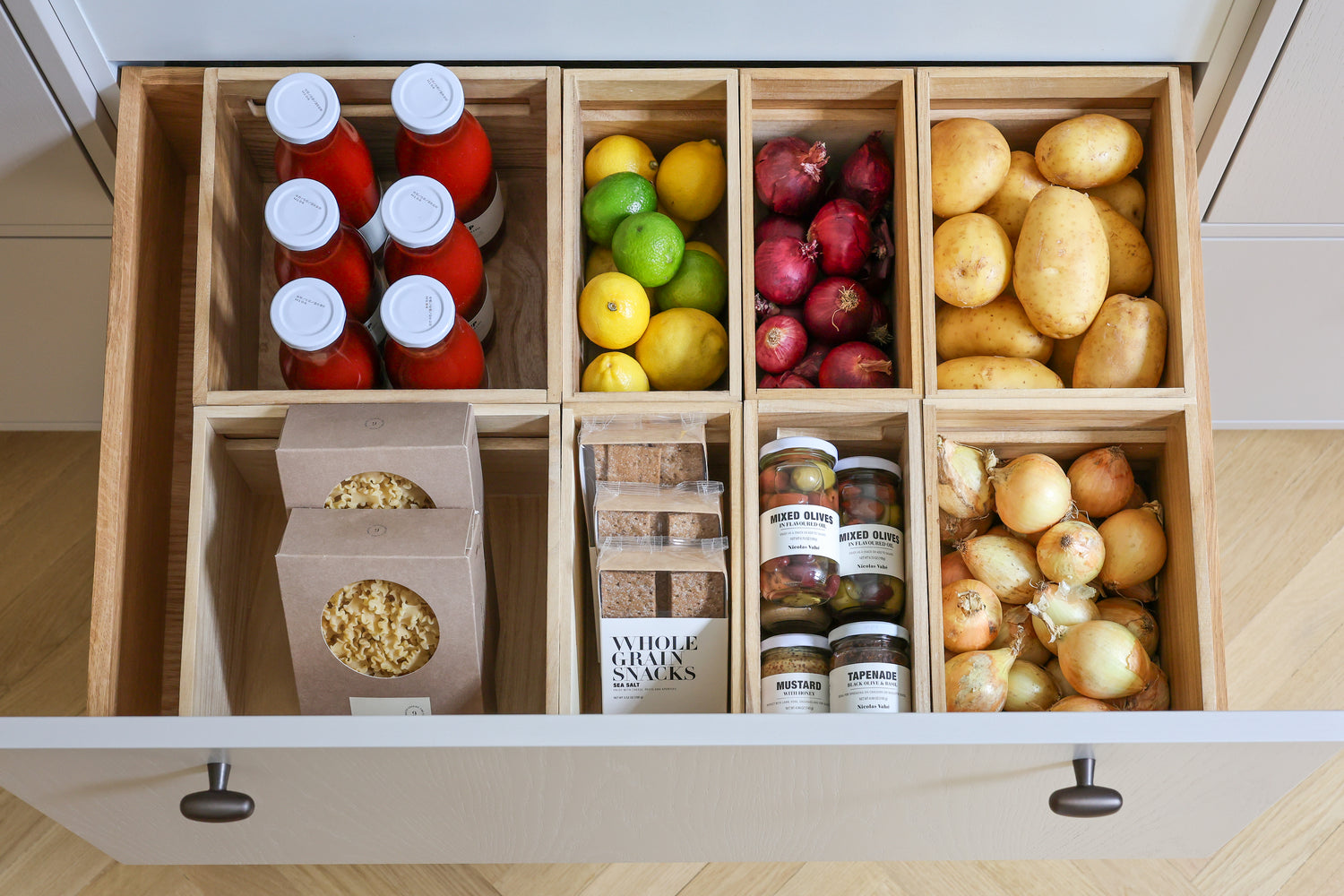
When your kitchen drawers are smartly organized, cooking becomes simpler and more peaceful. At élé living, we strive to create clarity without unnecessary clutter, making everyday life feel lighter. Think zones and fixed places: Each drawer gets its purpose, and similar items are grouped together. This creates a harmonious flow inspired by simple feng shui principles of clear structure and tranquility.
Create zones in your drawers
Start by deciding what each drawer should hold – for example, cooking utensils at the top, baking equipment in the middle, and dry goods in a deeper drawer. Stick to a few recurring sizes of containers and dividers for a consistent look. Place items you use daily at the front of the drawer, and less frequently used items at the back. Consider a "first row" for small items and a "second row" for larger pieces, utilizing the full depth of the drawer without creating a mess.
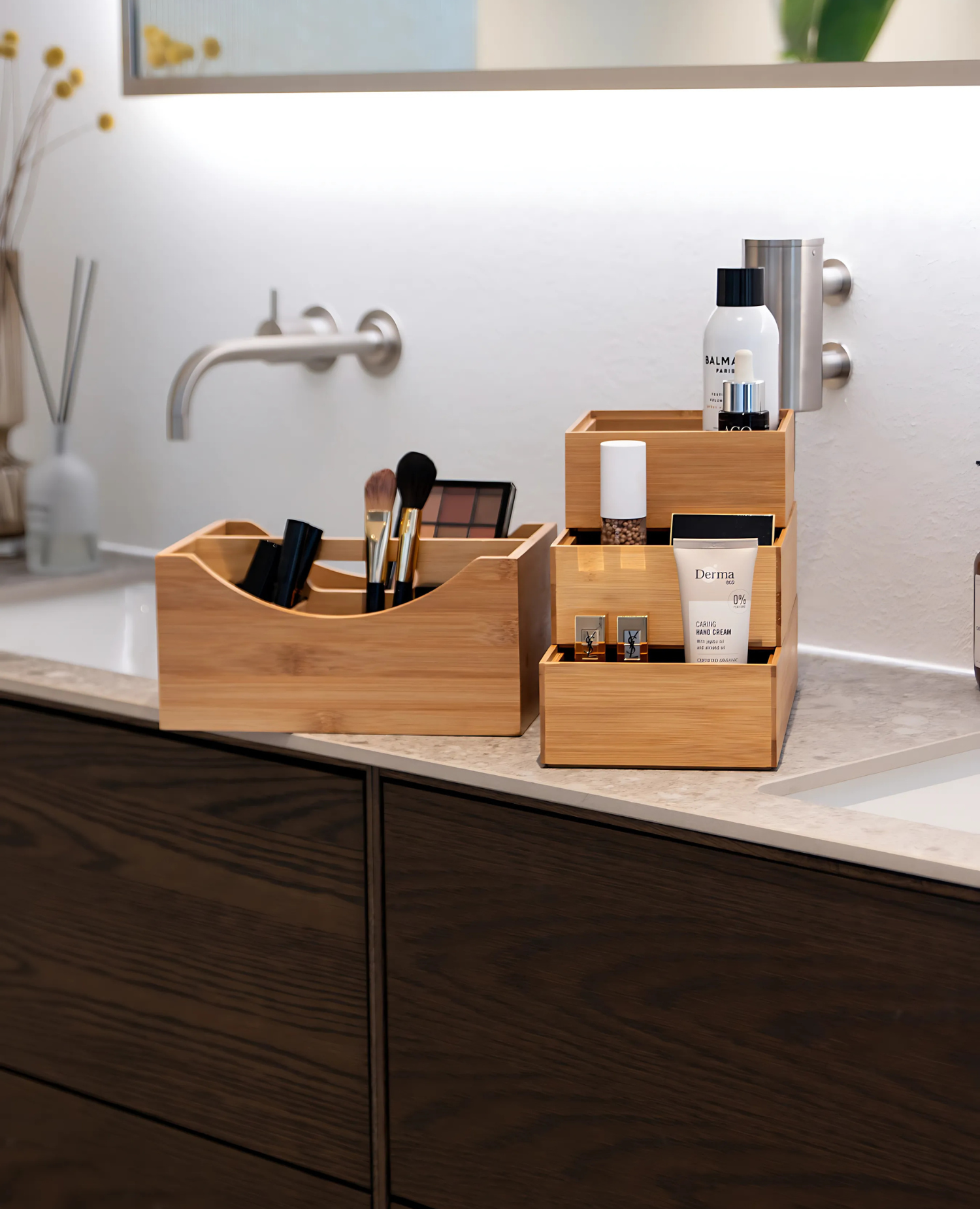
Bamboo drawer boxes for small items
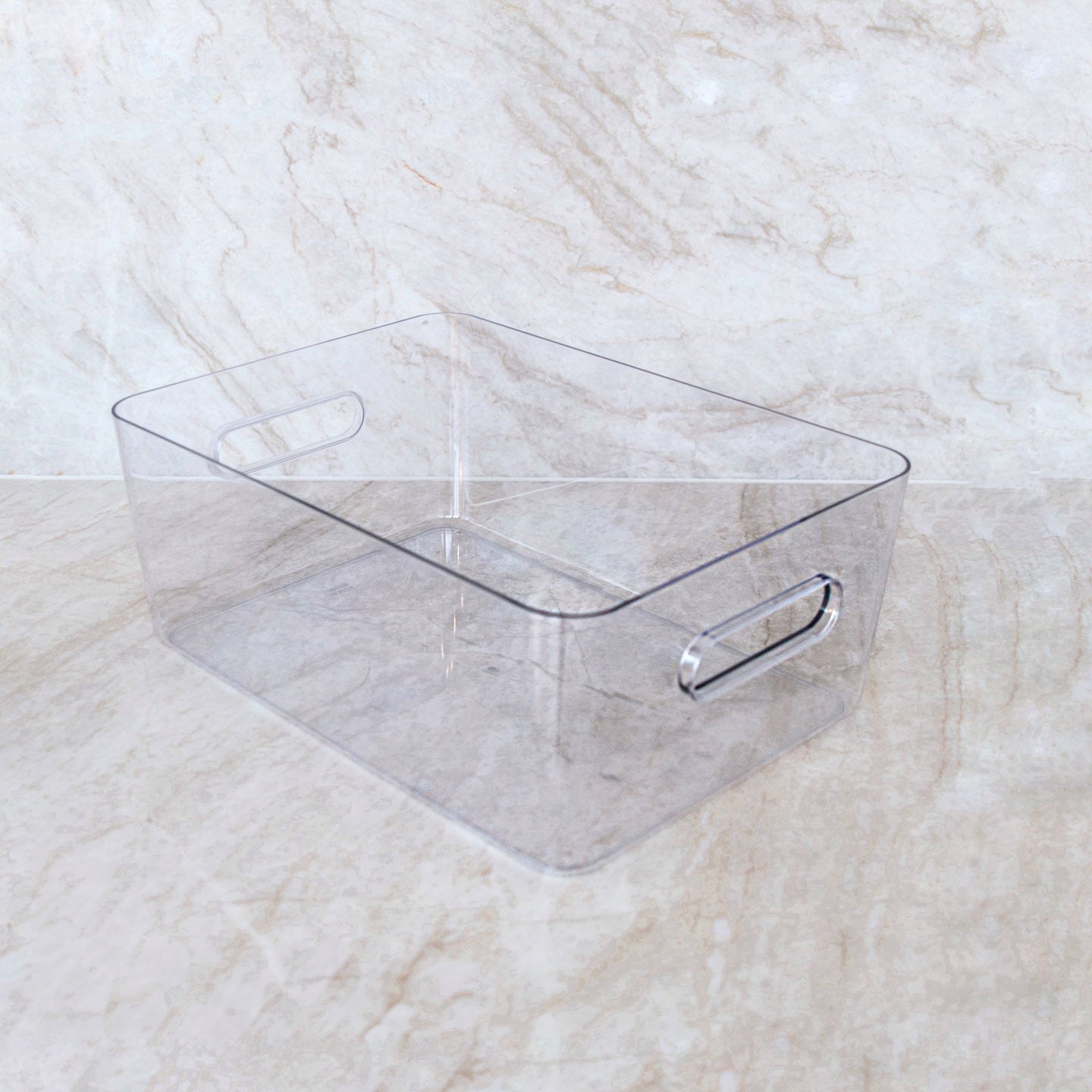
Small items quickly get lost in a large drawer. Dividers and boxes help keep track of elastic bands, sealing clips, measuring spoons, and baking lids. Drawer box small is suitable for small kitchen items like spice measures and capsules, while you can combine several boxes side-by-side to create clear sub-zones. Think "one category per box" so the contents are easy to see and put back.
Cutlery tray and daily utensils
Cutlery deserves a fixed, organized place. A cutlery tray provides structure for spoons, knives, and forks, and you can use the outer compartments for daily utensils like a peeler or small scissors. Double up on the most used items to avoid empty spaces in everyday life. Place the tray in the top drawer near the stove or dining area, depending on where you typically set the table.
Storage jars in deep drawers
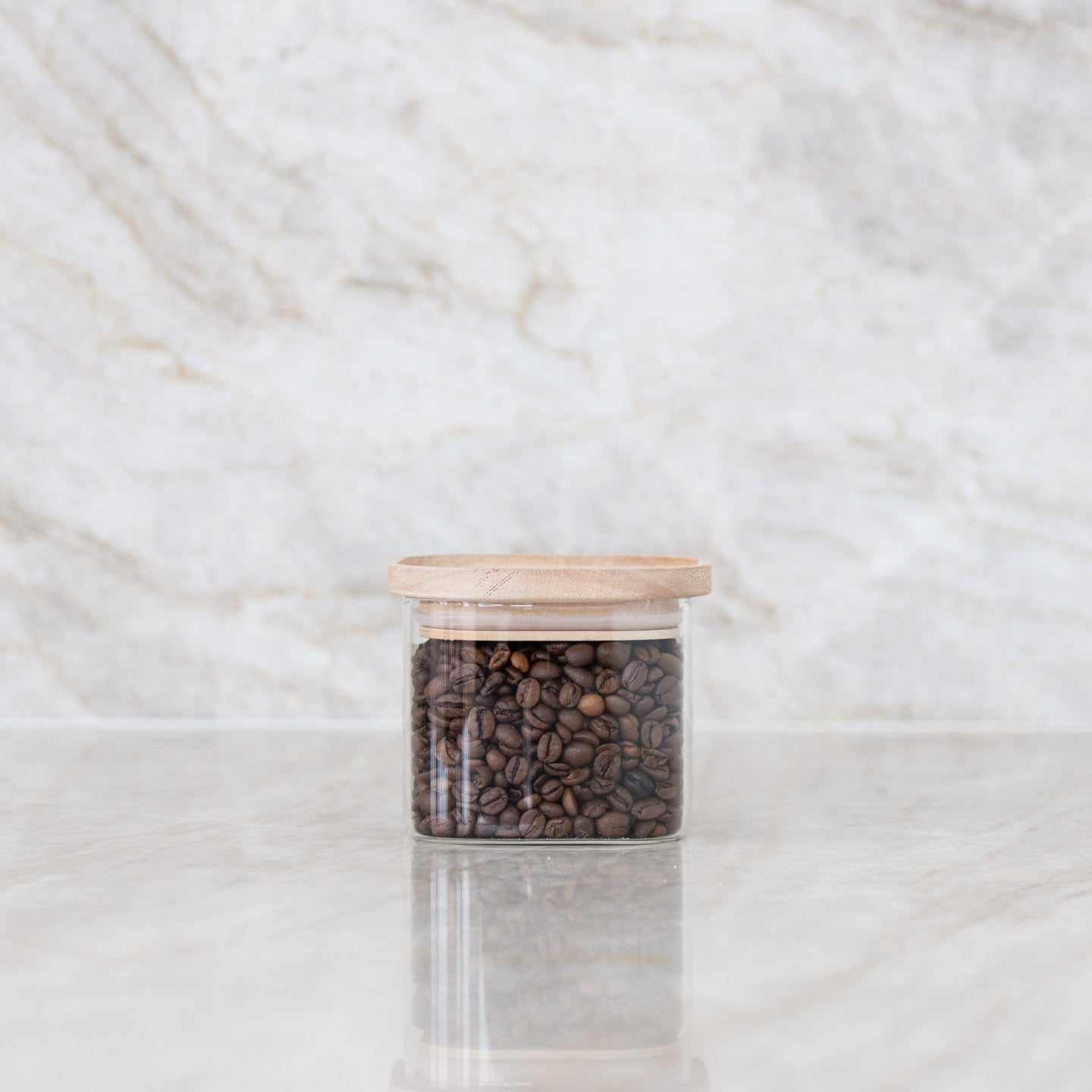
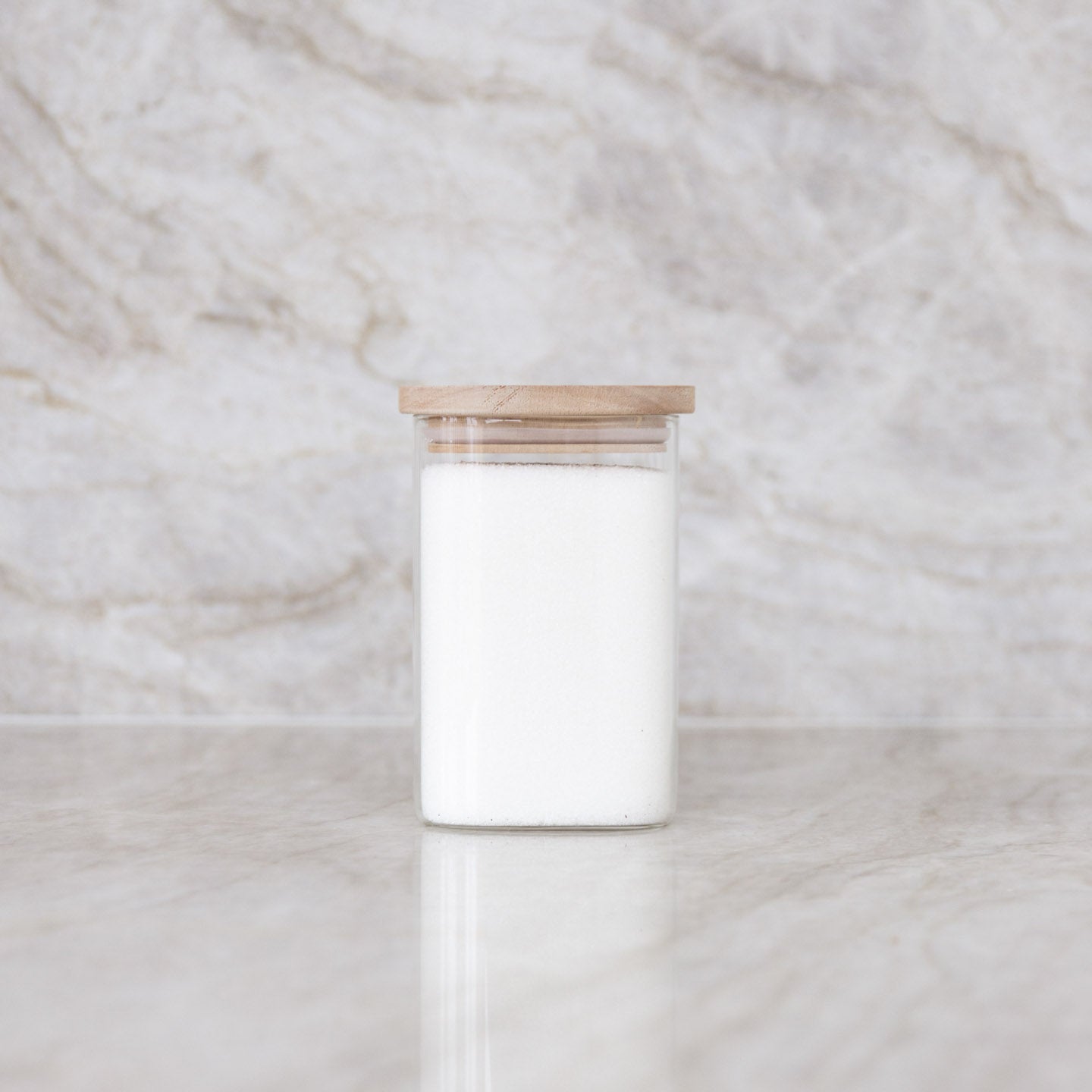
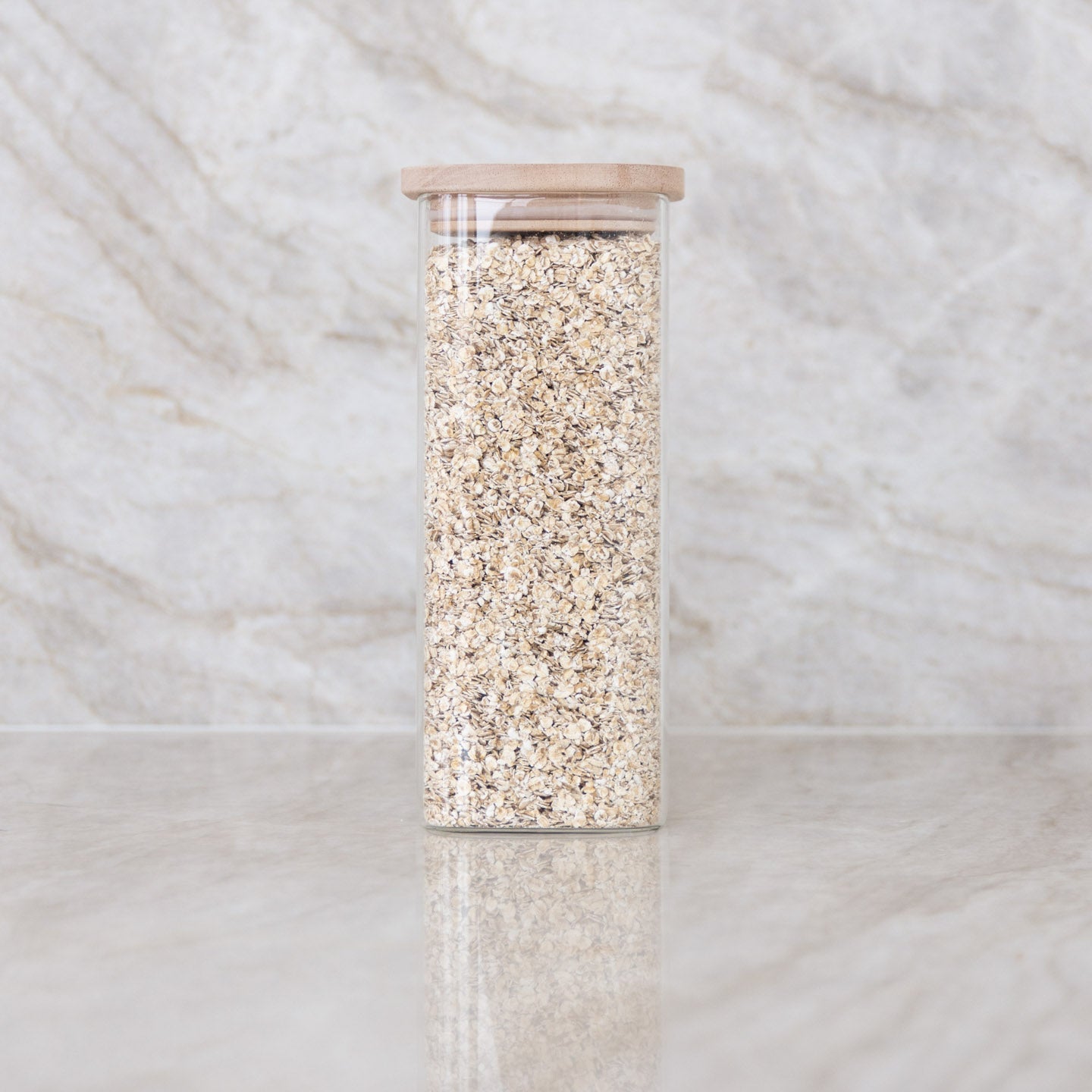
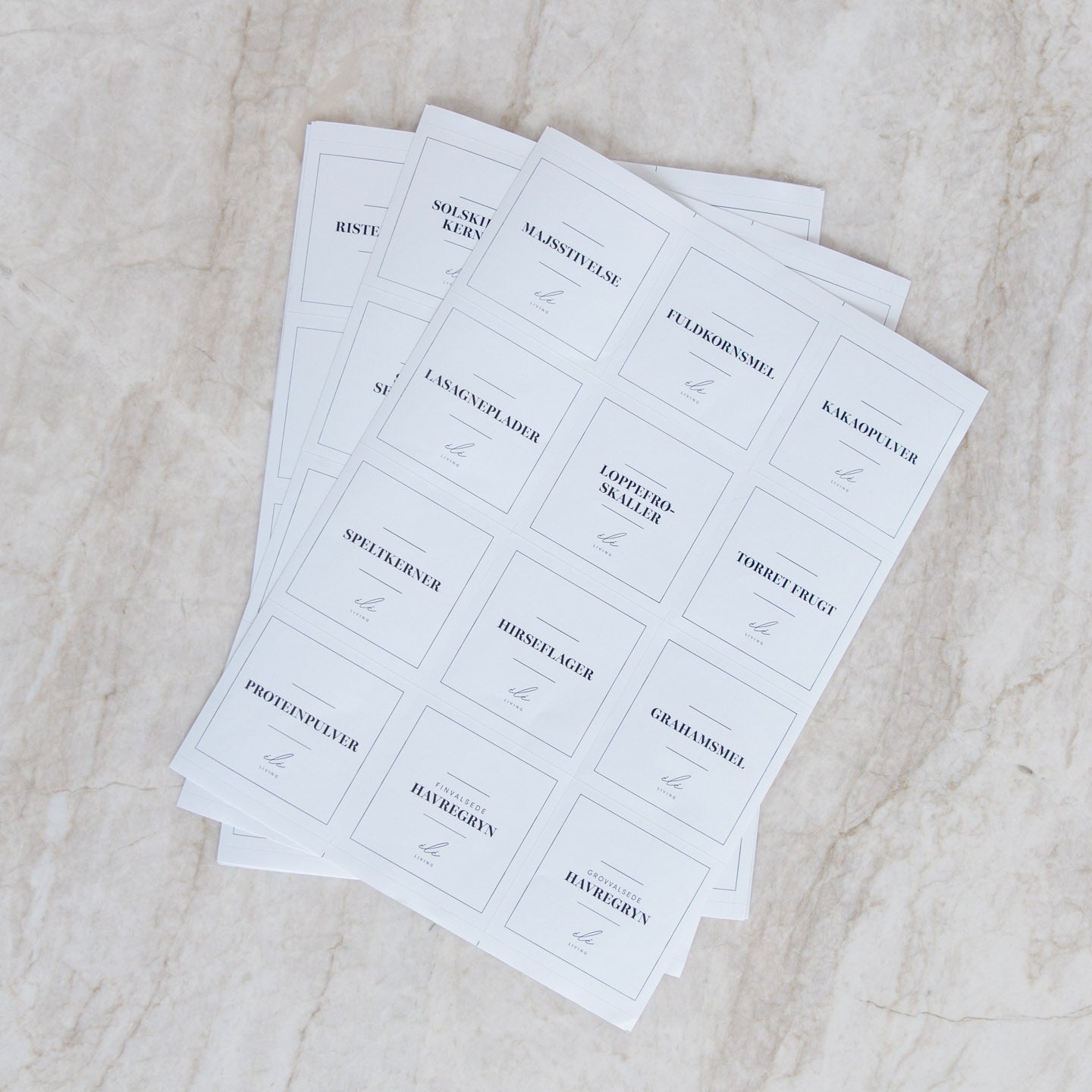
Deep drawers are ideal for dry goods. Square jars stand steadily side-by-side, allowing you to easily "file" pasta, rice, and oatmeal in a row. Storage jar 1800 ml holds most basic dry goods and helps keep pests out. Place labels on the front so you can read the contents from above. A practical choice is labels for dry goods, which makes it easy to distinguish between similar food items.
Spices in a drawer with an overview
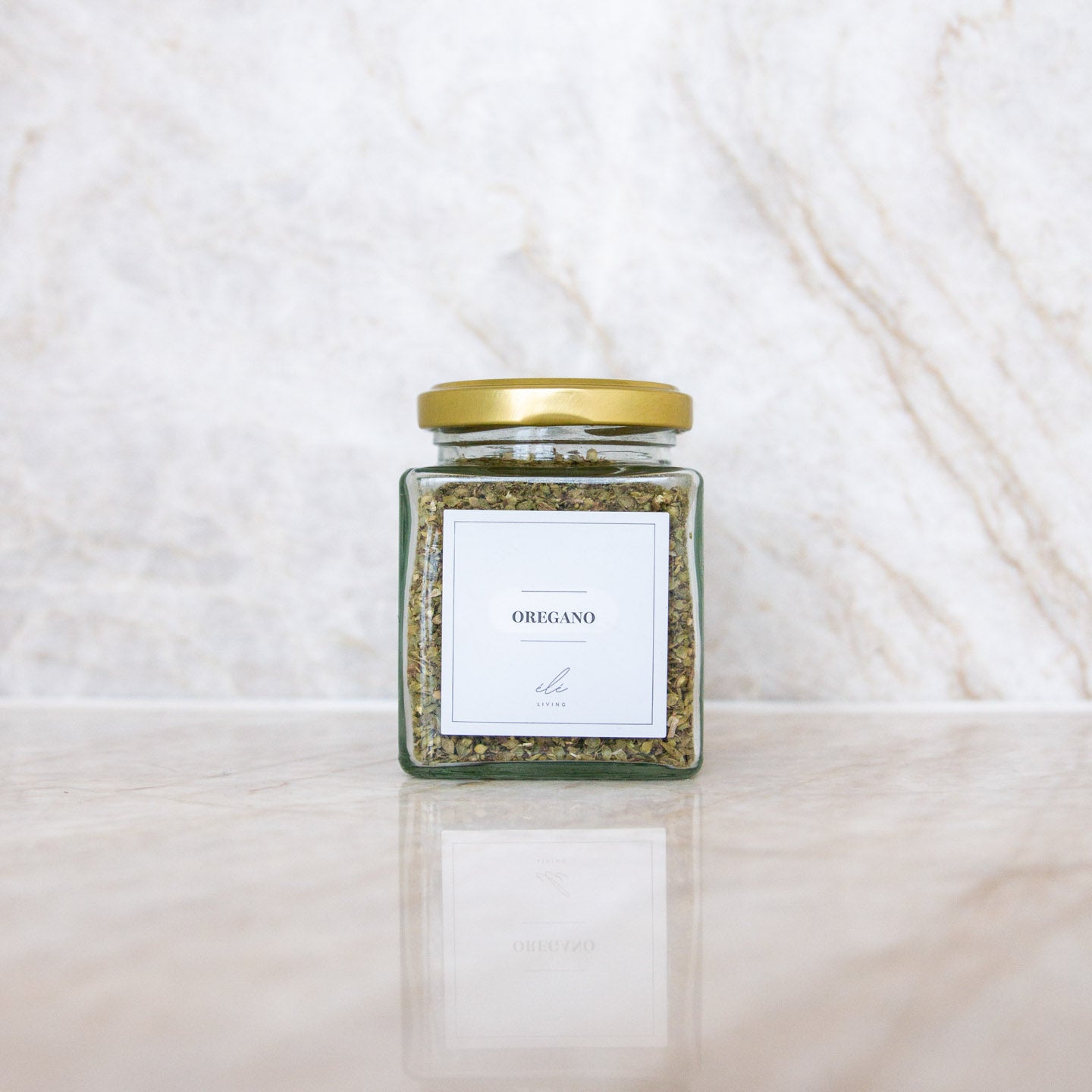
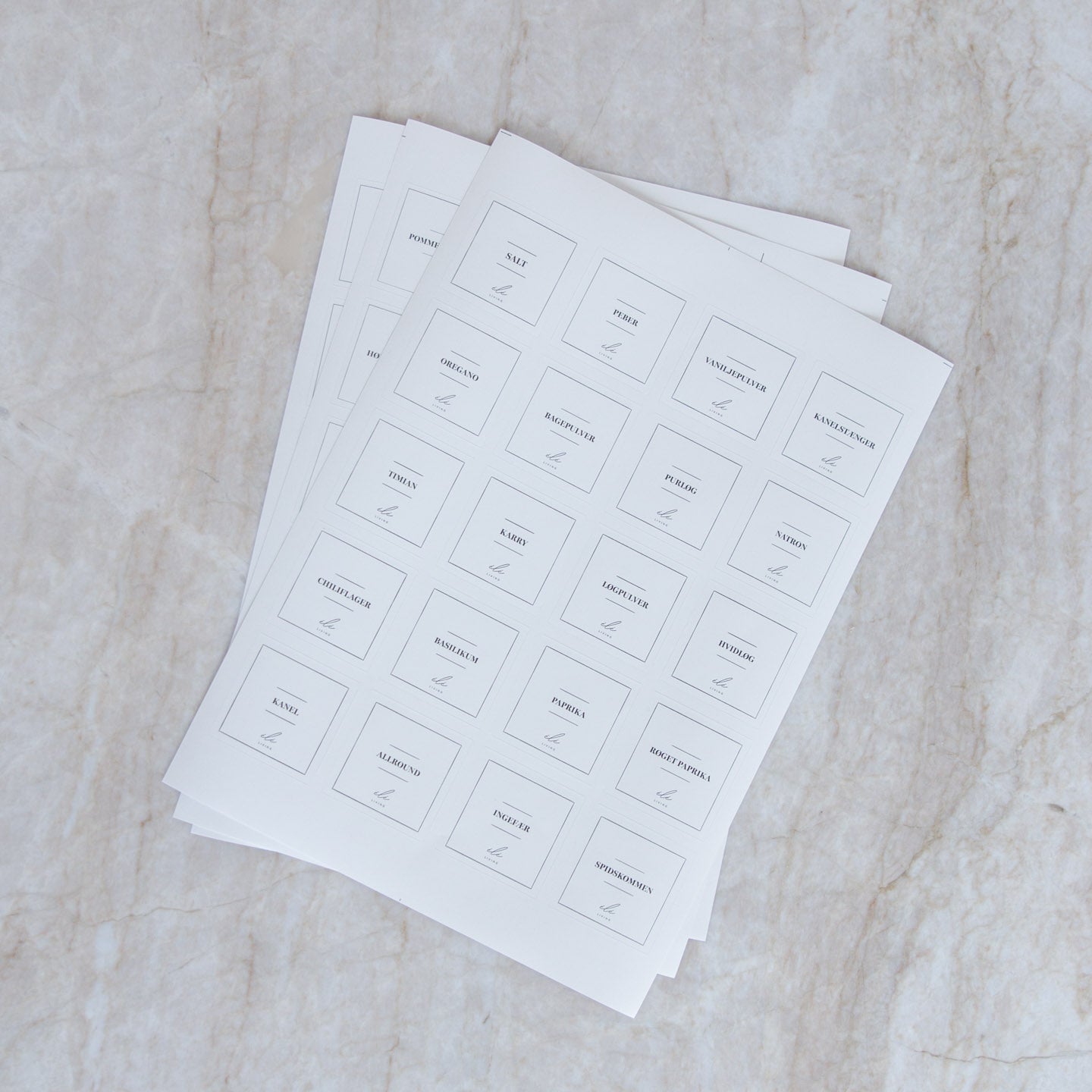
Spices work well in a shallow drawer close to the stove. Use uniform jars for a clean look and arrange them alphabetically or by food type. Spice jars with black lids provide a consistent line, making it easy to find the right jar when the pot is simmering. Place jars on a small "step" or in a tight row so all names are visible from above.
How to get started step-by-step
A simple process makes the project manageable for the whole family.
- Empty and sort - group duplicates and discard what you don't use.
- Measure the drawer and plan zones - choose a few recurring boxes or trays for a calm look.
- Arrange according to routines - daily use at the front, less frequent use at the back or furthest from the stove.
- Maintain quickly - finish cooking with a 2-minute "put-back" ritual to keep things tidy.
Small adjustments that make a big difference
- Use a strict category per compartment: for example, "baking accessories," "cooking utensils," and "dry goods."
- Keep the lid of storage jars visible from above, and label the front so you see the name in one movement.
- Adjust continuously: If something is messy, it often lacks its own box or a clearer purpose.
With simple choices and a few well-thought-out products, you can create kitchen drawers that provide an overview and peace - and make it easy to find, use, and put away again. It's functional interior design that supports everyday life and creates aesthetics for the soul.