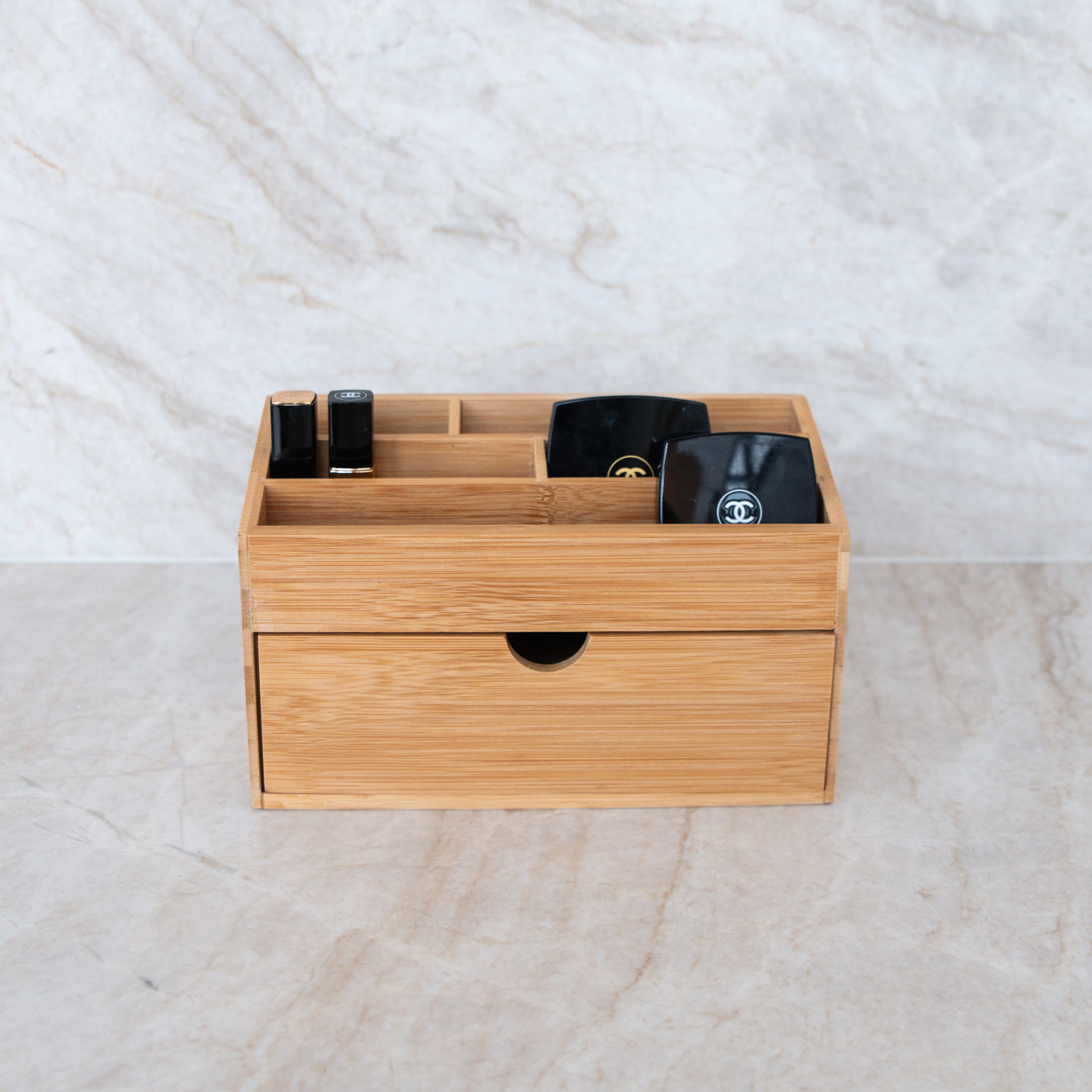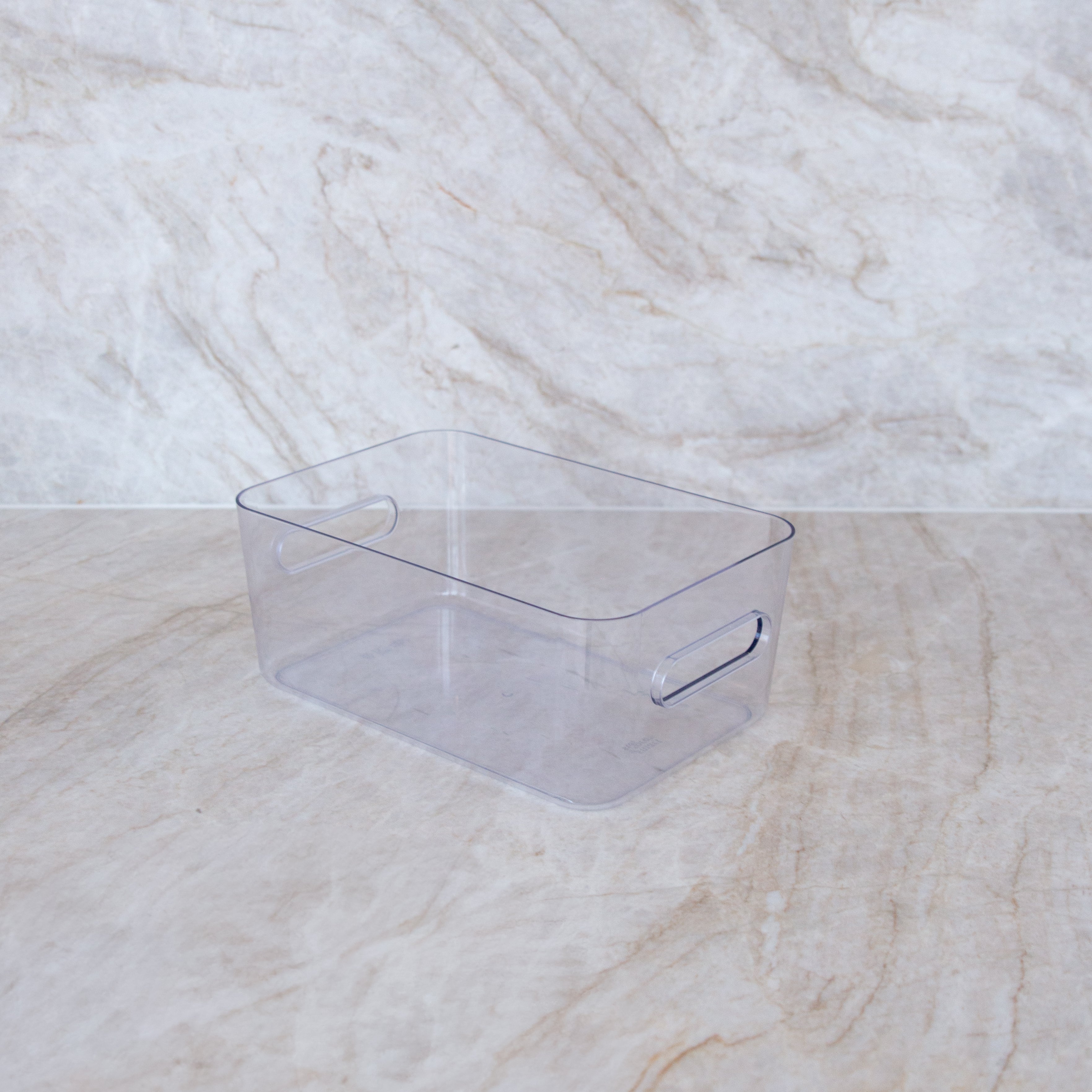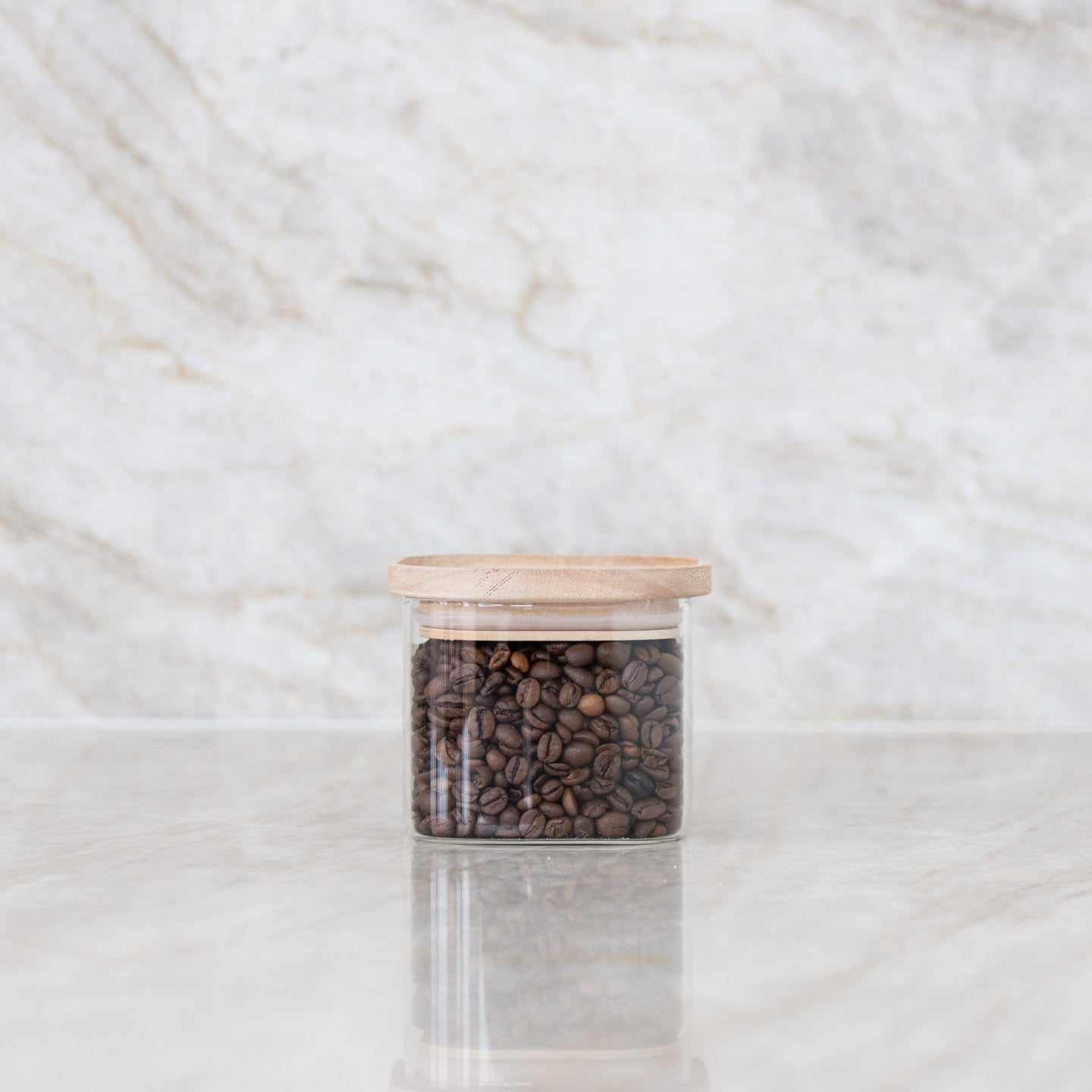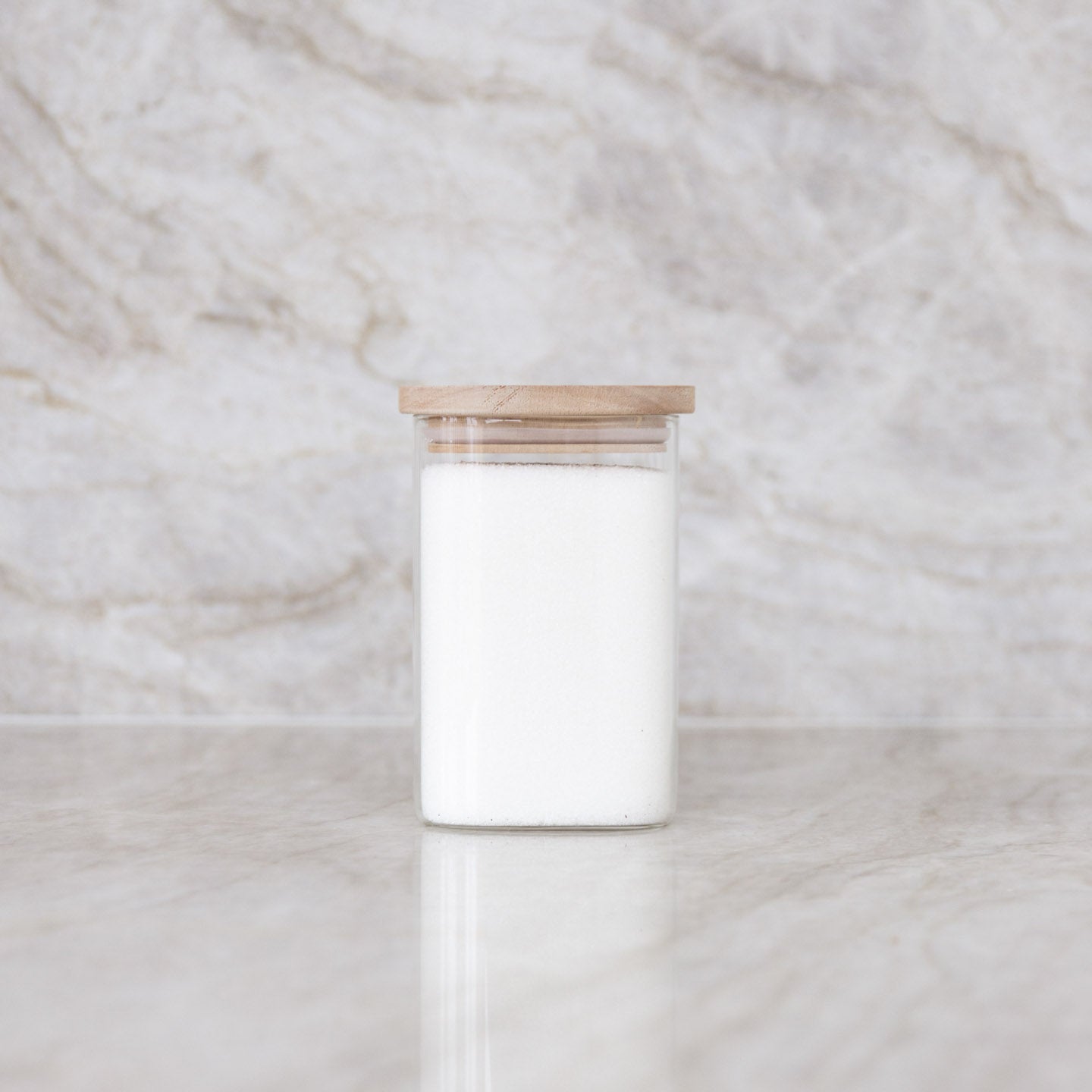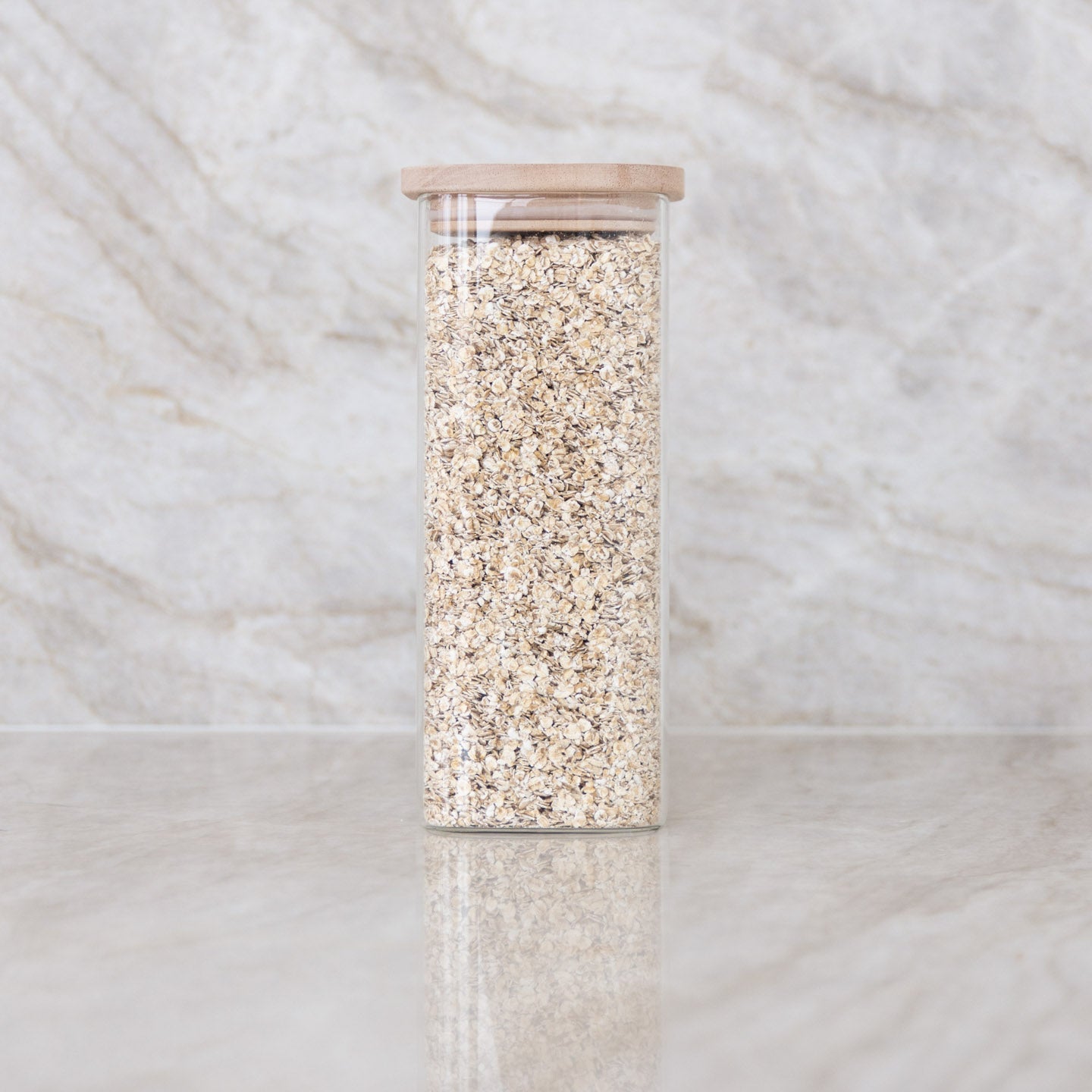


Glass storage makes it easy to create an overview in the kitchen with a calm and consistent look. When you store flour, oats, pasta, rice, lentils, and nuts in clear jars, you can quickly see the contents and avoid double purchases. Choose robust storage jars in consistent sizes so they can stand close together and create visual calm on the shelf.
Square storage jars in various sizes
Square jars utilize shelf space more efficiently than round ones because they can be placed edge to edge. Think in 2-3 fixed sizes – for example, smaller jars for seeds and tea, medium for rice and lentils, and large for flour, oats, and pasta. Wooden lids provide a warm, natural look and help keep pests out. Fill the jars completely when you can so they stand stably and compactly. Write quantities on a label if you often follow specific recipes, so you can quickly see if there's enough for baking or cooking.
Spice jars and easy access in everyday life
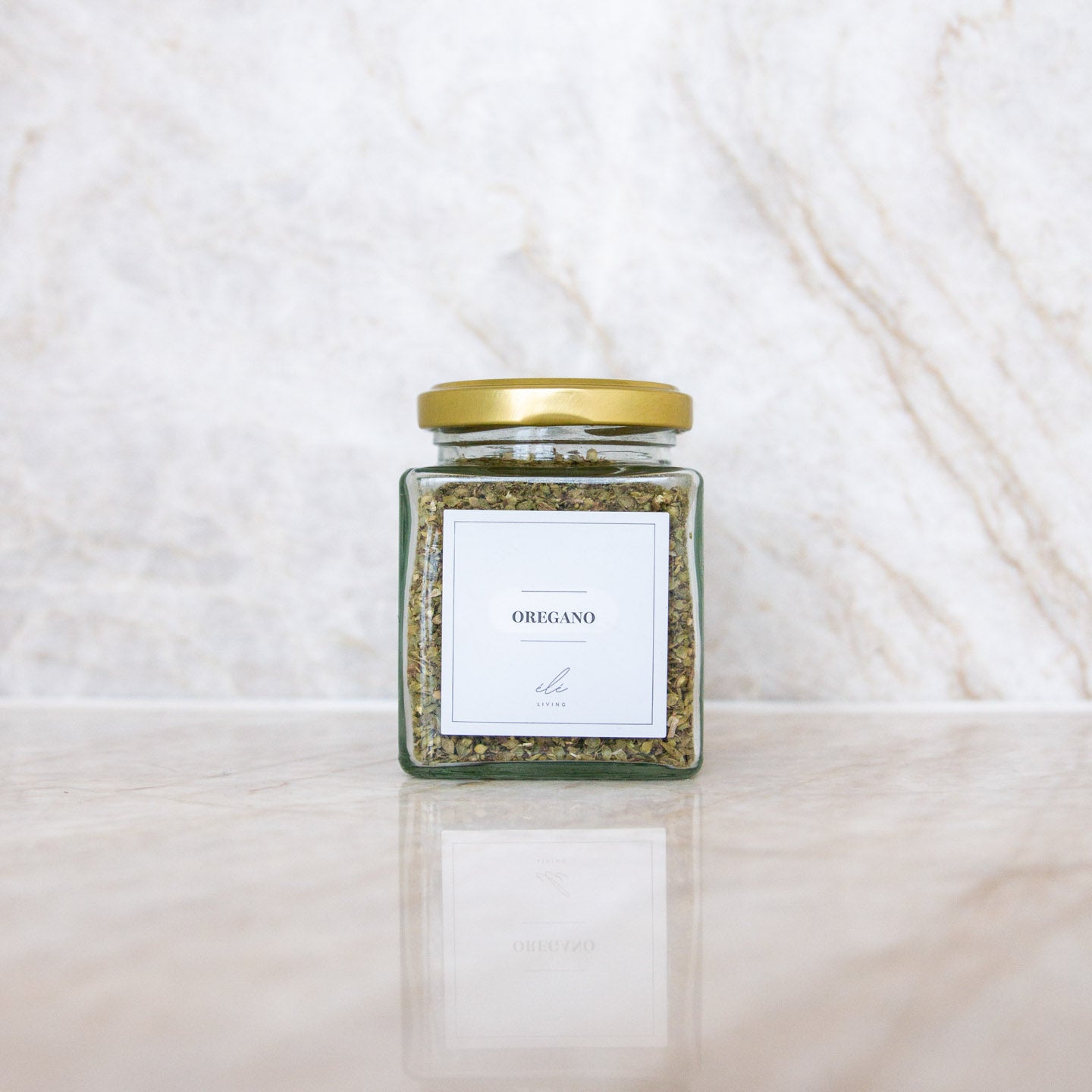
Small spice jars make a big difference for organization. Uniform sizes and the same lid type create a clean line and make it easier to find oregano, cumin, and cinnamon in a hurry. Place the most used spices at the front and the less common ones at the back. A consistent set of spice jars creates order, whether they are in a cupboard or on an open shelf. If you have many spices, you can divide them by food type – baking spices separately and everyday spices separately – so you can grab the section you need.
Labels for jars for a quick overview
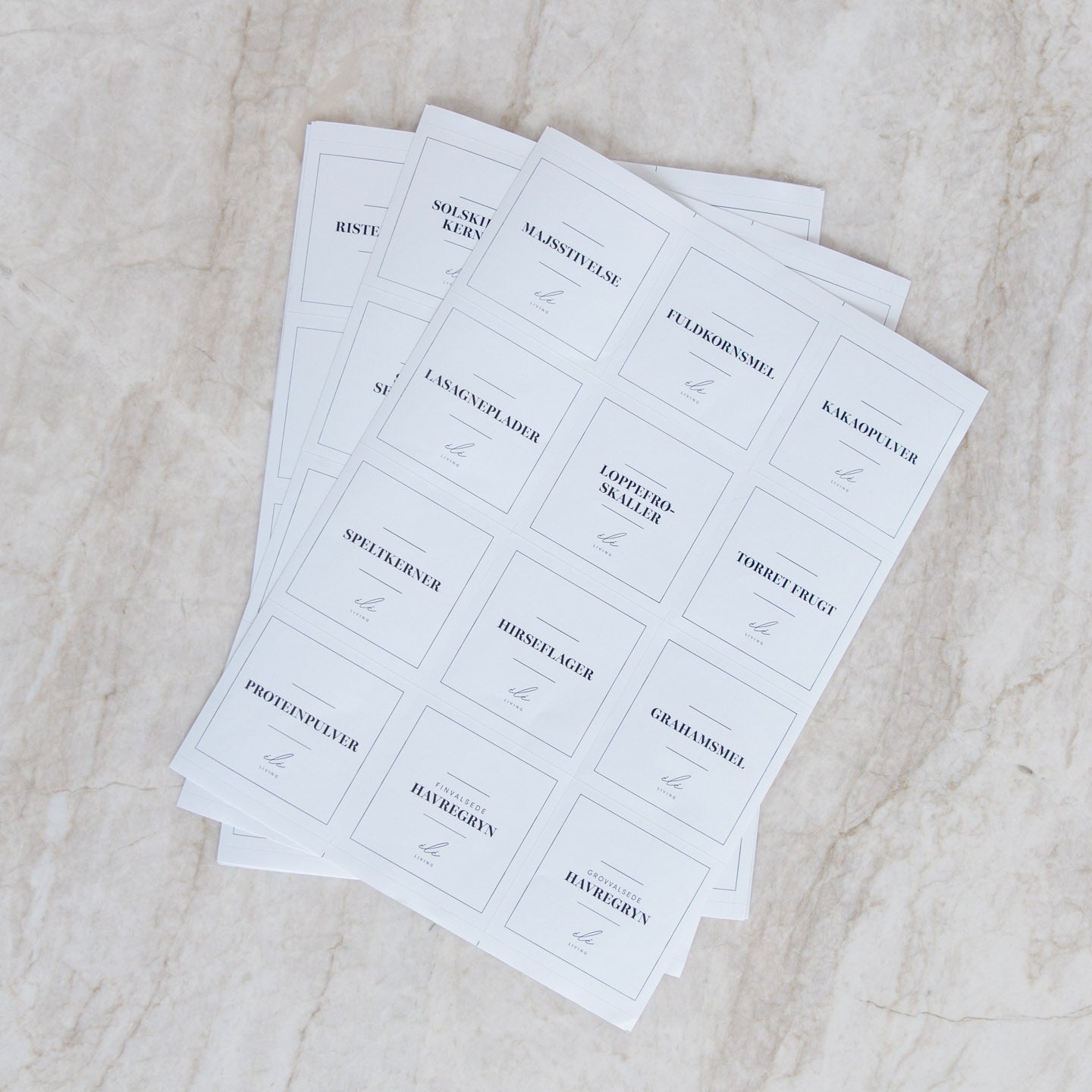
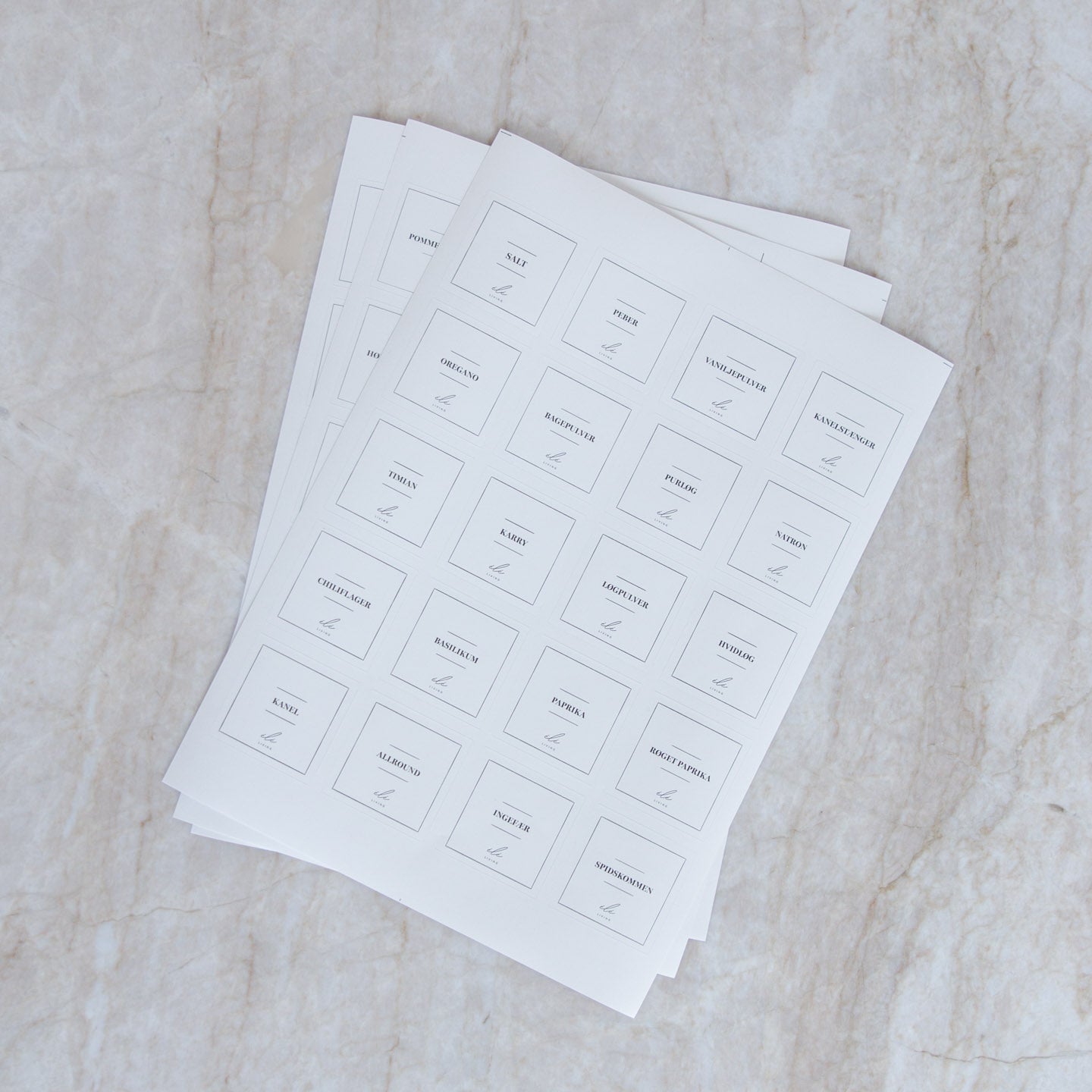
Labels make it easy to differentiate between, for example, whole wheat flour and white flour. Choose labels in a ready-made set for a uniform look without having to design them yourself. Place them in the bottom third of the jar so they can be read even when the shelf is densely packed. For spice jars, you can use shorter names and possibly add a small note with strength if you work with multiple varieties of chili. Stick to the same font and color throughout to maintain a calm aesthetic.
Turntable for your jars in the corner cabinet
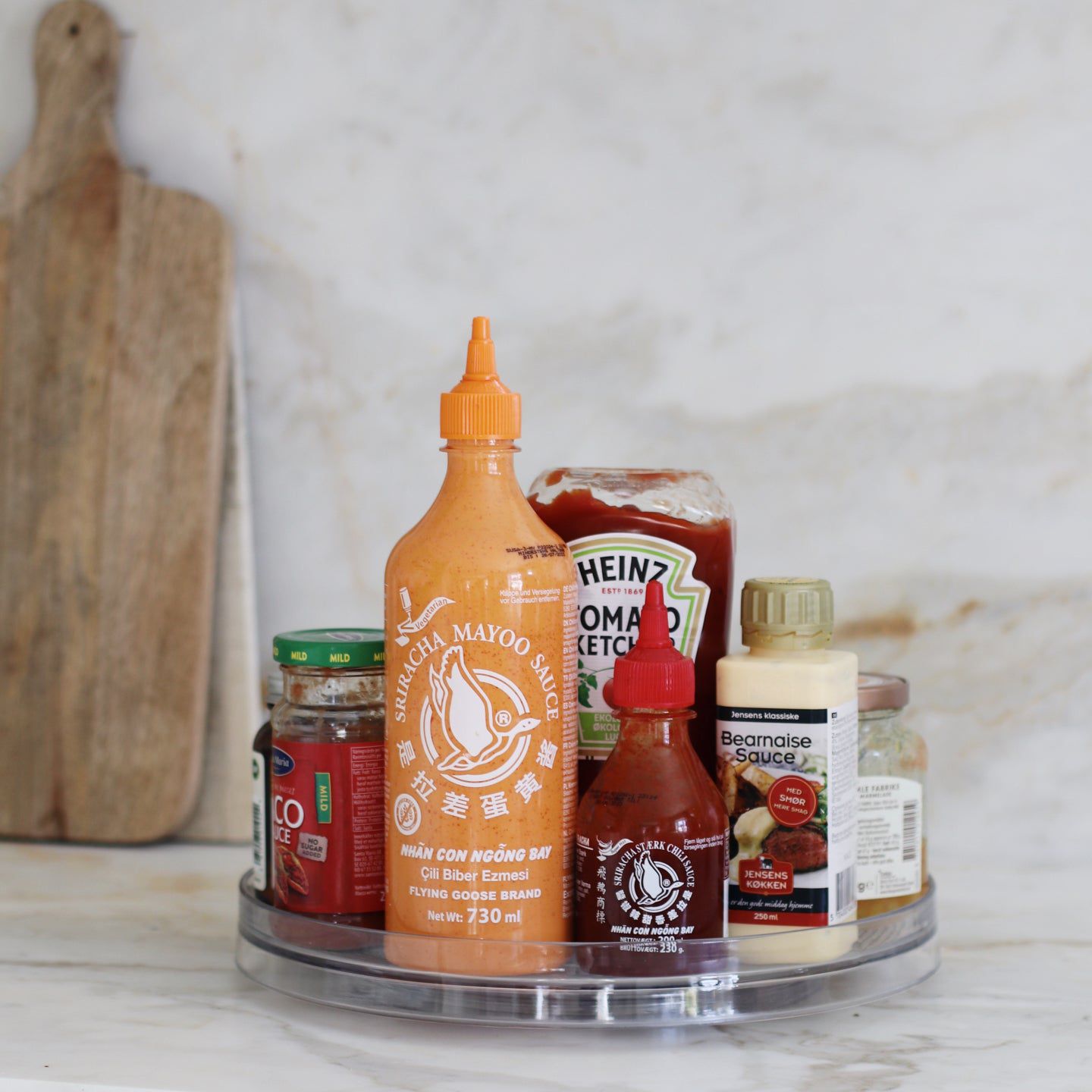
A turntable in a corner cabinet provides quick access to jars that might otherwise be difficult to reach. Place frequently used food items on the outer edge and less common ones in the middle of the tray. A low turntable is suitable for spice jars and small containers, while one with a higher rim can be practical for larger jars, keeping them stable when you rotate it. This solution utilizes deep cabinets and makes the entire row of jars visible with a simple spin.
How to organize your glass shelf
Step by step
- Empty the shelf and measure the space - choose 2-3 types of jars that fit in height.
- Group by use - baking items together, everyday food items together, snacks together.
- Fill and label - pour food items into jars, place labels at the same height.
- Place by frequency - what you use daily at the front, less often at the back.
- Maintain - refill from the same type and preserve the system by returning the jar to its fixed place.
Practical examples
- Small jar: seeds, tea, and yogurt toppings.
- Medium jar: rice, lentils, bulgur, and couscous.
- Large jar: flour, oats, and long pasta shapes.
A calm and functional kitchen
When jars are systematically arranged, it frees up mental space and makes everyday life easier. Start with one shelf at a time and build up at a pace that suits you. If you want to combine several solutions at once, package solutions can be a shortcut to a consistent look throughout the kitchen.