
A well-organized cutlery drawer makes cooking calm and efficient. When every fork, spoon, and knife has its designated place, you save time and get a kitchen with a more serene look. Think in simple zones, clear boundaries, and repeated sizes. This creates a harmonious flow, which also aligns with fundamental feng shui principles of clarity and balance.
Bamboo Cutlery Tray
Choose a cutlery tray that precisely fits the width and depth of your drawer to avoid wasted space. Bamboo provides a calm, warm look and pairs beautifully with most fronts. Consider modular trays or combine several narrow compartments to separate eating cutlery, serving utensils, and small tools. Find drawer inserts and accessories in Kitchen.
Set up your cutlery drawer in 5 steps
- Measure the drawer: internal width, depth, and height.
- Place the tray: start from the left or the spot you most often open from.
- Divide into zones: everyday cutlery at the front, special utensils at the back.
- Use smaller compartments: give measuring spoons, bottle openers, and piping nozzles fixed spots.
- Test and adjust: make small changes until it feels natural to put away and take out items.
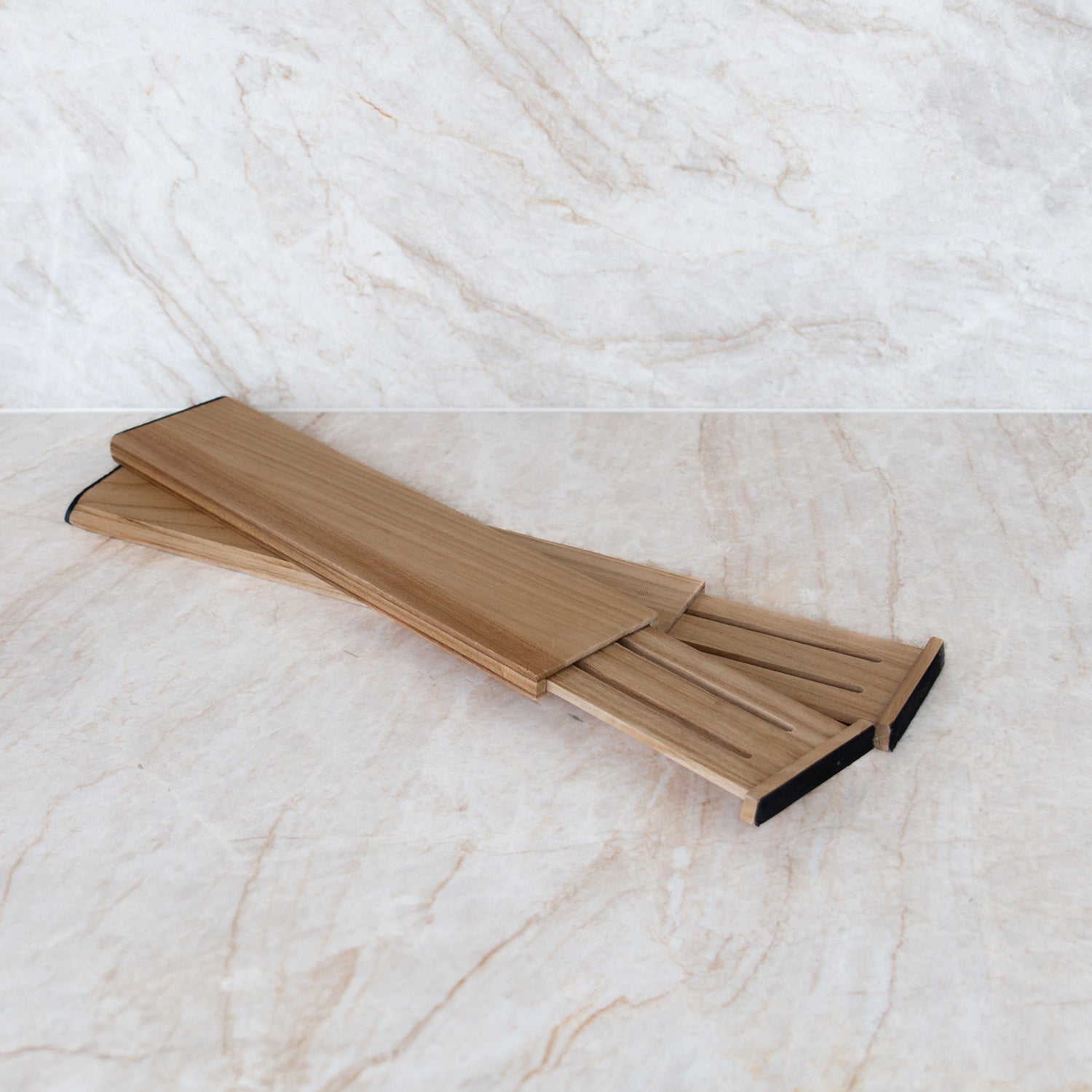
Drawer Divider for the Kitchen
Drawer dividers make it easy to create spaces that suit your habits. Keep eating cutlery together in clear rows. Place long utensils like whisks and spatulas in separate sections so they don't get mixed up with forks and teaspoons. If you have deep drawers, you can utilize the length by placing utensils lengthwise and rarer items at the back. Stick to a simple structure so everyone in the household intuitively knows where the cutlery is.
Smart Zoning
Start with what you use daily at the front. Place serving utensils and seasonal items in the middle. Store spare parts and extra sets at the back. This way, you maintain an overview without having to reorganize continuously.
Space Optimization in Drawers
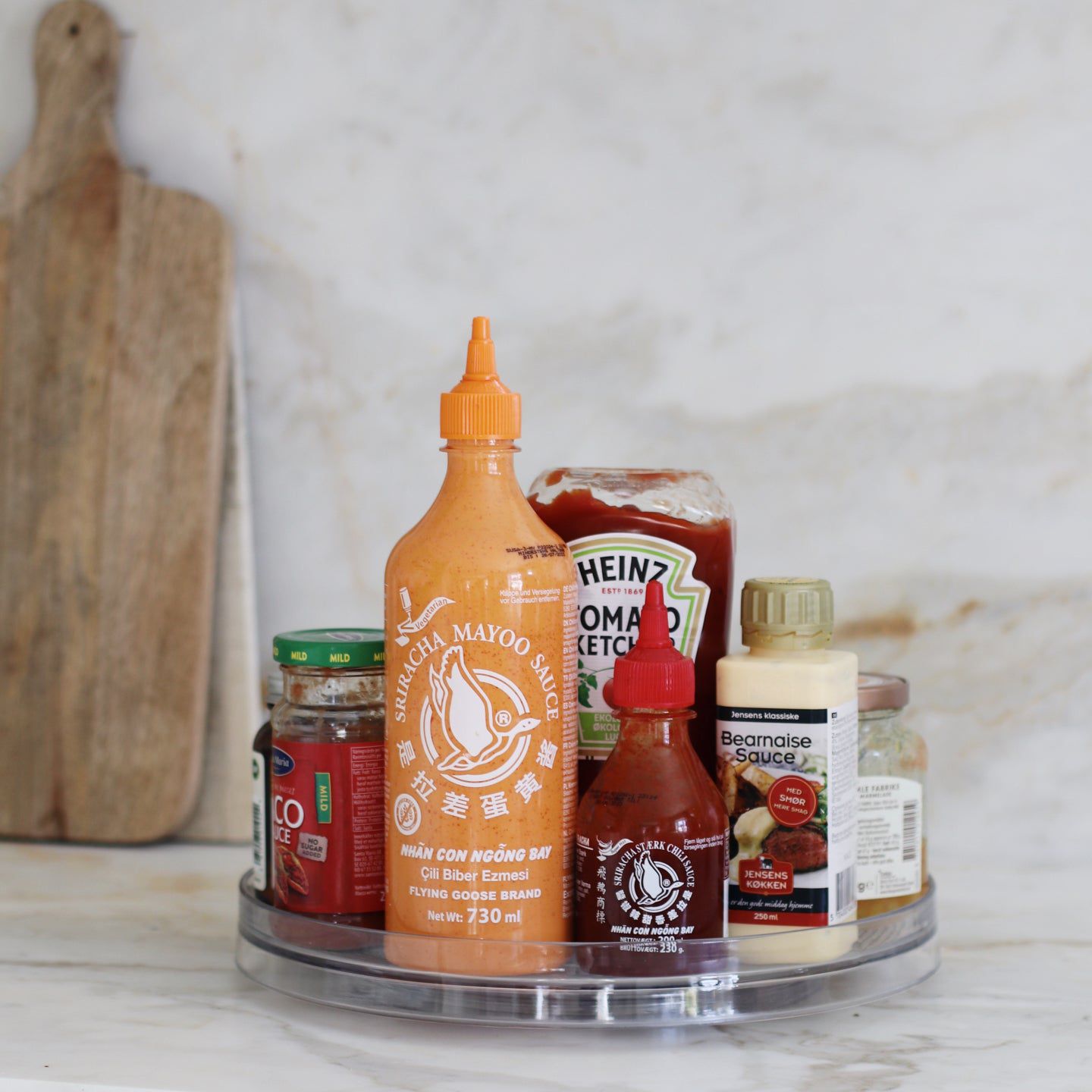
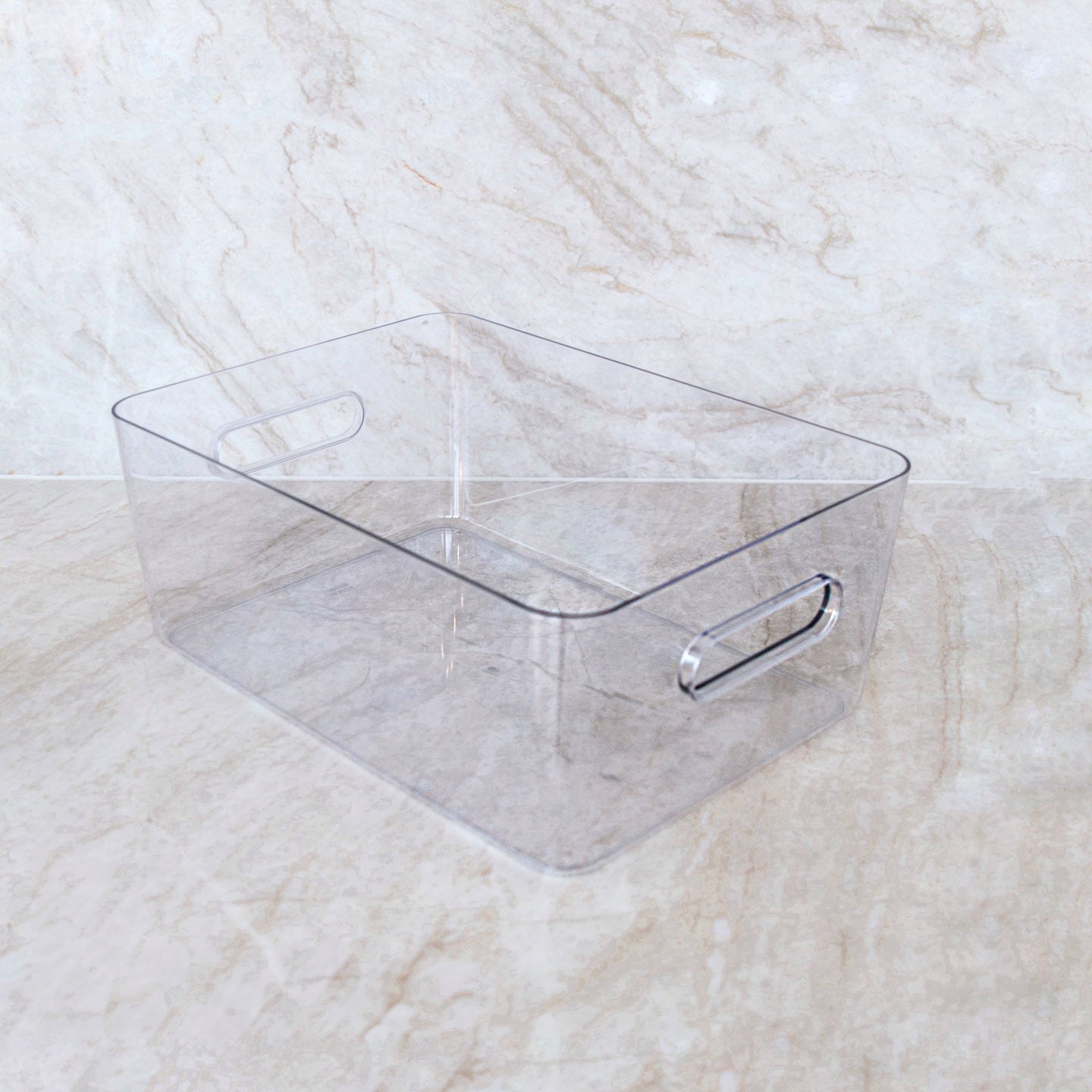
Once the tray is in place, utilize the rest of the drawer with flat trays or small boxes. Small boxes are great for straws, clips, bag binders, and spare teaspoons. Medium-sized boxes fit whisks, spatulas, and dough scrapers. Shallow trays can collect can openers, thermometers, and corkscrews without creating clutter. See robust solutions under Boxes, which can be combined to completely fill the drawer without squeezing the contents.
Accessories that Make a Difference
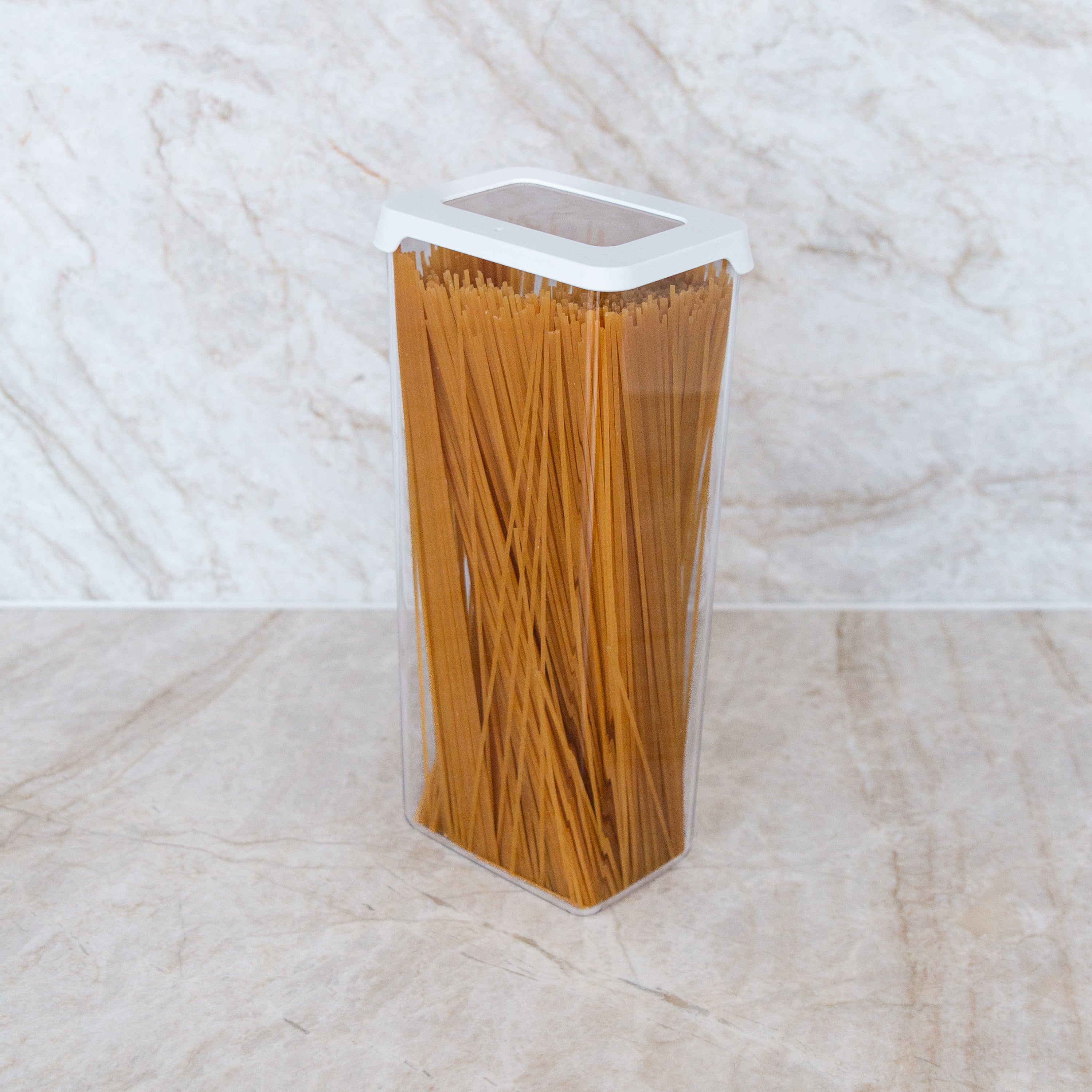
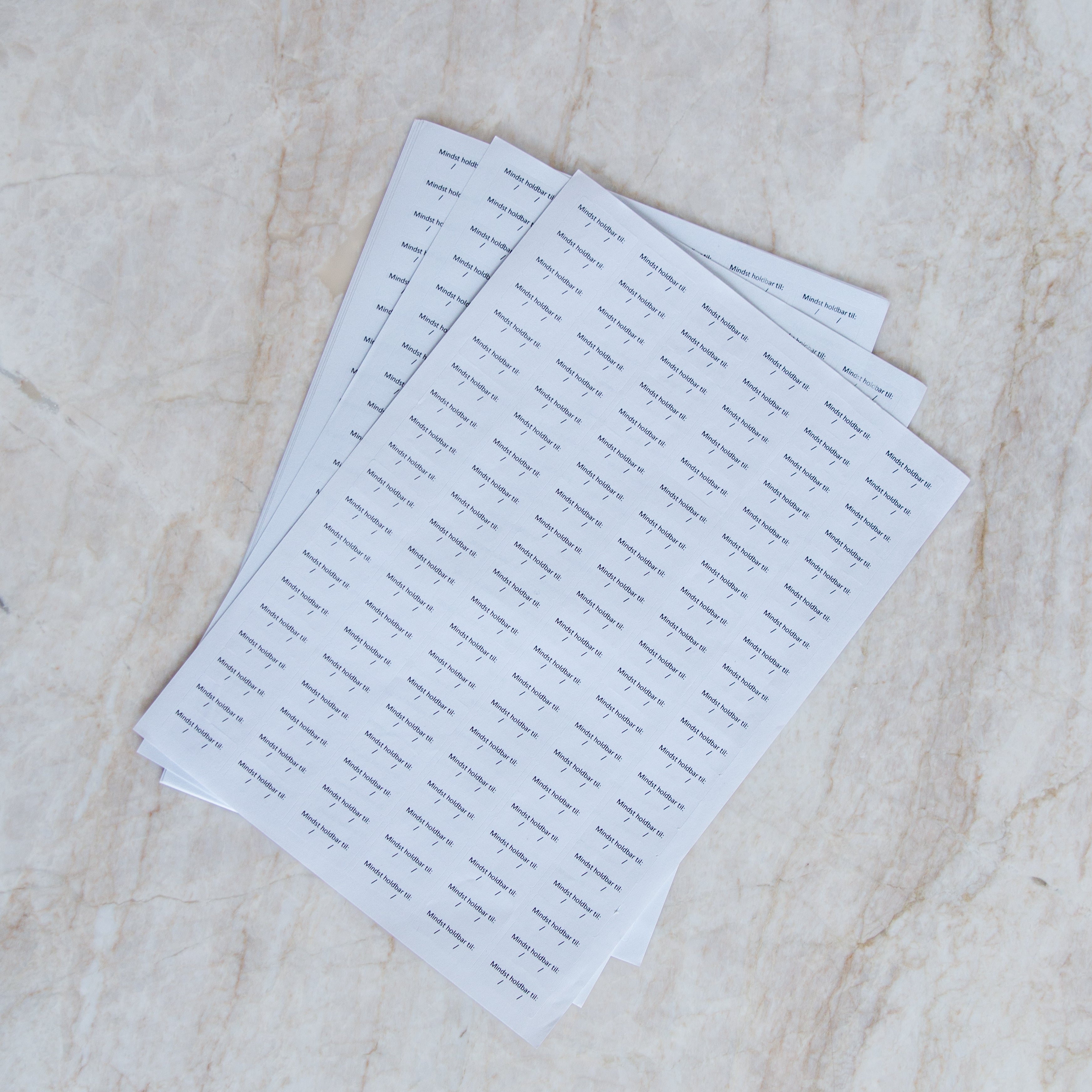
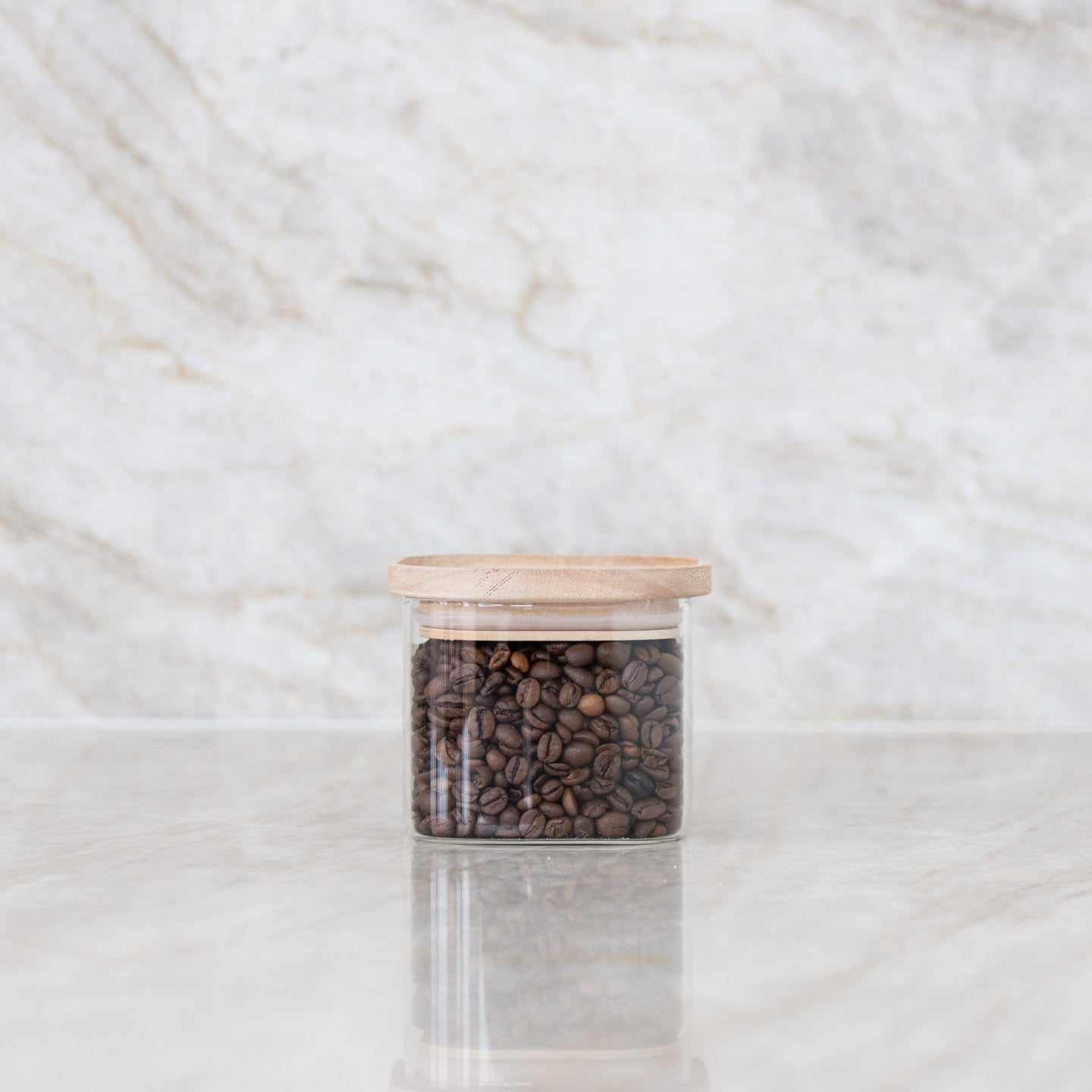
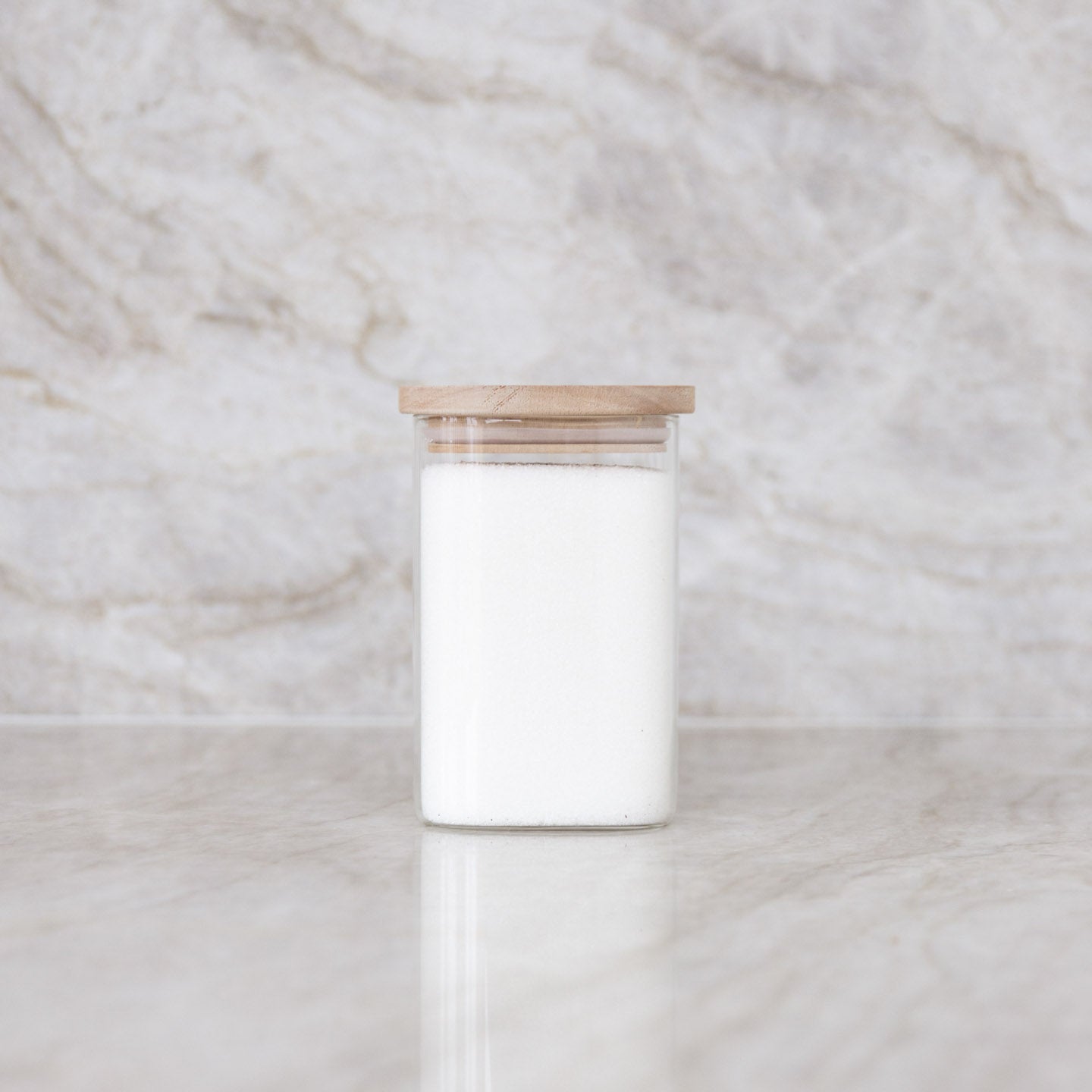
Store loose small items in clear containers so you can quickly see the contents before reaching for them. This helps you put things back in the same place every time. Choose Storage containers for bags of baking decorations, clips, or straws, and use fixed compartments for measuring cups or small molds. If you want to create even more structure in your glasses and dry goods, Labels make it easy to read the contents at first glance. This frees up mental energy and makes cleanup faster after cooking.
Daily Habits that Keep the Drawer Tidy
Set a simple rule: always place cutlery in the same direction in the tray. Unload the dishwasher in zones – first eating cutlery, then utensils, finally small items. Do a quick 1-minute check when you're already wiping the table: straighten the rows and remove any loose items that have crept in. Small, repeated habits maintain a calm appearance that makes everyday life easier.
With a precise cutlery tray, smart dividers, and a few well-chosen storage solutions, you get a cutlery drawer that is intuitive to use, easy to maintain, and visually calm – every day.